




Custom Edge Banding: The Ultimate Guide for Manufacturers & Buyers
In the competitive world of furniture manufacturing and procurement, custom edge banding has emerged as a game-changer for businesses looking to differentiate their products, meet unique client demands, and stand out in a saturated market. Unlike standard, one-size-fits-all edge banding options, custom edge banding offers unparalleled flexibility—allowing manufacturers, wholesalers, and buyers to tailor every aspect of the product to their specific needs, from material and thickness to color, texture, and even branding. This comprehensive guide is designed to be your go-to resource for everything related to custom edge banding, optimized for Google SEO and crafted specifically for professionals. We’ll cover the most critical questions, benefits, material options, application tips, and how to choose the right custom edge banding supplier—all in 5000+ words of original, actionable content.
Whether you’re a furniture manufacturer aiming to create high-end, branded pieces, a buyer sourcing custom edge banding for bulk orders, or a wholesaler looking to expand your product line with unique offerings, this guide will equip you with the knowledge to make informed decisions. We’ve selected 20 high-value, search-driven keywords related to custom edge banding—including material-specific terms, application-focused phrases, and procurement keywords—to ensure this article ranks well on Google while providing real value to your target audience. Let’s dive into the world of custom edge banding and explore how it can transform your business.

What Is Custom Edge Banding, and Why Is It a Must for Businesses?
Before we delve into the details, let’s start with the basics: custom edge banding is a specialized type of edge banding (a thin strip of material used to seal and decorate the exposed edges of furniture boards) that is fully customizable to meet the unique requirements of a business or project. Unlike standard edge banding, which comes in pre-determined colors, textures, and thicknesses, custom edge banding allows you to control every detail—from the material (PVC, ABS, acrylic, melamine, wood, or even metal) to the color match, texture, thickness, length, and even custom branding (such as logos or company names).
For businesses, custom edge banding is more than just a “nice-to-have”—it’s a strategic investment that offers a range of competitive advantages. In an industry where differentiation is key, custom edge banding allows you to create products that align perfectly with your brand identity, meet the specific needs of your clients (whether they’re furniture retailers, interior designers, or industrial clients), and command higher prices. It also helps reduce waste, as you can order exactly the size, shape, and quantity you need, avoiding the excess inventory that comes with standard edge banding options.
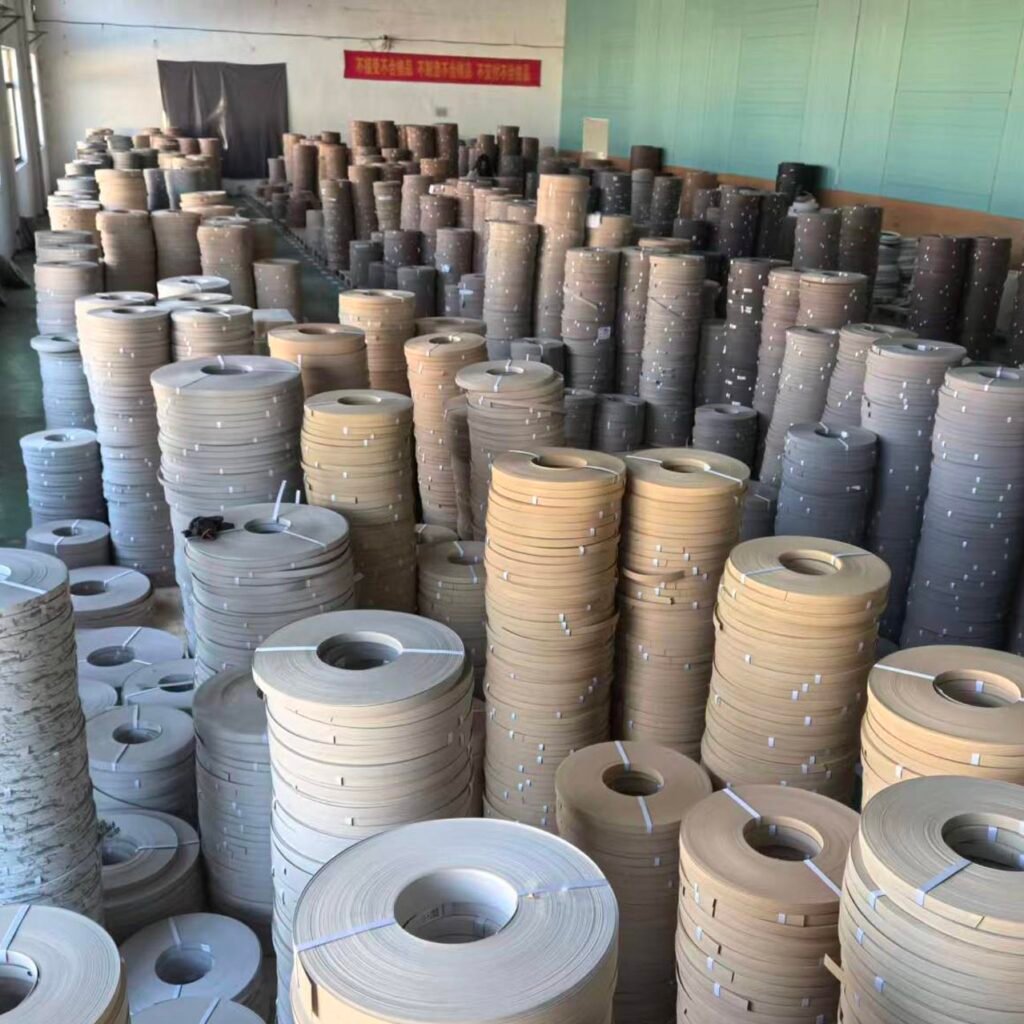
But what makes custom edge banding so valuable for professionals? Let’s break down the core reasons why businesses are increasingly turning to custom solutions:
- Brand Differentiation: Custom edge banding lets you incorporate your brand colors, logos, or unique textures into your furniture pieces, creating a cohesive, recognizable brand identity that sets you apart from competitors.
- Client Satisfaction: By offering custom edge banding, you can meet the exact specifications of your clients—whether they need a specific color match for a furniture line, a unique texture for a high-end project, or a custom thickness for industrial applications.
- Reduced Waste & Cost Efficiency: Custom edge banding allows you to order precisely what you need, eliminating excess inventory and reducing waste. This translates to lower storage costs and higher profit margins.
- Versatility: Custom edge banding can be tailored to any application, from residential furniture (wardrobes, cabinets, tables) to industrial furniture (office desks, hospital equipment, restaurant seating) and everything in between.
- Quality Control: When you choose custom edge banding, you have full control over the quality of the material, ensuring it meets your standards for durability, adhesion, and aesthetics.
In short, custom edge banding is a tool that empowers businesses to be more flexible, customer-centric, and competitive in today’s market. Now, let’s explore the key elements of custom edge banding, including the most popular materials, customization options, and how to choose the right solution for your business.
Top Materials for Custom Edge Banding: Which One Is Right for You?
One of the most important decisions when ordering custom edge banding is choosing the right material. The material you select will impact the durability, aesthetics, cost, and application of your edge banding—so it’s critical to align your choice with your project’s needs and budget. Below, we’ll break down the most popular materials for custom edge banding, their benefits, drawbacks, and ideal applications.
1. Custom PVC Edge Banding: The Versatile, Cost-Effective Choice
Custom PVC edge banding is the most popular option for businesses, thanks to its balance of affordability, versatility, and durability. PVC (polyvinyl chloride) is a synthetic material that can be easily customized in terms of color, texture, and thickness, making it ideal for a wide range of applications. Here’s what you need to know about custom PVC edge banding:
Key Benefits:
- Affordability: Custom PVC edge banding is one of the most cost-effective options, making it perfect for bulk orders and high-volume production lines.
- Water Resistance: PVC is naturally water-resistant, making custom PVC edge banding ideal for furniture used in humid environments (kitchens, bathrooms, restaurants).
- Wide Customization: PVC can be dyed to any color, textured to mimic wood, stone, or metal, and cut to any thickness (0.8mm, 1mm, 2mm, 3mm, or more) or length.
- Easy Installation: Custom PVC edge banding adheres well to EVA and PUR adhesives and is compatible with most automated edge banding machines, streamlining production.
- Durability: PVC is resistant to wear, scratches, and impact, making it suitable for both residential and light industrial furniture.
Ideal Applications: Custom PVC edge banding is perfect for businesses focused on residential furniture (wardrobes, bookshelves, cabinets), light commercial furniture (office desks, reception counters), and bulk orders where cost and versatility are priorities. It’s also a great choice for furniture used in humid environments, thanks to its water resistance.
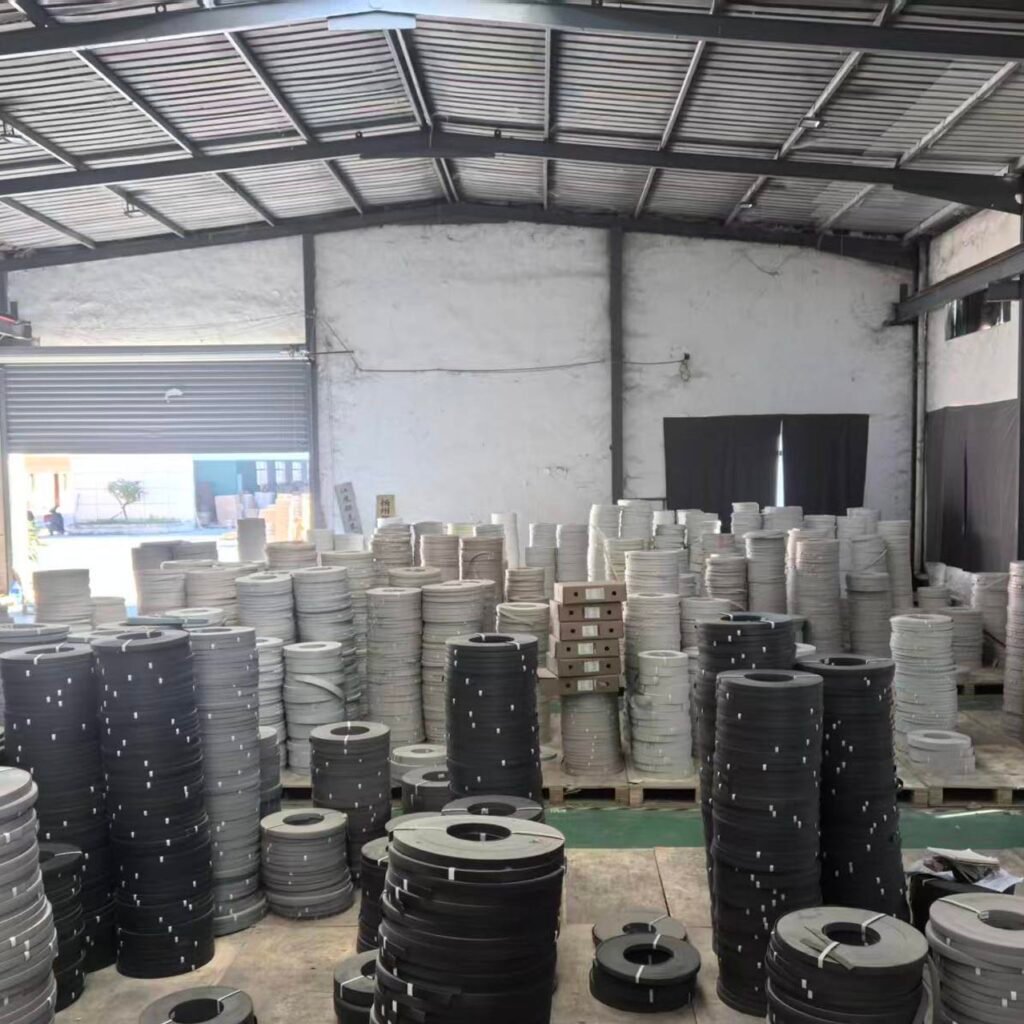
2. Custom ABS Edge Banding: The Premium, Durable Option
Custom ABS edge banding is a premium choice for businesses that prioritize durability, high performance, and a polished finish. ABS (acrylonitrile butadiene styrene) is a thermoplastic polymer known for its strength, impact resistance, and resistance to heat and UV rays—making it ideal for high-end and industrial applications. Here’s what you need to know:
Key Benefits:
- Exceptional Durability: Custom ABS edge banding is highly resistant to impact, scratches, and wear, making it perfect for furniture used in high-traffic areas (hospitals, schools, restaurants, office buildings).
- Heat & UV Resistance: ABS doesn’t deform or yellow when exposed to high temperatures or direct sunlight, ensuring long-lasting color and appearance.
- Premium Finish: ABS has a smooth, polished surface that can be customized to match high-end materials like wood, stone, or metal, giving furniture a luxurious look.
- Water Resistance: ABS is naturally water-resistant, making it suitable for humid environments and outdoor furniture (when properly sealed).
- Easy to Customize: Custom ABS edge banding can be colored, textured, and cut to any thickness or length, and it can even be engraved with logos or branding.
Ideal Applications: Custom ABS edge banding is ideal for businesses focused on high-end residential furniture, industrial furniture, commercial furniture (restaurants, hospitals, schools), and outdoor furniture. It’s also a great choice for businesses that want to offer a premium product with long-lasting durability.

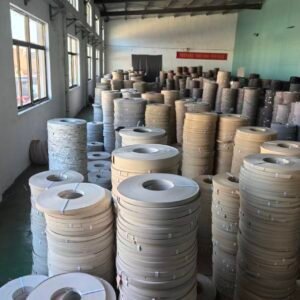
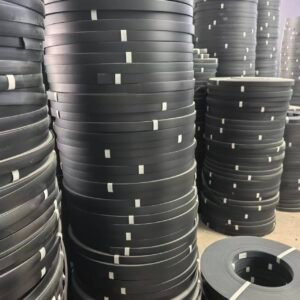
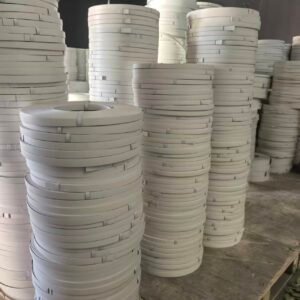
3. Custom Acrylic Edge Banding: The Luxurious, Aesthetic Choice
Custom acrylic edge banding is the top choice for businesses that prioritize aesthetics and luxury. Acrylic is a transparent or translucent material with a high-gloss or matte finish, making it perfect for high-end furniture, decorative pieces, and modern designs. Here’s what you need to know:
Key Benefits:
- Premium Aesthetics: Custom acrylic edge banding has a sleek, modern finish that adds a touch of luxury to any furniture piece. It’s available in transparent, translucent, or solid colors, and can be textured to mimic glass, stone, or metal.
- UV Resistance: Acrylic doesn’t yellow or fade when exposed to sunlight, ensuring long-lasting color and clarity.
- Chemical Resistance: Acrylic is resistant to most household cleaners and chemicals, making it easy to maintain.
- Water Resistance: Acrylic is fully waterproof, making it ideal for kitchen and bathroom furniture.
- Customization: Custom acrylic edge banding can be cut to any thickness, length, or shape, and can be engraved or printed with logos, patterns, or designs.
Ideal Applications: Custom acrylic edge banding is perfect for businesses focused on high-end residential furniture (luxury kitchens, bathrooms, living room pieces), decorative furniture, and commercial spaces (hotels, boutiques, high-end offices) where aesthetics are a top priority.

4. Custom Melamine Edge Banding: The Aesthetic, Cost-Effective Alternative
Custom melamine edge banding is a popular choice for businesses that want a balance of aesthetics and affordability. Melamine is a composite material made from resin and printed paper, which allows it to mimic natural materials like wood, stone, or fabric with incredible precision. Here’s what you need to know:
Key Benefits:
- Aesthetic Versatility: Custom melamine edge banding can be printed to match any wood grain, stone texture, or color, creating a seamless look when paired with melamine boards.
- Affordability: Melamine is more affordable than ABS or acrylic, making it a great choice for mid-range furniture lines.
- Wear Resistance: Melamine is resistant to scratches, stains, and wear, making it suitable for residential and light commercial furniture.
- Easy Installation: Custom melamine edge banding adheres well to EVA adhesives and is compatible with automated edge banding machines.
Ideal Applications: Custom melamine edge banding is perfect for businesses focused on mid-range residential furniture (wardrobes, bookshelves, dining tables), office furniture, and furniture lines where aesthetics are important but budget is a consideration.
5. Custom Wood Edge Banding: The Natural, Rustic Choice
Custom wood edge banding is the ideal choice for businesses that want a natural, rustic look for their furniture. Made from real wood (solid wood or wood veneer), custom wood edge banding adds warmth and authenticity to any piece. Here’s what you need to know:
Key Benefits:
- Natural Aesthetics: Custom wood edge banding has a unique, authentic wood grain that can’t be replicated by synthetic materials, making it perfect for rustic, Nordic, or high-end wooden furniture.
- Eco-Friendly: Wood is a renewable resource, making custom wood edge banding a sustainable choice for businesses focused on environmental responsibility.
- Customization: Custom wood edge banding can be made from any type of wood (oak, walnut, pine, maple), cut to any thickness or length, and stained or painted to match the furniture.
- Durability: Solid wood edge banding is highly durable and can be refinished if it becomes scratched or worn.
Ideal Applications: Custom wood edge banding is perfect for businesses focused on rustic furniture, Nordic-style furniture, high-end wooden furniture, and eco-friendly product lines.
Custom Edge Banding Customization Options: Tailor Every Detail to Your Needs
One of the biggest advantages of custom edge banding is the ability to tailor every detail to your specific needs. Whether you’re looking for a specific color, texture, thickness, or even branding, custom edge banding can be customized to meet your exact requirements. Below, we’ll explore the most common customization options for custom edge banding—incorporating high-value keywords that buyers search for, such as “custom color edge banding,” “custom thickness edge banding,” and “branded edge banding.”
1. Custom Color Edge Banding: Match Your Brand or Project
Custom color edge banding is one of the most popular customization options, allowing businesses to match the edge banding to their brand colors, the furniture board, or the client’s specific requirements. Whether you need a bold, vibrant color for a modern furniture line or a subtle, neutral color for a classic design, custom color edge banding can be dyed or printed to your exact specifications.
Key considerations for custom color edge banding:
- Color Matching: Reputable custom edge banding suppliers offer color matching services, allowing you to provide a sample (fabric, paint, or board) and receive edge banding that matches perfectly. This is critical for businesses that need a seamless look for their furniture lines.
- Color Consistency: Ensure that the supplier can provide consistent color across all batches of custom edge banding. Color variation can ruin the aesthetic of a furniture line, so it’s important to choose a supplier with strict quality control.
- Colorfastness: Choose colors that are resistant to fading from sunlight and wear. This is especially important for furniture used in outdoor or high-traffic areas.
Popular custom color edge banding options include solid colors (black, white, gray, beige), wood-tone colors (oak, walnut, pine), and custom brand colors (e.g., a specific shade of blue for a furniture brand).

2. Custom Texture Edge Banding: Mimic Natural Materials or Create Unique Looks
Custom texture edge banding allows you to add depth and character to your furniture by mimicking natural materials (wood, stone, metal) or creating unique, custom textures. Texture is a key element in furniture design, and custom texture edge banding can help your products stand out from the competition.
Popular custom texture options for edge banding:
- Wood Grain Texture: Mimic the look of real wood (oak, walnut, maple, pine) with custom wood grain texture edge banding. This is perfect for furniture that uses wood-look boards but needs a seamless edge.
- Stone Texture: Create a luxurious look with custom stone texture edge banding, mimicking marble, granite, or quartz. This is ideal for high-end kitchen and bathroom furniture.
- Metal Texture: Add a modern, industrial look with custom metal texture edge banding (stainless steel, brushed aluminum, copper). This is perfect for office furniture and modern residential pieces.
- Unique Custom Textures: For businesses looking to differentiate themselves, suppliers can create custom textures (e.g., embossed patterns, matte finishes, glossy finishes) that are unique to your brand.
When choosing custom texture edge banding, consider the application: for high-traffic areas, choose a texture that is resistant to scratches and wear; for high-end furniture, choose a texture that adds a premium feel.
3. Custom Thickness Edge Banding: Choose the Right Gauge for Your Project
Custom thickness edge banding is another critical customization option, as the thickness of the edge banding impacts its durability, flexibility, and application. The most common thicknesses for custom edge banding are 0.8mm, 1mm, 2mm, 3mm, and 4mm—but suppliers can create edge banding in any thickness to meet your needs.
How to choose the right custom thickness edge banding:
- 0.8mm Custom Edge Banding: The thinnest option, ideal for lightweight furniture, thin boards (≤16mm), and curved edges. It’s flexible and cost-effective, perfect for decorative pieces and furniture with intricate designs.
- 1mm Custom Edge Banding: The industry standard for most residential and light commercial furniture. It balances flexibility and durability, compatible with most automated edge banding machines.
- 2mm Custom Edge Banding: A popular choice for furniture that needs extra protection (kitchen cabinets, office desks). It’s more durable than 1mm edge banding but still flexible enough for most straight edges.
- 3mm+ Custom Edge Banding: The thickest option, ideal for industrial furniture, heavy-duty applications, and thick boards (≥18mm). It offers maximum durability and protection but is less flexible, so it’s not recommended for curved edges.
When choosing custom thickness edge banding, consider the type of furniture, the board thickness, and the level of protection needed. For example, kitchen cabinets (which are exposed to moisture and wear) benefit from 2mm or 3mm custom edge banding, while decorative shelves may only need 0.8mm or 1mm.
4. Custom Length & Width Edge Banding: Avoid Waste, Save Money
Custom length and width edge banding allows you to order exactly the size you need, eliminating excess inventory and reducing waste. This is especially valuable for businesses that handle bulk orders or have unique project requirements.
Key considerations for custom length and width edge banding:
- Length: Custom edge banding can be ordered in any length, from short strips (for small projects) to long rolls (for bulk production). Most suppliers offer rolls of 50m, 100m, or 200m, but can also create custom lengths to meet your needs.
- Width: The width of the edge banding should match the thickness of the board it’s being applied to. For example, if you’re using a 18mm board, you’ll need custom edge banding with a width of 18mm. Suppliers can create custom widths to match any board thickness.
- Cut-to-Size: Many suppliers offer cut-to-size services, allowing you to order edge banding pre-cut to the exact length and width you need. This saves time and reduces waste during production.
5. Branded Custom Edge Banding: Promote Your Business
Branded custom edge banding is a powerful marketing tool for businesses, allowing you to incorporate your logo, company name, or brand message directly into the edge banding. This not only promotes your brand but also adds a professional, premium touch to your furniture products.
Popular branding options for custom edge banding:
- Engraved Branding: Logos or text are engraved directly into the edge banding, creating a subtle, sophisticated look. This is ideal for high-end furniture lines.
- Printed Branding: Logos or text are printed onto the edge banding, allowing for full-color designs and bold branding. This is perfect for businesses that want to make a statement.
- Embossed Branding: Logos or text are embossed into the edge banding, creating a 3D effect that adds texture and depth. This is a great way to make your brand stand out.
Branded custom edge banding is especially valuable for businesses that sell to retailers or interior designers, as it helps promote your brand to end customers and build brand recognition.

Benefits of Custom Edge Banding for Businesses: Why It’s Worth the Investment
We’ve touched on some of the benefits of custom edge banding, but let’s dive deeper into why it’s a worthwhile investment for businesses. From increased brand recognition to higher profit margins, custom edge banding offers a range of advantages that can help your business grow and succeed in a competitive market. Below, we’ll explore the key benefits in detail—incorporating keywords like “bulk custom edge banding,” “wholesale custom edge banding,” and “custom edge banding for furniture manufacturers.”
1. Increased Brand Differentiation & Recognition
In a market where many furniture products look similar, custom edge banding allows you to stand out from the competition. By incorporating your brand colors, logos, and unique textures, you create a cohesive brand identity that customers will recognize and remember. This not only helps you attract new clients but also builds loyalty among existing ones.
For example, a furniture manufacturer that uses custom edge banding with their logo and brand color will have products that are instantly recognizable to retailers and interior designers. This can lead to more repeat orders and referrals, as clients know they’re getting a unique, branded product.
2. Higher Profit Margins
Custom edge banding allows you to command higher prices for your furniture products, as it adds value and uniqueness. Clients are willing to pay more for products that are tailored to their specific needs, whether that’s a custom color, texture, or branding. Additionally, custom edge banding reduces waste, which lowers production costs and increases profit margins.
For example, a wholesaler that offers bulk custom edge banding can charge a premium for custom orders, as they’re providing a specialized service that standard edge banding suppliers don’t offer. This can lead to higher revenue and profitability over time.
3. Improved Client Satisfaction & Retention
Clients want products that meet their exact specifications, and custom edge banding allows you to deliver on that. By offering custom solutions, you show your clients that you value their needs and are willing to go the extra mile to meet them. This leads to higher client satisfaction, which in turn leads to increased retention and repeat business.
For example, a furniture manufacturer that offers custom edge banding for kitchen cabinets can meet the unique color and texture requirements of a restaurant client, ensuring the cabinets match the restaurant’s decor. This level of customization will make the client more likely to return for future orders.
4. Reduced Waste & Cost Efficiency
One of the biggest drawbacks of standard edge banding is that it often comes in pre-determined lengths and widths, leading to excess inventory and waste. Custom edge banding allows you to order exactly what you need, eliminating waste and reducing storage costs. This is especially valuable for businesses that handle bulk orders, as it can save thousands of dollars in wasted materials.
Additionally, custom edge banding is compatible with automated edge banding machines, which streamlines production and reduces labor costs. This further improves cost efficiency and profitability.
5. Versatility & Adaptability
Custom edge banding is highly versatile, allowing you to adapt to changing market trends and client needs. Whether a client needs a new color, texture, or thickness, you can easily create custom edge banding to meet their requirements. This flexibility makes your business more adaptable and resilient, which is critical in a fast-changing industry.
For example, if the market trend shifts to eco-friendly furniture, you can quickly switch to custom eco-friendly edge banding (made from recycled materials or wood) to meet the demand. This ability to adapt will help you stay ahead.