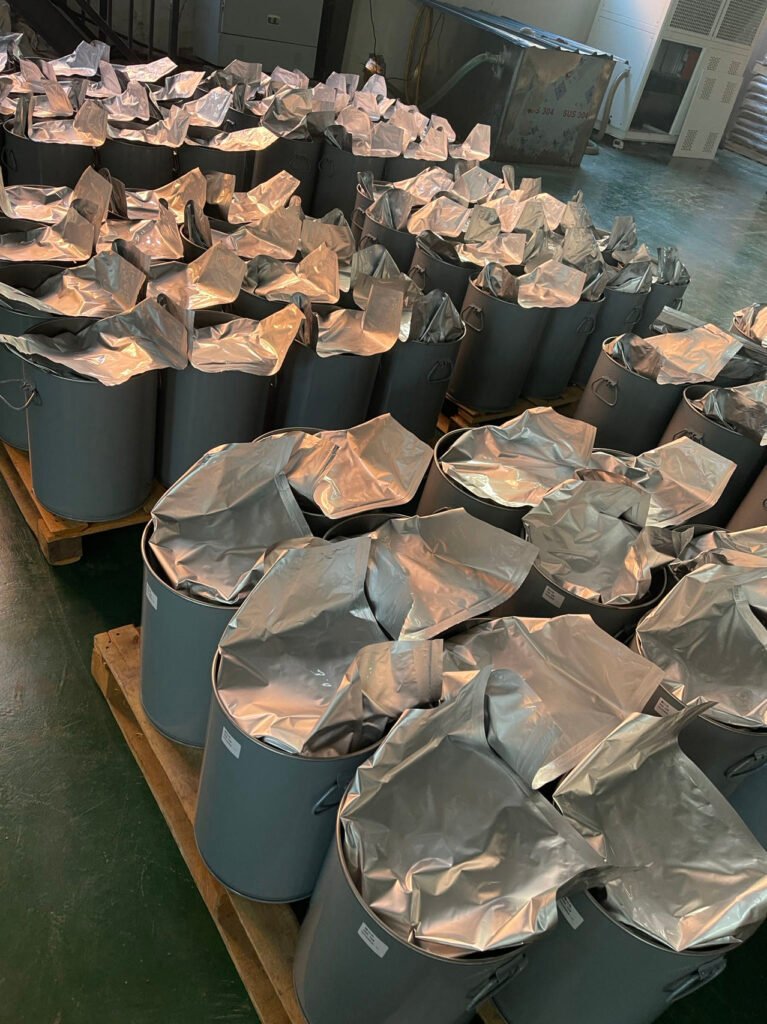


Edge banding glue
Source edge banding glue for furniture and panel processing. Explore EVA and PUR hot melt adhesive options, request product data, and contact us for samples and quotations.
Note: All our samples are shipped the same day. The samples are free, but the express shipping charges are the buyer’s responsibility. Once the order is confirmed, these charges can be reimbursed from the order total.
Payment & Security

Edge Banding Glue for Furniture Panel Processing
We supply hot melt adhesive solutions for furniture and woodworking applications, including EVA and PUR hot melt adhesives. Whether you are processing PVC, ABS, melamine or other edge banding materials, we can help you identify a suitable product according to your application requirements.
If you are sourcing edge banding glue for regular production or wholesale distribution, share your material type, machine information and purchasing requirements with us. Our team can help you check the available options and arrange samples for evaluation.
Need help choosing an adhesive?
Contact our team for product information, samples and a quotation.
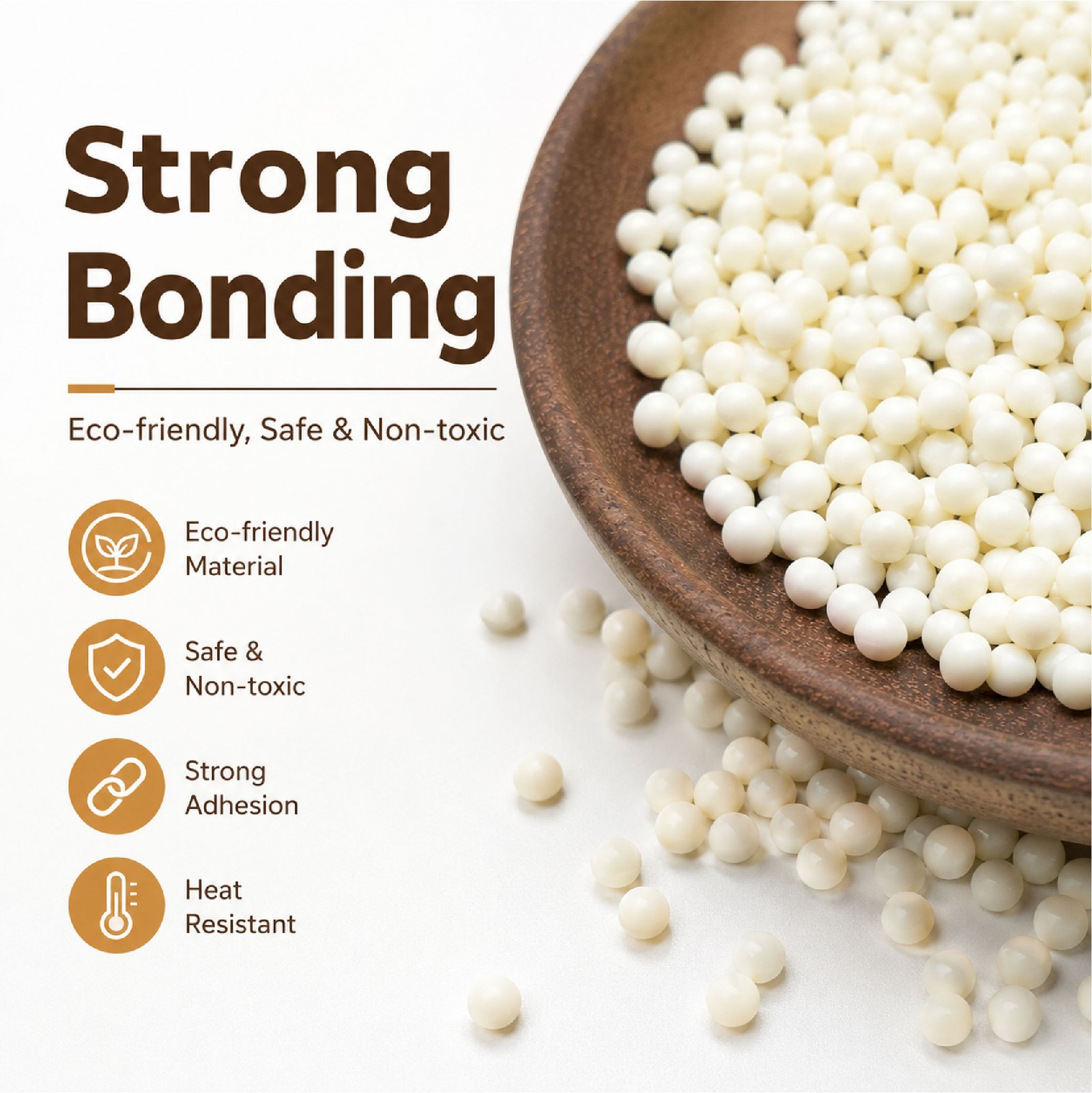
EVA and PUR Hot Melt Adhesive: Which One Should You Choose?
EVA and PUR are two important hot melt adhesive technologies used in furniture manufacturing. They have different bonding mechanisms and application characteristics. Understanding the difference helps buyers avoid selecting a product based only on price or general descriptions.
EVA Edge banding glue
EVA (ethylene-vinyl acetate) hot melt adhesive is commonly used in conventional edge banding operations. It melts when heated and forms a bond as it cools after application.
For furniture factories running regular edge banding production, EVA can be a practical option when the adhesive is properly matched to the machine, panel and edge banding material.
We offer EVA adhesive options for different application requirements. When discussing a suitable product, we recommend confirming:
- Whether the machine uses EVA hot melt adhesive
- The type of edge banding material being processed
- The board material and surface condition
- The machine’s working temperature and production speed
- The required adhesive color and packaging format
Explore our EVA Adhesive Glue products.
PUR Edge banding glue
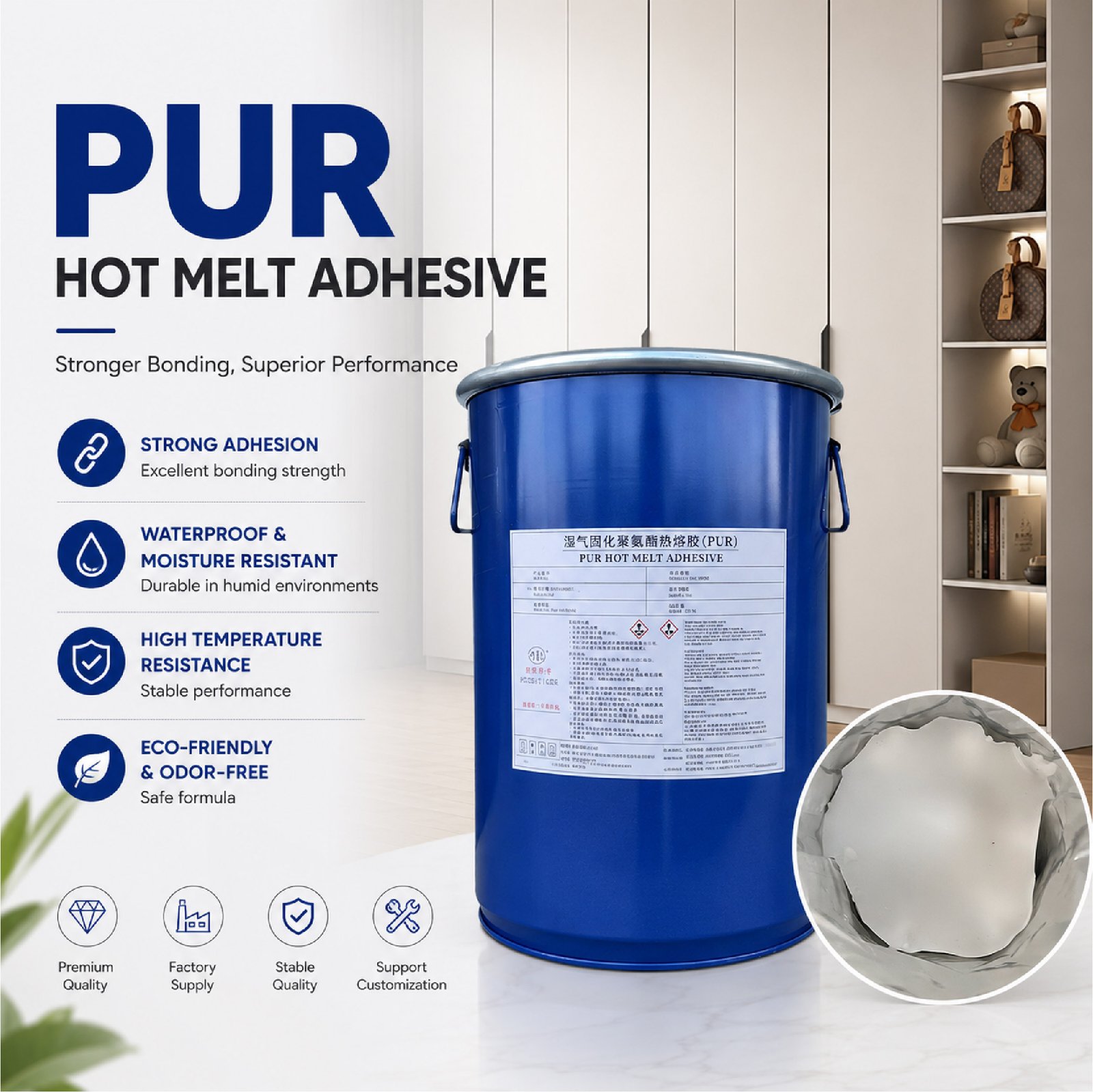
PUR (polyurethane reactive) hot melt adhesive is different from conventional EVA adhesive. After application, it initially forms a bond through cooling and then continues to cure through a moisture-reactive process.
This technology is selected for applications where the bonding system’s final performance requirements differ from those of conventional hot melt adhesives.
PUR selection requires particular attention to the adhesive’s handling, storage, processing and curing requirements. Buyers should check the product-specific technical documentation before changing from EVA to PUR or introducing PUR into an existing production line.
Explore our PUR Hot Melt Adhesive products.
EVA vs. PUR: A Practical Comparison
| Comparison | EVA Hot Melt Adhesive | PUR Hot Melt Adhesive |
|---|---|---|
| Bonding mechanism | Bonds mainly through cooling | Bonds through cooling followed by moisture-reactive curing |
| Typical use | Conventional edge banding production | Applications requiring reactive adhesive technology |
| Processing | Requires suitable heating and application conditions | Requires suitable equipment, handling and moisture control |
| Product selection | Based on machine, material and operating conditions | Based on machine compatibility, curing requirements and application conditions |
| Technical confirmation | Check the relevant EVA TDS | Check the relevant PUR TDS and handling instructions |
There is no single adhesive that is automatically the best choice for every factory. We recommend comparing the actual production requirements before making a decision.
Use of Edge Banding Glue
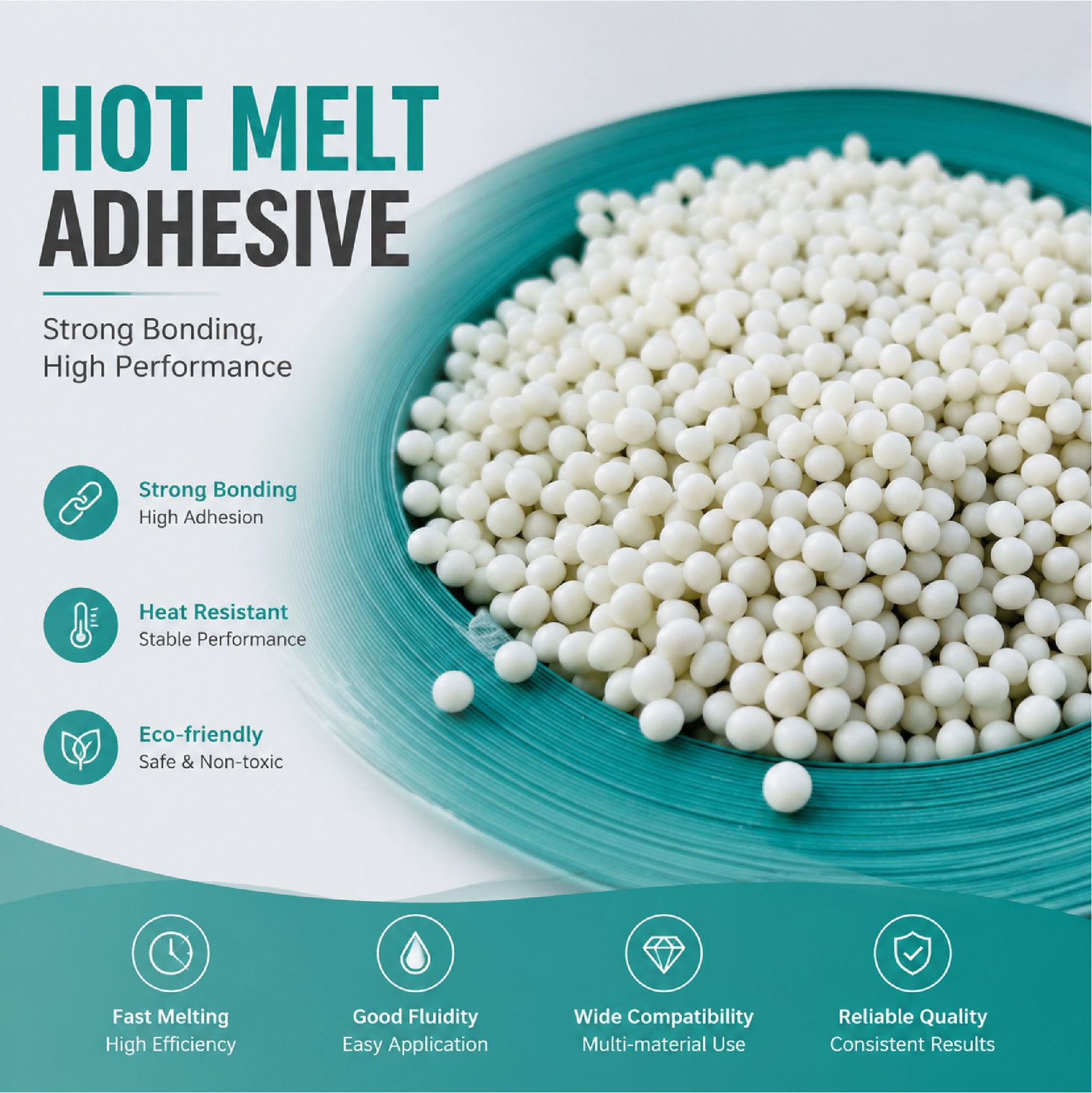
When using edge banding adhesive, especially hot melt adhesive, it is crucial to adhere to specific standards and requirements to ensure optimal bonding effectiveness and product quality. Here are the specific requirements for hot melt adhesive regarding substrates and edge banding materials:
1. Moisture Control of the Substrate
The moisture content of the edge banding substrate should be kept below 12%. If the moisture content is too high, it can severely affect the bonding effectiveness. Moist substrates may prevent the adhesive from properly penetrating and bonding, leading to the edge banding peeling off or warping. Therefore, it is essential to adequately dry the substrate before edge banding to ensure its moisture content meets the standards.
2. Quality of PVC Edge Banding Adhesive
The adhesive on the back of the PVC edge banding must meet quality standards. If the adhesive is subpar, it may result in the edge banding not adhering firmly to the substrate, causing looseness or detachment. Choosing high-quality edge banding and adhesive is key to ensuring effective edge bonding.
3. Treatment of Oily Substrates
When using oily substrates, it is necessary to perform a degreasing treatment. Oil residues on the surface of oily substrates can affect the adhesive’s bonding strength, leading to insecure edge bonding and potential peeling. Therefore, it is essential to ensure that the substrate surface is thoroughly cleaned and free of grease before applying the adhesive.
4. Solvent Resistance of EVA Hot Melt Adhesive
EVA Edge banding glue is not solvent-resistant, and companies involved in edge banding wood pieces must exercise caution during staining and spraying processes. Excessive solvent infiltration into the adhesive layer can dilute the hot melt adhesive, reducing its bonding performance and potentially causing edge peeling. It is advisable to avoid direct contact of solvents with the adhesive layer and to control the amount of solvent used to maintain the adhesive’s effectiveness and durability.
By following these usage requirements, you can significantly improve the bonding effectiveness of edge banding adhesive and ensure the quality and durability of the final product. For the furniture manufacturing and woodworking industries, understanding and strictly adhering to these standards is crucial to effectively prevent quality issues in the future.
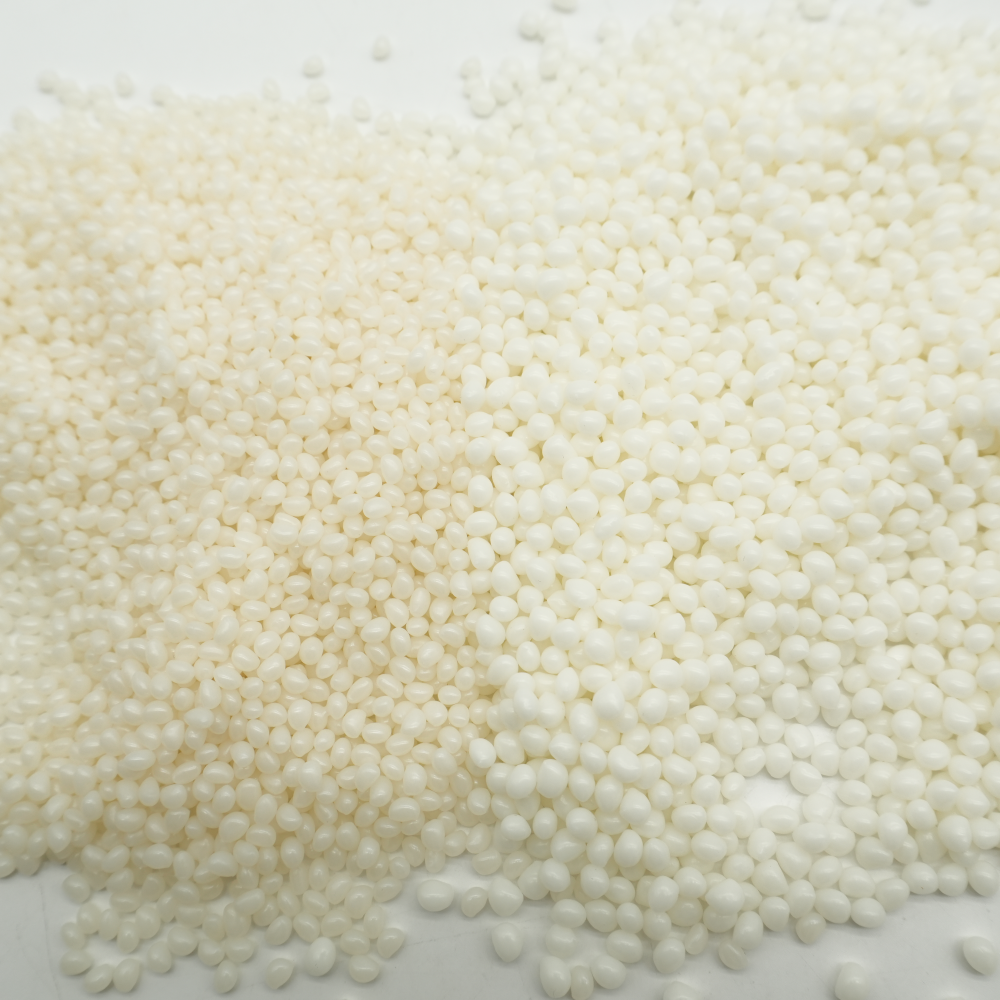
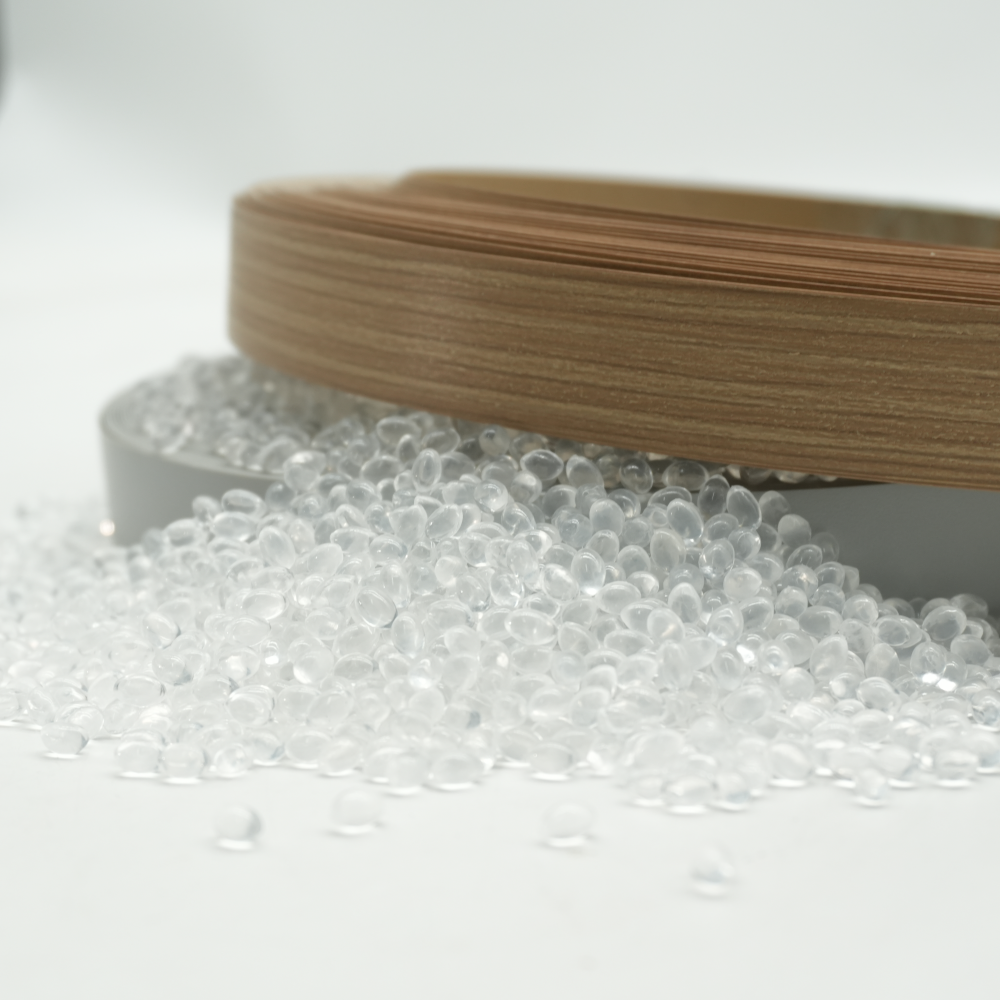
Classification of Hot Melt Edge Banding Glue Colors
Hot melt glue can be classified into several color categories based on different application needs and material characteristics:
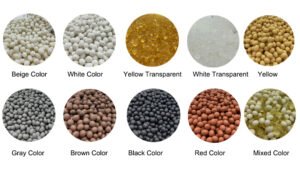
Selecting the appropriate color of Edge banding glue not only meets bonding performance requirements but also enhances the aesthetic quality of the final product. When choosing, consider the application scenario, material type, and desired visual effects to ensure optimal bonding results and appearance.
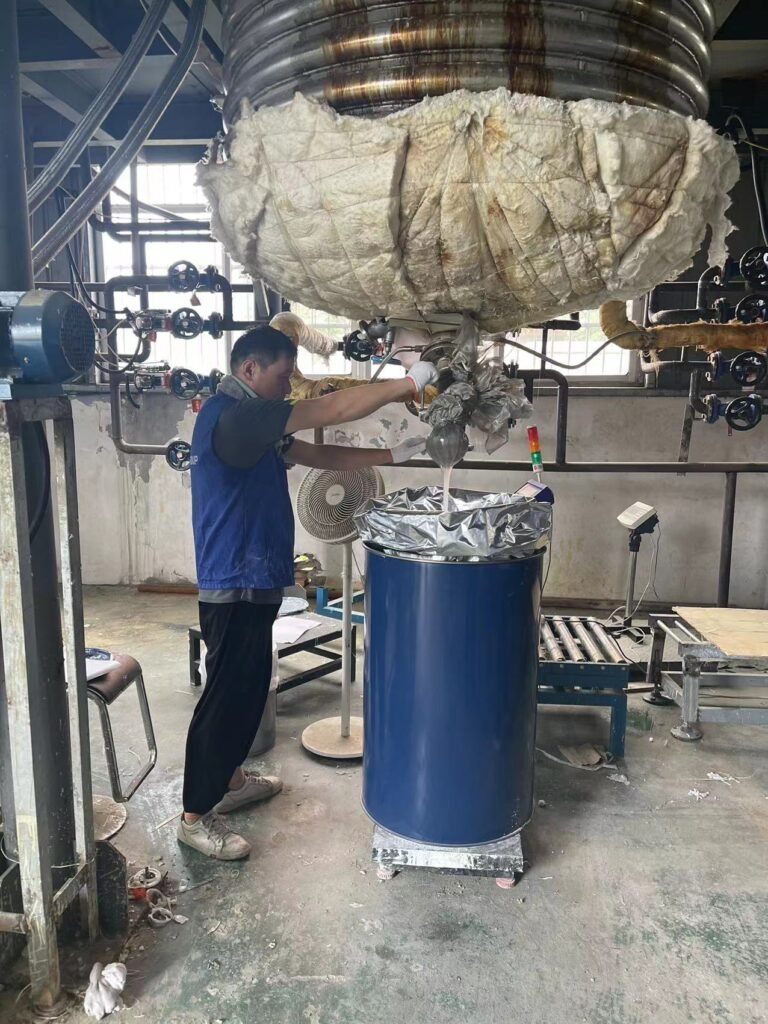
Luyao Hot Melt Edge banding glue Certification

In practical application, hot melt adhesive is processed using specialized edge banding machines. First, the adhesive strips are heated within the machine until they melt, transforming into a viscous state. This process requires precise temperature control to ensure the adhesive achieves optimal bonding performance. Next, the molten adhesive is evenly applied to the back of the edge banding.
The edge banding is then quickly pressed against the edge of the engineered wood panel, forming a tight bond. Through the application of pressure, the hot melt adhesive rapidly solidifies upon cooling, ensuring that the edge banding is securely fixed to the substrate. This process not only enhances the strength and durability of the edge banding but also effectively prevents moisture and dirt infiltration, extending the lifespan of the furniture.
Overall, the use of hot melt adhesive significantly improves the quality and appearance of engineered wood furniture, making the edge banding process more efficient and reliable. Whether in large-scale applications on production lines or in small woodworking projects, hot melt adhesive is an indispensable material.
Compatibility with Edge Banding Materials and Panel Substrates
The adhesive and the materials being bonded need to work together. A product that performs well with one combination may require different application conditions with another.
When evaluating edge banding glue, we consider both sides of the bonding process.
Edge Banding Materials
- PVC edge banding: Commonly used for cabinets, wardrobes and general furniture panels.
- ABS edge banding: Used in furniture applications where ABS edging is specified.
- Melamine edge banding: Used for economical panel finishing and selected furniture applications.
- Wood veneer edge banding: Requires attention to the veneer construction and surface characteristics.
- Acrylic edge banding: Used for decorative furniture surfaces where the material and adhesive combination must be confirmed.
Panel Substrates
Our customers commonly work with:
- MDF (Medium Density Fibreboard)
- Particleboard
- Plywood
- Other engineered wood panels
Before recommending an adhesive, we need to understand the actual panel surface and edge condition. Dust, moisture, surface contamination and uneven machining can all affect bonding quality.
For this reason, we encourage customers to provide their panel and edge banding details when requesting a product recommendation.

Edge Banding Glue Quality Checks and Technical Support
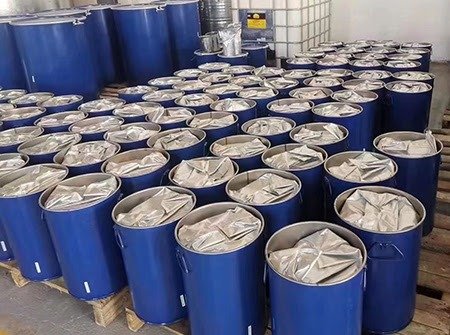
When sourcing hot melt adhesive, buyers should look beyond product appearance and packaging. Technical consistency and suitability for the intended application are equally important.
At Shanghai Luyao Industry Co., Ltd., we encourage customers to evaluate adhesive products using relevant technical information and practical application trials.
Depending on the adhesive type and product requirements, useful quality evaluation items may include:
| Evaluation Item | What It Helps Assess |
|---|---|
| Appearance and color | Whether the product matches the specified appearance |
| Softening point | The temperature-related softening behavior of the adhesive |
| Melt viscosity | How the adhesive flows under specified test conditions |
| Open time | The available time for joining materials after application |
| Setting behavior | How the adhesive develops initial holding strength |
| Bonding performance | Whether the adhesive is suitable for the intended material combination |
| Thermal stability | How the adhesive behaves during the specified heating conditions |
Not every test applies to every adhesive type. The relevant test method and acceptance criteria should be defined according to the product specification.
For technical evaluation, we recommend requesting the corresponding TDS and SDS/MSDS before purchasing. Where available, relevant supporting documents can also be provided for review.
We do not recommend judging an adhesive solely by its color or appearance. A practical trial using your own panel, edge banding material and production conditions is a more useful way to assess suitability.
Request product information, arrange a sample or ask for a wholesale quotation today.
Parameter Table
| Attributes | Value |
|---|---|
| product | Hot melt particle glue |
| Hot melt particle glue | Yellow transparent |