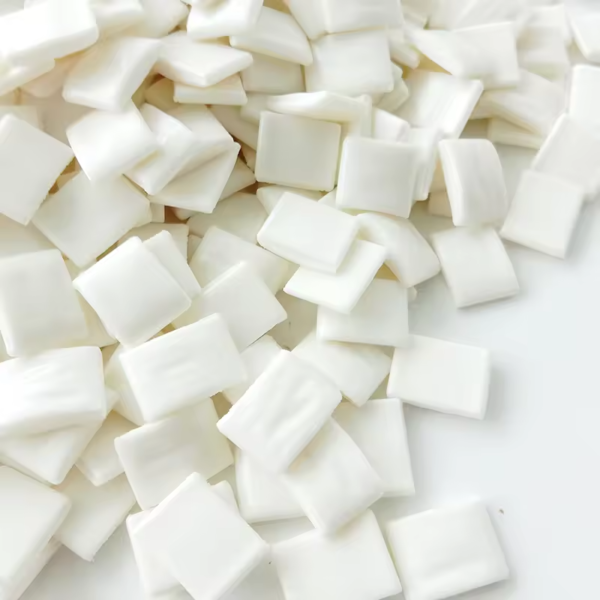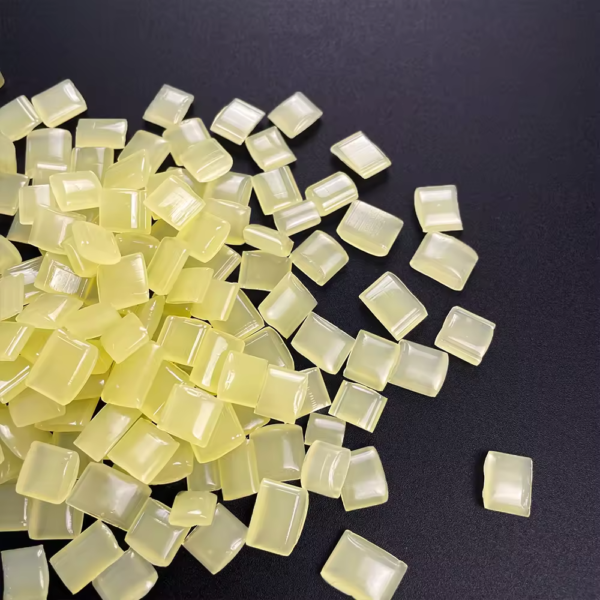



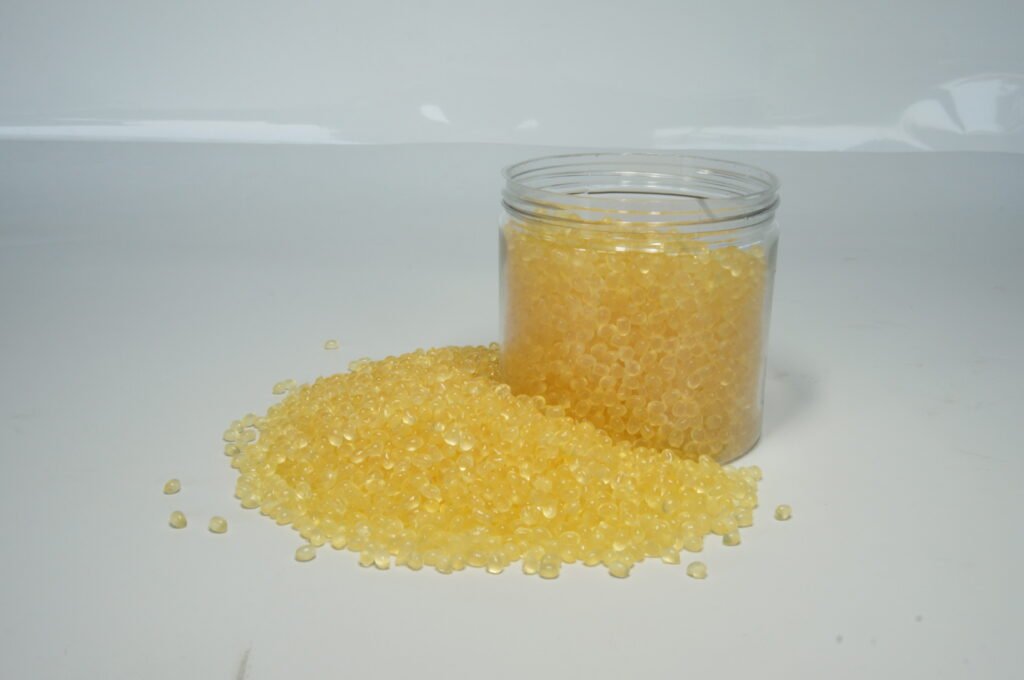
EVA (Ethylene Vinyl Acetate) hot melt adhesive has become an indispensable bonding solution across numerous industries, particularly in furniture manufacturing where panel furniture production relies heavily on edge banding processes. As a leading manufacturer of eva hot glue, LUYAO GROUP (Shanghai Luyao Industry Co., Ltd) understands the crucial importance of proper equipment maintenance for ensuring consistent bond quality and production efficiency.
The versatility of eva hot glue stems from its unique chemical composition. With typically 19-28% vinyl acetate content, eva hot glue offer an exceptional balance of flexibility, adhesion strength, and thermal stability. These properties make it ideal for bonding various materials including wood, paper, plastic, and fabrics. However, maintaining this performance requires regular and proper cleaning of the glue pots and application equipment.
Why Regular Cleaning of eva hot glue Pots is Essential
Preventing Carbonization and Equipment Damage
When eva hot glue pots remain in a high-temperature heating state for extended periods without cleaning, the adhesive at the bottom of the pot becomes susceptible to carbonization. This carbonized material creates several operational challenges:
- Reduced Heat Transfer: Carbonized glue acts as an insulator, impairing heat conduction from the heating plate and forcing the system to consume more power to maintain optimal temperature.
- Equipment Damage Risk: The insulating effect can lead to overheating and potentially burn out heating elements, resulting in costly repairs and production downtime.
- Contaminated Bond Lines: Carbonized particles can dislodge and contaminate fresh adhesive, leading to defective bonds and compromised product quality.
Maintaining Consistent Bonding Performance
Carbonized eva hot glue loses its bonding properties. When these degraded particles mix with fresh adhesive and enter the edge banding process, they can cause:
- Inconsistent adhesive application
- Reduced bond strength
- Edge peeling in finished products
Regular cleaning prevents these issues, ensuring that only fresh, fully-functional adhesive participates in the bonding process.
Table: Consequences of Infrequent eva hot glue Pot Cleaning
| Issue | Impact on Equipment | Impact on Product Quality |
|---|---|---|
| Carbonization | Increased power consumption, potential heating element failure | Weakened bonds, inconsistent application |
| Char Accumulation | Clogged nozzles and filters, reduced flow rate | Visible defects, bonding failures |
| Oxidized Adhesive | Increased viscosity, pumping difficulties | Reduced water resistance, compromised durability |
Step-by-Step Guide to Cleaning eva hot glue Pots
Preparation and Safety Measures
Before beginning the cleaning process, ensure you have appropriate personal protective equipment including heat-resistant gloves and safety goggles. The cleaning should be performed when the equipment is scheduled for maintenance, allowing sufficient cooling time if using hot cleaning methods.
Method 1: Manual Cleaning with Paraffin Wax
This traditional approach is effective for regular maintenance cleaning:
- Temperature Adjustment: Set the edge banding machine’s glue pot to the appropriate temperature based on your eva hot glue’s melting point (typically between 160-190°C or 320-375°F).
- Removal of Residual Adhesive: Using a specialized scraper or shovel, remove as much of the molten glue and carbonized residue as possible, transferring it to discarded cardboard or appropriate waste containers.
- Adding Cleaning Agent: Introduce paraffin wax or specialized detergent into the glue pot. Paraffin serves as an excellent cleaning medium because it effectively dissolves residual eva hot glue while being relatively inexpensive and easy to handle.
- Heating and Circulation: Heat the mixture to allow the paraffin and residual adhesive to form a uniform liquid blend. If your equipment has a circulation system, activate it to distribute the cleaning solution throughout the pot.
- Wiping and Residual Removal: Use a discarded cloth to absorb the liquid mixture and wipe the interior surfaces of the glue pot clean. For stubborn deposits, gentle scraping may be necessary.
- Drying and Preparation: Keep the heating element active briefly to evaporate any residual moisture before replenishing with fresh eva hot glue.
Method 2: Using Specialized Cleaning Compounds
For heavily soiled equipment or more efficient cleaning, specialized compounds like eva hot glue offer superior results:
- Initial Cleaning: Heat the machine to working temperature and remove excess adhesive with a scraper while wearing appropriate safety gear.
- Adding Cleaner: At reduced temperature (approximately 160°C or 320°F), add the specialized cleaning compound to the glue pot.
- Melting and Circulation: Allow the cleaner to melt completely, then activate the glue roller to circulate the cleaner throughout the system for 30-40 minutes.
- Cooling and Removal: Turn off the heat and allow the system to cool for 15-20 minutes (not completely cold), then remove the sludge of cleaner and dissolved adhesive.
- Final Flush: Replenish with fresh adhesive and run scrap material through the machine to eliminate any residual cleaner before resuming production.
Method 3: Cold Cleaning Alternatives
For external cleaning or components that can be removed from the equipment:
- Surface Cleaners: Products like Luyao group can be applied at room temperature to remove adhesive residue, grease, and grime from machinery surfaces.
- Soaking Solutions: For removable parts, specialized solvents can dissolve built-up adhesive without damaging components.
LUYAO GROUP’s Professional Maintenance Recommendations
As an established manufacturer of eva hot glue, LUYAO GROUP recommends implementing a preventative maintenance schedule tailored to your production volume:
- High-Volume Operations (2+ shifts daily): Clean every 2-3 weeks
- Medium-Volume Operations (1 shift daily): Clean every 4-6 weeks
- Low-Volume Operations: Clean at least quarterly
Additionally, LUYAO GROUP advises complete system purges at least twice yearly, including replacement of filters and thorough cleaning of hoses, nozzles, and application equipment.
The Business Case for Regular Maintenance
Implementing a consistent cleaning protocol for eva hot glue pots delivers substantial business benefits:
- Reduced Energy Consumption: Clean equipment transfers heat more efficiently, lowering power requirements by up to 15%.
- Extended Equipment Life: Regular cleaning prevents carbon buildup that stresses heating elements, pumps, and moving parts.
- Improved Product Quality: Consistent adhesive performance reduces rejection rates and rework.
- Minimized Downtime: Scheduled maintenance prevents unexpected equipment failures that disrupt production schedules.
- Enhanced Safety: Proper maintenance reduces the risk of overheated components and potential fire hazards.
Advanced Cleaning Techniques for Stubborn Deposits
For equipment with significant carbon buildup that routine cleaning cannot address:
Thermal Cycling Method
- Heat the glue pot to standard operating temperature
- Add specialized purging compound
- Allow circulation for 30-45 minutes
- Reduce temperature by 20°C (68°F) and maintain for 15 minutes
- Return to operating temperature for final flush
Mechanical Assistance
For persistent carbon deposits:
- Use brass or copper scrapers (softer than steel to prevent equipment damage)
- Nylon brushes can access difficult-to-reach areas without scratching surfaces
- Ultrasonic cleaning for removable components with intricate channels
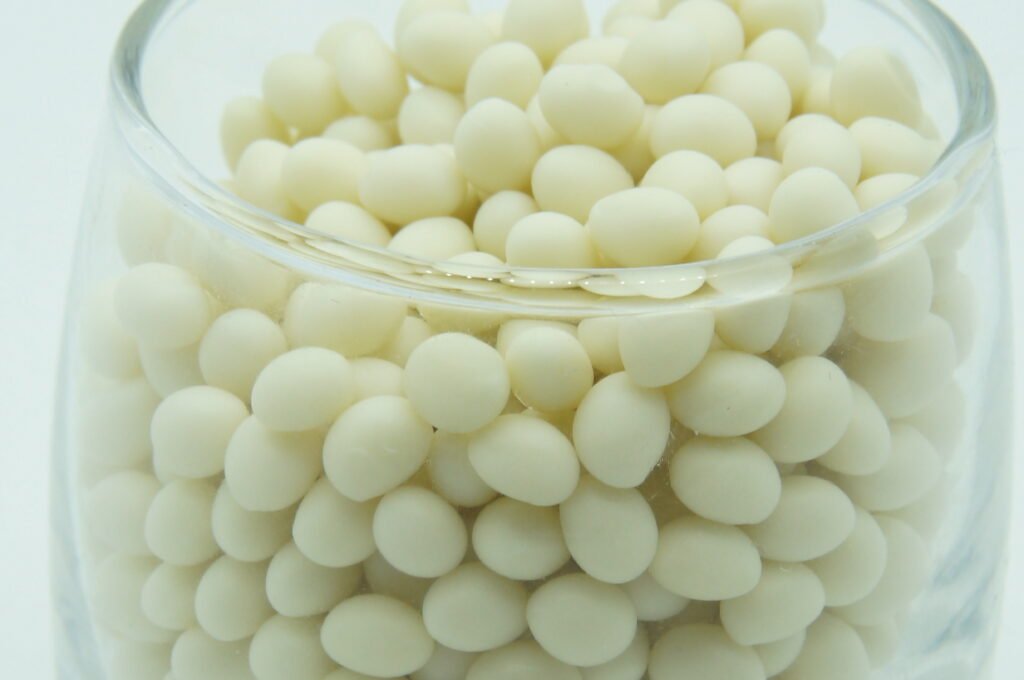
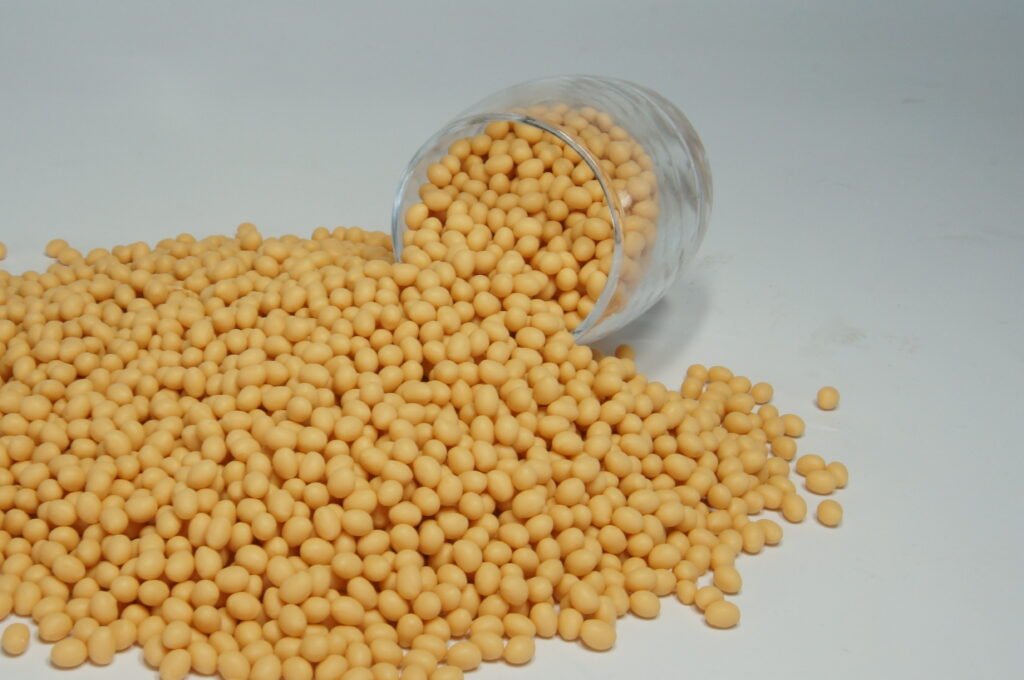
LUYAO GROUP’s eva hot glue
LUYAO GROUP formulates its eva hot glue with clean operation in mind
- High Thermal Stability: Reduced tendency to carbonize at operating temperatures
- Consistent Melt Characteristics: Uniform viscosity for predictable flow and application
- Optimized VA Content: Carefully balanced vinyl acetate levels for your specific application needs
Our technical support team provides application-specific guidance on optimal operating temperatures, maintenance schedules, and cleaning procedures to maximize equipment performance and adhesive efficiency.
Troubleshooting Common Cleaning Challenges
| Problem | Possible Cause | Solution |
|---|---|---|
| Persistent carbon deposits | Insufficient cleaning frequency | Increase cleaning frequency; use specialized cleaning compounds |
| Incomplete cleaning | Temperature too low during cleaning | Ensure cleaning is performed at recommended temperature |
| Rapid re-soiling | Low-quality adhesive | Use premium EVA adhesives with better thermal stability |
| Equipment damage during cleaning | Abrasive cleaning methods | Use approved scrapers and cleaning solutions |
Conclusion: Excellence in Bonding Begins with Proper Maintenance
Regular and proper cleaning of EVA hot melt glue pots is not merely a maintenance task—it’s a critical quality control process that directly impacts product excellence, production efficiency, and operational costs. By implementing the cleaning protocols outlined in this guide and using high-quality eva hot glue from LUYAO GROUP, manufacturers can maintain consistent bonding performance while extending equipment service life.
As a trusted provider of EVA hot melt solutions, LUYAO GROUP offers comprehensive technical support to help customers optimize their adhesive application processes. Our commitment to product excellence extends beyond manufacturing to include application expertise that ensures our customers achieve the best possible results with our products.
Remember: A clean glue pot is the foundation of reliable bonding performance in edge banding and other EVA hot melt applications. Invest in regular maintenance today to avoid costly disruptions tomorrow.
This guide has been presented by LUYAO GROUP (Shanghai Luyao Industry Co., Ltd), a leading manufacturer of high-performance eva hot glue and edge banding solutions. For technical assistance or product inquiries, please contact our support team.