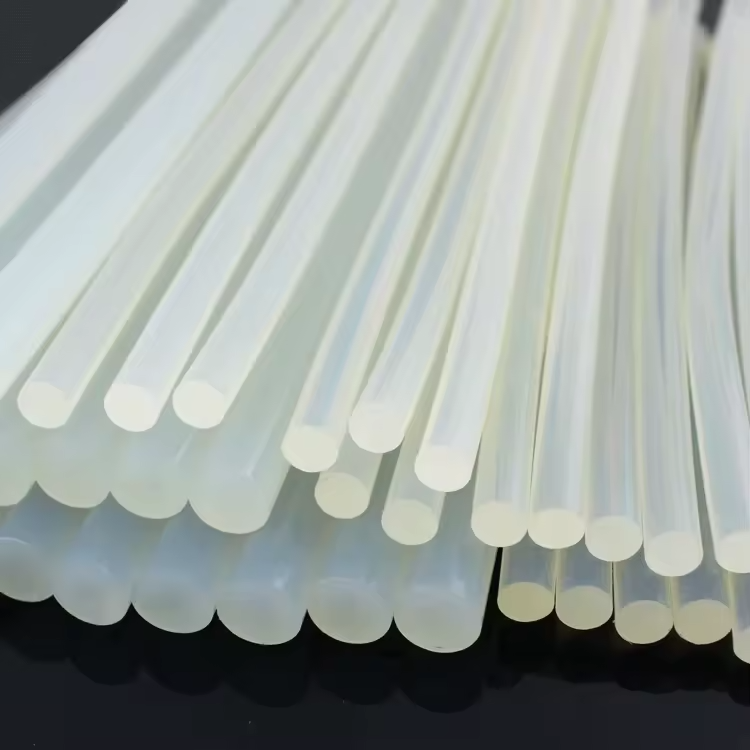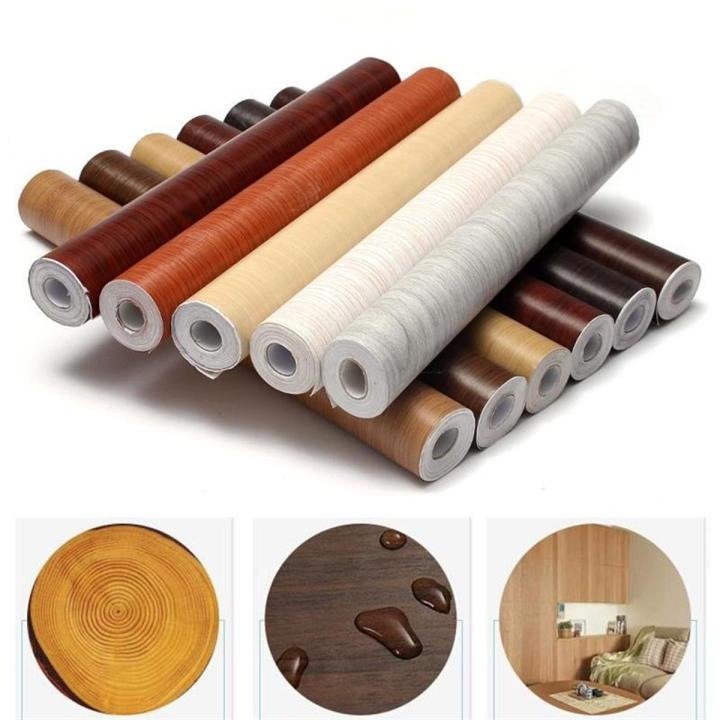




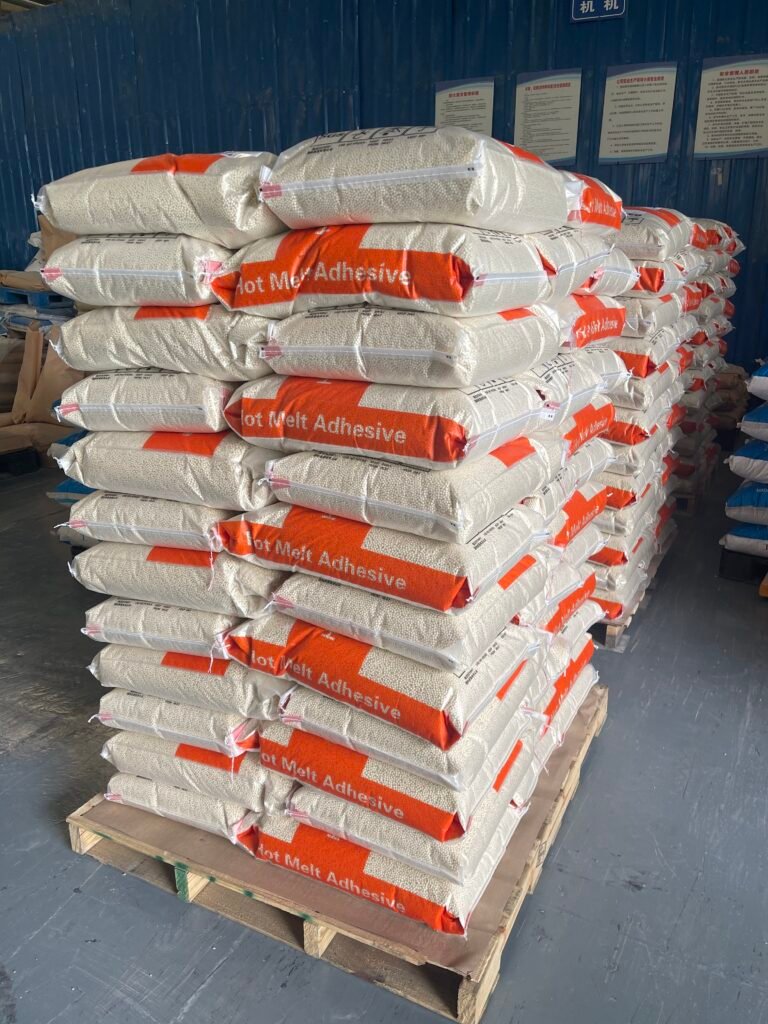
Furniture Edge Banding Adhesive mainly includes PUR and EVA hot melt adhesives, tailored for bonding edge banding to furniture panels. PUR offers strong adhesion (≥10N/mm²), temperature/water resistance (-30℃ to 120℃), ideal for high-end materials like wood veneer. EVA features fast curing (3-5s), cost-effectiveness, suitable for PVC/melamine edge banding in bulk production.
Culprit 1: Improper Furniture Edge Banding Adhesive Selection and Application Issues
Problem Analysis
Adhesive serves as the core of the edge banding process, yet many furniture manufacturers often overlook its scientific selection. Common issues include: firstly, adhesive-substrate mismatch, where different substrates (such as particleboard, MDF, and solid wood) require distinct adhesive penetration and bonding characteristics. Secondly, improper hot melt adhesive temperature control can arise, where excessive temperature causes adhesive charring and loss of tack, while insufficient temperature results in poor flow and inadequate bonding.
Thirdly, incorrect adhesive layer thickness is a frequent problem: if too thin, it fails to form an effective bond; if too thick, it leads to slow cooling and early displacement. Lastly, unstable adhesive quality poses a risk, as low-quality adhesives often exhibit poor heat and moisture resistance, leading to premature aging and bonding failure.
Solutions
- Establish a scientific adhesive selection system:
- Develop specialized adhesive standards for different substrates.
- Reference international standards such as European EN 204:2016 and American ASTM D 5751.
- Use weather-resistant modified polymer hot melt adhesives for high-temperature, high-humidity environments.
- Implement precise process control:
- Invest in edge banding equipment with digital temperature control systems.
- Establish adhesive temperature monitoring records, controlling deviations within ±5°C.
- Maintain adhesive layer thickness at 0.1-0.3mm and pressure at 3-5 kg/cm².
- Supplier Quality Management:
- Choose adhesive suppliers with ISO certifications.
- Conduct small-scale tests for each batch, recording heat and moisture resistance data.
- Establish adhesive storage protocols (light-proof, constant temperature, dry environment).

Culprit 2: Substrate Preparation and Environmental Factors
Problem Analysis
The quality and preparation of the substrate itself directly affect edge banding results. Key issues include: firstly, poor substrate edge quality, such as rough cuts, burrs, or dust residue, which reduces the effective bonding surface area. Secondly, unstable substrate moisture content is problematic, where excessive moisture content (exceeding 10%) disrupts adhesive curing, while too little moisture causes excessive adhesive absorption. Thirdly, uncontrolled ambient temperature and humidity can lead to complications; specifically, a production environment with humidity exceeding 70% or temperature below 15°C may cause abnormal adhesive curing. Lastly, dust contamination is a concern, where workshop dust settling on the substrate edges or the bonding surface of the edge banding tape compromises the bond integrity.
Solutions
- Standardize substrate pre-treatment:
- Add a fine sanding step after cutting to ensure edge flatness.
- Use compressed air cleaning systems to thoroughly remove dust from substrate edges.
- Implement moisture content monitoring, maintaining an ideal range of 8-10%.
- Build environmental control systems:
- Maintain workshop temperature at 20-25°C and humidity at 50-65%.
- Install air conditioning/dehumidification systems and positive pressure dust removal units.
- Effectively separate work areas from non-production zones to reduce cross-contamination.
- Innovate pre-band treatment:
- Consider using primers to improve adhesion on specific substrates.
- For high-density substrates, employ edge pre-heating techniques (40-50°C).
- Implement a first-article inspection system to verify process parameters before each batch.
Culprit 3: Edge Banding Process and Equipment Issues
Problem Analysis
Even with ideal materials and environment, improper processes and equipment can still cause edge banding failure. The primary issues include: firstly, insufficient or uneven pressure from the edge banding machine, which leads to inadequate contact on the bonding surface. Secondly, insufficient curing time, where subsequent processing is performed too soon, resulting in bond failure. Thirdly, operational problems such as pressure roller wear or misalignment. Fourthly, a mismatch between conveyor speed and applied pressure during the bonding process. Fifthly, the lack of effective trimming and polishing steps after edge banding. Finally, inadequate equipment maintenance, which leads to decreased precision of key components over time.
Solutions
- Equipment Optimization and Upgrades:
- Choose edge banding equipment with segmented pressure control systems.
- Add post-curing areas to ensure complete bonding (recommended curing time >24 hours).
- Regularly calibrate equipment pressure, temperature, and speed parameters.
- Refine Process Parameters:
- Establish a database of process parameters for different edge banding tape thicknesses.
- Implement an integrated control system for “pressure-speed-temperature”.
- Add fine trimming and polishing steps to eliminate internal stress.
- Equipment Maintenance System:
- Develop daily, weekly, and monthly equipment inspection checklists.
- Regularly replace key components (pressure rollers, heating plates, glue application rollers).
- Provide professional training and certification for operators.

Industry Best Practices: Building a Zero-Defect Edge Banding System
Comprehensive Quality Control System
- Three-Stage Inspection System:
- Incoming inspection: Testing of substrates, edge banding tape, and adhesives upon arrival.
- In-process control: Sampling and testing edge banding strength every 2 hours.
- Finished product testing: Peel strength test after 48 hours of curing.
- Compliance with International Standards:
- Refer to standards like ANSI/KCMA A161.1 for cabinet performance.
- Edge banding peel strength should achieve >2.5 N/mm (European standard).
- Heat and humidity resistance test: No adhesive failure after 240 hours at 40°C and 95% humidity.
Technological Innovation and Application
- Laser Edge Banding Technology:
- Seamless, glue-free integrated edge banding that completely solves traditional issues.
- High initial investment but significant long-term returns, especially suitable for high-end product lines.
- Combine with traditional edge banding to create a differentiated product matrix.
- Intelligent Monitoring Systems:
- Install online infrared temperature measurement systems for real-time adhesive temperature monitoring.
- Use pressure sensors to ensure even pressure application.
- Network data analysis for predictive equipment maintenance.
Supply Chain Collaborative Management
- Supplier Co-development:
- Jointly develop specialized products with adhesive suppliers.
- Involve edge banding tape suppliers early in new product design.
- Establish a joint validation process for material changes.
- Customer Education and Collaboration:
- Provide product installation and maintenance guides.
- Offer usage recommendations for different climatic regions.
- Establish a rapid response mechanism to address field issues.
Strategic Recommendations for Furniture Export Businesses
In the international market, edge banding quality has become a key indicator for buyers to assess a supplier’s professionalism:
- Certification and Standardization:
- Obtain internationally recognized board and furniture certifications (CARB, FSC, GREENGUARD).
- Establish enterprise edge banding standards that exceed customer expectations.
- Clearly label edge banding processes and quality parameters in product catalogs.
- Differentiated Marketing Strategy:
- Position edge banding craftsmanship as a key product quality selling point.
- Create demonstration videos and comparative samples showcasing the edge banding process.
- Highlight relevant features for different markets (e.g., eco-focus for Northern Europe, heat-resistance for the Middle East).
- Culture of Continuous Improvement:
- Build a case library of edge banding issues for regular analysis.
- Encourage frontline employees to suggest process improvements.
- Conduct a comprehensive annual evaluation and upgrade of edge banding processes.
Conclusion: Excellent Edge Banding is a Core Competitiveness in Furniture Manufacturing
The issue of furniture edge banding adhesive failure may seem like a detail, but it actually reflects a company’s comprehensive manufacturing capabilities. By scientifically analyzing the three major culprits—adhesive issues, substrate/environmental factors, and process/equipment defects—and implementing systematic solutions, furniture manufacturers can not only solve immediate quality problems but also build lasting competitive advantages in the market.
For export businesses, consistent edge banding quality means fewer after-sales issues, higher customer satisfaction, and stronger brand premium potential. In today’s increasingly competitive global landscape, Chinese enterprises that excel in “invisible details” like edge banding craftsmanship will earn respect and achieve sustained commercial success in the international market.
Investing in excellent edge banding processes is not just about solving technical problems; it is a strategic move to build the core competitiveness of a furniture manufacturing enterprise.Starting today, re-examine your edge banding process, transform it into a product highlight and marketable feature, and let every piece of furniture become a representative work of exquisite craftsmanship.