


Selecting the perfect adhesive for manufacturing or assembly is a critical decision that directly impacts product quality, durability, and production efficiency. For producers of furniture, cabinetry, and office products,hot melt adhesives have become a cornerstone technology, offering fast setting speeds, strong bonds, and versatility. However, with a vast array of formulations available, choosing the incorrect one can lead to joint failures, production slowdowns, and costly rework. This comprehensive guide will walk you through the essential factors to consider when selecting the right hot melt adhesive for your specific application, ensuring your products are built to last.
Understanding Hot Melt Adhesives: The Basics
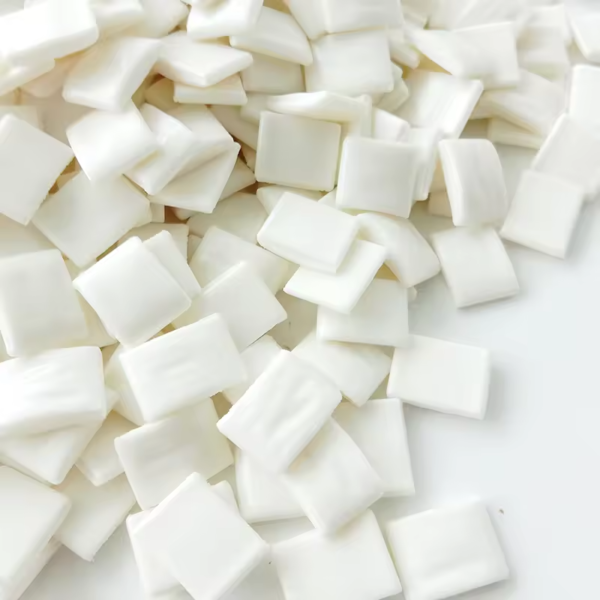
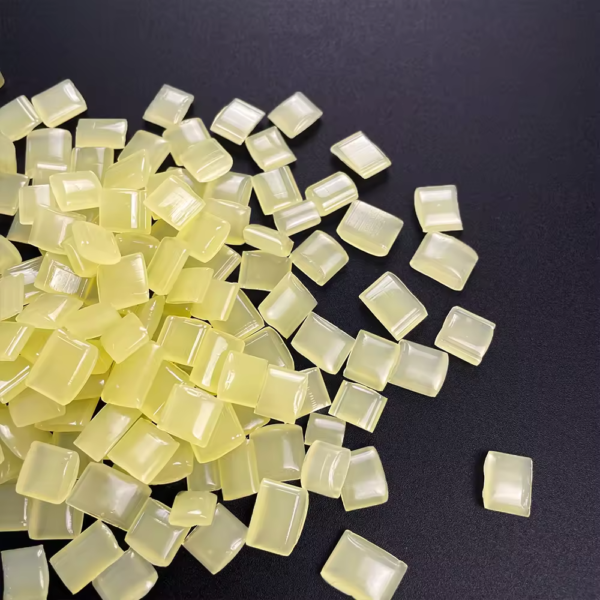
Hot melt adhesives(HM As) are 100% solid thermoplastics that are heated to a liquid state for application and then solidify upon cooling to form a bond. This phase change happens rapidly, enabling high-speed assembly and immediate handling strength—a key advantage in fast-paced manufacturing environments. Their composition typically includes polymers (the primary bonding agent), resins (for tack and adhesion), and plasticizers or waxes (to control viscosity and open time).
For wood-based industries,hot melt adhesives offer distinct benefits over traditional liquid glues: they eliminate solvent drying times, reduce clamping needs, provide excellent gap-filling properties for imperfect surfaces, and create clean, low-odor bonds ideal for indoor products.
Key Factors to Consider When Choosing Your Hot Melt Adhesive
1. Material Substrates: What Are You Bonding?
The primary determinant of your choice is the material composition of the parts you are joining.
- Wood & Engineered Wood:This includes solid wood, plywood, MDF, particleboard, and HDF.Hot melt adhesives for these materials must penetrate porous surfaces effectively. For laminated surfaces or veneers, adhesives with lower application temperatures are crucial to prevent “show-through” or bubbling.
- Plastics & Composites:Office furniture and modern cabinets often incorporate plastics like ABS, PVC, polypropylene, or fiberglass composites. Bonding these can be challenging due to their low surface energy. You may require a specialized hot melt adhesive formulated with additives to enhance adhesion to these non-porous surfaces.
- Metals & Hardware:For bonding edge banding with metal finishes, attaching hardware guides, or combining metal trim, an adhesive with exceptional ultimate strength and thermal resistance is necessary.
- Fabrics & Foams: Found in office chairs and upholstered furniture, bonding these materials requires flexible, low-melt hot melt adhesives that are specifically formulated to maintain the material’s softness and prevent issues such as stiffening the fabric or foam or causing undesirable soak-through.
- Combinations (Assemblies):Most products involve bonding dissimilar materials (e.g., wood to plastic, metal to laminate). Your hot melt adhesive must be compatible with both substrates, creating a cohesive “bridge” between them.

2. Performance Requirements: What Does the Bond Need to Withstand?
The performance requirements of the product are determined by its end-use environment.
- Heat Resistance: Will the product be exposed to high temperatures? Examples include kitchen cabinets near ovens, office furniture positioned close to radiators, or items intended for use in hot climates. In such cases, a hot melt adhesive with a high softening point—such as high-performance polyamide or reactive polyurethane hot melt adhesives—is essential to prevent creep or bond failure.
- Moisture & Water Resistance: For applications like kitchen and bathroom cabinets, or furniture used in humid climates, excellent moisture resistance is critical. Standard EVA-based hot melt adhesives may deteriorate under these conditions. It is advisable to select formulations specifically labeled as water-resistant or waterproof, such as certain polyolefin or reactive hot melt adhesives.
- Flexibility and Impact Resistance: Products subject to movement, stress, or impact—such as mechanisms in reclining chairs, drawer slides, or portable office partitions—require a flexible bond. Rigid adhesives may fracture under stress, while flexible formulations, typically based on block copolymers, help maintain adhesive integrity.
- Load-Bearing Strength: Consider the structural role of the bond. Decorative trim demands less strength compared to load-bearing joints in bookshelves or desk leg attachments. Clearly define whether high ultimate tensile strength, shear strength, or peel strength is needed.
3. Production Process & Application Parameters
Your manufacturing setup is a critical practical constraint that directly influences adhesive choice. Open Time, the critical window between adhesive application and part assembly, is a primary consideration: for simple, automated assembly of small parts, a short open time (3-10 seconds) is ideal, while for complex, manual assembly of large components like attaching a cabinet back panel, a long open time (60 seconds or more) is essential for proper positioning. Set Speed, or how quickly the adhesive develops handling strength after assembly, is equally important: high-volume factories with conveyor lines require a very fast set speed (seconds), whereas custom or lower-volume workshops can use slower-setting adhesives.
Additionally, the Application Method & Equipment must be matched to the adhesive: glue guns, used for repairs, small-scale assembly, or prototyping, require handgun-grade hot melt adhesive sticks; tank melters and roller coaters, used for edge banding, require specific adhesives formulated for that continuous process; and extrusion or bead application, common in assembly lines for frame construction, drawer assembly, or panel lamination, demands careful attention to adhesive viscosity. Finally, Application Temperature is crucial, as every hot melt adhesive has a recommended temperature range—exceeding it risks degradation, smoke, and charring, while applying it too low results in high viscosity, poor flow, and inadequate wetting, making it essential that your melting equipment maintains the required temperature consistently.
4. Regulatory & Aesthetic Considerations
- VOC Emissions & Safety:For indoor furniture and cabinetry, low-VOC, odorless formulations are important for indoor air quality. Look for certifications like GREENGUARD or compliance with CARB regulations.
- Color & Clarity:If the bond line might be visible (e.g., in clear acrylic assemblies or light-colored wood joints), choose a transparent, tan, or color-matched adhesive. Standard white or opaque adhesives may be acceptable for hidden joints.
- Certifications:Specific industries may require adhesives that meet certain fire safety (e.g., UL94), durability (e.g., DIN EN 204), or overall quality management standards.

Guide to Common Hot Melt Adhesive Types for Your Industry
Here’s a breakdown of common polymer types used inhot melt adhesivesand their typical applications in furniture and office products:
- EVA (Ethylene Vinyl Acetate):The most common and cost-effective type. Offers good general adhesion to porous materials like wood and is easy to process. Best for non-structural, interior applications where high heat or moisture resistance is not required (e.g., temporary assemblies, lightweight decorative trim, some packaging).
- PA (Polyamide):Excellent high-temperature resistance (often above 100°C) and good chemical resistance. They offer strong, tough bonds.Ideal for demanding applications such as countertop edge banding, bonding hardware, and components exposed to warm environments.
- PO (Polyolefin):Known for excellent adhesion to low-surface-energy plastics (like PP and PE) and good moisture resistance. Often used in furniture incorporating plastic componentsor for bonding certain laminates and foils.
- PUR (Reactive Polyurethane):This is a premium category. Liquid upon application, they react with atmospheric moisture to cure, forming a cross-linked, thermoset polymer. The result is an extremely strong, flexible, and durable bond with outstanding heat and moisture resistance.Ideal for high-stress structural applications for indoor-exterior level furniture, such as bonded load-bearing joints, outdoor cabinets, or high-humidity bathroom vanities.
- APAO/APACS (Amorphous Poly Alpha Olefin):Offer long open times, good flexibility, and low application temperatures. Excellent for heat-sensitive substrates like vinyl laminates and foils, as well as for bonding fabrics and foams in upholstered furniture.
The Importance of Testing and Partnering with Suppliers
Laboratory data sheets provide a starting point, but real-world testing is indispensable. Always conduct trials using your specific materials, surface preparations, and production conditions. Reputable hot melt adhesive suppliers offer technical support and sample materials for testing. Leverage their expertise—they can help you navigate the complex landscape and recommend the most cost-effective and performance-optimized solution for your unique needs.
Conclusion: The Bond That Builds Your Reputation
In the competitive markets of furniture, cabinetry, and office products, quality is perceived in every detail—especially in the integrity of the construction. The right hot melt adhesiveis an invisible yet fundamental component of your product’s longevity and customer satisfaction. By systematically evaluating your substrate materials, performance requirements, and production workflow, you can move beyond guesswork and make an informed, strategic choice. Investing time in selecting the optimal hot melt adhesive pays dividends in reduced waste, streamlined production, and, most importantly, a superior product that stands the test of time and use.