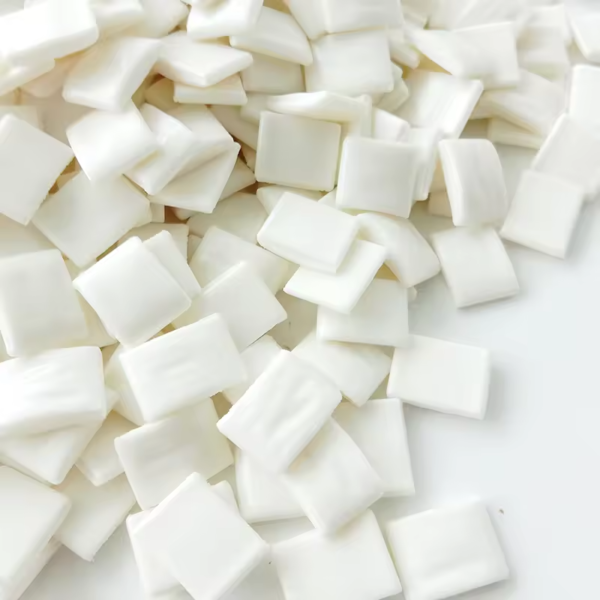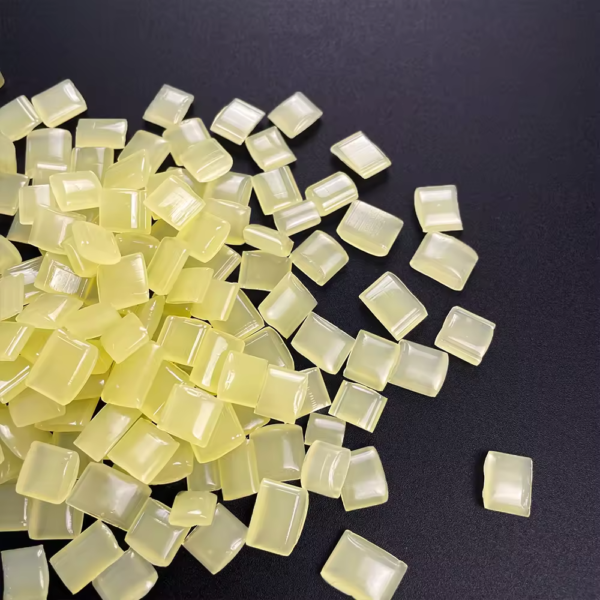


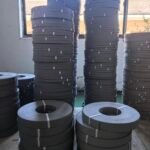
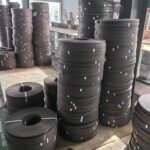
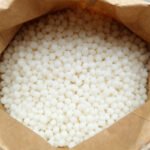
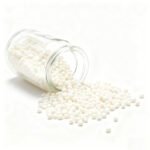
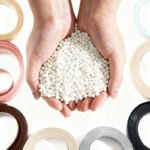
In the woodworking and furniture manufacturing sector, edge banding serves as a vital procedure that boosts product sturdiness, visual appeal, and structural reliability. Among all bonding materials applied in this process, eva hot melt glue stands out as the most extensively utilized and cost-efficient option, particularly in large-scale production settings. As a multi-functional thermoplastic adhesive, eva hot melt glue for edge banding delivers exceptional compatibility with diverse edge band materials, straightforward operation, and consistent performance, making it the top pick for manufacturers across the globe. This article delves into the core value, material-specific applications, and practical benefits of EVA hot melt glue in edge banding workflows.
I. Key Traits of EVA Edge Banding Adhesives
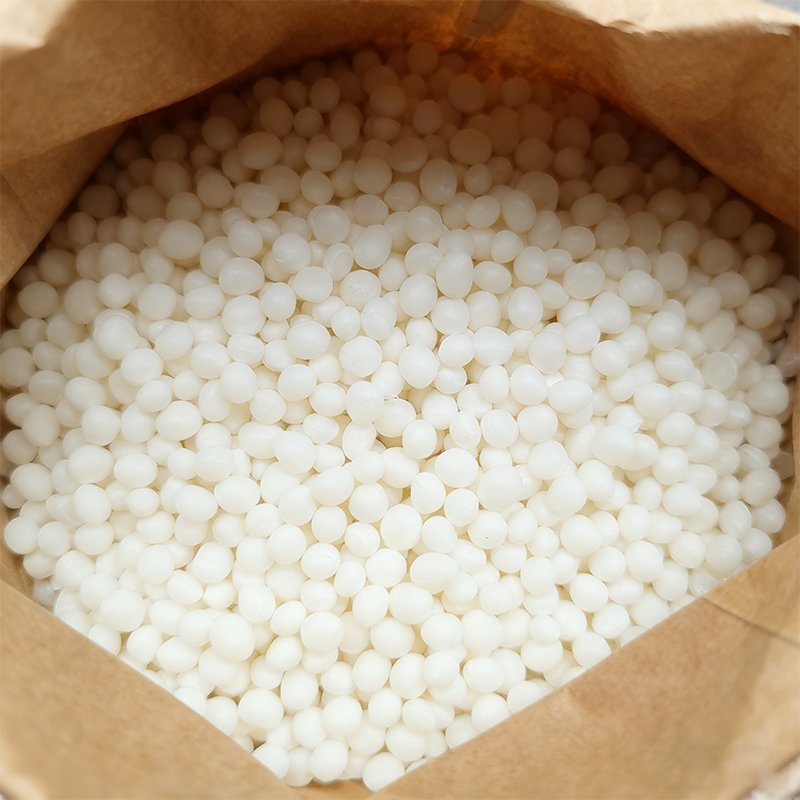
EVA edge banding adhesive—technically referred to as EVA edge banding hot melt adhesive—is a thermoplastic bonding agent based on ethylene-vinyl acetate (EVA) copolymer. Its operational principle relies on physical melting and cooling: when heated to 150-180°C, solid eva hot melt glue turns into a fluid state, wets the surfaces of substrates and edge bands, and forms a secure bond as it cools and solidifies. This unique mechanism grants it several crucial advantages for edge banding tasks.
Firstly, it features a rapid bonding rate, with initial setting time within 3-5 seconds, perfectly aligning with high-speed edge banding production lines. Secondly, it boasts strong versatility, adhering effectively to both porous substrates (such as MDF, particleboard, and plywood) and non-porous edge band materials. Thirdly, EVA hot melt edge banding glue is user-friendly, requiring only standard hot melt applicators without specialized equipment, which significantly cuts down manufacturers’ initial investment costs. Moreover, it maintains stable performance within a broad temperature range (80-120°C) and meets global low-VOC environmental norms, making it suitable for indoor furniture manufacturing.
II. Material-Specific Uses of EVA Hot Melt for Edge Banding
The ability of eva hot melt glue for edge banding to adapt to various edge band materials is one of its core competitive strengths. Manufacturers can choose targeted formulations based on the edge band material to ensure optimal bonding results and product quality. Below are the key applications for common edge band materials:
2.1 EVA Hot Melt for PVC Edge Banding
EVA hot melt for PVC edge banding forms the most widely adopted combination in mid-range furniture production. PVC edge bands are favored for their affordability, rich color options, and wear resistance, and EVA hot melt glue complements these traits perfectly. The adhesive’s moderate viscosity ensures excellent wettability on the smooth surface of PVC, preventing edge lifting or bubbling. This pairing is commonly used in office cabinets, living room furniture, and kitchen cabinets (in dry environments), striking a balance between cost and durability.
2.2 EVA Hot Melt for Melamine Edge Banding
EVA hot melt for melamine edge banding is engineered for high-hardness, scratch-resistant melamine edge bands. Melamine edge bands have a dense surface that demands adhesives with strong penetration and quick setting capabilities. EVA hot melt glue formulations for this material feature optimized viscosity and melting points, ensuring firm bonding without damaging the melamine layer. This combination is widely employed in mass production of modular furniture and cabinetry, where both aesthetics and production efficiency are prioritized.
2.3 EVA Hot Melt for ABS Edge Banding
EVA hot melt for ABS edge banding is tailored for ABS edge bands, which are known for their impact resistance and high-temperature tolerance. ABS edge bands are often used in children’s furniture and products subject to frequent use, and the corresponding EVA hot melt glue offers enhanced flexibility to adapt to slight deformations of ABS. The adhesive forms a tight bond that resists impact and vibration, ensuring long-term stability of the edge band.
2.4 EVA Hot Melt for Acrylic Edge Banding
EVA hot melt for acrylic edge banding caters to high-gloss acrylic edge bands, a popular choice in premium furniture and decorative panels. Acrylic edge bands are sensitive to high temperatures, so the EVA hot melt glue used here is typically a low-temperature formulation (120-140°C), avoiding yellowing or warping of the acrylic surface. The adhesive’s clear curing effect also preserves the high-gloss aesthetic of acrylic, making it ideal for high-end interior decoration projects.
2.5 EVA Hot Melt for Wood Veneer Edge Banding
EVA hot melt for wood veneer edge banding is designed for natural wood veneer edge bands, which are valued for their authentic wood grain and texture. Wood veneers are thin and heat-sensitive, so low-temperature EVA hot melt glue is essential to prevent thermal damage. The adhesive’s gentle bonding process retains the veneer’s natural appearance while ensuring sufficient bond strength, making it a staple in high-end solid wood furniture and custom cabinetry manufacturing.
III. Practical Advantages and Usage Tips for EVA Hot Melt Glue in Edge Banding
As a mature edge banding solution, eva hot melt glue offers irreplaceable value for manufacturers, but proper usage is key to maximizing its performance. Below are its core application advantages and critical usage considerations:
3.1 Core Application Advantages
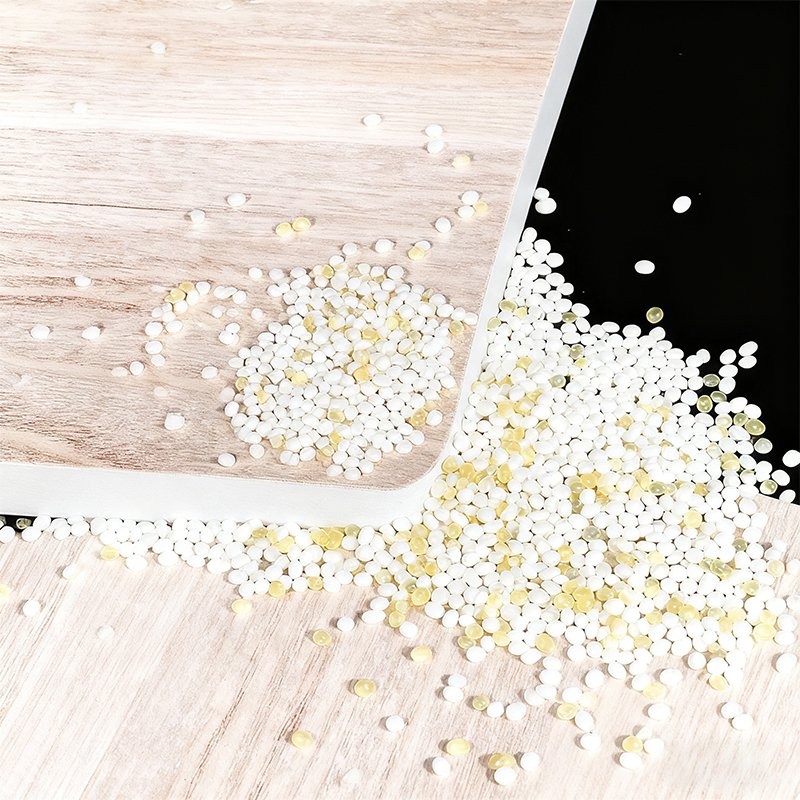
Beyond material versatility, EVA hot melt for edge banding excels in cost control—its raw material cost is 30-50% lower than that of PUR hot melt adhesives, making it ideal for mass production. It also boasts excellent storage stability, with a shelf life of 6-12 months under sealed conditions, reducing inventory waste. Additionally, EVA hot melt glue is easy to repair: if edge lifting occurs, reheating the affected area can reactivate the adhesive, simplifying post-processing workflows.
3.2 Key Usage Considerations
To ensure optimal bonding results, manufacturers should focus on three key points: First, control the processing temperature—150-160°C for standard EVA formulations, and 120-140°C for low-temperature variants (for wood veneer and acrylic). Excessively high temperatures may degrade the adhesive, while low temperatures reduce fluidity. Second, ensure the cleanliness of substrates and edge bands: remove dust, oil, and moisture from surfaces to avoid bonding failure. Third, match the adhesive viscosity to the edge banding speed—high-speed production lines require lower viscosity to ensure uniform application.
IV. Get Customized EVA Hot Melt Glue Solutions for Your Edge Banding Needs
Whether you’re producing mid-range furniture, high-end custom cabinetry, or specialized decorative panels, our EVA hot melt glue series offers targeted formulations for every edge band material. We provide eva hot melt glue for edge banding in various viscosities and melting points, with low-VOC and eco-friendly options to meet global environmental standards. To help you optimize production efficiency and product quality, we offer free samples, technical guidance, and customized formula development. Fill out the form below to get in touch with our experts and start your personalized solution journey:
Free Consultation & Sample Application Form
Submit this form, and our technical team will contact you within 24 hours to provide free sample testing and a tailored solution plan!
With years of experience in formulating EVA edge banding adhesives, we are committed to delivering high-quality, cost-effective products that drive your production efficiency. Let’s work together to elevate your furniture edge banding quality and gain a competitive edge in the market!