



1. Introduction
1.1 The Importance of Edge Bandings in Furniture Manufacturing
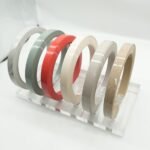
As a crucial component in furniture production, edge bandings play a decisive role in determining both the overall quality and aesthetic appeal of furniture products. In modern furniture manufacturing, edge bandings not only function to protect the cross-sections of boards, preventing edge cracking and moisture damage, but also serve decorative purposes to enhance product grade. High-quality edge bandings can effectively block the release of harmful gases such as formaldehyde, extend the service life of furniture, and enable personalized furniture design through a wide range of color and texture options.
From a functional perspective, precise edge banding design can prevent water and other liquids from penetrating into the board, avoiding tabletop swelling, deformation, and bacterial growth, thereby prolonging the service life of office furniture. Meanwhile, furniture with edge banding is much easier to clean. Aesthetically, high-quality edge bandings can enhance the overall look of furniture—they must not only bond firmly and smoothly with the board edges but also avoid defects such as base exposure, edge chipping, or excessive gaps at the joints with other surfaces, ensuring a natural, smooth, and seamless transition.
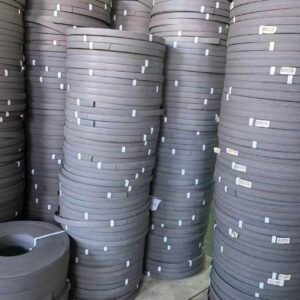
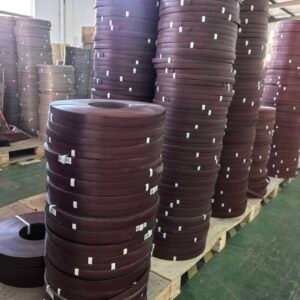
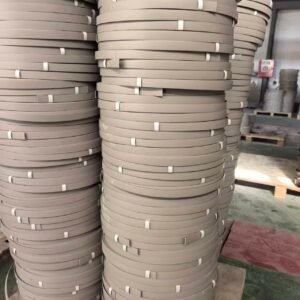
1.2 Application Fields of the Three Types of Edge Bandings
PVC, ABS, and melamine edge bandings each have unique advantages and applicable scenarios in furniture manufacturing. Due to their cost-effectiveness and excellent processability, PVC edge bandings are widely used in various types of furniture production, particularly dominating the fields of panel furniture, cabinets, and wardrobes. ABS edge bandings, with their superior impact resistance, heat resistance, and environmental performance, are mainly applied in high-end furniture, commercial space furniture, and custom furniture with high quality requirements. Melamine edge bandings, thanks to their fire resistance, moisture resistance, and wear resistance, are especially suitable for furniture in special environments such as kitchens and bathrooms, as well as public space furniture that requires fire-proof performance.
In terms of market distribution, PVC edge bandings account for approximately 65-70% of the mainstream market due to their cost advantage. Their light weight and easy processability make them a common choice for custom furniture. Although ABS edge bandings are more expensive, they have irreplaceable advantages in the high-end furniture market and special application scenarios. Melamine edge bandings are primarily used in furniture products with special requirements for fire and moisture resistance, such as kitchen cabinets and bathroom vanities.
1.3 Comparison of Basic Properties of the Three Materials
PVC (Polyvinyl Chloride) is one of the most versatile plastics in the world. Its chemical structure contains chlorine atoms, making it inherently more fire-resistant than ABS. PVC edge bandings are highly regarded for their flexibility, which allows them to adhere seamlessly to curves and corners, making them an excellent choice for furniture with complex designs or shapes. Additionally, their cost-effectiveness and availability in various finishes (e.g., high-gloss, matte, and wood grain) make them the preferred material for large-scale production.
ABS (Acrylonitrile-Butadiene-Styrene) is a thermoplastic polymer known for its toughness and impact resistance, composed of three main components: acrylonitrile, butadiene, and styrene. Acrylonitrile enhances chemical resistance, butadiene provides flexibility, and styrene improves durability and rigidity. This unique combination gives ABS an excellent balance of strength and flexibility. Unlike some other materials, ABS edge bandings do not contain any fillers (such as calcium carbonate), resulting in smooth, bright rounded edges after trimming and strong surface impact resistance.
Melamine edge bandings are mainly composed of melamine-formaldehyde resin, featuring wear resistance, fire resistance, oil resistance, moisture resistance, and acid-alkali resistance. They also exhibit excellent flexibility, strong adhesion after bonding, and are not easy to fall off. The molecular structure of melamine consists of a triazine ring (C₃N₃) and three amino groups (-NH₂), forming a rigid hexagonal framework with strong covalent bonds, contributing to its high nitrogen content (66%) and cross-linking potential.
In terms of physical properties, PVC has a density of 1.35-1.45 g/cm³, no fixed melting point, softens at 80-85°C, turns viscoelastic at 130°C, and transitions to a viscous flow state at 160-180°C. ABS has a density of approximately 1.05 g/cm³, a molding shrinkage rate of 0.4-0.7%, and a molding temperature of 200-240°C. Melamine has a density of 1.574 g/cm³, a melting point of 345-347°C (decomposition), and a thermal stability of up to 160°C.
2. Production Process of PVC Edge Bandings
2.1 Raw Material Preparation
Raw material preparation is the foundational step in the entire production process of PVC edge bandings, directly influencing the quality and performance of the final product. The main raw materials include PVC resin, plasticizers, stabilizers, fillers, modifiers, etc. The selection and proportion of each component need to be precisely controlled according to the specific requirements of the product.
Selection and Treatment of PVC Resin
PVC resin serves as the base material for edge bandings, typically adopting suspension-polymerized PVC resin with a K value of 65-70 and an average degree of polymerization of 1000-1300. In actual production, the dosage of PVC resin is generally 40-60 parts by weight, depending on the product performance requirements. During raw material preparation, strict quality inspection of PVC resin is necessary, including testing indicators such as particle size distribution, bulk density, and volatile content.
Configuration of Plasticizer System
Plasticizers are key components affecting the flexibility and processability of PVC edge bandings. Common plasticizers include dioctyl phthalate (DOP), diisononyl phthalate (DINP), and epoxidized soybean oil. The dosage of plasticizers is generally controlled at 12-16 parts by weight according to the product’s hardness requirements. In a 3:1 formula system, the dosage of DOP is usually 2-10 parts, adjusted based on the desired flexibility of the product. The selection of plasticizers needs to consider compatibility with PVC resin, volatility, and migration resistance.
Design of Stabilizer System
Heat stabilizers are essential additives to prevent PVC degradation during processing. Common stabilizers include calcium-zinc composite stabilizers, organotin stabilizers, and rare earth stabilizers, with a typical dosage of 2-4 parts by weight. In practical production, calcium-zinc composite stabilizers are widely used due to their excellent environmental performance. In addition to primary stabilizers, auxiliary stabilizers such as antioxidants and ultraviolet absorbers are added to improve the product’s weather resistance and service life.
Addition of Fillers and Modifiers
Nano-calcium carbonate is the main filler, with a dosage of 10-20 parts by weight and a particle size controlled within 60-100 nm. The addition of nano-calcium carbonate can improve product hardness and reduce costs, but excessive addition will affect product toughness. Modifiers mainly include acrylate elastomer emulsion (30-40 parts by weight) and impact modifier MBS (2-6 parts by weight), which can significantly enhance the toughness and impact resistance of edge bandings.
Function of Other Additives
In addition to the above main components, lubricants (such as stearic acid and PE wax), colorants, and anti-aging agents are also added. The dosage of lubricants is generally 0.25-0.6 parts by weight, mainly used to reduce friction during processing and improve product surface finish. The selection of colorants needs to consider light resistance, heat resistance, and dispersibility to ensure color stability of the product.

2.2 Mixing and Granulation
Mixing and granulation are key processes that uniformly blend various raw materials and produce granular materials suitable for extrusion molding. This process directly affects the stability of subsequent processing and the consistency of product quality.
High-Speed Mixing Process
The mixing process is usually carried out using a high-speed mixer. PVC resin, plasticizers, stabilizers, fillers, and other raw materials are added to the mixer in proportion to the formula. The mixing process is divided into two stages: first, pre-mixing is performed under high-speed stirring (800-1100 r/min) at a temperature of 110-125°C for 15-25 minutes, allowing various additives to fully melt and blend uniformly with PVC resin. Then, cooling mixing is conducted at low speed (10-30 r/min), reducing the material temperature to below 40°C to prevent PVC resin degradation at high temperatures.
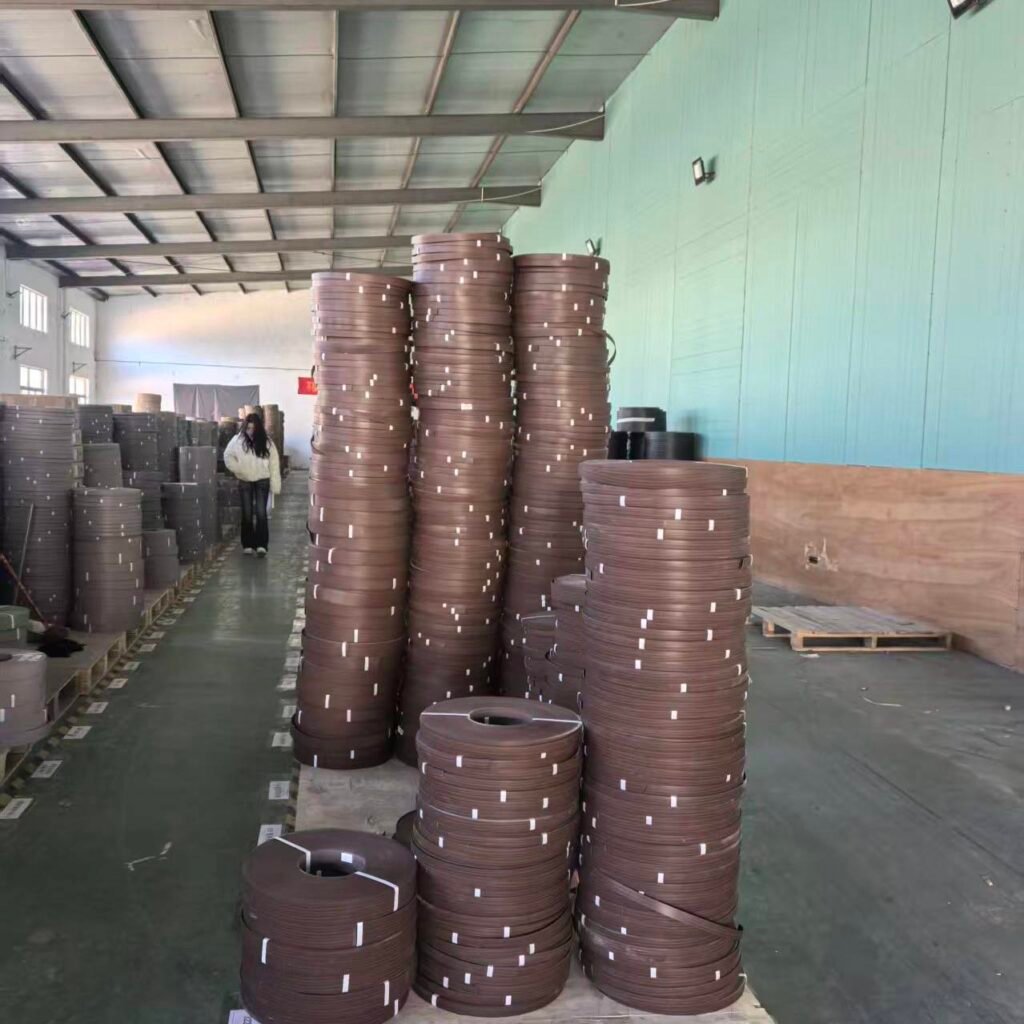
In actual production, the mixing speed is preferably 1220-1400 r/min, more preferably 1350 r/min, and the mixing time is preferably 25 minutes. During high-speed mixing, it is necessary to strictly control the temperature rise rate to avoid local overheating leading to material decomposition. At the same time, ensure that all additives are fully dispersed, especially fillers and colorants, which must be uniformly distributed; otherwise, the appearance and performance of the product will be affected.
Twin-Screw Extrusion Granulation
The mixed materials are fed into a twin-screw extruder through a screw feeder for granulation. Twin-screw extruders offer excellent mixing effects and conveying capacity, ensuring uniform plasticization of materials. The setting of extruder process parameters is crucial: the feeding speed is controlled at 430-460 r/min, and the extrusion speed is 550-600 r/min.
Temperature control is set in sections: Zone 1 at 205-210°C, Zone 2 at 215-220°C, Zone 3 at 225-230°C, Zone 4 at 220-225°C, die plate at 220-225°C, and mold at 220-230°C. During extrusion, the materials are conveyed forward by the screws, while being subjected to shearing and extrusion, further uniformly mixing and initially plasticizing various components.
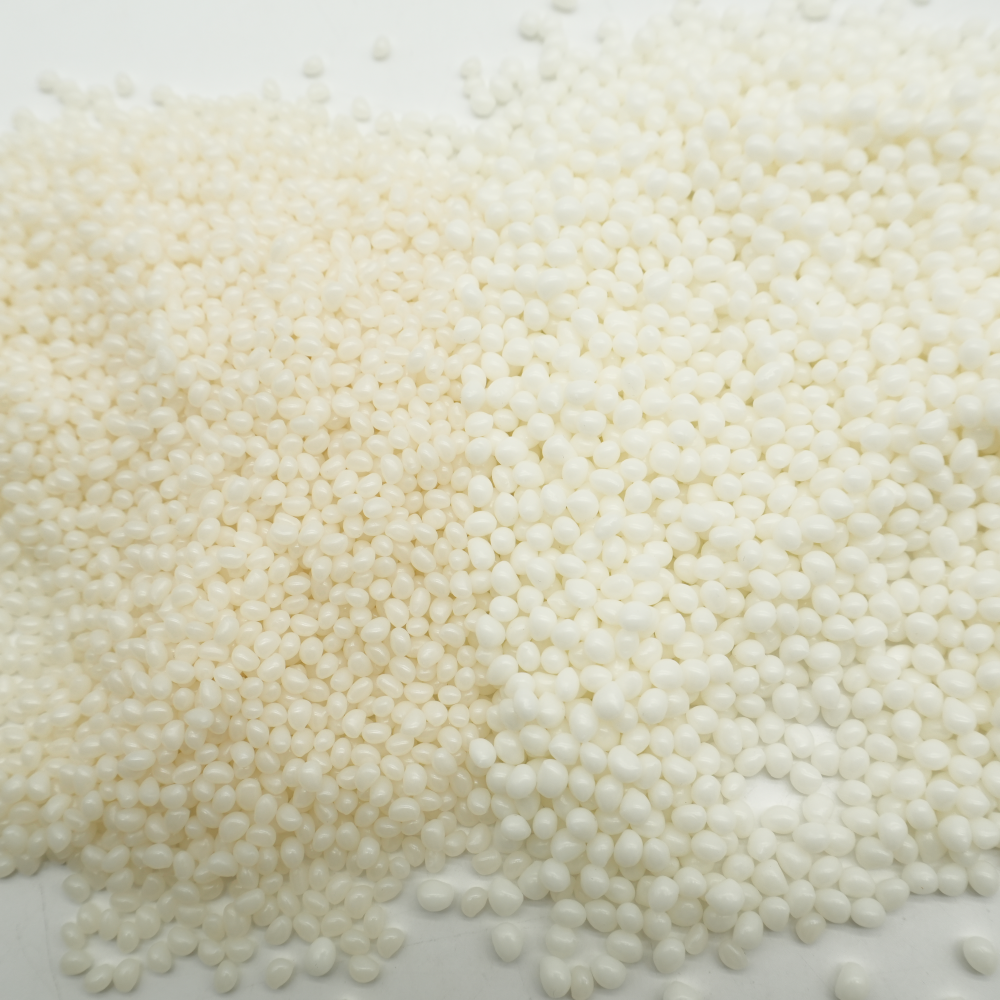
The extruded strands are cooled in a water tank and then cut into uniform granules by a granulator. During granulation, it is necessary to match the pelletizing speed with the extrusion speed to ensure uniform particle size. The produced PVC masterbatch needs to be sieved to remove oversized or undersized particles, then packaged and stored for subsequent processing.
2.3 Extrusion Molding
Extrusion molding is the core process of PVC edge banding production, where PVC masterbatch is heated and melted in an extruder and formed into the desired edge banding shape through a specific mold.
Configuration of Single-Screw Extruder
Extrusion molding usually adopts a single-screw extruder, with the model selected according to product specifications and output requirements. The screw diameter of the extruder is generally 45-65 mm, the length-diameter ratio (L/D) is 25-30:1, and the compression ratio is 2.5-3.5:1. To ensure stable extrusion of materials, a drying and preheating device is installed at the bottom of the hopper, and the barrel adopts a vented structure to effectively remove moisture and volatile substances from the materials.
Control of Extrusion Process Parameters
The key to extrusion molding lies in temperature control and pressure adjustment. According to the characteristics of ABS materials, the barrel temperature is set as follows: rear zone (feeding section) at 160-180°C, middle zone (compression section) at 180-220°C, front zone (metering section) at 200-230°C, and nozzle temperature slightly lower than the front zone, approximately 200-220°C. In actual production, the extrusion speed is generally controlled at around 6 m/min.
The control of mold temperature is also important, generally set at 40-80°C. For high-precision plastic parts, the mold temperature should be 50-60°C; for high-gloss and heat-resistant plastic parts, the mold temperature should be 60-80°C. Temperature settings need to be adjusted according to specific product specifications, raw material formulas, and equipment characteristics to ensure the stability of the extrusion process and the consistency of product quality.
Design and Selection of Molding Molds
The molding mold of edge bandings is designed and manufactured according to the product shape and specifications. Common mold types include flat molds and special-shaped molds, which can produce edge bandings with various cross-sectional shapes such as T-shape, H-shape, D-shape, V-shape, and I-shape. The runner design of the mold needs to consider the flow characteristics of materials to ensure uniform filling of the mold cavity and avoid defects such as material shortage and bubbles.
Mold materials are generally high-quality tool steel, subjected to precision machining and heat treatment to ensure mold accuracy and service life. A temperature control system is installed inside the mold, which can adjust the mold temperature through circulating water or heat-conducting oil to ensure the molding quality of the product.
Quality Control During Extrusion
During extrusion, it is necessary to real-time monitor parameters such as extrusion temperature, pressure, and speed to ensure the stability of process conditions. At the same time, regularly inspect the appearance quality of extruded products, including surface finish, color uniformity, and cross-sectional dimensions. If quality problems are found, adjust process parameters or check equipment status in a timely manner.
The extruded edge bandings are pulled out at a constant speed by a traction device. The traction speed needs to match the extrusion speed, generally controlled within the range of 0.3-3 m/min. During traction, the dimensional accuracy and surface quality of the product can be controlled by adjusting the pressure and speed of the traction rollers.

2.4 Surface Treatment and Post-Processing
Surface treatment and post-processing are important links to improve the appearance quality and service performance of PVC edge bandings, mainly including printing, gluing, heat transfer printing and other processes.
Printing Process
Printing is the main method to achieve various decorative effects on PVC edge bandings. Common printing methods include gravure printing, screen printing, and digital printing. Before printing, the surface of edge bandings needs to be pre-treated to improve the adhesion of ink. During printing, the base color is first printed on the substrate surface, and then various patterns and textures are printed according to design requirements.
Modern printing technology can achieve high-precision, multi-color printing effects with a printing accuracy of over 600 dpi. Printing inks need to have good light resistance, heat resistance, and chemical resistance to ensure that the product does not fade or discolor during use. Printed products need to be dried at a temperature of generally 60-80°C, with the time determined by the ink type and coating thickness.
Gluing Process
Gluing is a key process to provide bonding performance on the back of edge bandings. Common adhesives include EVA hot-melt adhesive and PUR hot-melt adhesive. Before gluing, a primer layer needs to be applied to the back of edge bandings to improve the adhesion of the adhesive. The primer generally adopts acrylic paint, which is cured by UV to form, with good weather resistance and flexibility.
During gluing, the hot-melt adhesive needs to be heated to 120-180°C and uniformly coated on the back of edge bandings by a gluing machine. The gluing amount is generally controlled at around 35 g/m², and the gluing temperature should be maintained above 15°C to ensure the fluidity and bonding effect of the glue. After gluing, the edge bandings need to be cooled and shaped to solidify the glue layer, then rolled up and packaged.
Other Surface Treatment Technologies
In addition to printing and gluing, PVC edge bandings can also adopt surface treatment technologies such as heat transfer printing, film lamination, and embossing. Heat transfer printing technology can form various realistic decorative effects such as wood grain and stone grain on the surface of edge bandings. Film lamination technology adheres a decorative film to the surface of edge bandings, featuring rich patterns and bright colors. Embossing technology can form various three-dimensional textures such as leather grain and cloth grain on the surface of edge bandings, enhancing the product’s texture and decorativeness.
2.5 Quality Inspection and Packaging
Quality inspection is the final checkpoint to ensure the quality of PVC edge banding products, requiring comprehensive testing of the product’s appearance, dimensions, physical properties, etc.
Appearance Quality Inspection
Appearance inspection mainly checks whether the product surface is flat and smooth, with no bubbles, scratches, color differences, or other defects. High-quality PVC edge bandings must have a smooth surface with few or no bubbles, few or no streaks, and a moderate gloss, not too bright or too matte. At the same time, check whether the back of the edge banding is flat—use a flat blade to horizontally clamp the edge banding to see if it is straight; if not, thick glue lines will appear on both sides after edge banding.
Color inspection needs to be carried out under standard light sources, comparing the color difference between the edge banding and the standard color sample, requiring a color difference ΔE ≤ 1.5. At the same time, check the color consistency of products in the same batch to ensure uniform product color.
Dimensional Accuracy Detection
Dimensional detection includes the measurement of parameters such as thickness, width, and length. The thickness of PVC edge bandings is generally 0.2-3 mm, the width is 19-50 mm, and the length is 1000 mm/roll. The thickness deviation should be controlled within ±0.05 mm, the width tolerance is ±0.2 mm, and the straightness error should be ≤ 0.15 mm/300 mm.
Detection tools mainly use precision measuring tools such as micrometers and vernier calipers. During measurement, take multiple measurements at different positions of the edge banding and take the average value as the measurement result. For rolled products, also check the winding quality, requiring tight and flat winding without looseness or deformation.

Physical Performance Testing
Physical performance testing is an important means to verify product quality, mainly including the following items:
Tensile strength test: Use a universal testing machine with a test speed of 50 mm/min, requiring a tensile strength ≥ 15 MPa and an elongation at break ≥ 150%.
Peel strength test: Adopt the 90° peel test method to test the bonding strength between the edge banding and the substrate, requiring a peel strength ≥ 3.0 N/mm (for non-visible surfaces of particleboard and fiberboard) or ≥ 4.0 N/mm (for visible surfaces).
Abrasion resistance test: Use a Taber abrasion tester under a 500 g load, with a wear loss ≤ 0.08 g/100 revolutions.
Heat resistance test: Place the edge banding in an oven at 70°C for 2 hours and observe for cracks, wrinkles, or other phenomena.
Thermal cycle resistance test: Alternately place between -20°C and 70°C for a total of 5 cycles, requiring no abnormal phenomena.
Environmental Performance Detection
Environmental performance is an important indicator of modern edge banding products, with main detection items including:
Formaldehyde emission: Test using the desiccator method or climate chamber method, requiring formaldehyde emission ≤ 0.124 mg/m³ (E1 grade standard).
Heavy metal content: Detect the content of lead, cadmium, mercury, chromium, and other heavy metals, requiring lead ≤ 90 mg/kg, cadmium ≤ 75 mg/kg, mercury ≤ 60 mg/kg, and chromium ≤ 60 mg/kg.
Phthalates: Detect using gas chromatography-mass spectrometry (GC-MS), requiring the total amount of DBP, BBP, DEHP, DNOP, DINP, and DIDP not to exceed the limit requirements.
Vinyl chloride monomer: Detect using gas chromatography, with residual amount meeting relevant standard requirements.
Packaging and Labeling
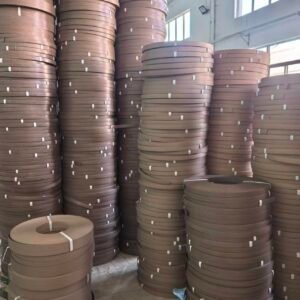
Qualified products are packaged according to specifications, generally using plastic film or woven bags, with each roll of product weight controlled at 10-20 kg. The package should be marked with product name, specifications, quantity, production date, batch number, implementation standard, and other information. A product quality inspection certificate should also be attached, indicating the inspection date, inspector, and other information.
When storing products, attention should be paid to moisture, sun, and high temperature protection. The storage temperature should be controlled within 5-35°C, and the relative humidity should not exceed 80%. The storage period is generally 12 months; products exceeding the storage period need to be re-inspected and qualified before use.
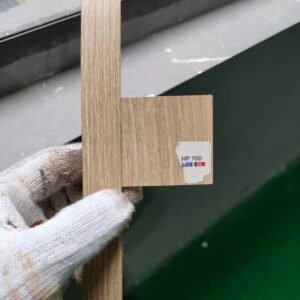
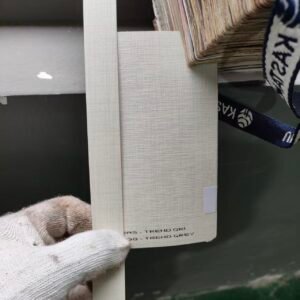
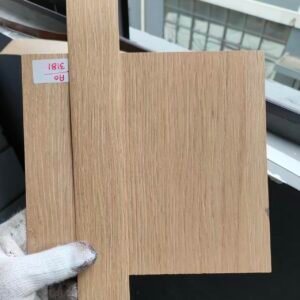
3. Production Process of ABS Edge Bandings
3.1 Raw Material Preparation
The raw material preparation of ABS edge bandings is significantly different from that of PVC edge bandings, mainly reflected in the types of raw materials, pre-treatment requirements, and formula systems.
Selection and Characteristics of ABS Resin
ABS resin is a terpolymer of acrylonitrile-butadiene-styrene and the main raw material for ABS edge bandings. In the formula, the dosage of ABS resin is generally 75-120 parts by weight, preferably 85-107 parts by weight, more preferably 100 parts by weight. The selection of ABS resin needs to consider its molecular weight, melt flow index, impact strength, and other performance indicators. Generally, products with a melt flow index of 1.5-3.0 g/10 min are selected to ensure good processability.
Unlike PVC, ABS resin needs to be strictly dried before use. Due to its certain hygroscopicity, the presence of moisture will cause defects on the product surface. Therefore, it must be dried at 80-85°C for 2-4 hours to reduce the moisture content to below 0.1%. During the drying process, temperature control is important—do not exceed 90°C to avoid particle agglomeration and adhesion.
Configuration of Additive System
The additive system of ABS edge bandings is relatively simple, mainly including the following components:
Activated nano-calcium carbonate: Dosage of 3-30 parts by weight, preferably 5-12 parts by weight, with a particle size controlled within 0.04-0.08 μm. Unlike PVC edge bandings, ABS edge bandings do not add a large amount of fillers, only a small amount of nano-calcium carbonate as a reinforcing agent to improve product rigidity and dimensional stability.
Tougheners: A composite system of SBS resin and MBS resin is adopted, with a total dosage of 3-25 parts by weight. Among them, the dosage of SBS resin is 1-10 parts by weight, and the dosage of MBS resin is 3-12 parts by weight. SBS resin can improve the impact resistance and flexural performance of products, while MBS resin improves toughness while maintaining transparency.
Processing aids: Including CPE (chlorinated polyethylene) and ACR (acrylate copolymer), with dosages of 0.5-3 parts by weight and 1-2 parts by weight, respectively. These aids can improve the processing fluidity of ABS resin and enhance product surface quality.
Other aids: 0.1-1.5 parts by weight of ultraviolet absorber, 0.1-2 parts by weight of antioxidant, and 0.5-5 parts by weight of antistatic agent. These aids are used to improve the product’s weather resistance, oxidation resistance, and antistatic performance.
Pre-Treatment of Raw Materials
Pre-treatment of raw materials is crucial in the production of ABS edge bandings. In addition to the drying of ABS resin, other additives also need corresponding treatment:
Nano-calcium carbonate needs to be surface-activated using stearic acid or titanate coupling agent for surface modification to improve its compatibility and dispersibility with ABS resin. The treated nano-calcium carbonate is mixed with other components under high-speed stirring to ensure uniform dispersion.
Tougheners SBS and MBS need to be dried at 80-90°C for 1-2 hours to remove moisture. Antioxidants and ultraviolet absorbers are generally added in the form of masterbatches for easy uniform dispersion.
3.2 Mixing and Modification Granulation
The mixing and granulation process of ABS edge bandings is basically similar to that of PVC edge bandings, but there are differences in specific parameter settings.
Optimization of High-Speed Mixing Process
The mixing process uses a high-speed mixer, where dried ABS resin and various additives are added to the mixer in proportion to the formula. The mixing process parameters are: rotation speed of 1000-1500 r/min, preferably 1220-1400 r/min, more preferably 1350 r/min; mixing time of 15-35 min, preferably 25 min.
The mixing process is divided into two stages: first, various components are initially mixed under high-speed stirring, then cooled under low-speed stirring. Unlike PVC, the mixing temperature of ABS should not be too high, generally controlled within 80-100°C to avoid overheating and decomposition of ABS resin.
During the mixing process, special attention should be paid to the uniform dispersion of various additives. Due to the high melt viscosity of ABS resin, the dispersion of additives is relatively difficult. Therefore, it is necessary to appropriately extend the mixing time to ensure that nano-calcium carbonate, tougheners, and other components are uniformly distributed in the ABS matrix.
Twin-Screw Extrusion Modification Granulation
The mixed materials are subjected to modification granulation through a twin-screw extruder. The process parameters of the twin-screw extruder are set as follows:
Temperature control: Zone 1 at 160-170°C, Zone 2 at 175-182°C, Zone 3 at 188-195°C, Zone 4 at 200-215°C, die plate at 195-205°C, and mold at 210-225°C.
Screw speed: 50-100 r/min, adopting low-speed operation to minimize shear heat and avoid overheating and decomposition of ABS resin.
During extrusion, the ABS material undergoes plasticization, mixing, homogenization, and other processes under the action of the screws. Due to the high processing temperature and temperature sensitivity of ABS resin, it is necessary to accurately control the temperature of each zone to avoid local overheating. At the same time, attention should be paid to the exhaust function of the extruder to timely discharge volatile substances in the materials.
The extruded strands are cooled in a water tank and then cut into granules by a granulator. The granulated ABS masterbatch needs to be sieved and packaged for storage.
3.3 Extrusion Molding
There are significant differences in equipment configuration and process parameters between the extrusion molding process of ABS edge bandings and PVC edge bandings.
Configuration of Special Extrusion Equipment
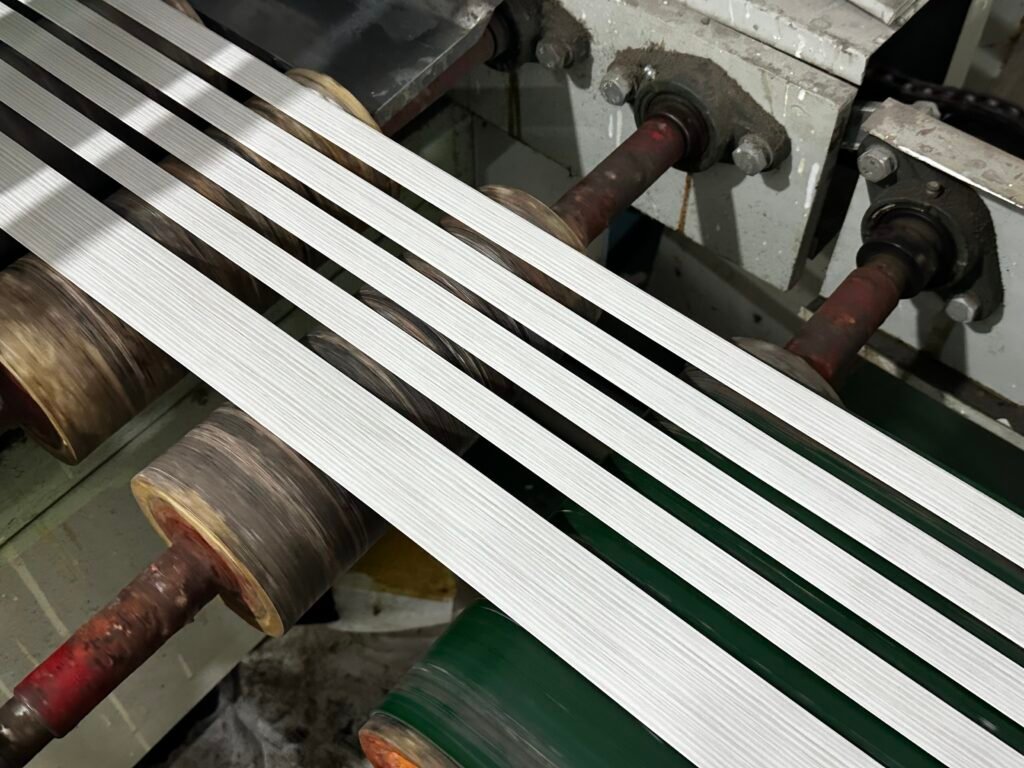
ABS edge banding production adopts a dedicated ABS profile production line, with the core equipment being a single-screw extruder. According to the characteristics of ABS materials, the extruder hopper is equipped with a drying and preheating device, and the barrel adopts a vented structure to effectively remove moisture and volatile substances from the materials.
Key parameters of the extruder: screw diameter of 65-90 mm, length-diameter ratio of 25:1, and compression ratio of 2.5:1. The screw adopts a gradual change design, which is conducive to the gradual plasticization of materials. The barrel is made of high-quality nitrided steel, with good wear resistance and corrosion resistance.
Precise Temperature Control
The extrusion temperature control of ABS edge bandings is stricter than that of PVC, with specific temperature settings as follows:
Sectional control of barrel temperature: rear zone (feeding section) at 160-180°C, middle zone (compression section) at 180-220°C, front zone (metering section) at 200-230°C, and nozzle at 200-220°C.
Mold temperature: 40-80°C, adjustable according to product requirements. For high-precision plastic parts, the mold temperature should be 50-60°C; for high-gloss and heat-resistant plastic parts, the mold temperature should be 60-80°C.
In actual production, temperature settings need to be adjusted according to specific product specifications, raw material formulas, and environmental conditions. Generally speaking, the processing temperature is controlled within 180-290°C, and the mold temperature is controlled within 50-80°C.
Key Points of Molding Process
The extrusion molding of ABS edge bandings has the following characteristics:
1. Strict drying requirements: ABS resin must be fully dried with a moisture content below 0.1%; otherwise, defects such as bubbles and silver streaks will appear on the product surface.
2. Precise temperature control: ABS has a narrow processing temperature range, generally between 200-240°C. Excessively high temperature may cause decomposition (decomposition temperature > 270°C), while excessively low temperature will result in poor plasticization.
3. Moderate shear rate: Adopt a low screw speed (20-50 rpm) for mild plasticization to avoid material degradation caused by shear overheating.
4. Stable pressure control: The injection pressure is generally controlled within 700-1500 kg/cm², and the holding pressure is 30%-60% of the injection pressure.
Characteristics of Mold Design
Mold design for ABS edge bandings needs to consider the following factors:
Runner design: Adopt a streamlined design to reduce flow resistance and avoid material retention leading to decomposition.
Exhaust system: Set up a good exhaust system to timely discharge air and volatile substances in the mold cavity.
Cooling system: Adopt circulating water cooling to ensure uniform mold temperature and avoid local overheating.
Mold material: Use high-quality tool steel, subjected to quenching and tempering treatment, with a hardness of HRC50-55.
3.4 Surface Treatment and Post-Processing
The surface treatment and post-processing processes of ABS edge bandings are similar to those of PVC edge bandings, but there are differences in specific process parameters.
Surface Printing Process
The printing process of ABS edge bandings is basically the same as that of PVC, but the following points need to be noted:
1. Surface pre-treatment: ABS has a low surface tension and needs to be subjected to corona treatment or flame treatment to increase surface tension and enhance ink adhesion.
2. Ink selection: Use dedicated ABS ink with good adhesion and chemical resistance.
3. Drying conditions: After printing, dry at 60-80°C for 30-60 minutes to ensure complete curing of the ink.
UV Coating Protection Process
An important post-processing process for ABS edge bandings is UV coating protection. The specific process is as follows:
1. Coating equipment: Use a dedicated UV coating machine with a coating amount controlled at 15-20 g/m².
2. Coating material: Use UV-curable paint, mainly composed of acrylate prepolymers, reactive diluents, and photoinitiators.
3. Curing conditions: UV lamp power of 20-30 kW, curing speed of 5-10 m/min, ensuring complete curing of the paint.
The role of UV coating is to protect printed patterns, improve surface hardness and scratch resistance, and enhance product gloss.
Special Surface Treatment Technologies
ABS edge bandings can also adopt the following special surface treatment technologies:
1. Electroplating treatment: A metal film can be electroplated on the surface of ABS edge bandings to achieve a metallic decorative effect.
2. Hot stamping treatment: Transfer gold foil or silver foil to the surface of edge bandings through hot pressing to form metal decorative lines.
3. Wire drawing treatment: Use dedicated equipment to form fine wire drawing textures on the surface of edge bandings, enhancing the product’s texture.
3.5 Quality Inspection and Packaging
The quality inspection items and methods of ABS edge bandings are basically the same as those of PVC edge bandings, but there are differences in specific requirements.
Appearance Quality Requirements
The appearance quality requirements of ABS edge bandings are stricter:
1. Surface quality: The surface must be smooth and flat, with no bubbles, scratches, color differences, or other defects. Since ABS does not contain fillers, it should show a transparent and smooth effect after trimming, and no whitening phenomenon will occur.
2. Color consistency: Uniform color with no color difference, and the color difference ΔE between batches ≤ 1.0.
3. Dimensional accuracy: Thickness tolerance of ±0.03 mm, width tolerance of ±0.1 mm, and straightness error of ≤ 0.1 mm/300 mm.
Physical Performance Testing
Main physical performance requirements of ABS edge bandings:
1. Tensile strength: ≥ 35 MPa (much higher than the 15 MPa requirement for PVC).
2. Flexural strength: ≥ 60 MPa.
3. Impact strength: ≥ 20 kJ/m² (unnotched).
4. Heat distortion temperature: ≥ 90°C (HDT, 1.82 MPa).
5. Vicat softening point: ≥ 100°C.
6. Shore hardness: 75-85 Shore D.
Special Performance Testing
ABS edge bandings also need to undergo the following special performance tests:
1. Chemical resistance: Soak in coffee, soy sauce, alcohol, and other liquids for 24 hours, and the surface should show no changes.
2. Weather resistance: Test in a UV aging chamber for 1000 hours, with a color change ΔE ≤ 3.0.
3. Heat resistance: Place in an oven at 100°C for 2 hours, with no deformation or discoloration.
4. Impact resistance: Place at -10°C for 2 hours, then impact with a 500 g steel ball from a height of 1 m, with no cracking.
Environmental Performance Requirements
Environmental requirements for ABS edge bandings:
1. Heavy metal content: Comply with RoHS standards, with lead, mercury, cadmium, hexavalent chromium, polybrominated biphenyls, and polybrominated diphenyl ethers not exceeding the limits.
2. Formaldehyde emission: ≤ 0.05 mg/m³ (much lower than the E1 grade standard).
3. VOC content: ≤ 50 g/L (complying with environmental requirements).
Packaging and Storage
Packaging requirements for ABS edge bandings:
1. Inner packaging: Sealed packaging with polyethylene film bags to prevent moisture absorption.
2. Outer packaging: Corrugated cartons, with each carton weight not exceeding 20 kg.
3. Labeling: Mark the product name, specifications, quantity, production date, batch number, implementation standard, and other information on the carton.
4. Storage conditions: Store in a dry, ventilated warehouse with a temperature of 5-35°C and a relative humidity ≤ 70%. The storage period is 12 months.
4. Production Process of Melamine Edge Bandings
4.1 Synthesis of Melamine Resin
The production of melamine edge bandings starts with the synthesis of melamine-formaldehyde resin, which is the most critical and complex link in the entire production process.
Raw Material Preparation and Formula
The main raw materials for melamine resin synthesis include:
1. Melamine: White crystalline powder, molecular formula C₃H₆N₆, molecular weight 126.12, purity ≥ 99.5%.
2. Formaldehyde solution: Concentration of 37-40%, formaldehyde content ≥ 36.5%, need to filter to remove impurities before use.
3. Modifiers: 6-10 parts by weight of caprolactam and 2.4-2.8 parts by weight of diethylene glycol, used to improve the flexibility and stability of the resin.
4. Alkaline catalyst: Sodium hydroxide solution, concentration of 10-20%, used to adjust the reaction pH value.
Typical formula ratio (parts by weight): 14-22 parts of formaldehyde, 8.5-14 parts of melamine, 6-10 parts of caprolactam, 2.4-2.8 parts of diethylene glycol, and 7-9 parts of water. The preferred formula is 20 parts of formaldehyde, 12.5 parts of melamine, 7 parts of caprolactam, 2.5 parts of diethylene glycol, and 8 parts of water.
Resin Synthesis Process
The synthesis of melamine-formaldehyde resin is a complex polycondensation reaction process, with specific steps as follows:
1. Formaldehyde addition and pH adjustment: Pour the measured formaldehyde solution into the reaction kettle, and adjust the pH value to 9.0-9.2 with sodium hydroxide solution.
2. Temperature rise and feeding: Add diethylene glycol and water, and start heating. When the temperature rises to 40°C, add melamine and continue heating to 96-98°C.
3. Polycondensation reaction: Keep the reaction at 96-98°C for 25 minutes, then add caprolactam and continue the reaction. During the reaction, test the pH value and water solubility multiple of the solution every 10 minutes.
4. Reaction endpoint control: When the water solubility multiple reaches 220-240%, immediately cool down to 45°C, stop the reaction and discharge.
5. Product indicators: The synthesized melamine resin is a colorless transparent or light yellow liquid, with a solid content of 50-60%, a viscosity of 20-50 mPa·s (25°C), and a pH value of 8.5-9.5.
Key Process Control Points
Key control points in the melamine resin synthesis process:
1. Temperature control: The reaction temperature must be strictly controlled at 96-98°C. Excessively high temperature will lead to excessive resin molecular weight, affecting subsequent impregnation; excessively low temperature will result in incomplete reaction.
2. pH value control: The pH value should be maintained within 9.0-9.4 during the reaction. Excessively low pH value will cause premature curing of the resin, while excessively high pH value will affect resin performance.
3. Reaction time: The total time from adding melamine to the end of the reaction is about 2-3 hours, including about 1.5 hours of heat preservation reaction time.
4. Stirring speed: Maintain an appropriate stirring speed during the reaction, generally 50-100 rpm, to ensure uniform mixing of materials.
5. Safety protection: Formaldehyde is irritating and toxic. Protective equipment must be worn during operation, and the reaction kettle should be equipped with an exhaust gas absorption device.
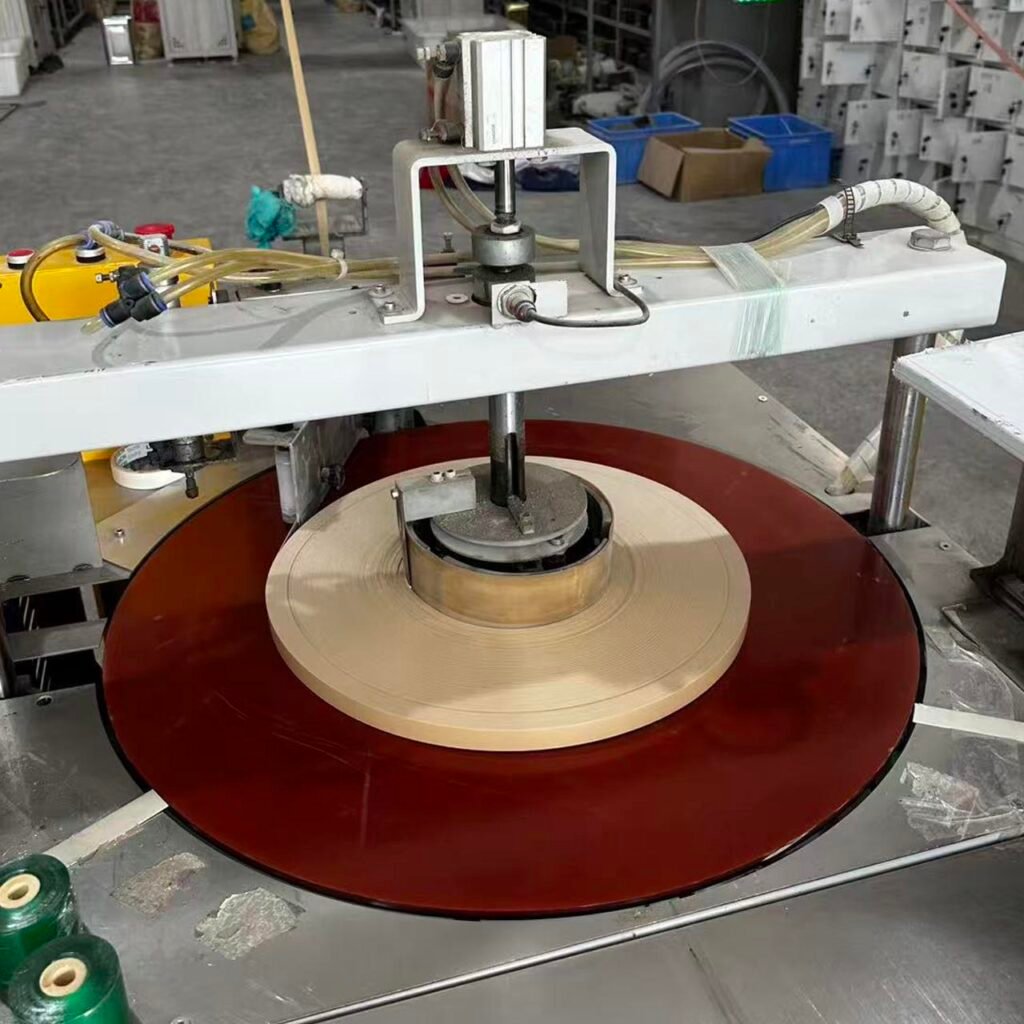
4.2 Impregnation Process
Impregnation is the process of soaking printed decorative paper in melamine resin to allow the paper to fully absorb the resin and form a certain resin content.
Base Paper Preparation
Requirements for impregnated base paper:
1. Basis weight: 170-190 g/m², thickness 0.18-0.22 mm.
2. Quality requirements: Uniform paper quality, tight fiber structure, no holes, folds, or other defects.
3. Sizing degree: Control the liquid absorption of the paper through surface sizing to ensure uniform impregnation.
4. Printing requirements: The base paper needs to be printed first, with clear patterns, accurate overprinting, and bright colors.
Impregnation Equipment and Process
Main equipment of the impregnation production line includes:
1. Glue dipping tank: Capacity determined according to production scale, generally 500-2000 L, equipped with stirring device and temperature control system.
2. Traction device: Including driving roller, driven roller, and tension control system to ensure stable operation of the paper.
3. Glue scraping device: Use a doctor blade or air knife to control the amount of glue on the paper surface.
4. Drying system: Adopt a hot air circulation oven with sectional temperature control, maximum temperature 160°C.
Impregnation process parameters:
1. Resin concentration: Solid content 45-55%, adjusted according to paper basis weight and product requirements.
2. Impregnation speed: 15-25 m/min. Excessively fast speed will lead to insufficient impregnation, while excessively slow speed will affect production efficiency.
3. Impregnation time: About 3-5 seconds to ensure full resin penetration.
4. Glue temperature: 20-30°C. Excessively high temperature will cause premature curing of the resin.
Two-Step Impregnation Process
To improve the resin penetration effect and surface quality, modern production mostly adopts a two-step impregnation process:
1. First impregnation (pre-impregnation): Use low-concentration resin (solid content 35-40%) mainly for penetration.
2. Intermediate drying: Dry at 80-100°C to remove part of the moisture and initially cure the resin.
3. Second impregnation (final impregnation): Use high-concentration resin (solid content 50-55%) mainly to increase the surface resin content.
4. Final drying: Dry in sections at 100-160°C to fully cure the resin, with residual volatile content controlled at 3-6%.
Quality Control Points
Quality control during impregnation:
1. Resin content control: Adjust parameters such as impregnation speed and glue scraping pressure to control the resin content of the impregnated paper within 120-150%.
2. Drying control: The drying temperature and time must be strictly controlled to avoid paper wrinkling or uneven resin curing.
3. Appearance inspection: The impregnated paper should have a flat surface with no glue flow or glue penetration.
4. Performance testing: Test indicators such as resin content, volatile content, and curing degree for each batch of products.