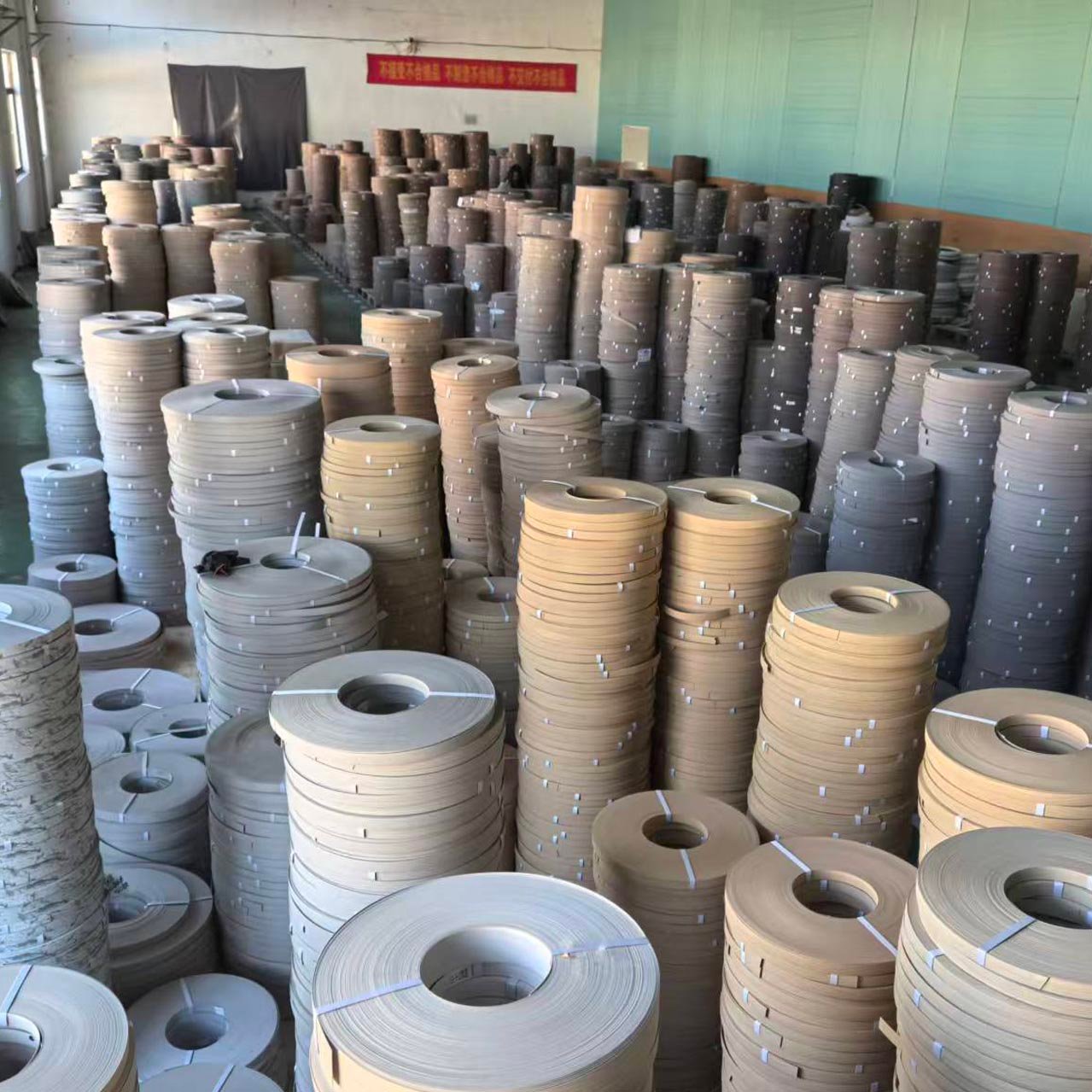

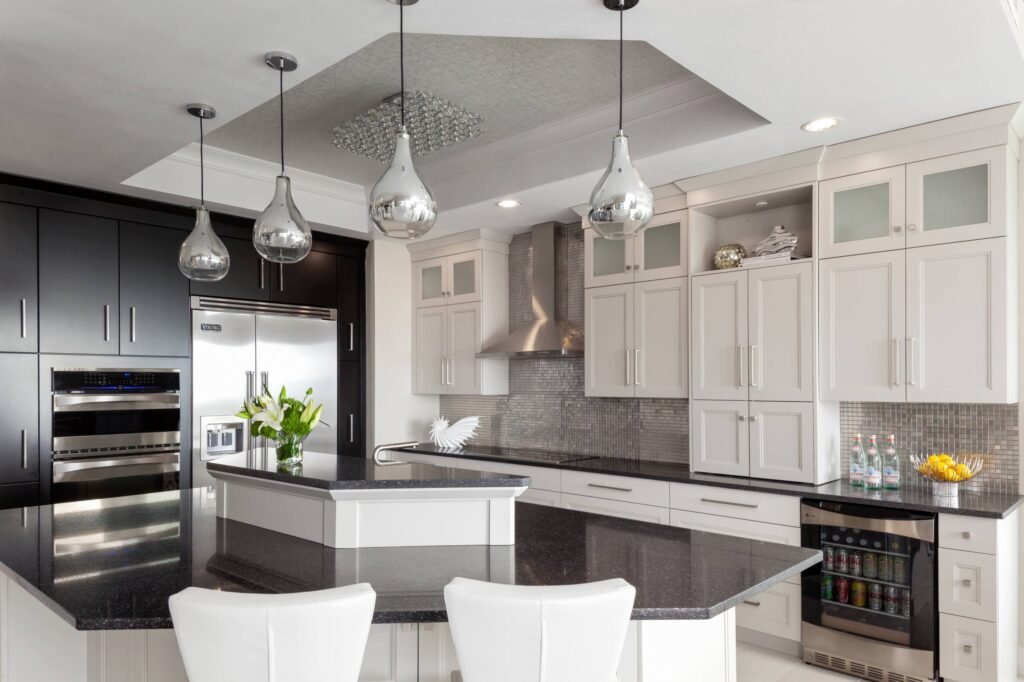
Kitchen Cabinets
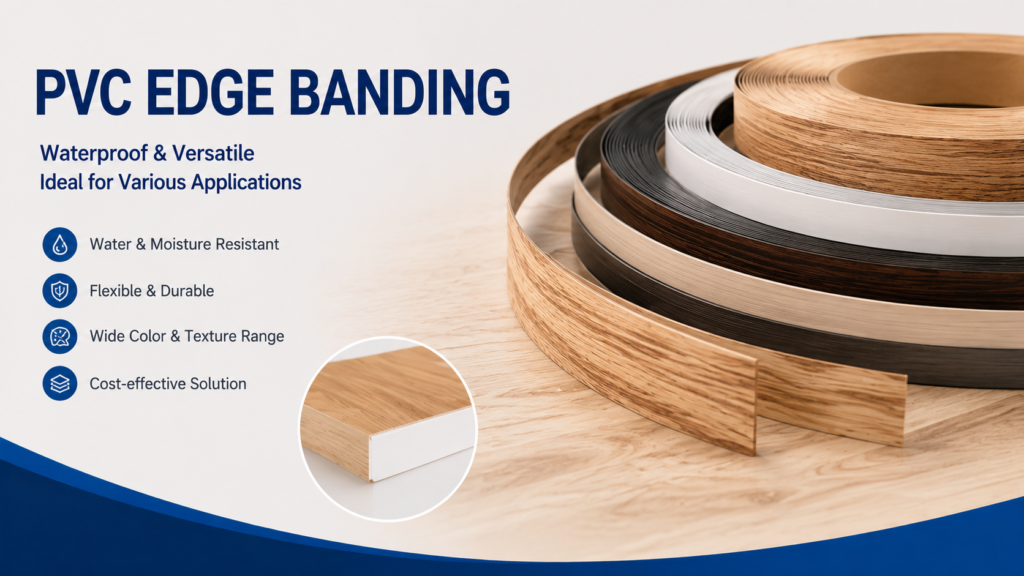
Kitchen cabinet edge banding is an applied layered system of strips of MDF, particleboard and other appropriate panel material to cover the raw edges of MDF, particleboard and other appropriate panel material to produce an even appearance between cabinet doors, drawer fronts, shelves, and side panels. The proper edging must complement the panel design and meet the cabinet manufacturer’s processing requirements.
Where Is Edge Banding Used in Kitchen Cabinets?
Kitchen cabinetry includes several components, and each may have different requirements for appearance, dimensions and processing.
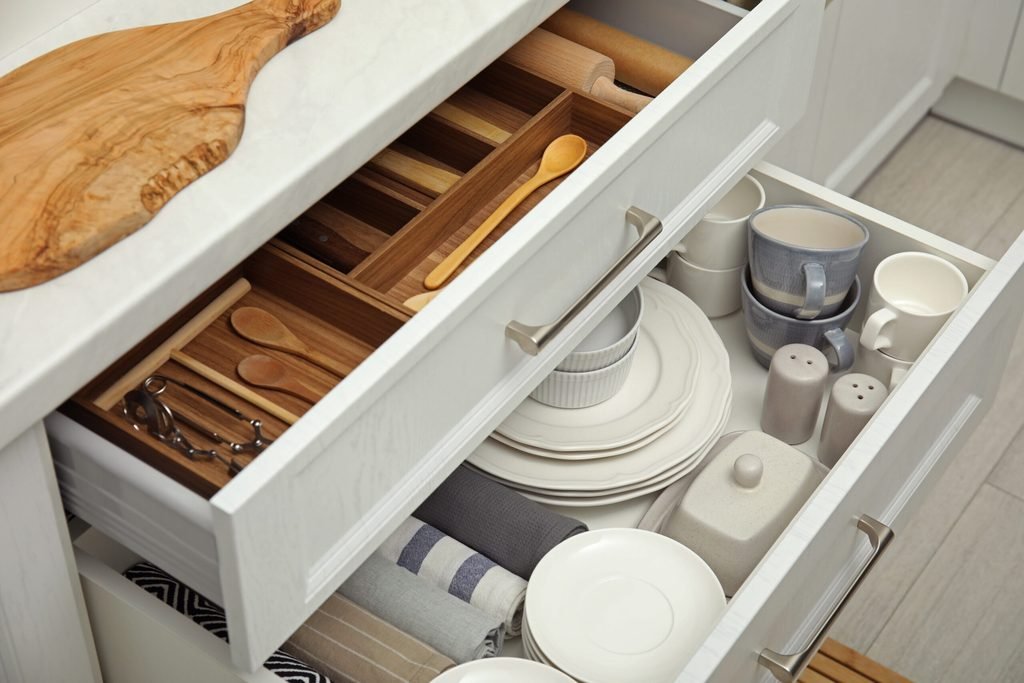
Kitchen Cabinet Doors and Drawer Fronts
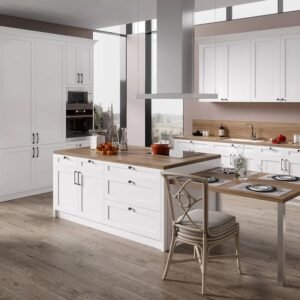
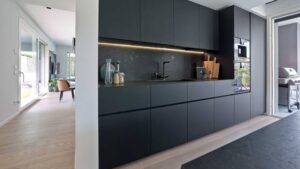
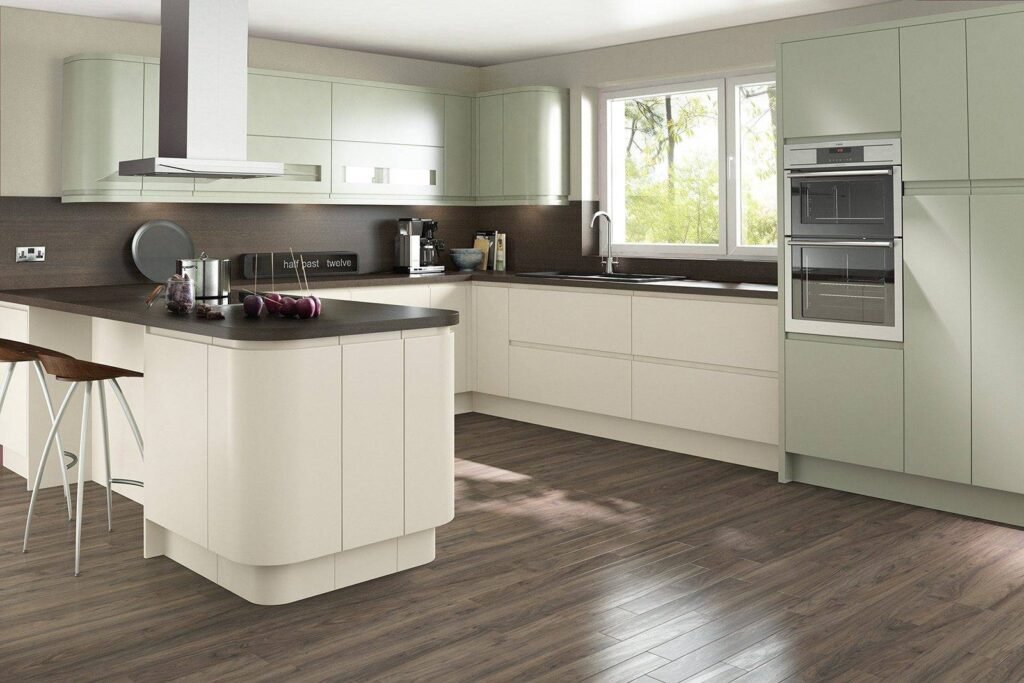
Cabinet doors and drawer fronts are among the most visible parts of a kitchen. The edge banding should coordinate with the panel’s color, pattern and surface finish to create a consistent appearance across the cabinet layout.
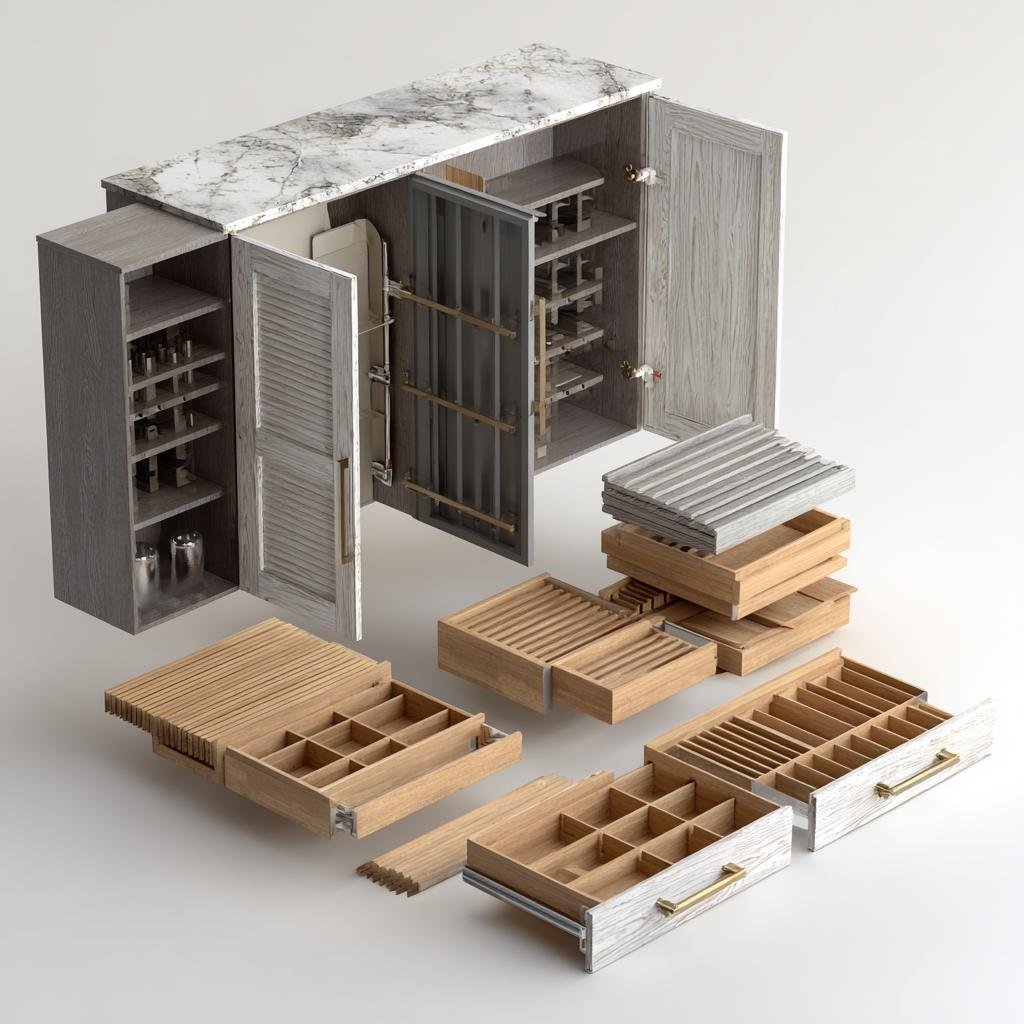
Cabinet Carcasses and Side Panels
The cabinet carcass forms the main structure of a kitchen cabinet. Depending on the construction, edge banding may be applied to exposed edges on side panels, partitions and other panel components.
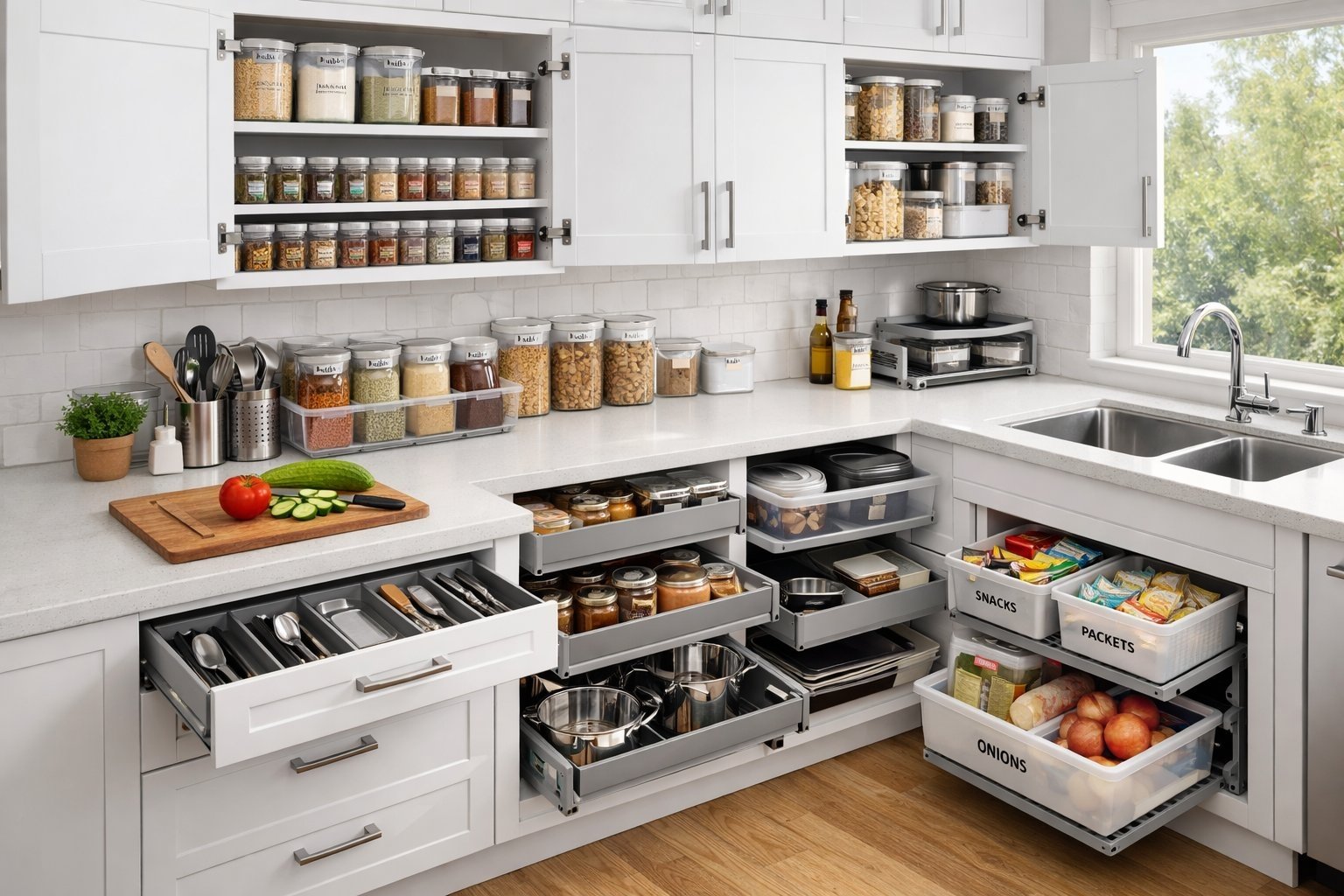
Kitchen Shelves and Storage Compartments
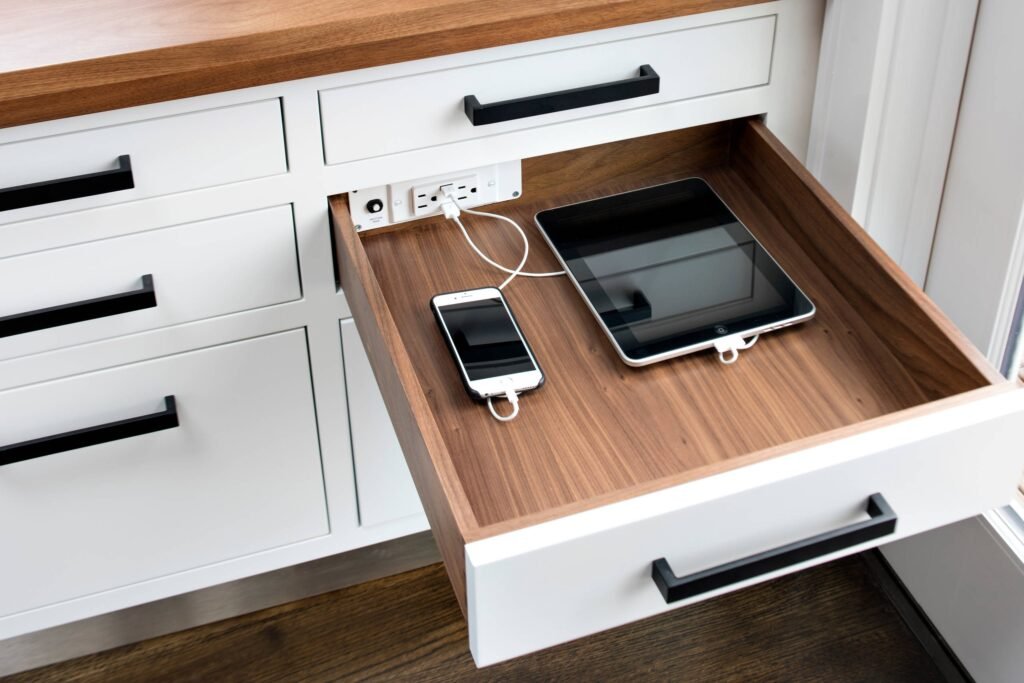
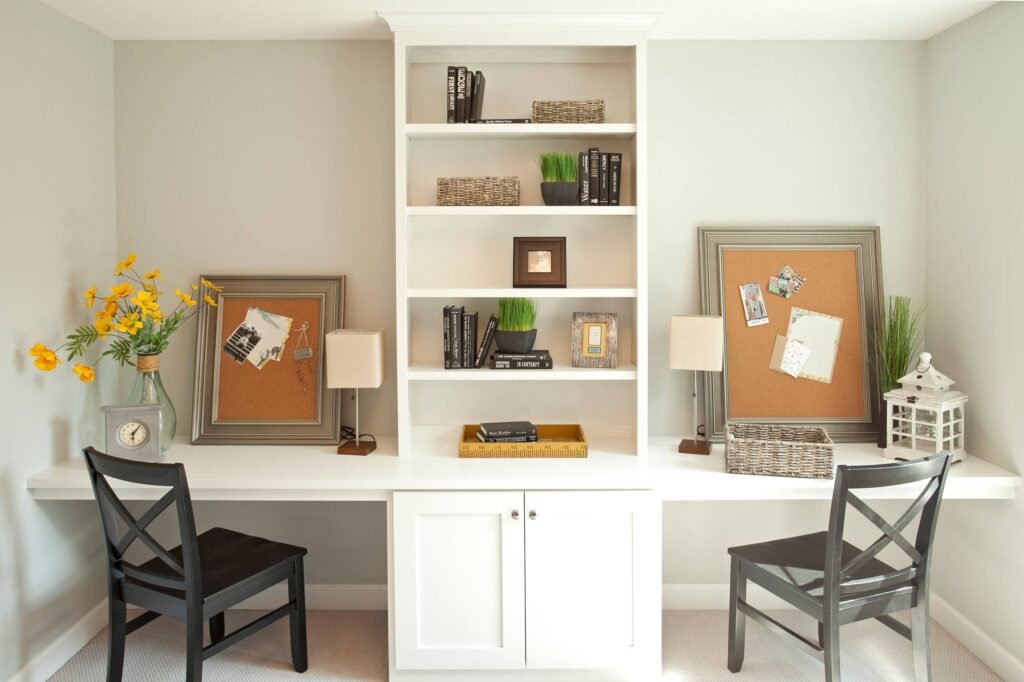
Open shelves, internal shelves and storage compartments can have exposed panel edges that remain visible during everyday use. Suitable edge banding helps provide a consistent finish across these components.
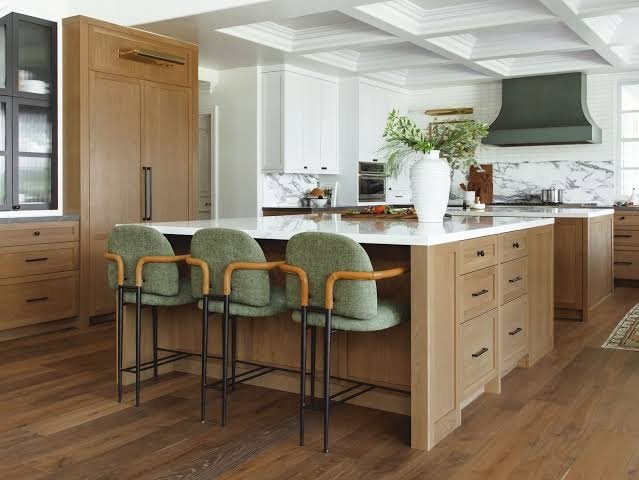
Island Cabinets and Custom Kitchen Units
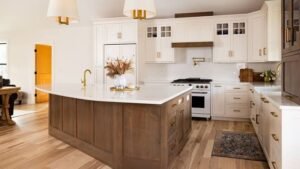
Kitchen islands, tall storage units and made-to-measure cabinetry may combine different panel colors, textures and dimensions within one project.
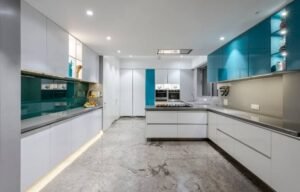
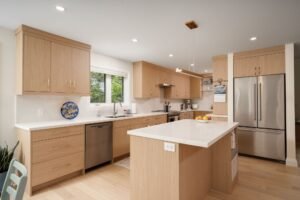

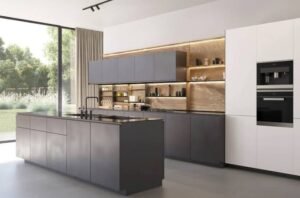
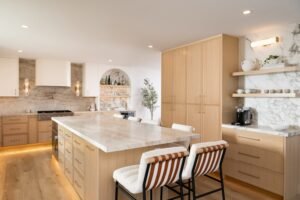
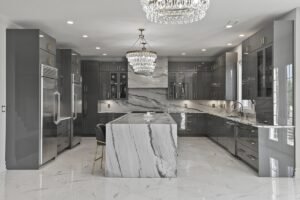

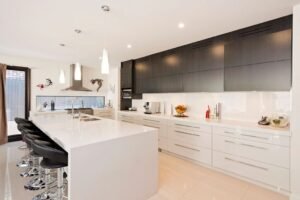
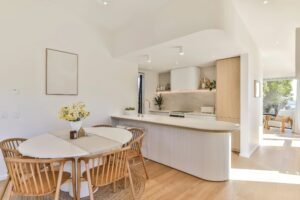
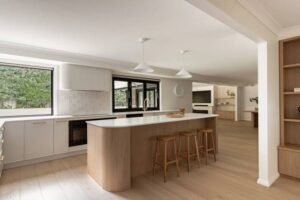
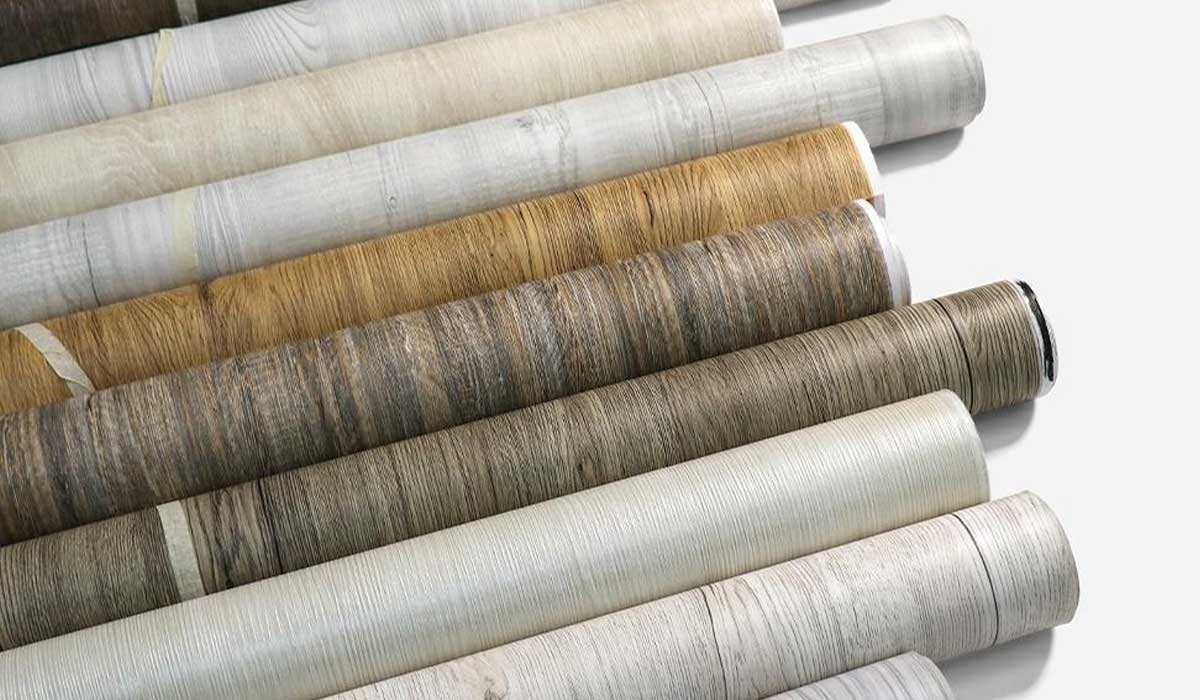
Products that can be applied to doors
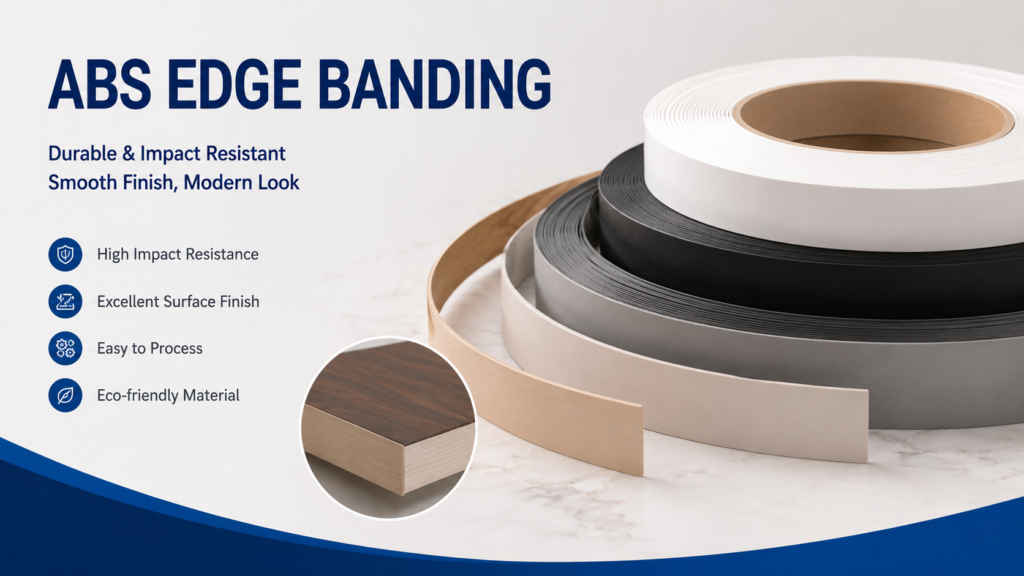
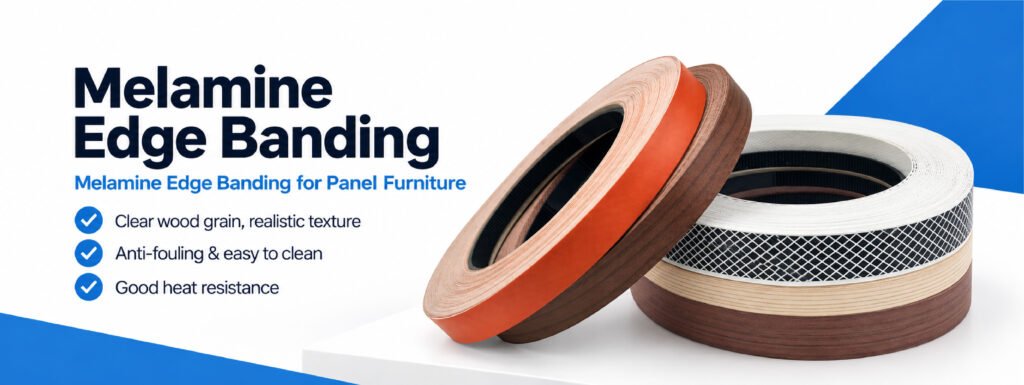
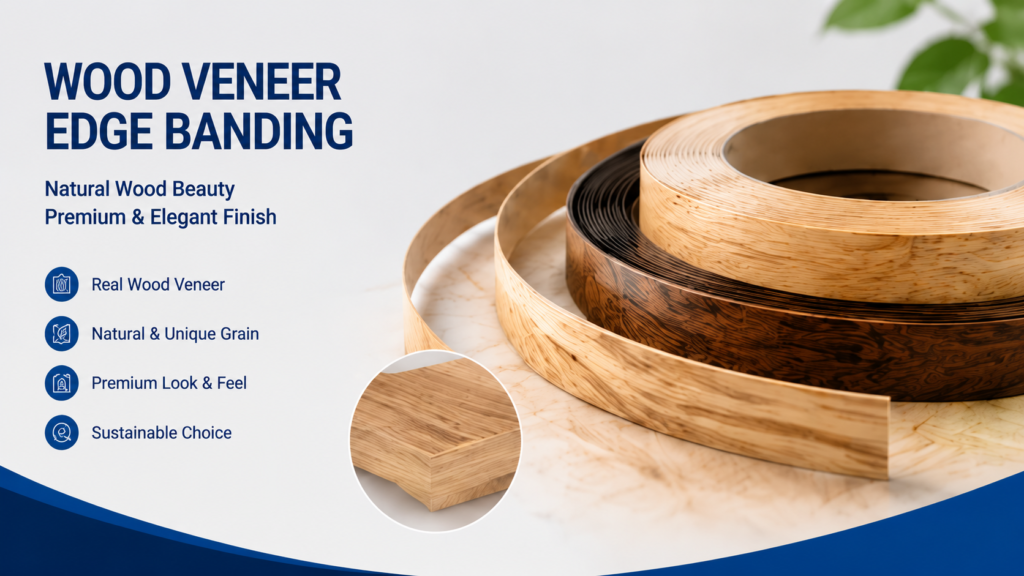


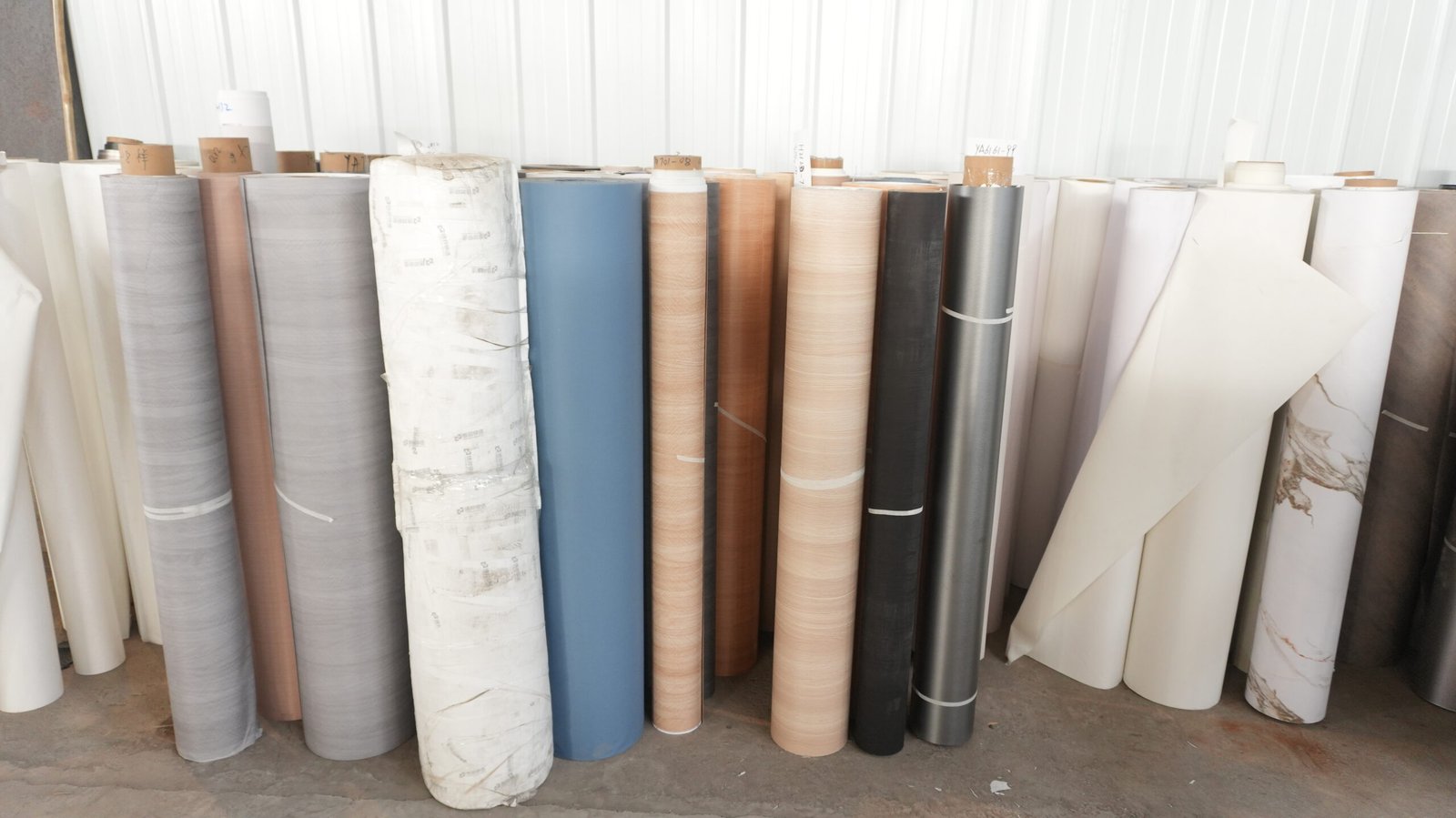

Where Is edge banding & glue Used ?

Customer reviews
We first ordered only samples to verify quality. Now we place monthly orders of wood grain and solid colour PVC edge banding tape.
jackson salee
We produce plywood wardrobes and outdoor cabinets. They helped us select suitable edge banding grade and sent test samples for humidity resistance check.
Taan Theamsawet
This edge banding supplier understands furniture production well. They know what we mean when we ask for tight tolerance on width and thickness.
Han Mac
How to Match Edge Banding with Kitchen Cabinet Panels
1. Identify the panel reference
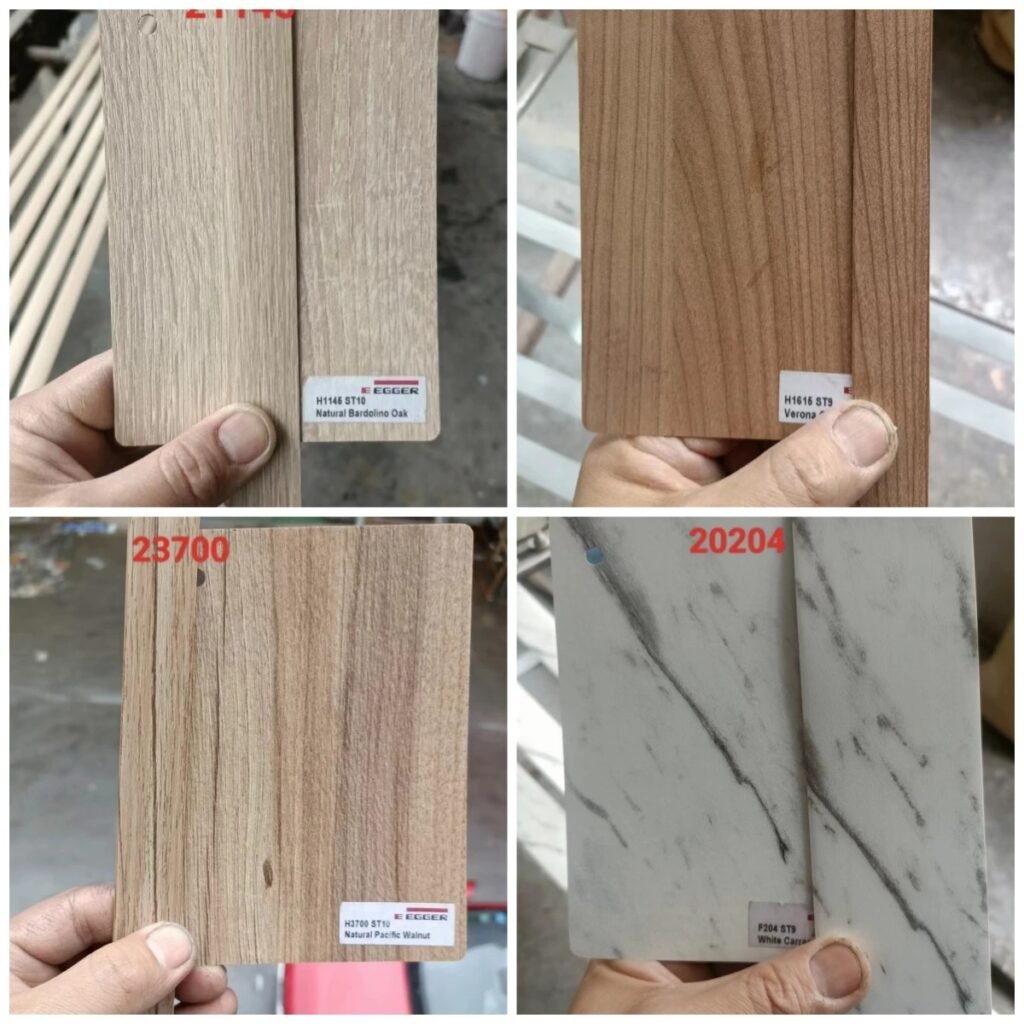
Share the board manufacturer, collection name and color code where available. If the panel is custom-made or has no standard code, a physical sample is helpful.
2. Confirm the surface appearance
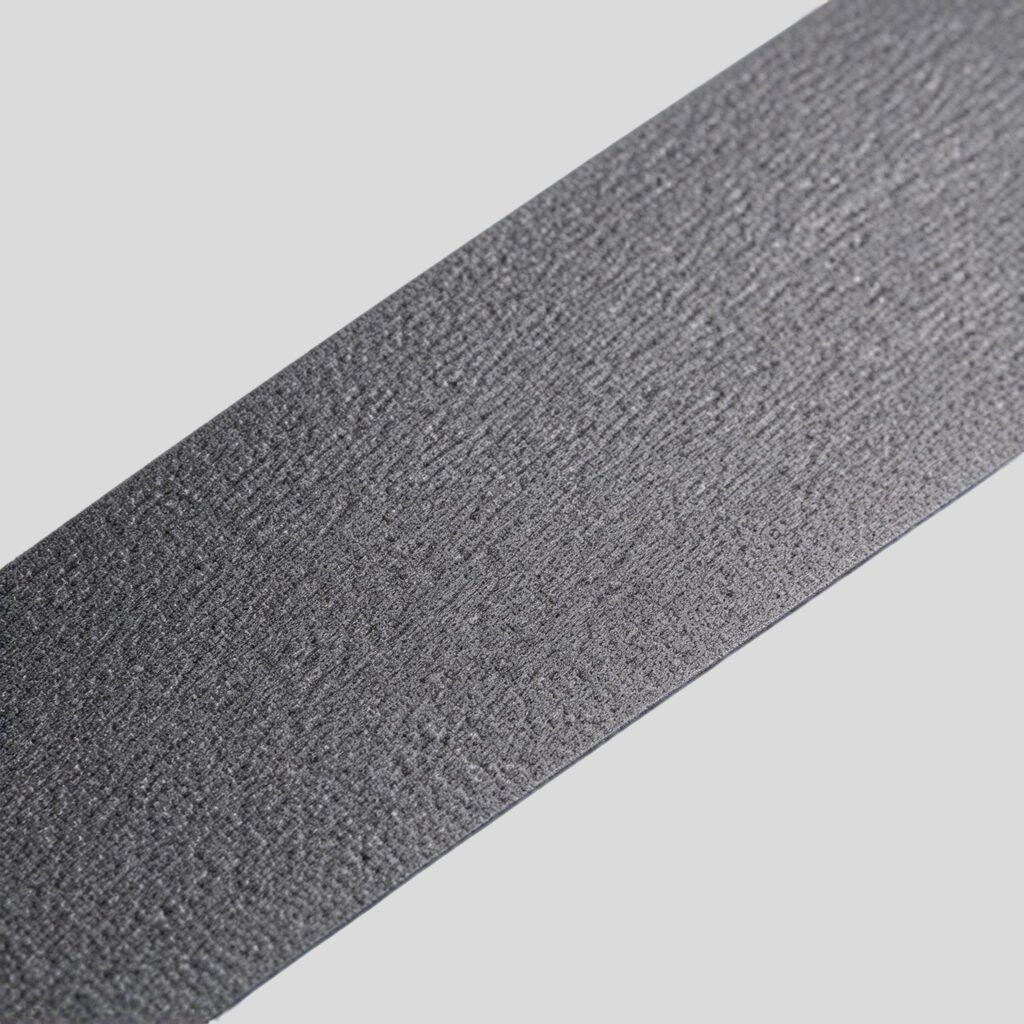
Tell us whether the panel is matte, gloss, textured, embossed, solid-color or woodgrain. The finish can affect the visual match even when the base color is similar.
3. Specify the required dimensions
Provide the panel thickness, required edge banding thickness and width, and any relevant trimming or machining requirements. This helps ensure that the proposed edging is suitable for your production process.
4. Review the sample against the panel
Compare the edging with the actual board under suitable lighting. For patterned surfaces, check the overall visual effect rather than relying on a digital color image alone.
5. Approve the specification before bulk production
Record the approved color reference, material, dimensions and finish. This gives the purchasing and production teams a consistent reference for future orders.
Custom Kitchen Cabinet Edge Banding from Luyao
To help us assess your request, provide the target panel reference, required dimensions, estimated quantity and destination country. We can then review the details and advise on the next steps.
Frequently Asked Questions
Shanghai Luyao Industry Co.,Ltd. Service
For kitchen cabinet projects involving custom colors or non-standard dimensions, sample approval is a useful step before confirming a bulk order.


Request Kitchen Cabinet Edge Banding Quote
Are you sourcing edge banding for kitchen cabinet doors, drawer fronts, carcasses or custom kitchen units?
Send Shanghai Luyao Industry Co., Ltd. your panel reference, material preference, dimensions and estimated quantity. Our team can help review your requirements, discuss color matching and provide a quotation based on your project.