
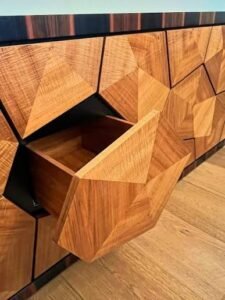
Special shaped Furniture
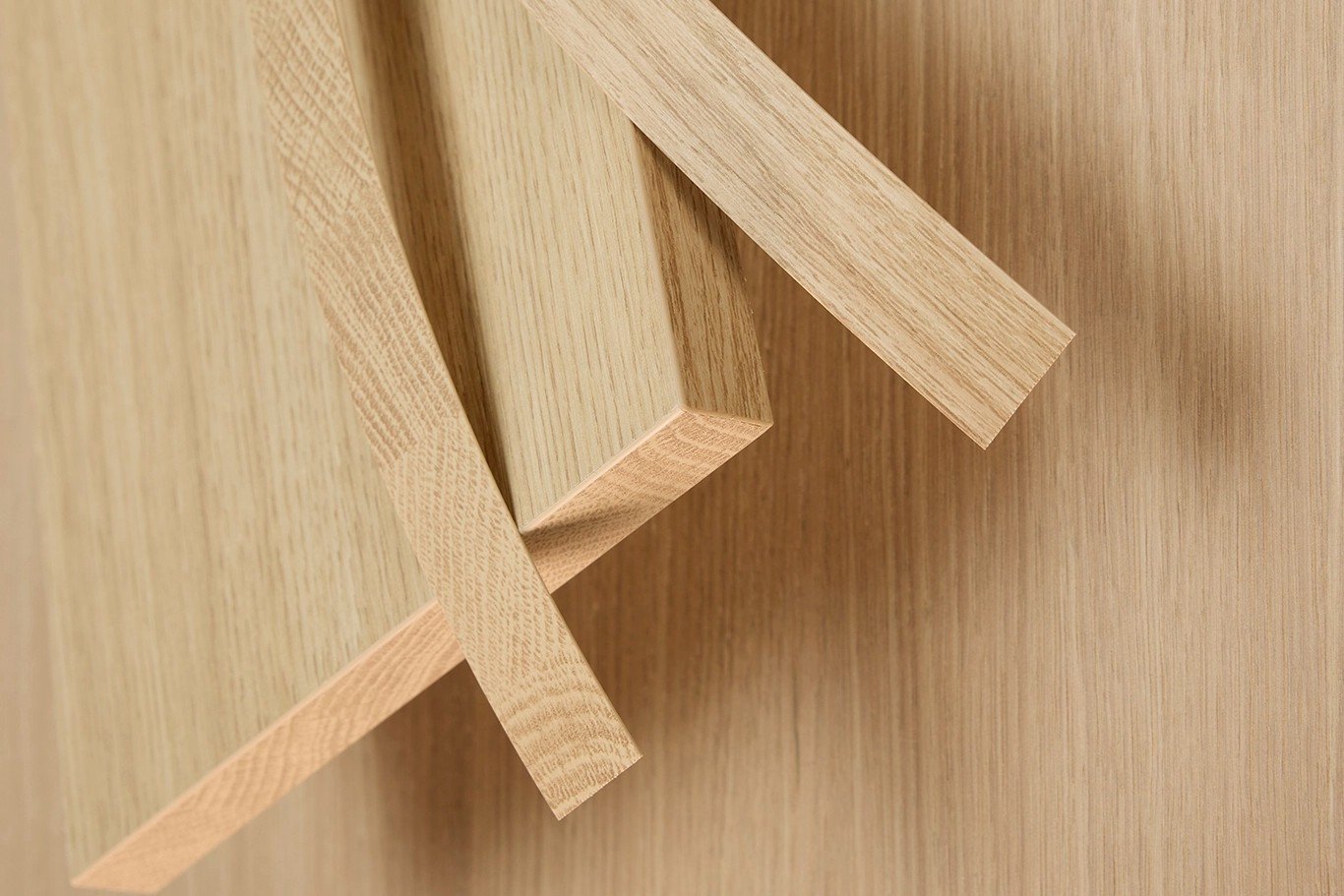
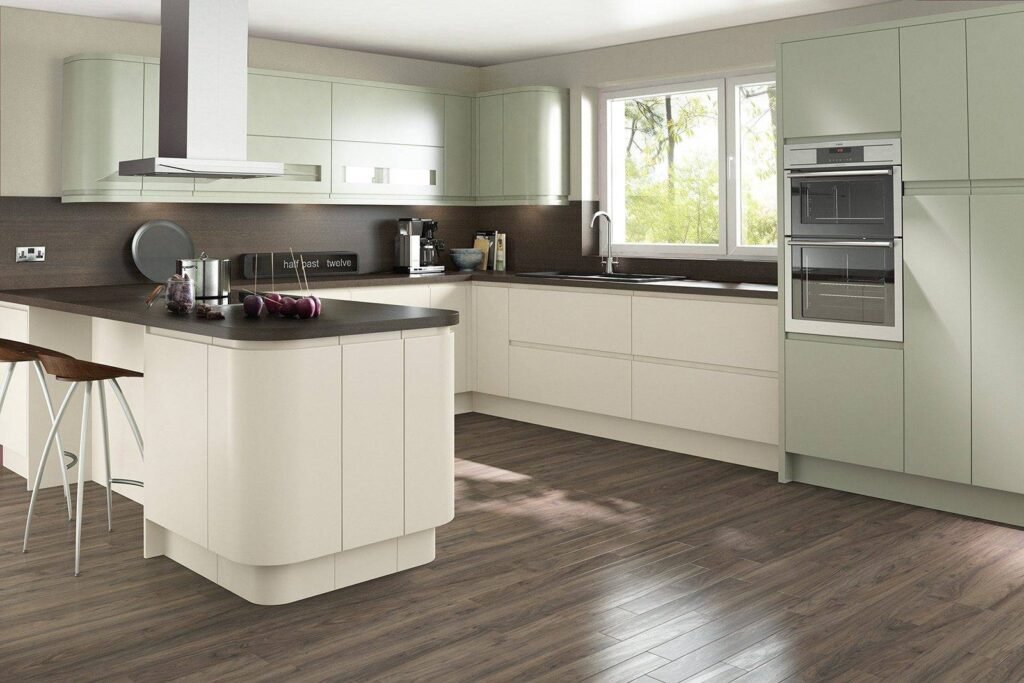
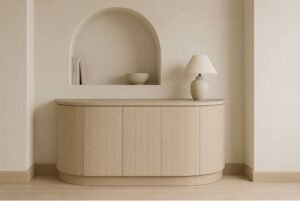
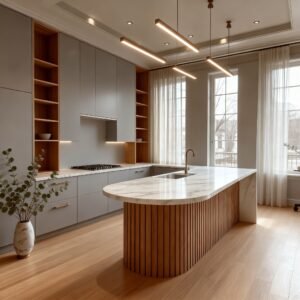
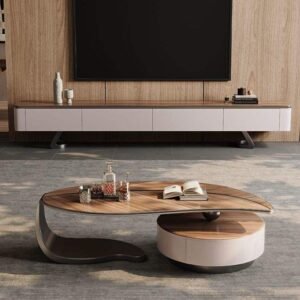
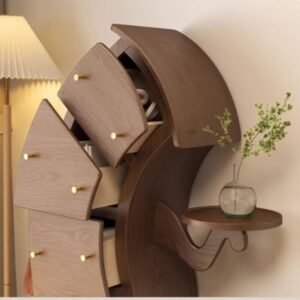
Shanghai Luyao Industry Co., Ltd. can provide edge banding services for furniture manufacturers designing non-standard furniture such as round coffee tables, curved reception desks, circular display cabinets, or sculptural bookshelves.
Why Does Edge Banding Matter for Special Shaped Furniture?
Straight edges made of conventional furniture are relatively simple to process. Unpredictable special shaped furniture A panel can have a slight curvature, a small radius a beveled area or a combination of the above.
Following the Shape Without Losing the Design
A decorative panel may look simple before machining, but cutting it into a curve introduces a new visible edge. The selected edge banding needs to accommodate the intended profile without lifting, wrinkling or developing surface defects during processing.
Keeping Rounded Edges Looking Smooth
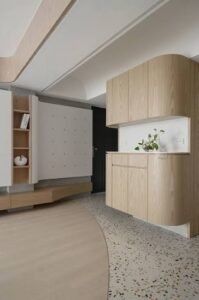
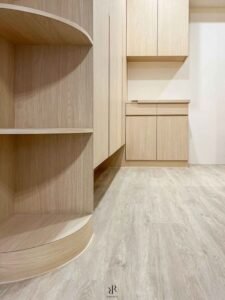
Rounded corners and curved fronts are often used to soften the appearance of furniture. An uneven edge, exposed substrate or inconsistent trimming can make these details look unfinished.
Maintaining a Consistent Color and Texture
On a straight panel, a slight color difference may be less noticeable. Along a curved front or rounded corner, however, the edge becomes part of the visible design.
Supporting Reliable Production
Special shaped furniture often requires more attention during machining and edge finishing than standard rectangular panels. Selecting the right material before production can help reduce unnecessary adjustments, avoid preventable finishing defects and improve consistency across repeated components.
Which Edge Banding Material Is Suitable for Curved Furniture?
There is no single material that works equally well for every special shaped furniture design. The choice depends on the panel substrate, curvature, desired appearance and production equipment.







Where Is Edge Banding & glue Used in ?

From our customers
We are furniture makers focusing on custom kitchens. The flexible edge banding works great on rounded cabinet edges, no cracking during bending.
Amr Shehab
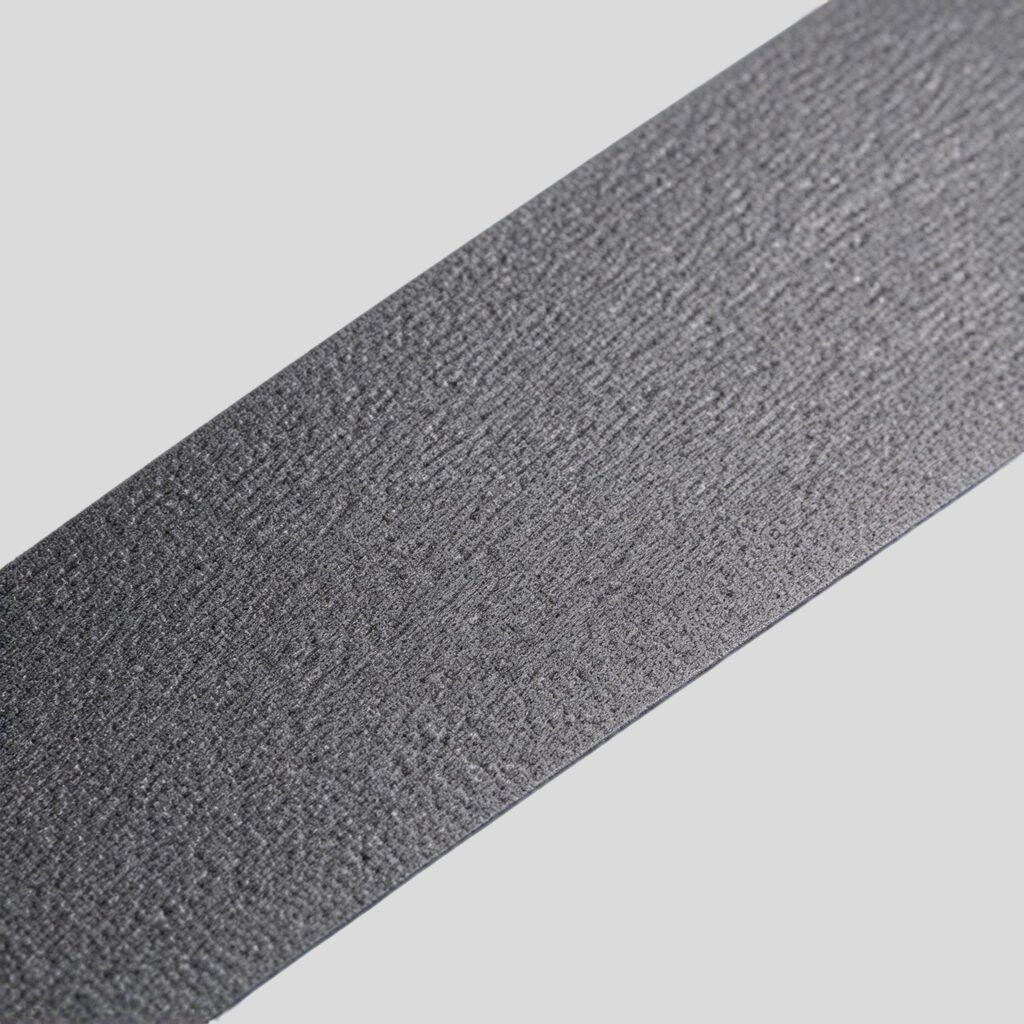
Black edge banding for dark MDF panels is hard to match, but they nailed it. We got samples quickly and approved the colour in a few days.
John
Delivery schedule stays reliable. We plan our furniture production ahead, and they always ship edge banding on the agreed timeline.
Gandhivishal
How to Choose Edge Banding for Curved and Irregular Profiles
A good result begins before the panel reaches the edge-banding machine. The following details help determine whether a proposed material is suitable for the job.
1. Identify the curve radius
A broad, gentle curve and a tight rounded corner place different demands on the material. If possible, provide a drawing or sample showing the actual profile.
2. Confirm the panel material
MDF, particleboard, plywood and other substrates can behave differently during machining. The exposed edge should be prepared correctly before the edge banding is applied.
3. Select an appropriate thickness
Thicker edge banding is not automatically better for curved furniture. The material must balance the desired appearance, durability and ability to follow the intended shape.
4. Match the decorative surface
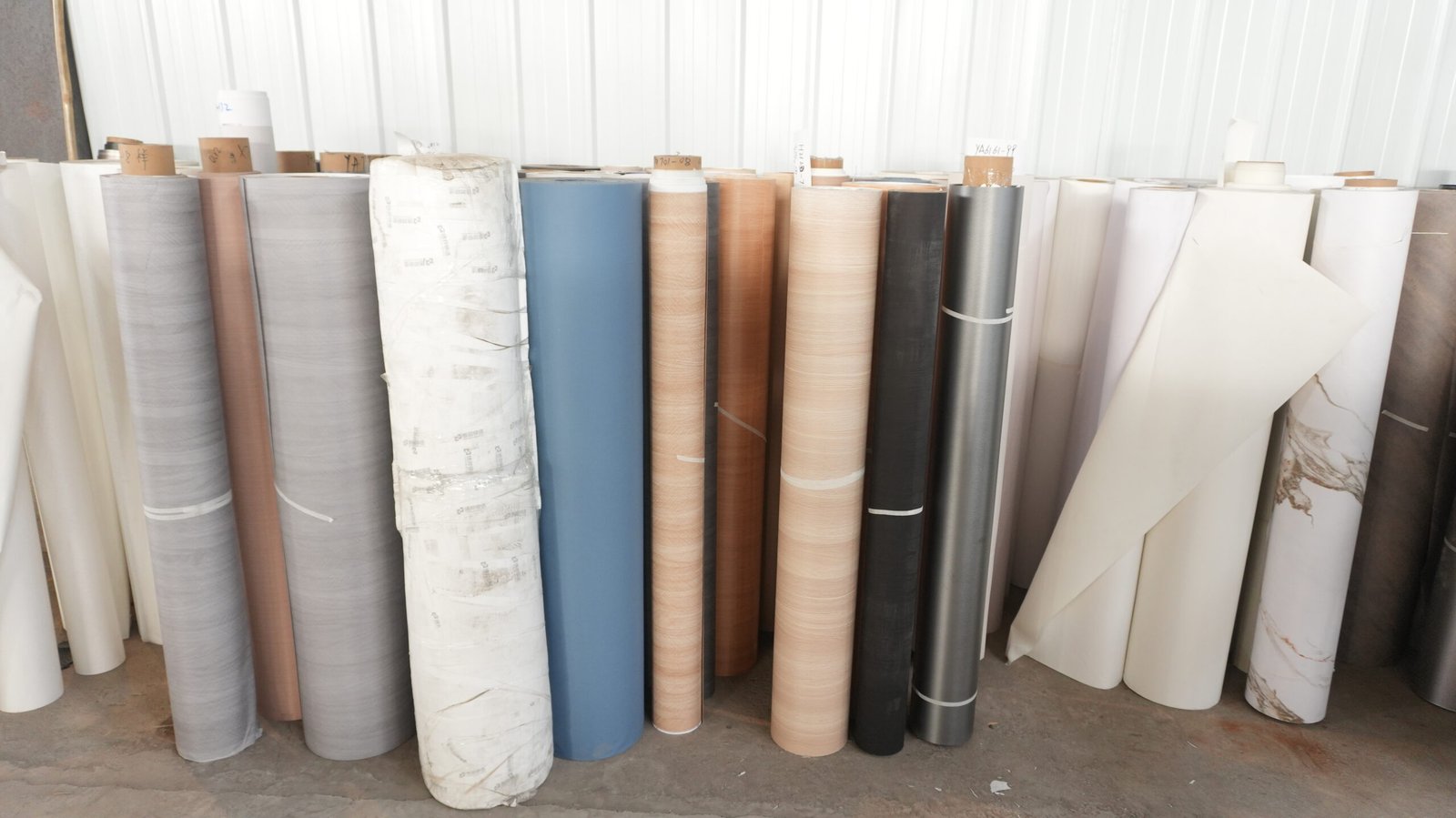
Consider color, grain pattern, gloss level and texture. If the panel is part of a branded decorative range, provide the original reference or a physical sample for comparison.
5. Check equipment and application conditions
Machine type, feed speed, adhesive compatibility, temperature, pressure and trimming settings can all influence the final finish. The recommended processing conditions should be confirmed for the selected material.
6. Test the actual profile before mass production
For complex curves, a sample run is a practical way to check whether the edge banding follows the shape cleanly and whether the finished result meets the project’s visual requirements.
We can discuss requirements such as:
- Color and pattern matching: Solid colors, woodgrain designs and other decorative references.
- Surface appearance: Matte, smooth, textured and selected glossy finishes.
- Dimensions: Available thicknesses from 0.4 mm to 3 mm and widths from 9 mm to 120 mm, subject to material and production availability.
- Project requirements: Intended panel substrate, furniture profile, production method and estimated order quantity.
- Sample evaluation: Compare a proposed edge finish with the original panel before confirming bulk production.
For shaped furniture, it is especially helpful to share a drawing, a photograph of the machined profile or a physical panel sample. This allows the material and application requirements to be discussed more accurately.
Frequently Asked Questions
Give Your Furniture Design a Cleaner Finish


Working on a curved cabinet, rounded tabletop or special shaped display unit?
Send us your panel reference, profile drawing, required dimensions and estimated quantity. Our team can help you evaluate suitable edge banding options for your next production project.