




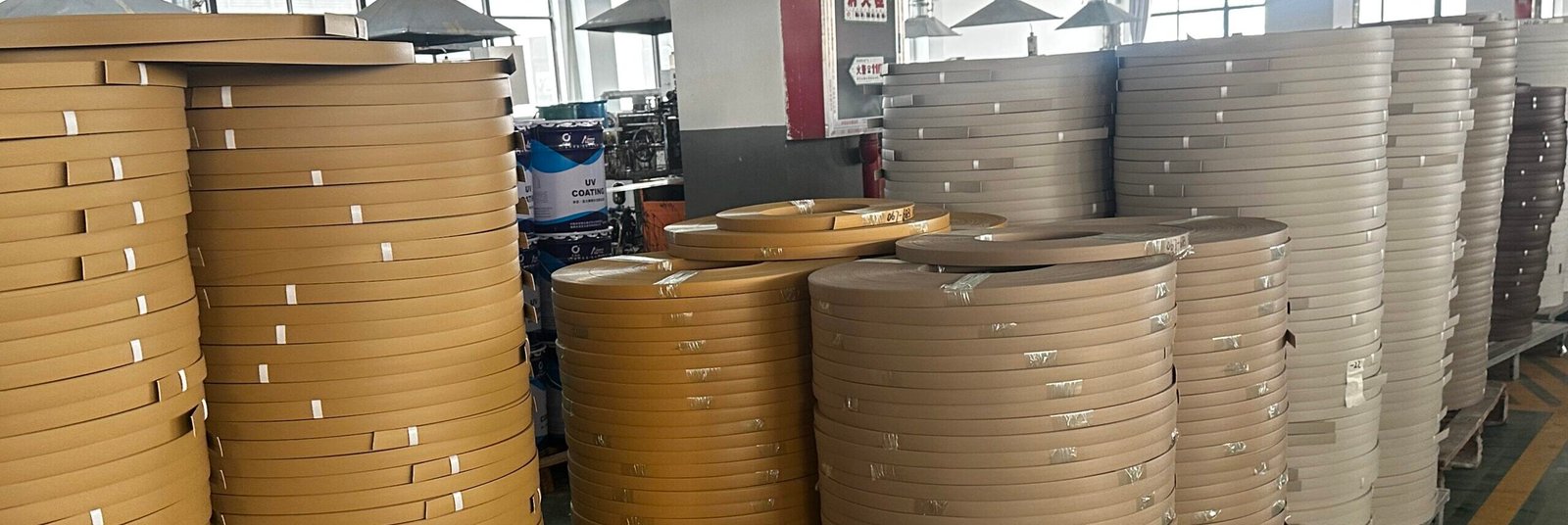
When the color doesn’t match, the whole shipment is at risk
PVC Edge Banding Color Matching
How our color matching system works, what custom decor development actually involves, and how to use our sample service to verify everything before you commit to bulk.
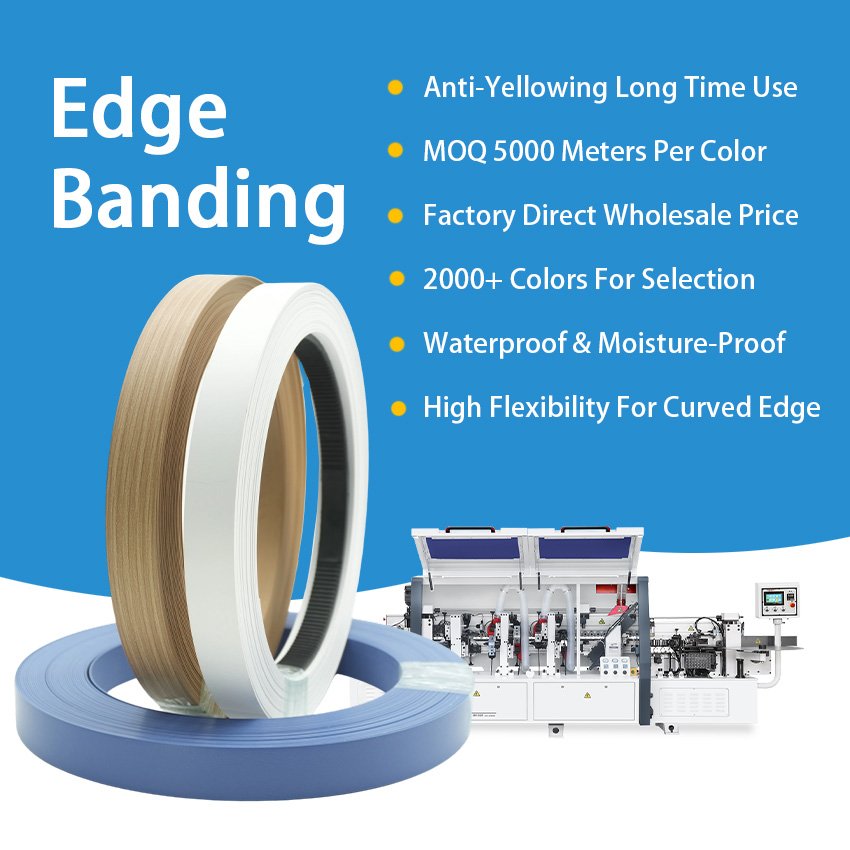
PVC Edge Banding
A furniture manufacturer in Mexico City placed a 40,000-meter edge banding order last year — same oak decor they’d been buying for two years from a different supplier. The samples looked perfect. The bulk shipment arrived two shades lighter. Their downstream client, a regional kitchen retailer, rejected the entire batch of finished cabinet doors. The manufacturer ate $80,000 in rework and lost the account.
This story isn’t rare. Color mismatch is the single most common reason B2B edge banding shipments get rejected — far more common than thickness errors, dimensional defects, or shipping damage.
At Shanghai Luyao, color matching is the operational core of what we do. Twenty-two years building this capability has taught us that the difference between a reliable supplier and a risky one isn’t price or speed — it’s whether your tenth reorder still matches your first.
Why color matching is genuinely hard
Edge banding doesn’t exist in isolation. It has to match a panel — usually melamine-faced particleboard or MDF — that’s manufactured by a completely different factory using a completely different process. The panel uses decorative paper impregnated with melamine resin, hot-pressed onto the substrate. The edge banding uses PVC film printed by gravure cylinders. Two different materials, two different printing technologies, two different supply chains — but they have to look like the same product when assembled into a finished cabinet.
A cheap supplier prints from a generic sample book and hopes your panel is close enough to one of their existing decors. A serious supplier matches to your specific panel sample, controls for the variables above, and verifies the match under standardized lighting before approving production. The cost difference between these two approaches is real — but so is the cost of a rejected shipment.

Our color matching system
We run a four-stage color matching protocol on every new decor or panel match request. This process applies whether you’re matching to an existing panel, requesting a custom color, or replacing a competitor’s edge banding.
Stage 1 — Sample receipt and analysis
You send us a physical panel sample, a piece of existing edge banding, or a precise color code (Pantone, NCS, RAL, or panel supplier’s internal code). Physical samples are strongly preferred because color codes alone don’t capture surface texture, gloss level, or the way the decor reads under different lighting. We log every incoming sample with a tracking number and store it in our color archive permanently.
Stage 2 — Spectrophotometer measurement and ΔE baseline
Each sample is measured using a calibrated spectrophotometer to capture its exact color coordinates in CIE Lab color space. This gives us a numerical baseline — not a visual impression. The target tolerance for our matching is ΔE ≤ 1.5 under D65 lighting, which is the threshold below which most human eyes cannot distinguish two colors side by side. For critical accounts we tighten this to ΔE ≤ 1.0.
Stage 3 — Pigment formulation and trial printing
Our color technicians formulate a pigment recipe targeting the measured Lab values. The recipe is trial-printed on a short pilot run — typically 50-100 meters — on the exact PVC substrate we’ll use for bulk production. The pilot is then measured against the original sample under standardized D65 lighting in our color matching booth. If ΔE falls within tolerance, the recipe is approved. If not, the formula is adjusted and the pilot re-run. Most decors hit tolerance in 2-3 iterations; complex woodgrains can take 4-5.
Stage 4 — Customer approval before bulk production
Once the in-house match passes tolerance, we cut a meter of the approved pilot and ship it to you by DHL or FedEx for final approval. No bulk production starts until you sign off on this physical sample. This is the non-negotiable last checkpoint — because no matter how good our spectrophotometer reads, the only color match that matters is the one your eyes approve under the lighting in your facility.

2,000+ archived, 500+ active
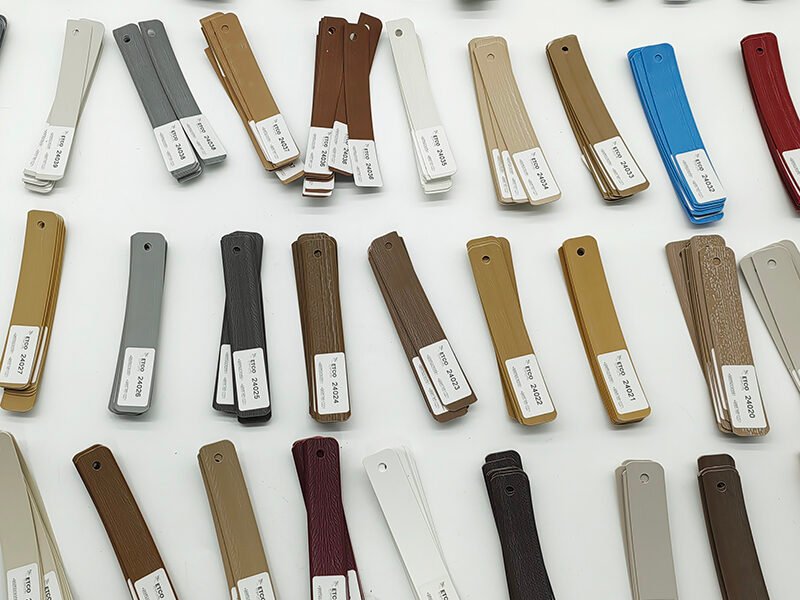
Our decor library
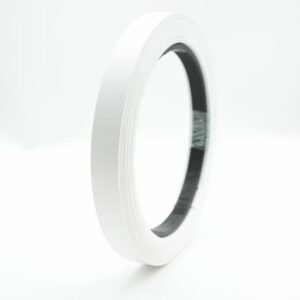
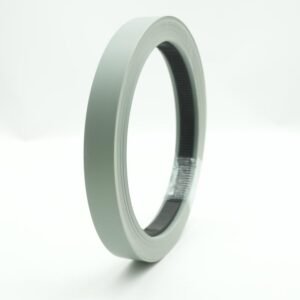
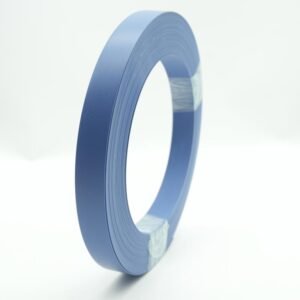
- Solid colors — 200+ shades covering the standard furniture palette, from pure whites and warm creams through full grey scale to saturated reds, blues, and greens popular in Latin American and Middle Eastern markets
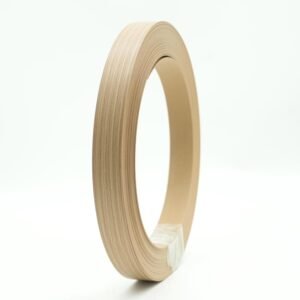
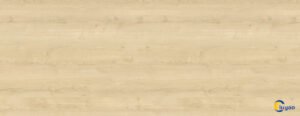
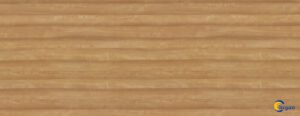
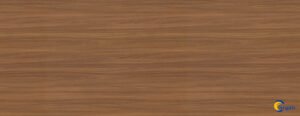
- Wood grains — 250+ patterns covering oak, walnut, beech, teak, maple, sapele, zebrano, wenge, and regional favorites
- High gloss and super matt — 50+ finishes in both directions, including the trending super matt textures that resist fingerprints
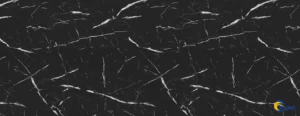
- Specialty finishes — metallics, stone-look patterns, fabric-look decors, and concrete-look textures for design-forward applications
For B2B buyers, this library serves three practical functions.
First, chances are high we already have or have previously matched the decor you need — saving you the time and cost of a custom development cycle.
Second, our archive lets us reproduce a decor years after the original order, which matters when your downstream client comes back for a repeat project.
Third, the library acts as a starting point for custom work — if you need a color that’s close to an existing decor but slightly different, we can adjust from a known baseline rather than developing from zero.
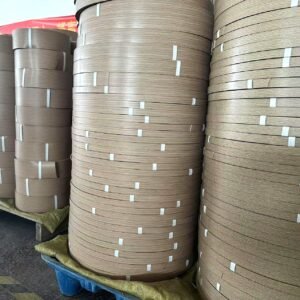
Stock decors ship within 15-20 days of order confirmation. Active library decors with sufficient warehouse stock can ship in as little as 7-10 days for smaller orders. Decors that are archived but not actively in production require a fresh production run, typically adding 10-15 days to the standard lead time.






























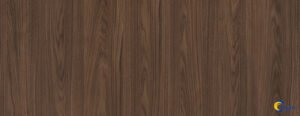

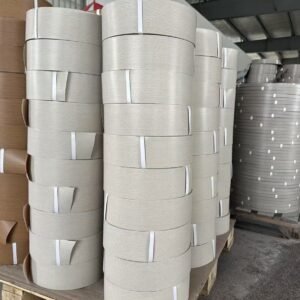
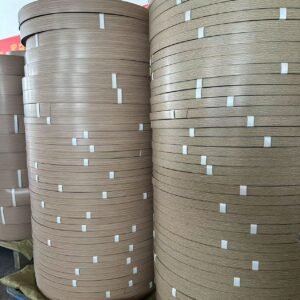
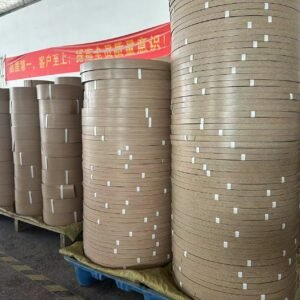
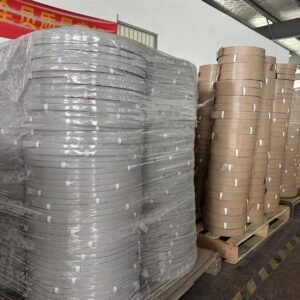
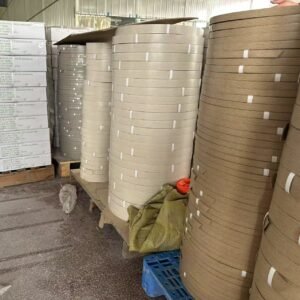
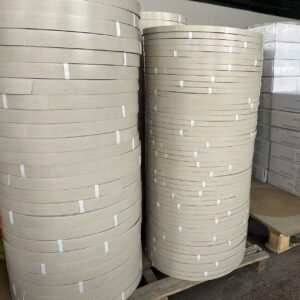
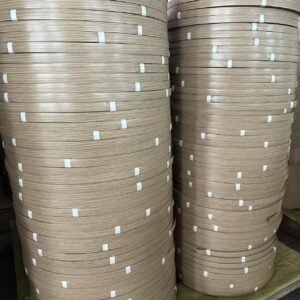
Custom decor development
When your panel or design doesn’t match anything in our existing library, we offer two custom development paths depending on your volume and timeline.
Path A — Color customization on existing decor base
If your target decor is structurally similar to one in our library but needs a different color tone, we customize from the existing base. Example: you need an oak woodgrain with a slightly warmer undertone than our standard “Natural Oak.” We keep the grain pattern, the texture, and the gloss level, then adjust the pigment formula to shift the color toward your target.
- Development time: 7-15 days from sample receipt to approved pilot
- Minimum order quantity: 2,000 meters per color
- Development cost: typically free for orders above 5,000 meters, otherwise quoted case-by-case
- Best for: brand-specific color positioning, regional market preferences, matching a competitor’s color
Path B — Full custom decor with new printing cylinder
If you need a completely new pattern — your own woodgrain design, a proprietary texture, a unique stone-look or fabric-look pattern not in our library — this requires engraving a new gravure printing cylinder. This is the route taken by larger distributors developing private-label decors and by furniture manufacturers building proprietary product lines.
- Development time: 30-45 days including cylinder engraving and color matching
- Minimum order quantity: 10,000 meters per decor
- Cylinder tooling cost: USD 1,500-3,000 depending on pattern complexity, often amortized into pricing for committed annual volume
- Exclusivity: available — you can lock the cylinder so we don’t sell the same pattern to other buyers in your market
- Best for: private label programs, brand differentiation, downstream OEM contracts requiring proprietary decors
Both paths follow the same four-stage matching protocol described above. The difference is the starting point — Path A starts from an existing recipe; Path B starts from raw pigment formulation against a new substrate.
Production color consistency
Getting the sample right is half the work. The harder half is making sure the bulk production matches the approved sample across thousands of meters. Three operational practices keep our production aligned with approved samples:
Pigment batch lock-in. Once a recipe is approved, we lock the exact pigment lot numbers used in the matching pilot. Bulk production draws from the same pigment lot whenever possible. When a pigment lot is exhausted, we re-verify the recipe against the original sample before continuing — we don’t just substitute and hope.
In-process spectrophotometer sampling. Every 30 minutes of production, the operator pulls a sample and measures it against the approved master. If ΔE drifts beyond 1.5, the line stops and the issue is corrected before more material is produced. This is the difference between catching a problem at 200 meters versus catching it at 20,000 meters.
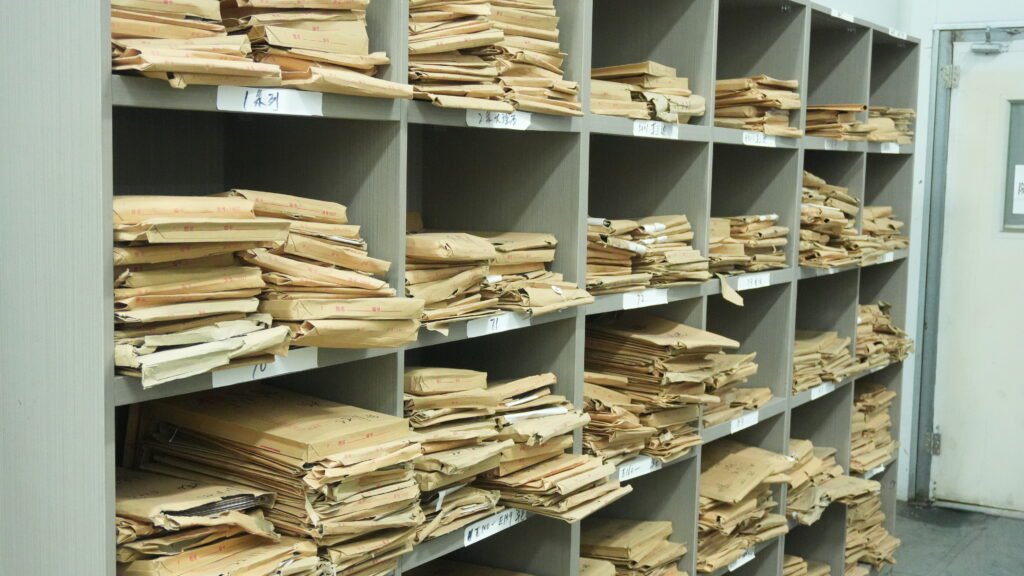
Master sample archiving. Every approved sample is permanently archived in our color library with a unique reference number. When you reorder six months or two years later, we measure against the archived master — not against a fresh interpretation of the decor code. This is how we maintain color consistency across reorders that other suppliers can’t.