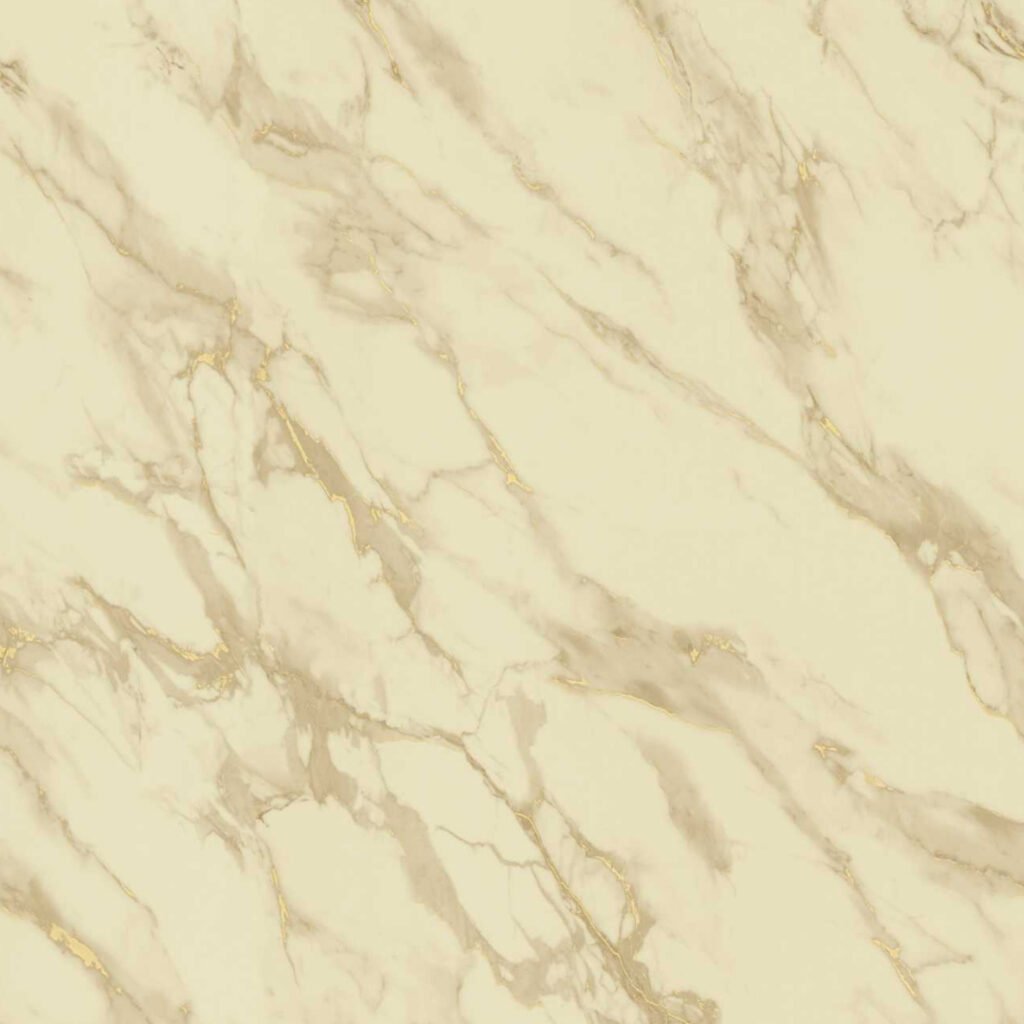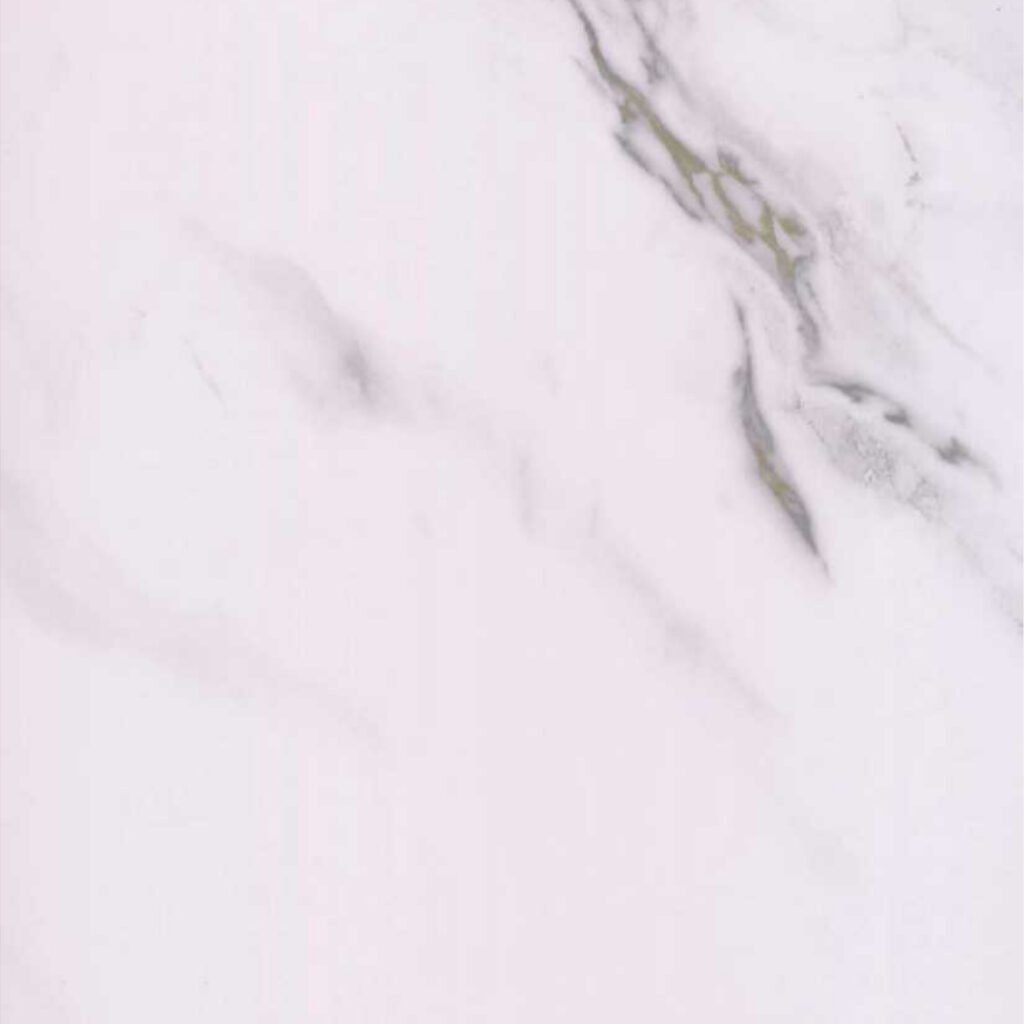



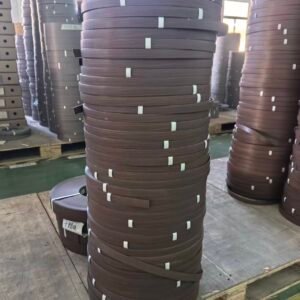

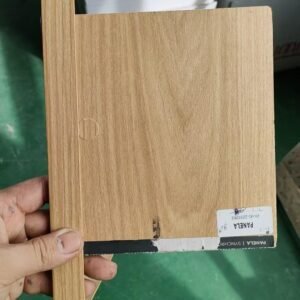

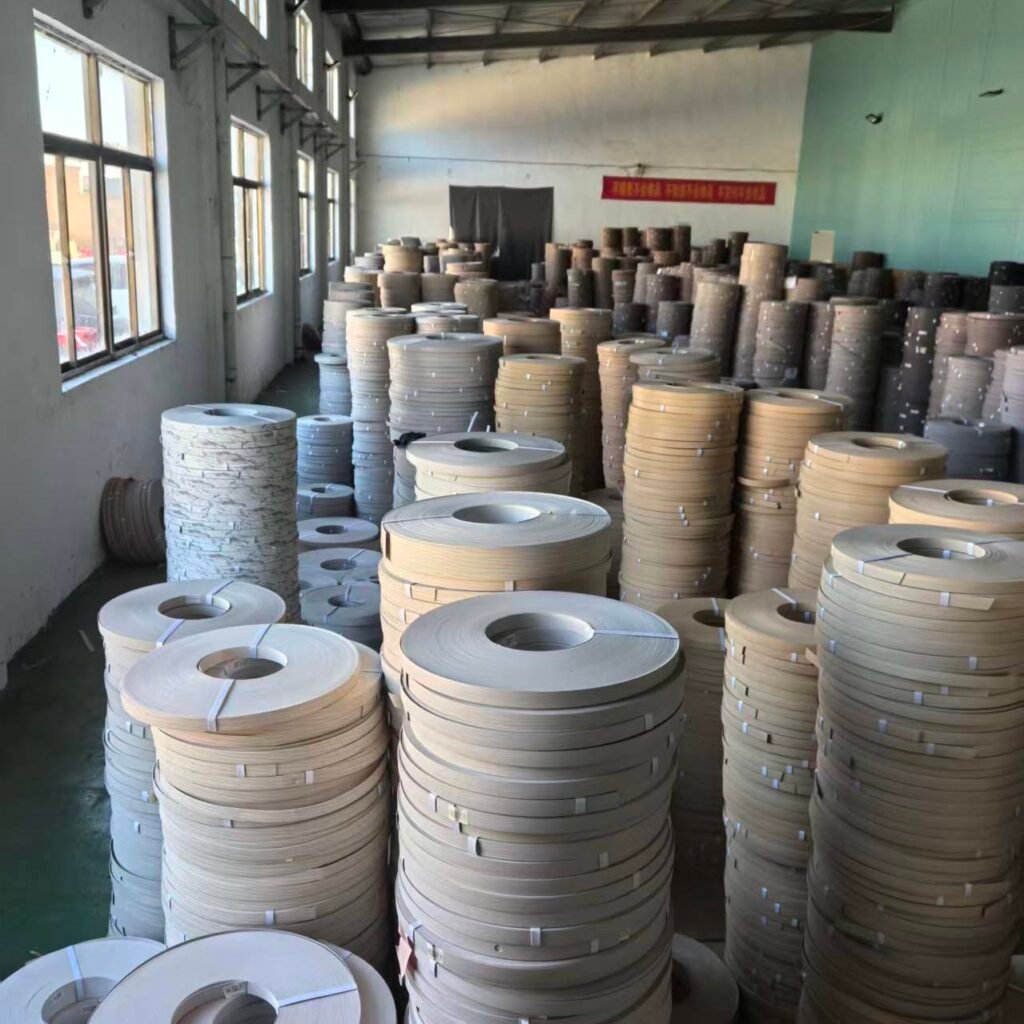
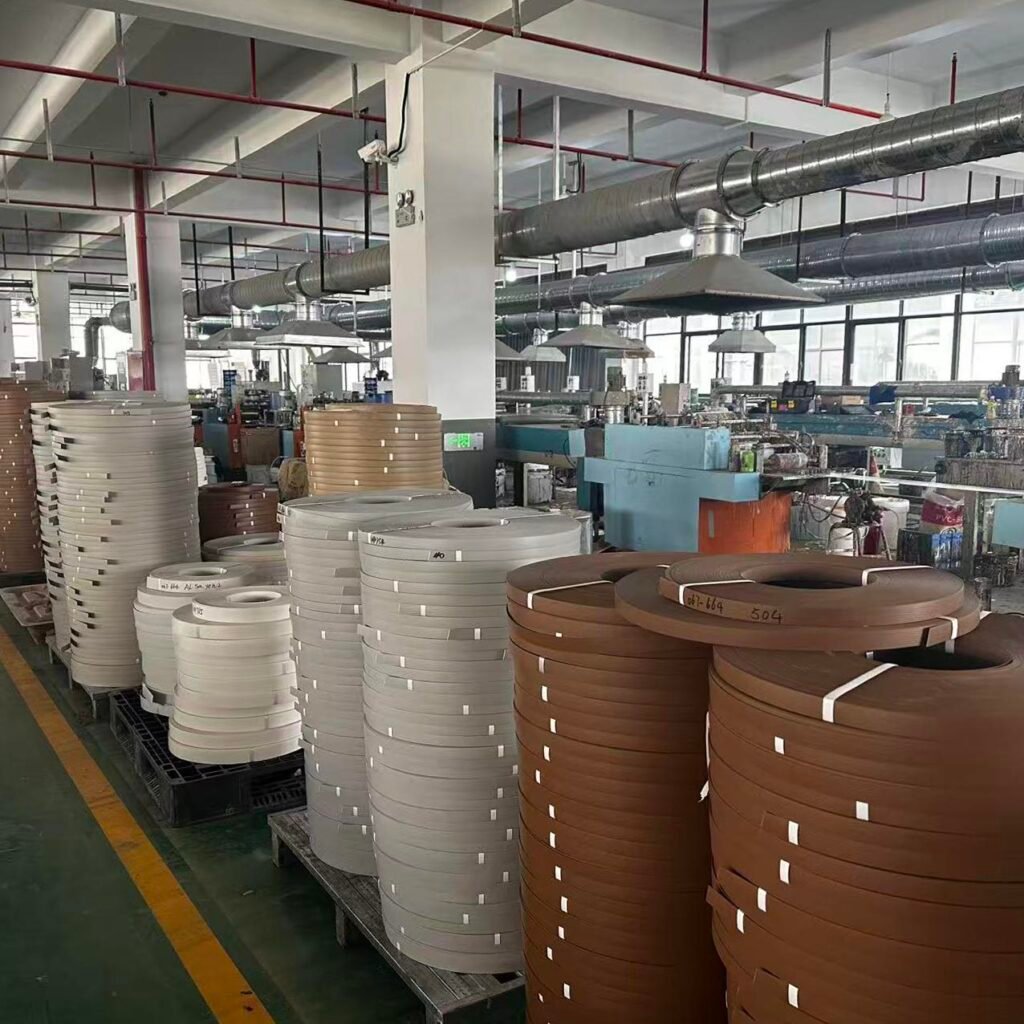
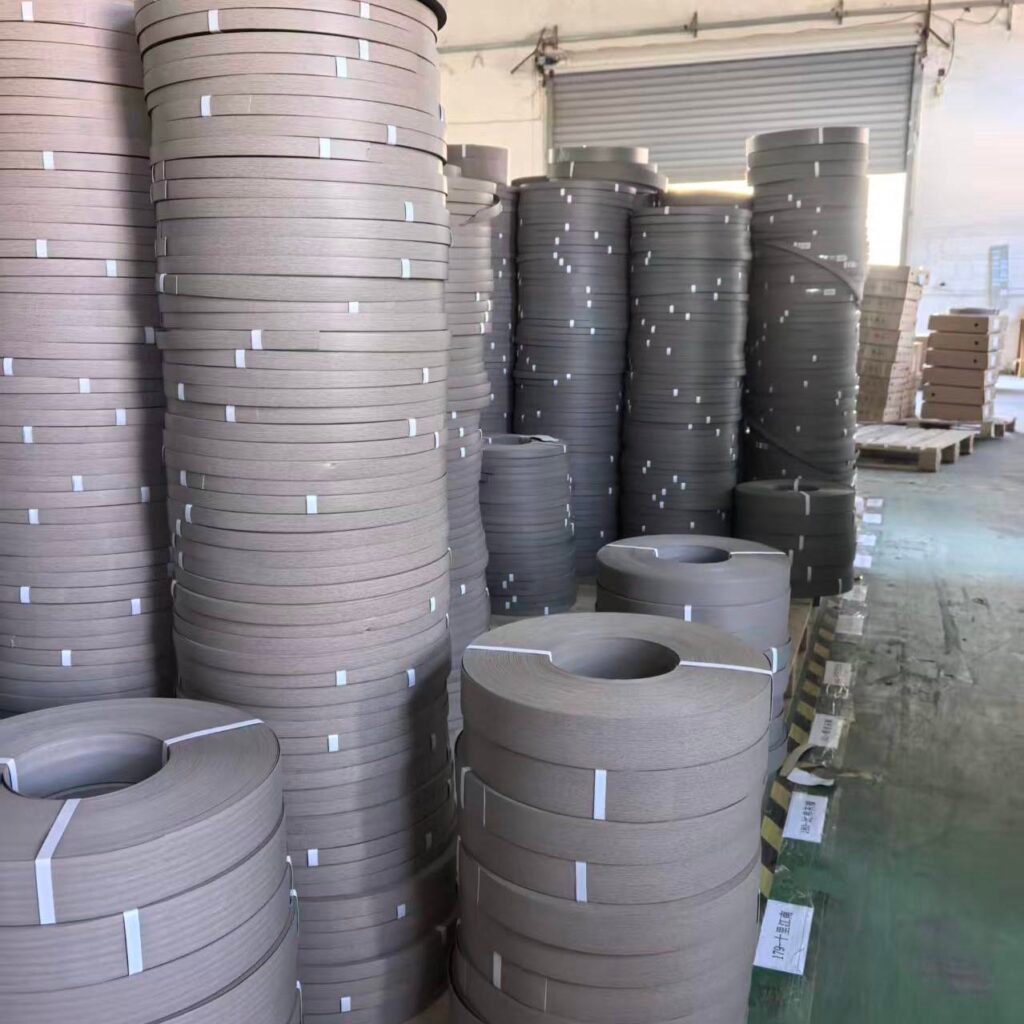
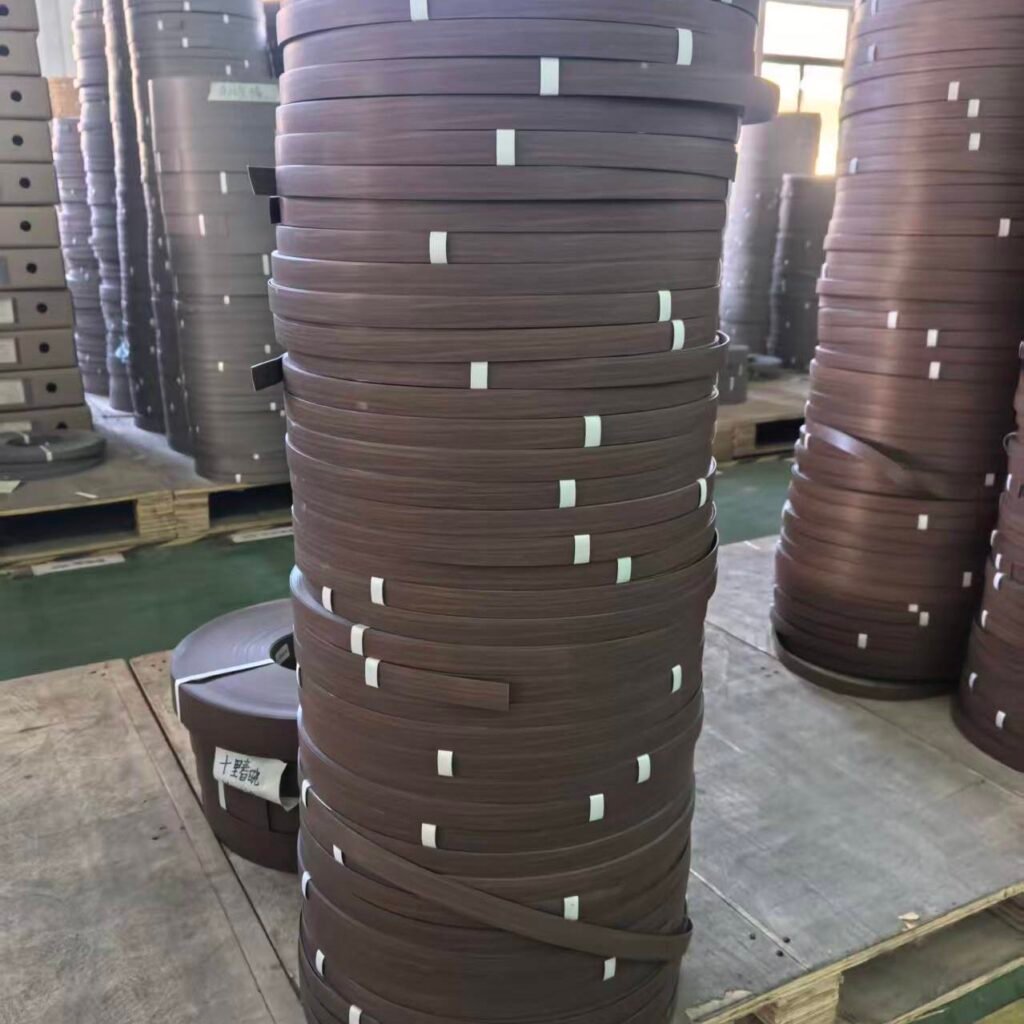
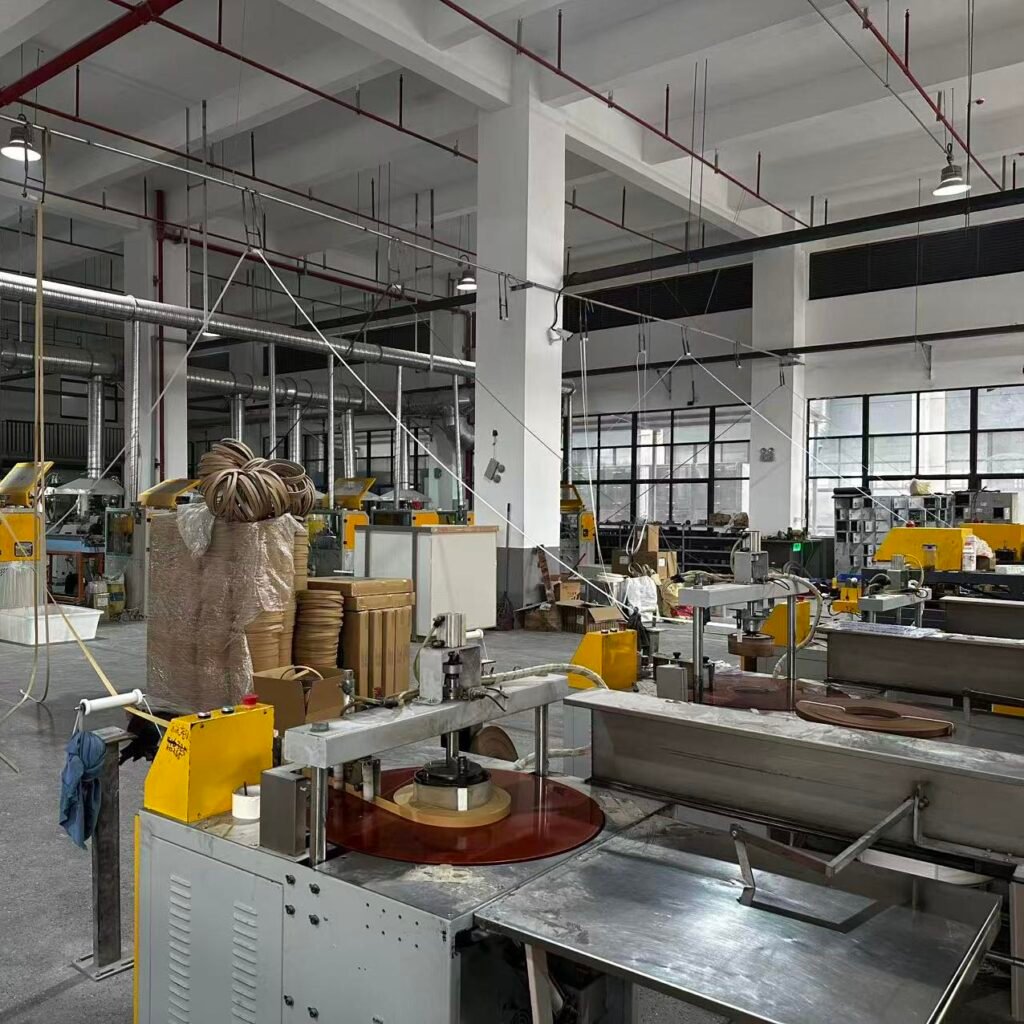
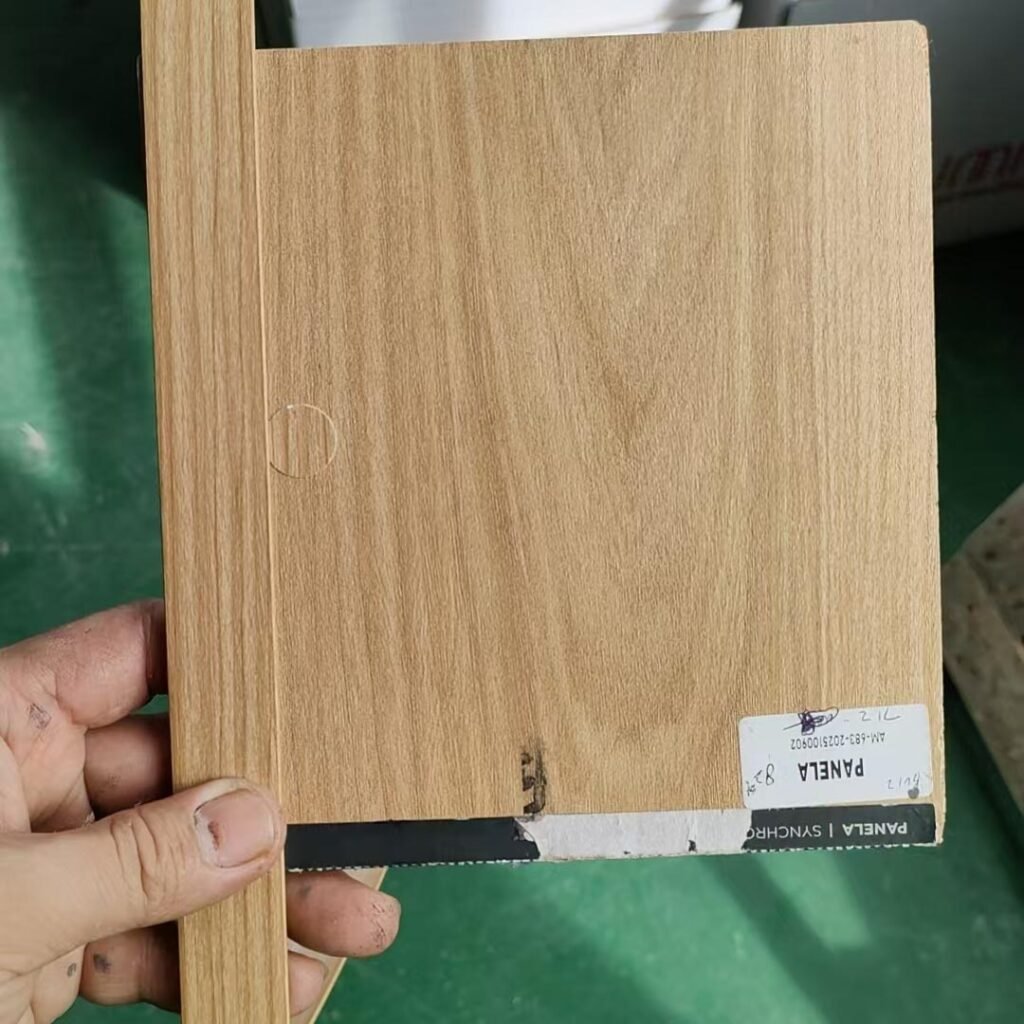
Cleaf traccia edge banding UB43
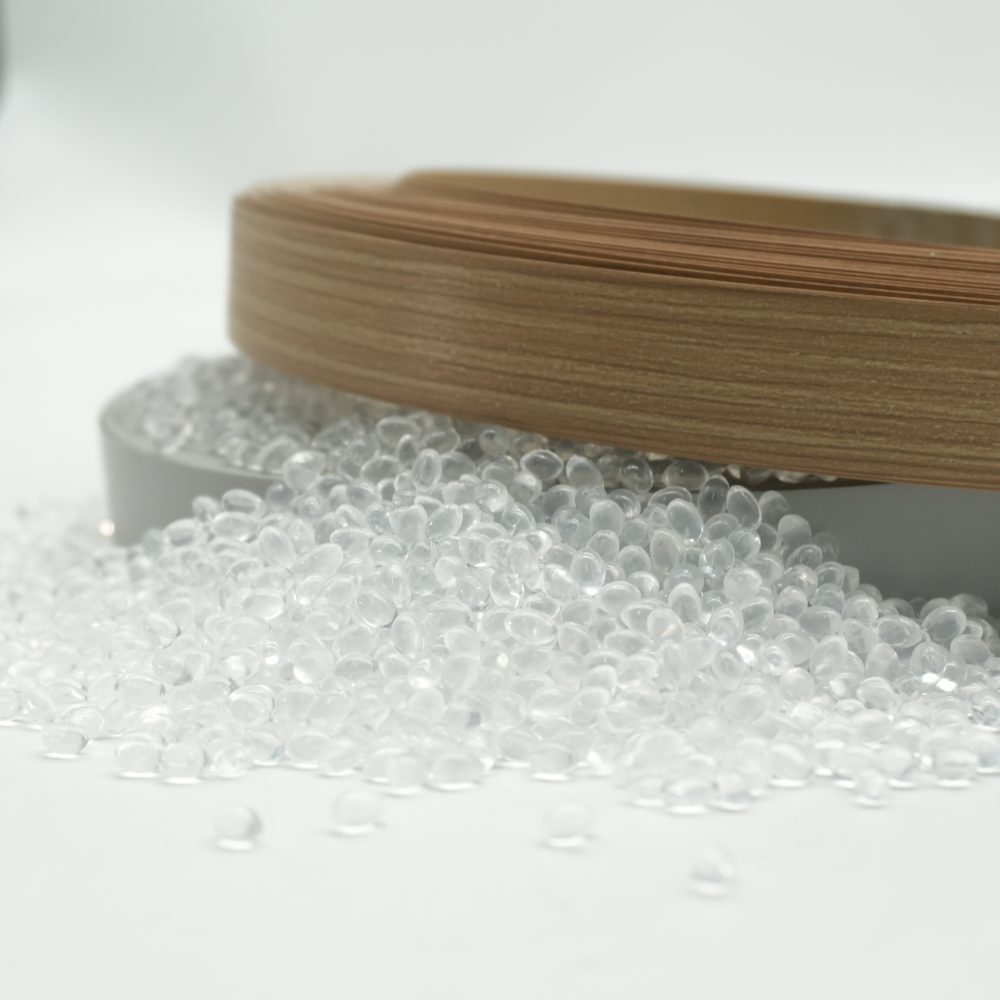
Our matching edge banding can be produced in PVC or ABS according to project requirements, with customized width and thickness options for different furniture components. Before bulk production, customers can request samples to compare the edge against their actual panel and test it on their normal edge-banding equipment. The result is a more controlled transition…
Note: All our samples are shipped the same day. The samples are free, but the express shipping charges are the buyer’s responsibility. Once the order is confirmed, these charges can be reimbursed from the order total.
Payment & Security

Cleaf traccia edge banding UB43
Once a Traccia UB43 board is cut into a cabinet door, drawer front, shelving panel or furniture side, the exposed edge becomes another visible part of the component. The difference between a convincing match and an average one is often found in small details: color, surface feel, texture direction, edge thickness and the way the strip looks after trimming.
That is why our edge banding UB43 is approached as a panel-matching project rather than a standard color strip.
Cleaf identifies Traccia edge banding UB43 as a decorative panel reference based on chipboard or MDF, with panel dimensions of 2800 × 2070 mm and thicknesses from 8 to 38 mm. The matching Cleaf HPL reference is listed at 2760 × 2040 mm with a 0.9 mm thickness. The original Cleaf UB43 edge reference is ABS, with listed heights from 15 to 350 mm and thicknesses from 0.5 to 2.0 mm.
For customers sourcing an independently manufactured alternative, we can discuss PVC or ABS construction according to the application, machinery and purchasing requirements.
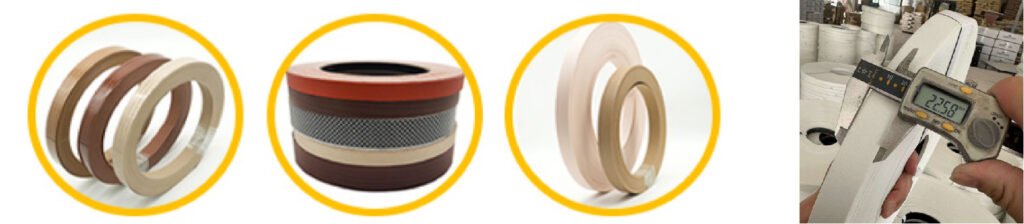
Why Texture Direction Matters on UB43
Traccia edge banding UB43 is not simply a flat color.
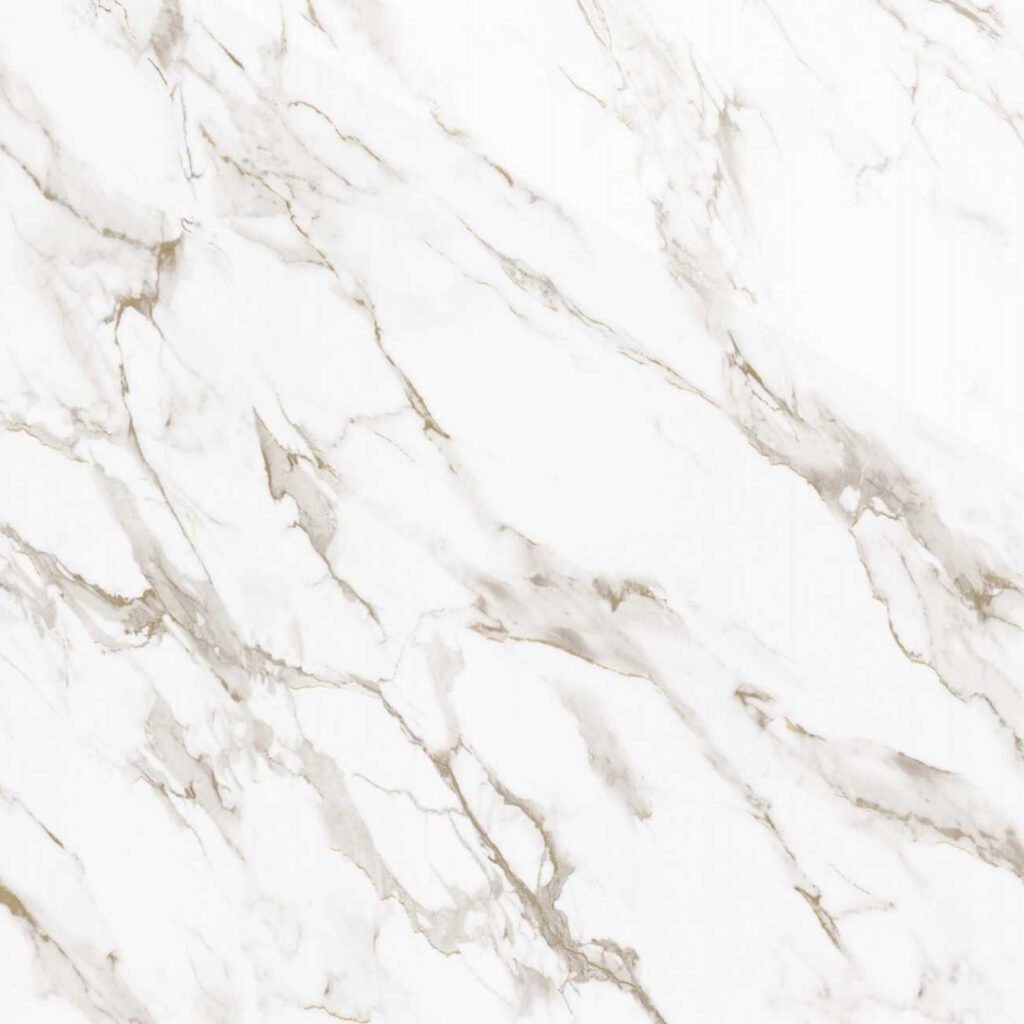
The Traccia surface is characterized by repeated positive and negative lines with a constant pitch. The contrast between the raised microstructure and smoother recessed areas gives the surface its technical visual character. Cleaf specifies the texture orientation for UB43 as vertical.
This creates an important consideration when working with edge banding.
If the panel is installed vertically, the visual movement of the surface continues in a particular direction. When the board is cut, machined and edged, the exposed edge needs to sit naturally beside that surface rather than looking like an unrelated strip.
For furniture manufacturers, this becomes especially relevant on:
- Tall cabinet doors
- Wardrobe panels
- Kitchen fronts
- Drawer fronts
- Side panels
- Display furniture
- Wall-mounted furniture
- Retail fixtures
The objective is not to make the edge visually dominant. The better result is when the transition feels intentional and the edge supports the appearance of the complete component.
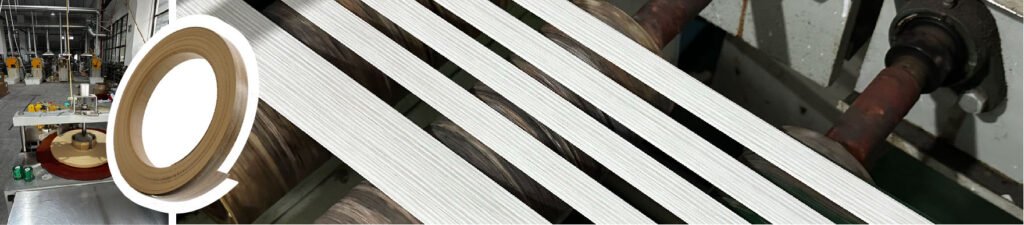
Designed Around Real Furniture Components
Different furniture parts do not always require the same edge specification.
A cabinet door may need a relatively narrow strip, while a thicker side panel can require a different width and thickness combination. Drawer fronts may also be processed differently from shelves or vertical cabinet panels.
For this reason, we recommend selecting edge banding UB43 according to the actual component rather than ordering one specification for every application.
Typical project information includes:
| Item | Recommended Information |
|---|---|
| Panel reference | Traccia UB43 |
| Panel material | MDF or chipboard |
| Panel thickness | Project-specific |
| Edge material | PVC or ABS |
| Edge thickness | Project-specific |
| Edge width | Project-specific |
| Application | Door, drawer, shelf, side panel, etc. |
| Machine process | Standard edge banding equipment |
| Quantity | Estimated purchasing volume |
This information gives our production team a clearer starting point and reduces unnecessary trial and adjustment later.
For B2B orders, we can also work from a physical panel sample when a closer visual comparison is required.
PVC or ABS: Choose the Right Construction
edge banding UB43 can be approached from two different purchasing directions.
The original Cleaf specification lists an Traccia edge banding UB43 reference. For customers looking for an independently manufactured alternative, PVC edge banding can provide another practical route, particularly where PVC is already part of the factory’s existing purchasing and processing system.
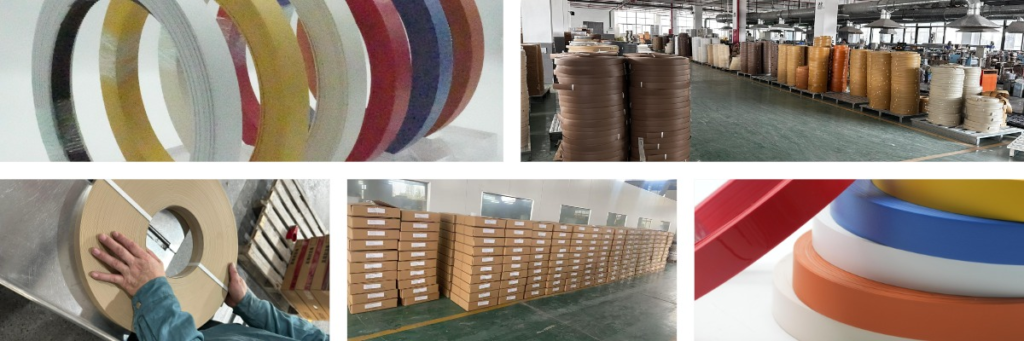
PVC is commonly selected for its flexible production options, established furniture-industry processing methods and suitability for a wide range of panel applications.
ABS may be preferred when the project specification calls for ABS material or when the customer wants to stay closer to the original material category.
Rather than presenting one material as suitable for every project, we recommend comparing:
- Panel construction
- Edge thickness
- Furniture component
- Processing temperature
- Adhesive system
- Trimming method
- Expected appearance
- Purchasing specification
The right material is ultimately the one that fits the complete production process.
The Edge Should Work With Your Machine
A good-looking sample is only the beginning.
For furniture manufacturers, the more important question is what happens when the material runs through the production line.
edge banding UB43 may be processed through normal automatic or semi-automatic edge-banding equipment, depending on the selected material, adhesive and machine configuration. The actual processing conditions should follow the edge-band and adhesive supplier’s technical recommendations.
During evaluation, we suggest checking several points rather than looking only at color:
Adhesion:
Does the strip bond evenly to the panel?
Trimming:
Does the cutter produce a clean edge without excessive tearing?
Surface appearance:
Does the edge remain visually consistent after machining?
Corner treatment:
How does the material behave when the component passes through corner-processing steps?
Final inspection:
Does the completed panel look consistent under normal workshop lighting?
Cleaf’s general ABS technical documentation also recommends preliminary compatibility testing before application, which is a sensible approach for any matching edge-band project involving different adhesives or equipment.
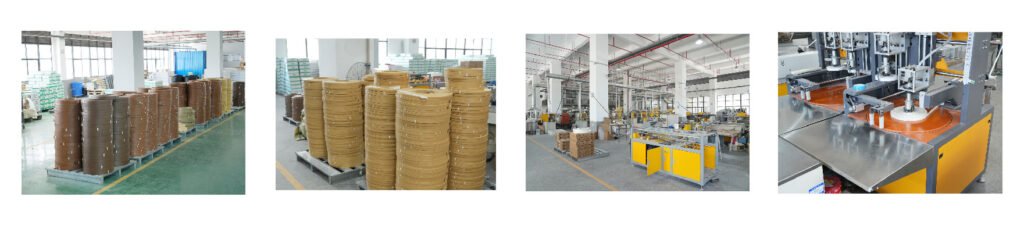
From Color Matching to Complete Edge Coordination
Color is only one part of the match.
When buyers compare an edge band against a decorative panel, several visual characteristics can influence the final result:
- Base color
- Surface gloss
- Texture
- Embossing
- Visual depth
- Edge thickness
- Trimming quality
- Lighting conditions
This is particularly relevant for structured surfaces such as Traccia.
A color can appear close when two loose samples are placed side by side but look different after the edge is applied to a three-dimensional furniture component. The viewing angle changes, the panel is exposed to different lighting, and machining can alter how the edge is perceived.
For that reason, we encourage customers to evaluate UB43 on an actual panel whenever possible.
A small production trial can reveal more than a simple color comparison.
Specification Should Follow the Finished Product
Cleaf’s official UB43 reference gives the original ABS edge a thickness range of 0.5–2.0 mm and height options beginning at 15 mm. The associated panel is listed from 8 to 38 mm thick.
However, these figures should be treated as reference specifications for the Cleaf product rather than as a universal requirement for every furniture project.
Your own component dimensions may be different.
For example, a manufacturer producing 18 mm cabinet doors may select one edge width, while another factory working with thicker panels or different machining allowances may need another. The visible edge also depends on whether the application is a door, shelf, side panel or another component.
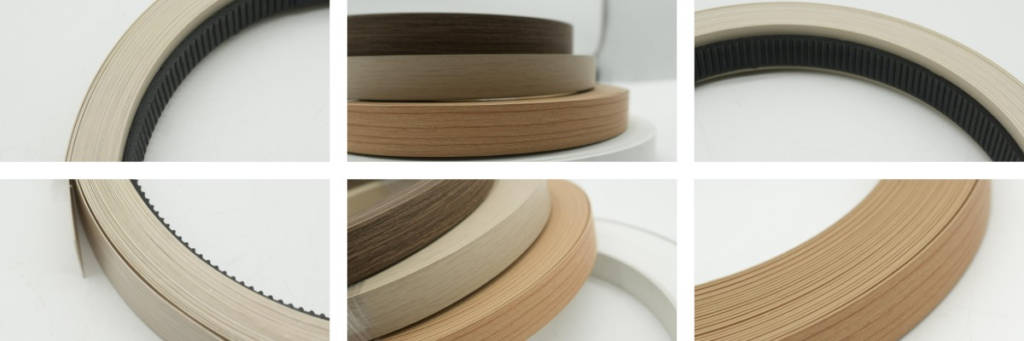
We therefore recommend confirming three measurements before production:
- Panel thickness
- Required edge width
- Required edge thickness
If the order is based on a specific cutting and trimming process, machining allowance should also be considered.
This approach helps prevent the common problem of ordering an edge band that is technically usable but inconvenient for the customer’s actual production line.
Sample Testing Before Bulk Production
We believe a sample should be more than something to look at.
A useful UB43 sample should allow the buyer to answer practical questions before placing a production order.
We recommend testing the sample on the same panel material that will be used in production.
A basic evaluation can include:
Step 1 — Visual comparison
Place the edge band against the UB43 panel under the lighting normally used in your showroom or workshop.
Step 2 — Machine trial
Run the strip through the same edge-banding equipment used for production.
Step 3 — Trimming inspection
Check the top and bottom trimming surfaces after machining.
Step 4 — Corner evaluation
If the project includes shaped components, inspect the corner-processing result.
Step 5 — Finished furniture check
Apply the edge to a representative component and evaluate it as a complete piece rather than as a loose sample.
This process gives purchasing and production teams the opportunity to identify problems before material is ordered in large quantities.
A Production Workflow Built for Repeat Orders
Once the specification has been approved, consistency becomes more important than the first sample.
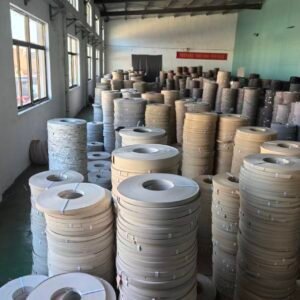
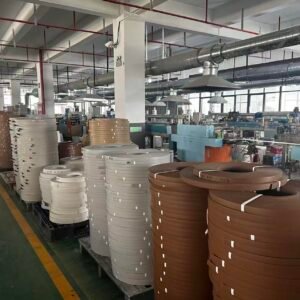
Our production approach is organized around repeatable processing from material preparation through finished rolls.
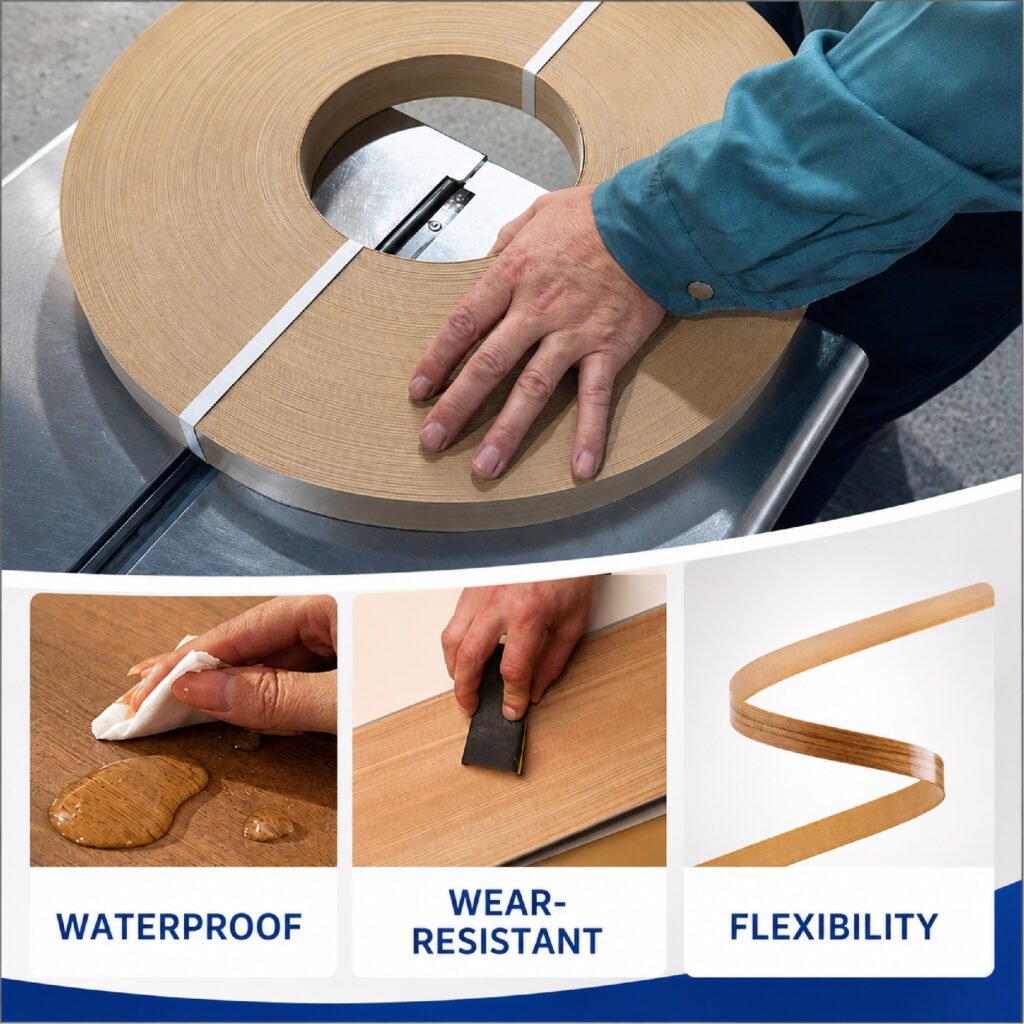
The general workflow includes:
Material Preparation
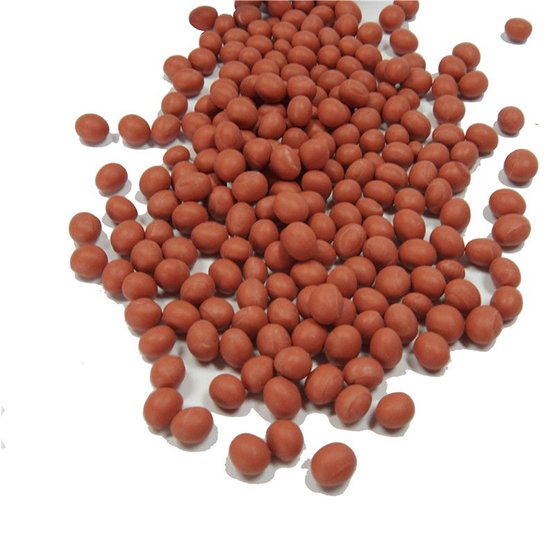
Selected raw materials and color components are prepared according to the production specification.
Extrusion
The material is processed into continuous edge-band profiles with controlled dimensions.
Surface Processing
The required surface appearance is developed according to the selected specification.
Printing / Decorative Treatment
Where applicable, the visual design is processed to achieve the required appearance.
Inspection
Production rolls are checked for dimensional and visual consistency.
Rewinding
Finished material is rewound into manageable rolls for production and shipment.
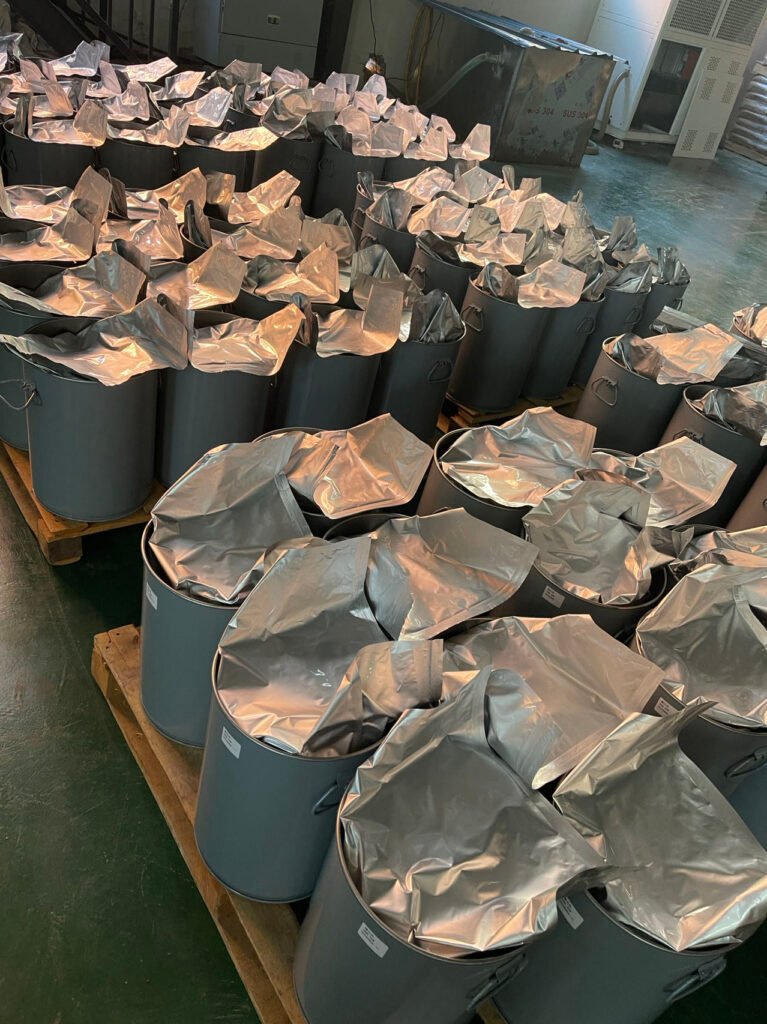
Packaging
The final rolls are packed according to the customer’s purchasing and shipping requirements.
The purpose of this workflow is straightforward: the approved sample should become a repeatable production reference rather than a one-time result.
Built for Furniture Factories and Distributors
UB43 matching edge banding can be supplied for different types of B2B customers, including:
- Furniture manufacturers
- Kitchen cabinet factories
- Wardrobe manufacturers
- Office furniture producers
- Interior contractors
- Panel distributors
- Furniture component suppliers
- Joinery companies
- Retail fixture manufacturers
For distributors, the key concern may be stable specifications and repeat ordering.
For furniture factories, machine compatibility and production consistency may matter more.
For project-based buyers, the priority may be matching a particular decorative panel and maintaining the same appearance across multiple furniture components.
That is why we do not treat every UB43 inquiry as a simple “price per meter” request.
A more useful quotation starts with the actual specification.
Once the material, width, thickness, quantity and application are confirmed, we can provide a clearer production and quotation proposal.
Quality Control Starts Before the Roll Is Packed
Edge banding quality should not be judged only after delivery.
During production, several details need to remain under control:
- Width consistency
- Thickness consistency
- Surface appearance
- Color consistency
- Printing alignment where applicable
- Edge condition
- Rewinding quality
- Packaging condition
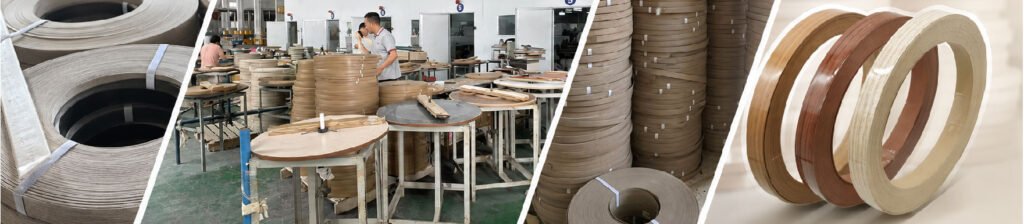
For a decorative matching product, visual inspection is particularly important because small differences can become more noticeable when several furniture components are installed next to each other.
Cleaf’s own technical documentation notes that differences in color and gloss can occur between production runs and recommends checking components intended to sit next to each other for consistency.
For this reason, keeping an approved sample as the production reference is a practical step for repeat orders.
When the same specification needs to be reordered, the previous approved sample, dimensions and production notes can help establish a clearer reference for the next batch.
A Practical edge banding UB43 Solution for Your Next Furniture Project
The value of a matching edge band is ultimately measured on the finished furniture.
When the panel is cut, the edge is exposed. When the edge is machined, its real behavior becomes visible. When several components are assembled together, color, texture and dimensional consistency become easier to judge.
That is why our edge banding UB43 solution is designed around the complete purchasing process:
Reference → Sample → Machine Test → Specification Approval → Production → Inspection → Shipment
This method gives furniture manufacturers a more practical way to evaluate a matching edge before committing to larger quantities.
Whether you need PVC for an established production system, ABS to align with the original material category, a specific width for a furniture component or a repeat supply program for a distributor, the first step is to establish the correct specification.
Send us your UB43 panel reference, required width, thickness and estimated quantity. If you have a physical panel sample, that can also be used as a reference for the matching process.
Frequently Asked Questions About Cleaf Traccia Edge Banding UB43
What is Cleaf Traccia UB43?
UB43 is a color and decorative reference within the Cleaf Traccia range. Cleaf lists the UB43 faced panel as suitable for chipboard and MDF, with a 2800 × 2070 mm format and thicknesses from 8 to 38 mm.
Is edge banding UB43 available in ABS?
Yes. Cleaf’s official edge banding UB43 product information lists the matching edge as ABS, with a thickness range of 0.5–2.0 mm and heights from 15 mm upward according to the published reference.
Can I order UB43 in PVC?
Our independently manufactured UB43 matching solution can be produced in PVC according to project requirements. PVC is offered as an alternative material for customers who prefer to use PVC within their existing furniture production system.
Is your edge banding UB43 an original Cleaf product?
No. Our UB43 edge banding is independently manufactured as a matching solution for customers working with the Cleaf Traccia edge banding UB43 decorative reference. It should not be presented as an original Cleaf accessory.
What information should I provide for a quotation?
The most useful information is the UB43 reference, required material, width, thickness, estimated quantity and application. A panel sample is also helpful when a closer visual evaluation is required.
Can I receive a sample before placing a bulk order?
Yes. We recommend sample evaluation before bulk production, especially when color, texture and machine-processing performance are important to the project.
What furniture can use edge banding UB43?
It can be considered for cabinet doors, wardrobe panels, kitchen furniture, drawers, shelves, side panels, office furniture, retail fixtures and other panel-based furniture applications.
How should I select the edge width?
The required width should be based on the panel thickness, machining process and finished component. It is better to confirm the actual furniture component before selecting the final specification.
Parameter Table
| Attributes | Value |
|---|---|
| Brand | Cleaf |
| product | Pvc edge banding |
| Application | bathroom cabinets, cabinets, display cabinets, Furniture manufacturing, hotel projects, interior doors, office furniture, wardrobes |
| Thickness | 0.4mm, 0.8mm, 1.0mm, 1.5mm, 2.0mm, 3.0mm, Customizable |
| Width | 12mm, 16mm, 18mm, 20mm, 22mm, 30mm, 40mm, 50mm, 60mm, 70mm, 80mm, 90mm, 9mm, Customizable |
| Lead Time | 20 days |
| Adhesive Type | EVA hot melt glue, PUR hot melt glue |
| Application Method | automatic edge banding machine |
| PVC edge banding |
Reviews
Review

Ordered multiple batches, minimal quality fluctuation