





Factory Direct Supply | OEM Color Matching | MOQ 5000m | 24h Quotation
Edge Banding Manufacturer
22+ Years Professional Experience
Shanghai Luyao Industry Co., Ltd. supplies Edge Banding, Hot Melt adhesive, pvc skirting board, pvc film with custom colors, sizes and OEM solutions.

WHY CHOOSE US
Shanghai Luyao Industry Co., Ltd.
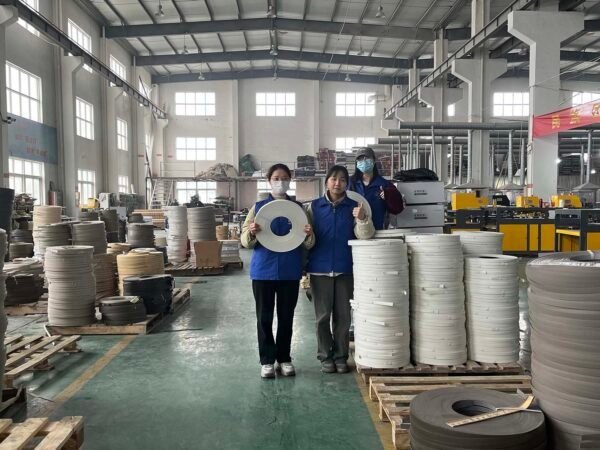
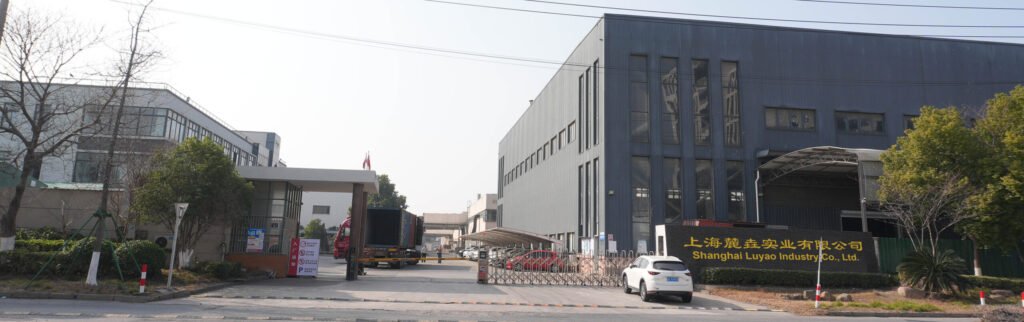
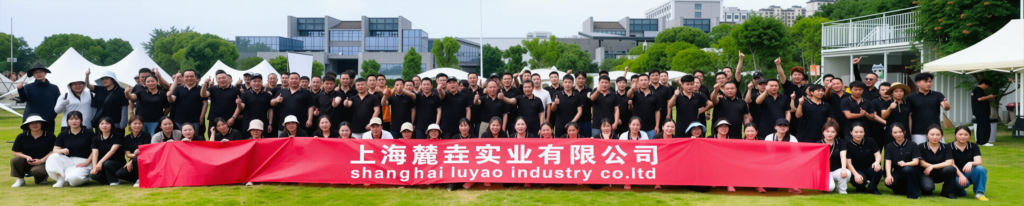
Shanghai Luyao Industry Co., Ltd. established in 2002, has grown into a leading manufacturer of high – quality PVC edge banding and PVC films. We serve customers in over 80+ countries, including Canada, Australia, Russia, Spain, and the UAE. Our two state of the art manufacturing facilities are a testament to our commitment to quality and innovation, enabling us to efficiently meet the diverse needs of our customers.
- 100,000㎡ production area
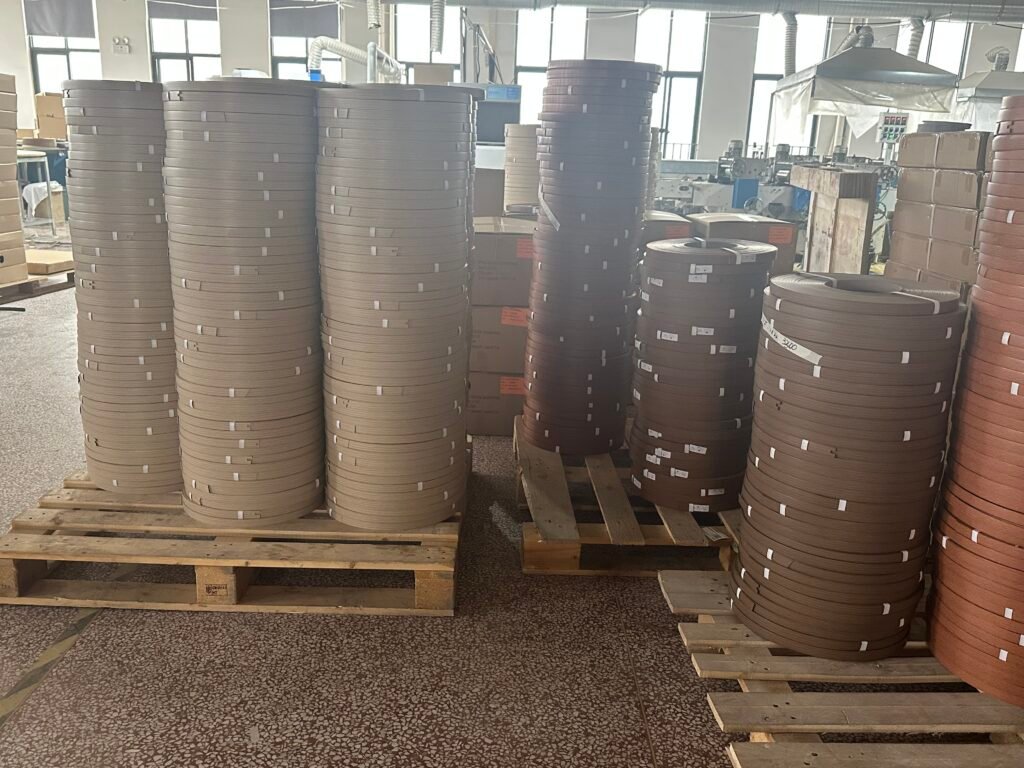
- 25,000,000+ meter stock
- 2,000+ color reference
- 99% Color Matching
- 12 Production Lines
- 80+ Countries
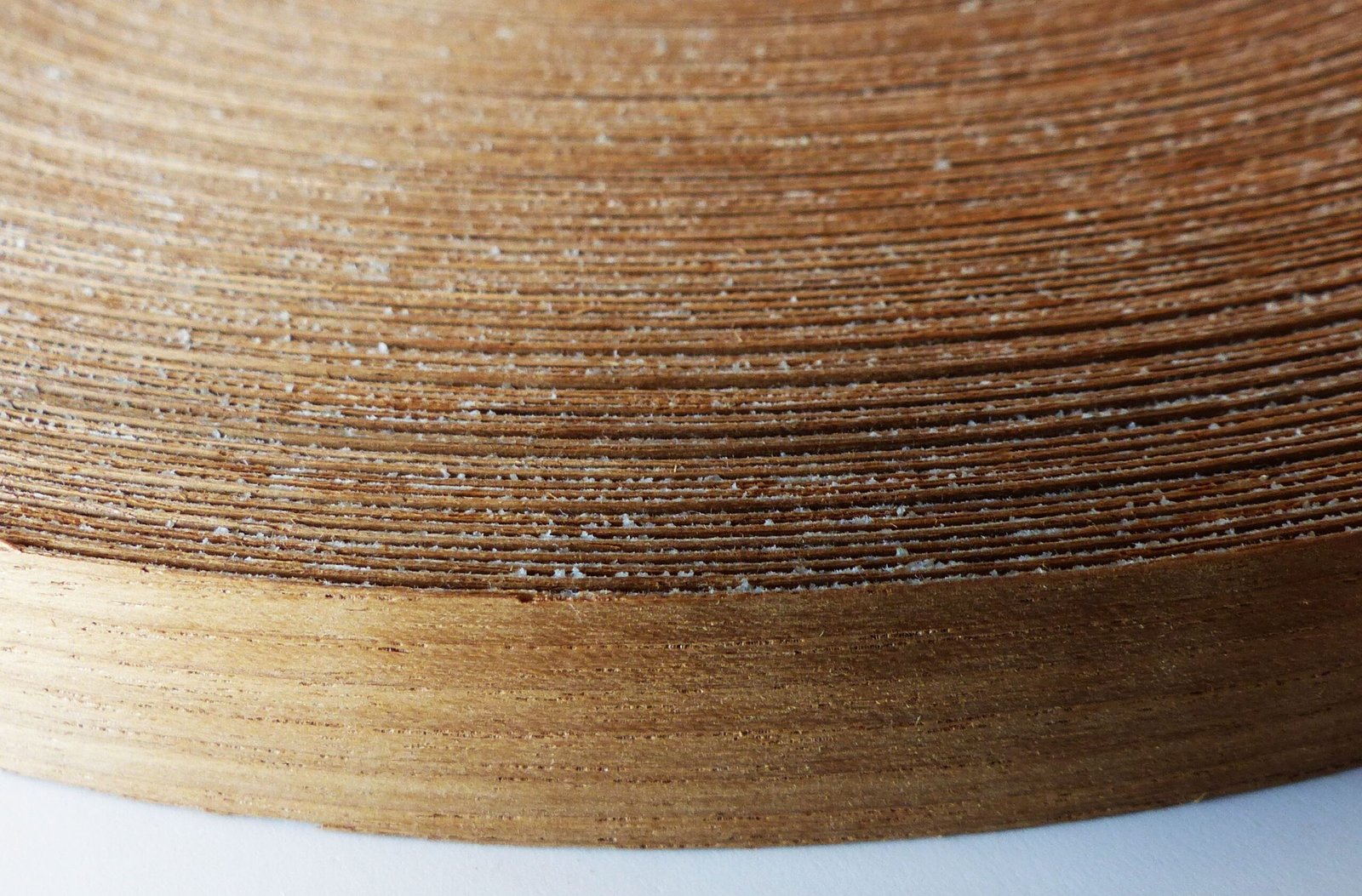
Luyao edge banding
LUYAO provide the best services
Producing the highest quality edge banding in the market, meeting the demands of the customers and taking the customers’ satisfaction number one priority.



Our service
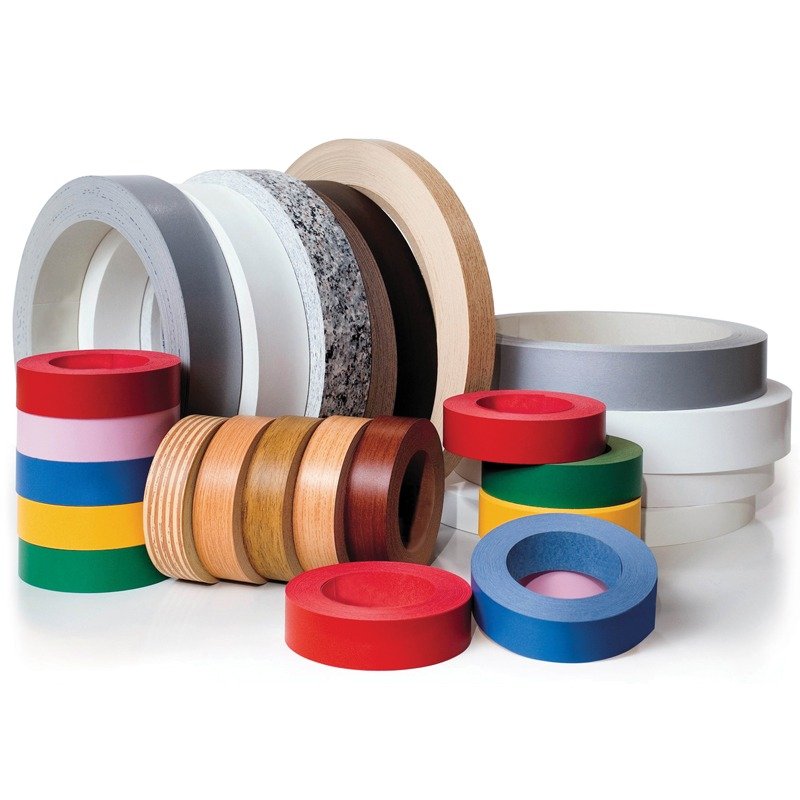
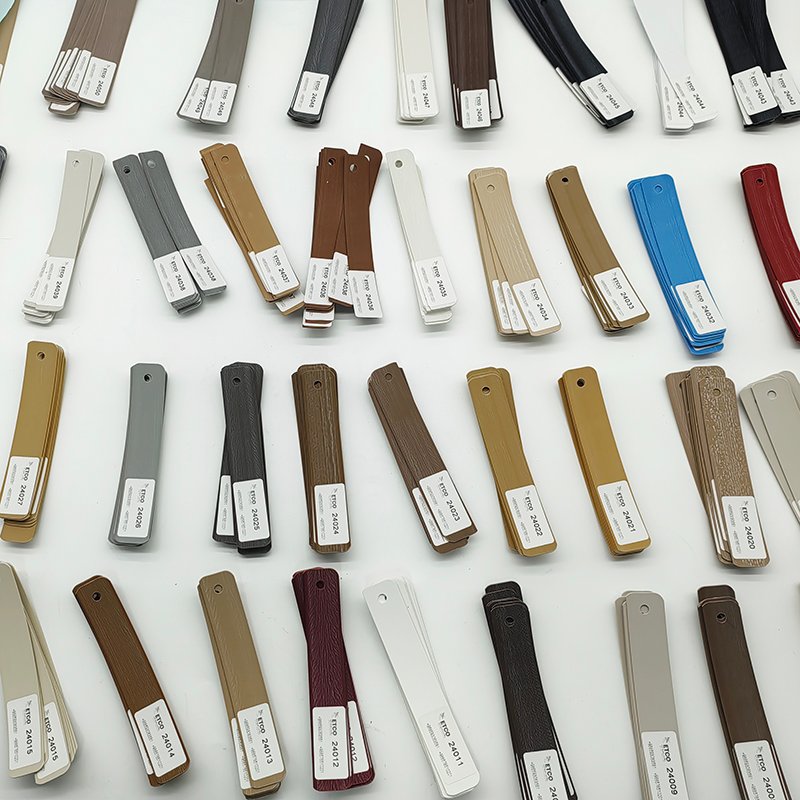
Color & Texture Option
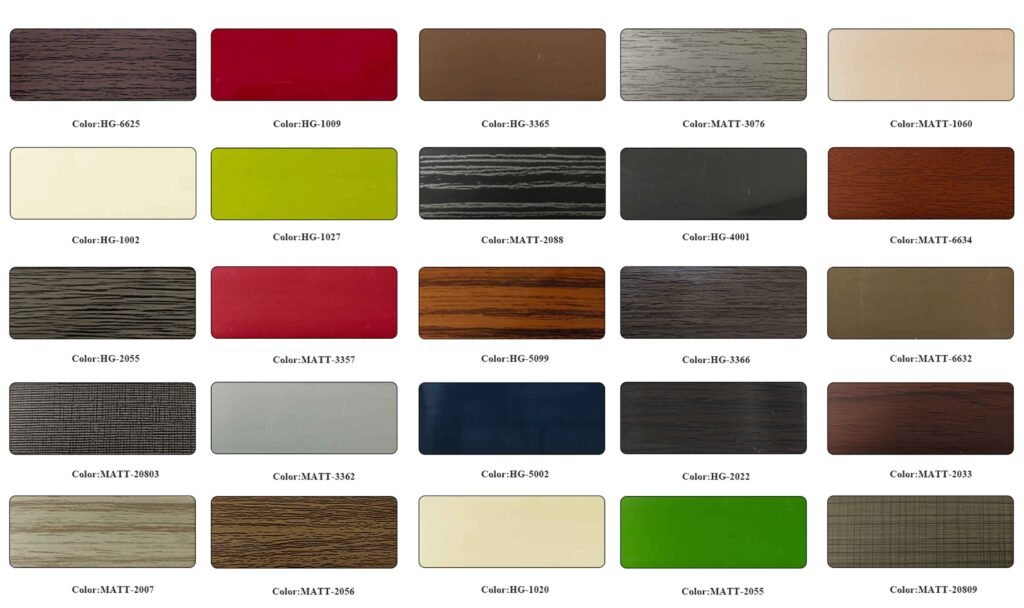
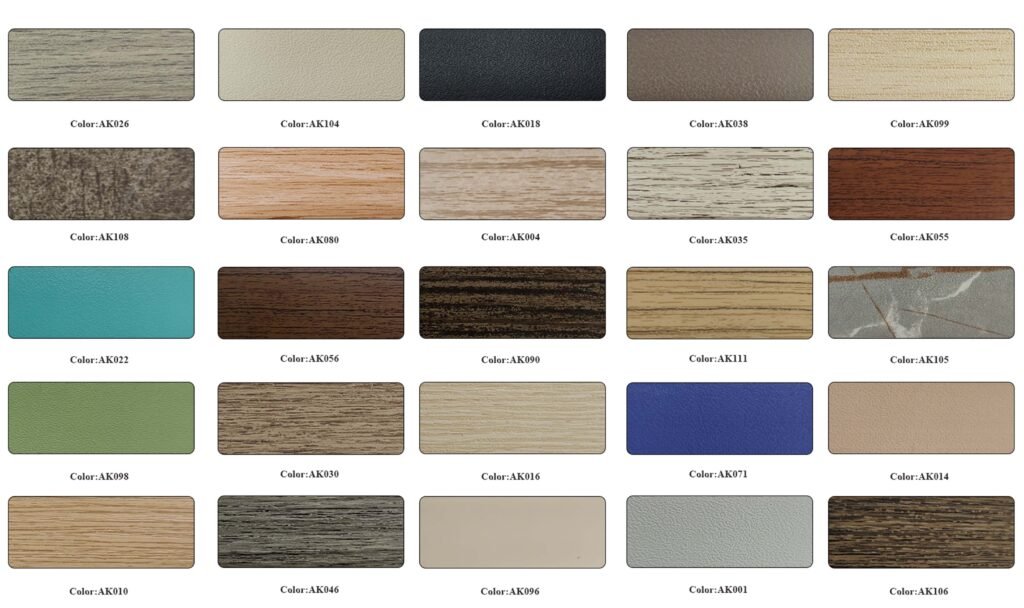
luyao have carefully developed a dedicated set of edge banding colors tailored to the market demands of each region. Each color takes into account local trends and consumer preferences. Whether you are looking for a classic wood grain effect or a modern solid or mixed color design, our products can meet your needs.

South America Design
Asia Design
Middle East Design
Central Asia Design
Solid Color
Wood Grain
High Gloss
Super Matte
Marble
Metallic
Find Your Edge Banding



Brand colors that match
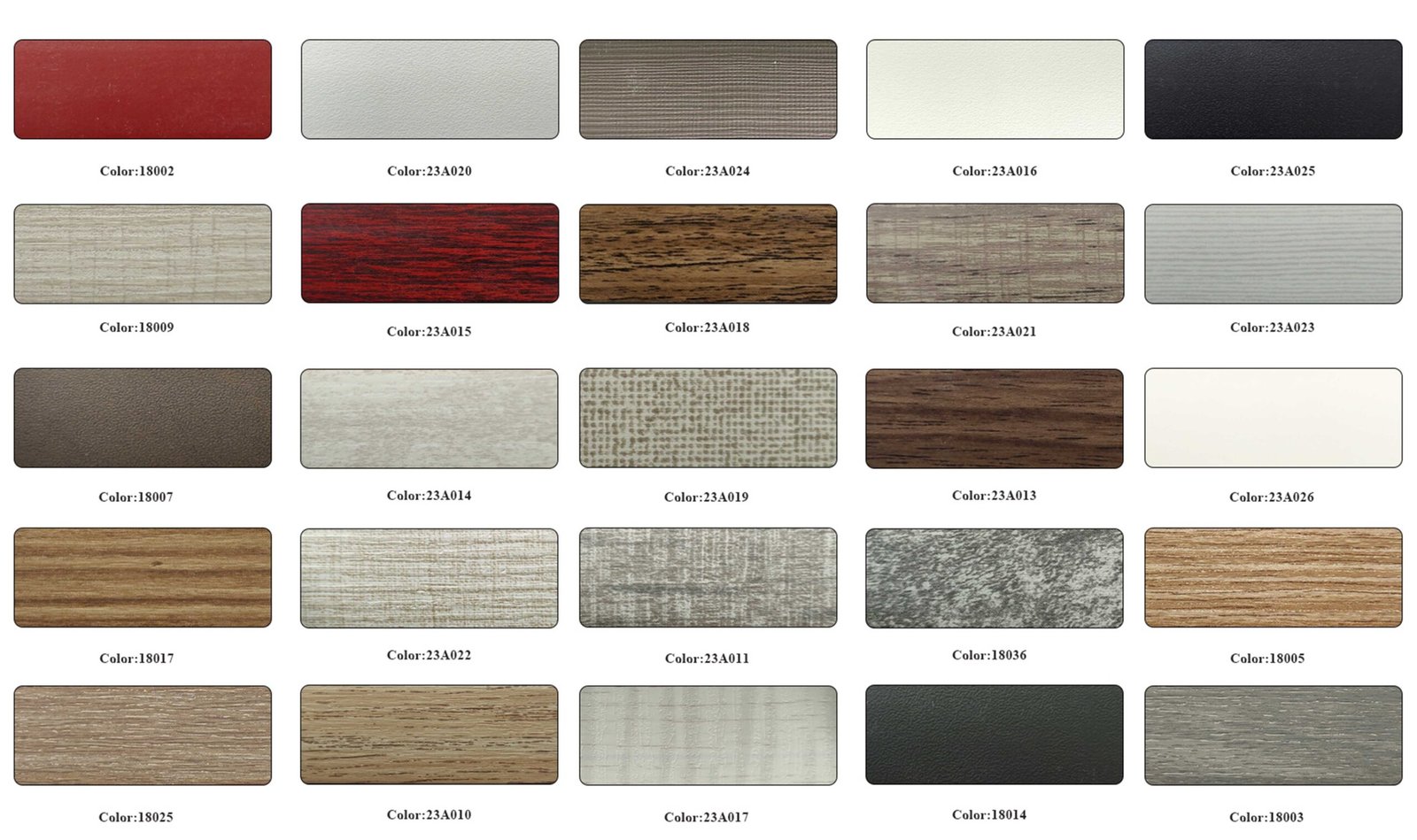
Our edge banding products can meet the needs of globally renowned wood panel brands, including CLEAF, EGGER, Kronospan, Unilin, Finsa, Formica, and IKEA series. We can accurately replicate the surface color, gloss level, and wood grain of the panels, ensuring perfect visual harmony with the decorative wood. Whether it’s solid colors, matching patterns, or matte/high-gloss finishes, we can deliver consistent high-matching results. For special projects, we also offer custom color matching services.
Certificate
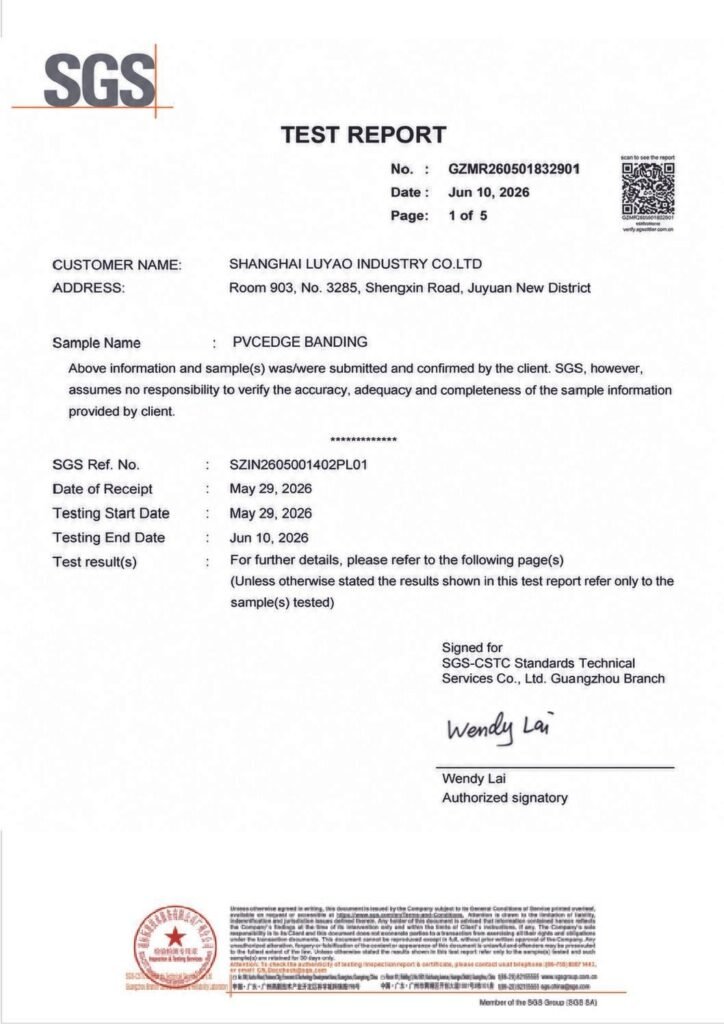
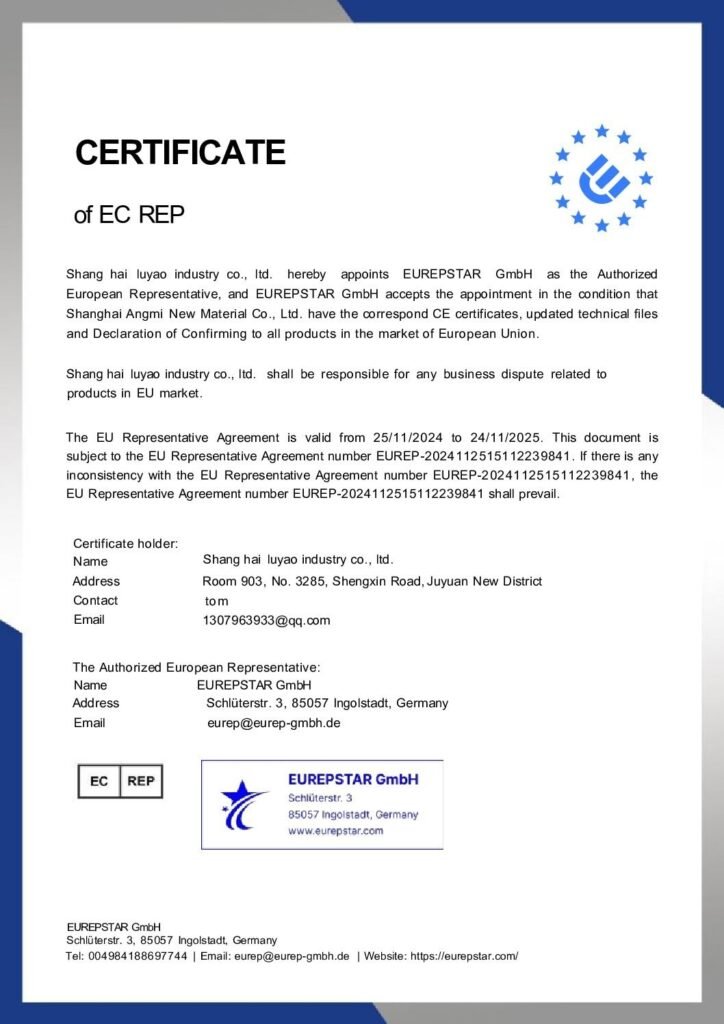
Examine Luyao’s test report and edge banding certificate to make sure our goods live up to your expectations. Have faith in our dedication to dependability and excellence.



How Can I Help You
Giving Smartness To
your Business
Custom edge banding
We use the latest international color separation instrument, so that the plate color and edge strip color similarity reached more than 98%. For different lines, separate printing roller, embossing stick, and plate in the design pattern, color, bump feel consistent.
Call Today:
+86-15618525178
or
Faster Order Processing and Shipping
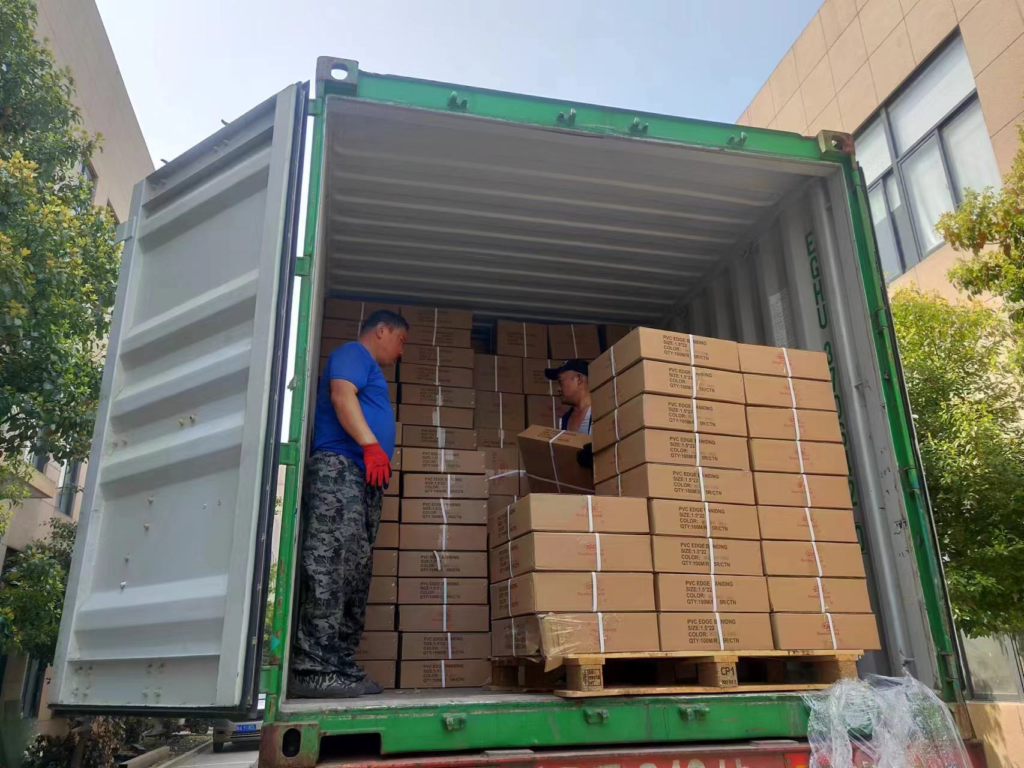
With four sites across China, we have fast lead times and cheap minimum orders. Our trained crew can assist you with your order now, and in-stock products ship same-day!
- Raw material environmental protection
- Not easy to break
- The trim is not white

Application



With Respect To Each Customer
Extreme Customer Service
service is 24 hours



Quick Answer
What is edge banding?
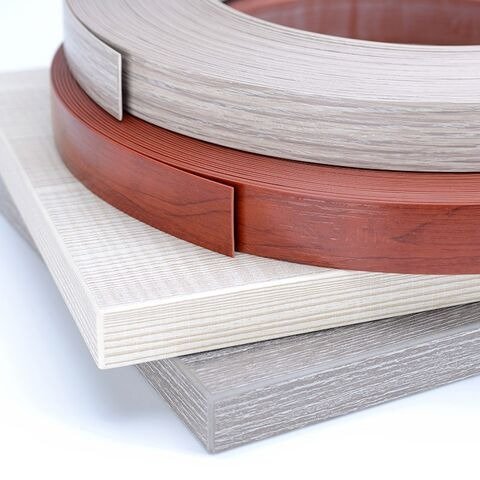
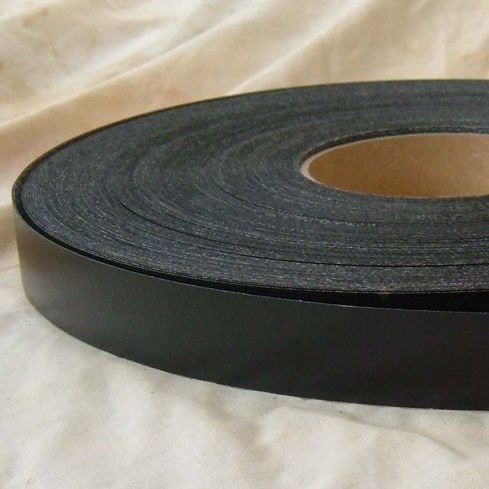
Edge banding is a thin strip of material applied to the exposed edges of furniture panels such as MDF, plywood, particle board, and laminate boards. It improves the appearance, durability, and moisture resistance of panel edges while providing a finished furniture appearance.
What is the standard size of edge banding?
Standard edge banding sizes are usually measured by thickness and width. Common thickness ranges from 0.4mm to 3mm, while widths typically range from 9mm to 120mm depending on the furniture panel thickness and application requirements.
How is edge banding applied?
Edge banding is usually applied using an automatic edge banding machine. The process includes panel edge cleaning, adhesive melting, edge tape pressing, trimming, scraping, and polishing to create a smooth and durable finish.
What MOQ is required for custom edge banding?
The MOQ for custom edge banding depends on material, color, and production requirements. For customized colors, many manufacturers require approximately 5,000 meters per color to ensure stable production efficiency and consistent quality.
What is EVA hot melt glue used for?
EVA hot melt glue is mainly used for bonding edge banding materials such as PVC, ABS, melamine, and veneer tapes to MDF, plywood, and particle board panels. It is commonly used in furniture factories, cabinet production, and woodworking applications.
What temperature is required for EVA hot melt glue?
Most EVA hot melt adhesives for edge banding applications are processed at approximately 160°C–200°C, depending on adhesive formulation, machine speed, and substrate materials. The recommended temperature should always follow the manufacturer’s technical specifications.