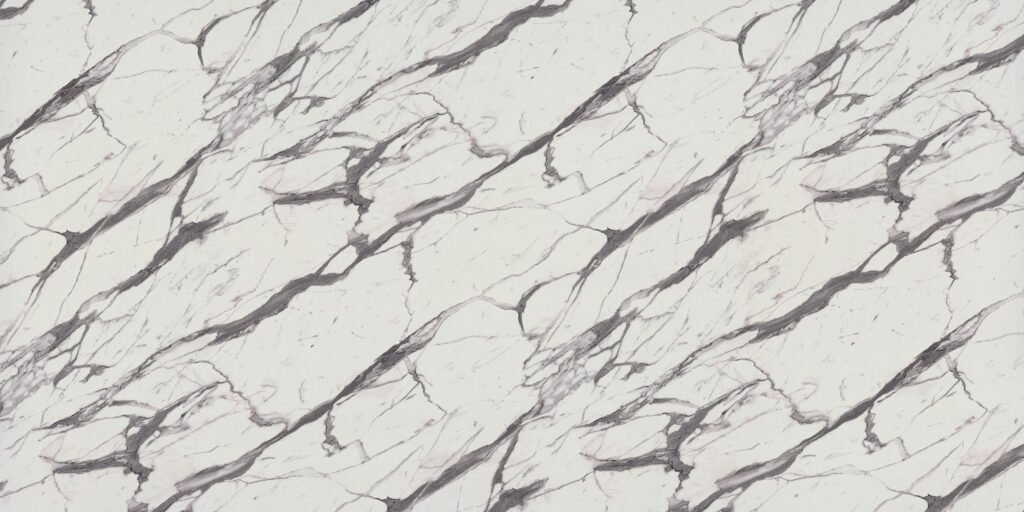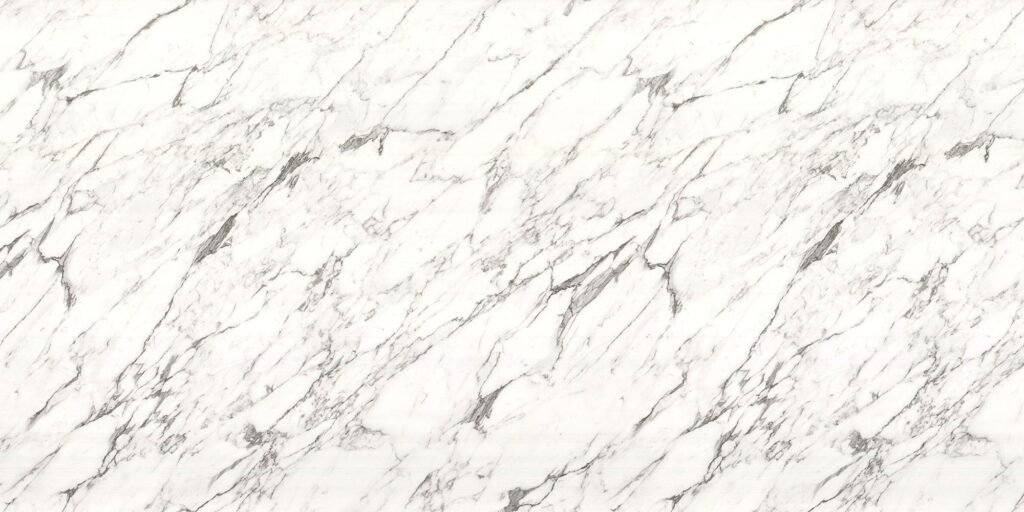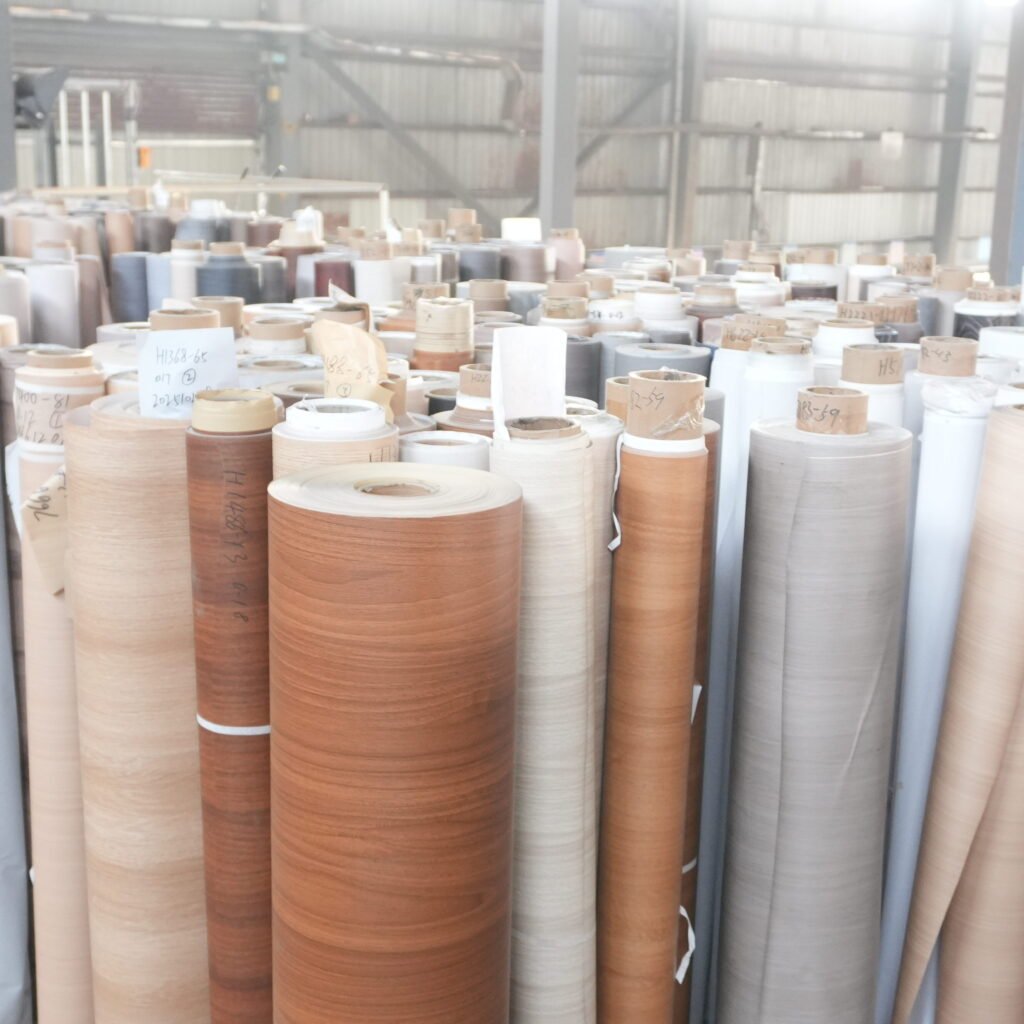



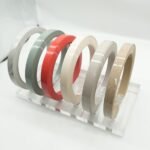
When it comes to crafting durable, aesthetically pleasing furniture—whether for residential homes, office spaces, or commercial venues—furniture edge banding is far more than an afterthought. It’s the unsung hero that protects raw board edges, elevates visual appeal, and extends the lifespan of furniture pieces. For B2B buyers, manufacturers, and wholesalers, choosing the right furniture edge banding can make or break production efficiency, product quality, and customer satisfaction. In this guide, we answer the most pressing questions about furniture edge banding, tailored to industry professionals and optimized for what searchers are actually looking for.
What Is Furniture Edge Banding, and Why Does It Matter for Your Products?
At its core, furniture edge banding is a thin strip of material (typically PVC, ABS, acrylic, or melamine) applied to the exposed edges of furniture boards—such as MDF, plywood, or particle board. Its primary role is to seal the board’s raw edges, preventing moisture absorption, warping, and damage from daily use. But beyond protection, furniture edge banding is a design tool: it creates a seamless, polished look by matching the board’s color, texture, or grain, turning a basic piece into a high-quality product.
For manufacturers, investing in the right furniture edge banding reduces waste (fewer damaged boards), streamlines production (compatible with automated edge banding machines), and boosts your product’s market competitiveness. For buyers, it ensures the furniture you source is durable, visually consistent, and built to last—key factors in retaining end customers.

PVC vs. ABS Furniture Edge Banding: Which Is Better for Your Needs?
Two of the most popular materials for furniture edge banding are PVC and ABS—and while they’re both reliable, their unique properties make them better suited for different applications. Let’s break down the differences to help you choose:
PVC Furniture Edge Banding: The most cost-effective and versatile option, PVC edge banding is ideal for standard residential furniture (wardrobes, bookshelves, and entryway cabinets). It’s water-resistant, easy to cut and apply, and available in a wide range of colors and textures. It’s also budget-friendly, making it perfect for bulk orders and high-volume production lines. However, it’s less resistant to high temperatures and heavy impact—so it’s not the best choice for kitchen cabinets or office furniture that sees heavy use.
ABS Furniture Edge Banding: A premium alternative, ABS edge banding is designed for durability and high-performance. It’s impact-resistant, heat-resistant, and won’t yellow over time (even with UV exposure), making it ideal for kitchen cabinets, office furniture, and commercial spaces. It also bonds seamlessly with PUR and EVA adhesives, reducing the risk of peeling or detachment. While it’s slightly more expensive than PVC, its longevity and low maintenance make it a cost-effective choice for high-end furniture lines.
How to Choose the Right Thickness for Furniture Edge Banding?
The thickness of your furniture edge banding directly impacts its durability, flexibility, and application. The most common thicknesses are 0.8mm, 1mm, and 2mm—and the right choice depends on your furniture’s use case and board thickness:
0.8mm Thin Furniture Edge Banding: Perfect for lightweight furniture, thin boards (≤16mm), and curved edges (such as round coffee tables or curved wardrobes). Its flexibility allows it to conform to small radii without cracking, making it ideal for decorative or intricate furniture designs. It’s also cost-effective for bulk orders where aesthetics matter more than heavy-duty protection.
1mm Furniture Edge Banding: The industry standard for most residential and light commercial furniture. It strikes the perfect balance between flexibility and durability, compatible with most automated production lines. It works well for standard cabinets, bookshelves, and office desks—offering enough protection to withstand daily use without being too rigid.
2mm Thick Furniture Edge Banding: Designed for heavy-duty applications, such as kitchen cabinets, industrial furniture, and thick boards (≥18mm). It provides maximum impact resistance and protection against wear and tear, making it ideal for furniture that sees frequent use. While it’s less flexible (not recommended for sharp curves), its durability makes it a top choice for high-traffic spaces like restaurants, offices, and hospitals.
What Makes a High-Quality Furniture Edge Banding?
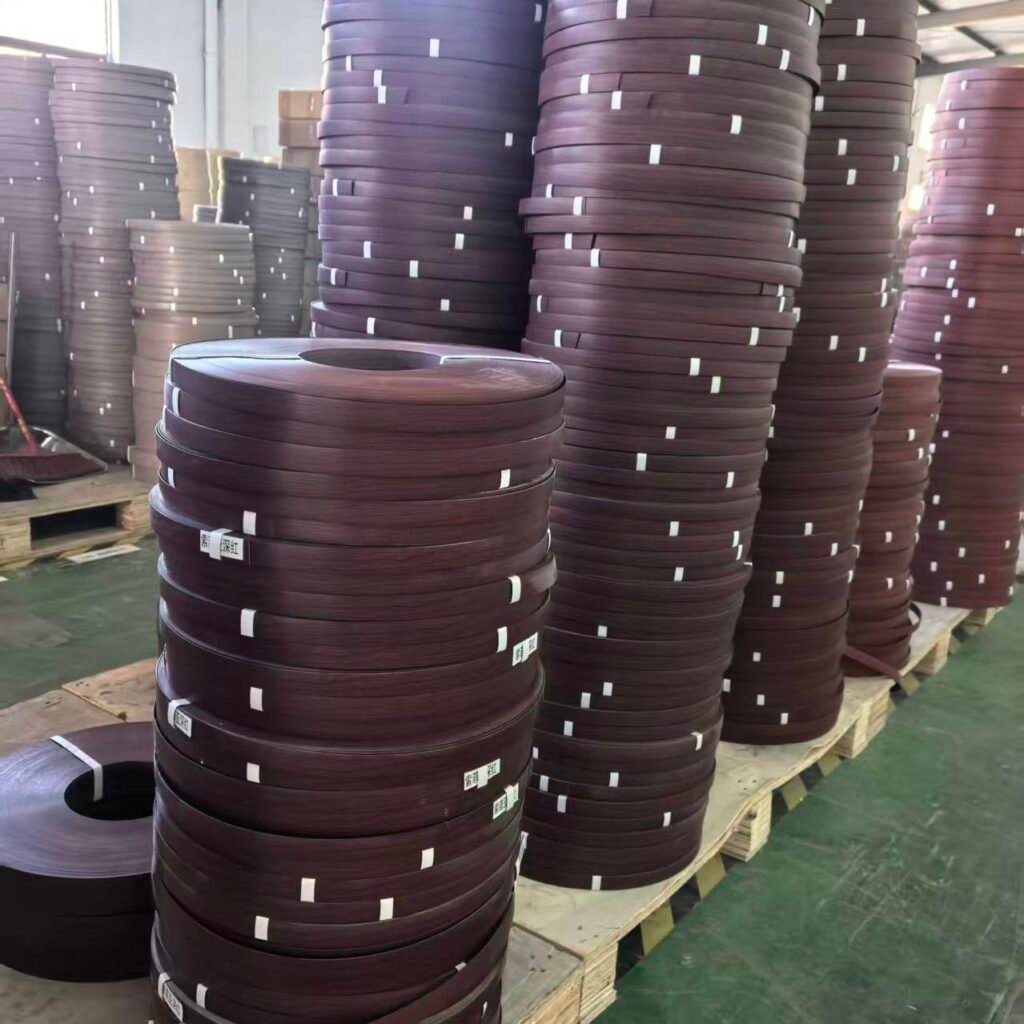
Not all furniture edge banding is created equal—and for B2B buyers and manufacturers, quality is non-negotiable. Here are the key features that define high-quality furniture edge banding:
- Consistent Thickness & Width: Variations in thickness (even 0.01mm) can cause issues with automated application, leading to peeling or uneven edges. High-quality edge banding has strict tolerance levels to ensure consistency across every strip.
- Strong Adhesion: It should bond seamlessly with common adhesives (PUR, EVA) and stay in place even in humid or high-temperature environments (critical for kitchen and bathroom furniture).
- Color & Texture Consistency: For furniture with a uniform look, the edge banding should match the board’s color and grain perfectly (ΔE ≤ 0.8 for premium options). No visible色差 (color variation) means a polished, professional finish.
- Durability: Look for wear-resistant, scratch-resistant, and UV-resistant edge banding—especially for furniture that’s exposed to sunlight or frequent use. High-quality ABS or acrylic edge banding will retain its appearance for years.
Is Waterproof Furniture Edge Banding Necessary?
Waterproof furniture edge banding isn’t just a “nice-to-have”—it’s a must for certain applications. All furniture needs edge banding to prevent the boards from swelling, warping, or rotting.
Both PVC and ABS furniture edge banding have some water resistance, but for extremely humid environments, special waterproof edge banding needs to be ordered. You can contact us directly for pricing information.These options have a special coating that enhances water resistance, ensuring your furniture lasts even in harsh conditions. For residential furniture in dry areas (bedrooms, living rooms), standard water-resistant edge banding will suffice.
Final Thoughts: Choosing the Right Furniture Edge Banding for Your Business
Furniture edge banding is a critical component of high-quality furniture—and choosing the right one requires balancing cost, durability, and design. Whether you’re a manufacturer looking to streamline production, a wholesaler sourcing bulk edge banding, or a buyer seeking reliable, consistent products, focusing on the material (PVC vs. ABS), thickness (0.8mm, 1mm, 2mm), and key quality features will help you make the best choice.
Remember: The best furniture edge banding isn’t just a “seal”—it’s an investment in your product’s longevity, aesthetic appeal, and market competitiveness. By prioritizing quality and aligning your choice with your furniture’s use case, you’ll create products that stand out in a crowded market.