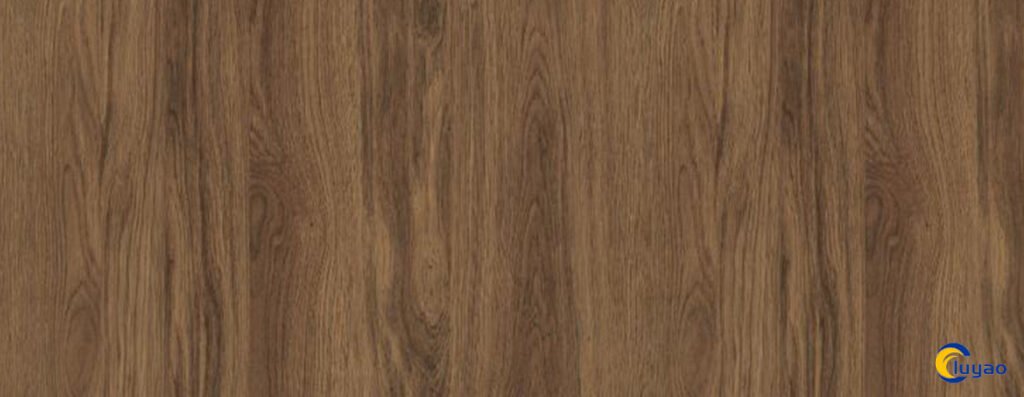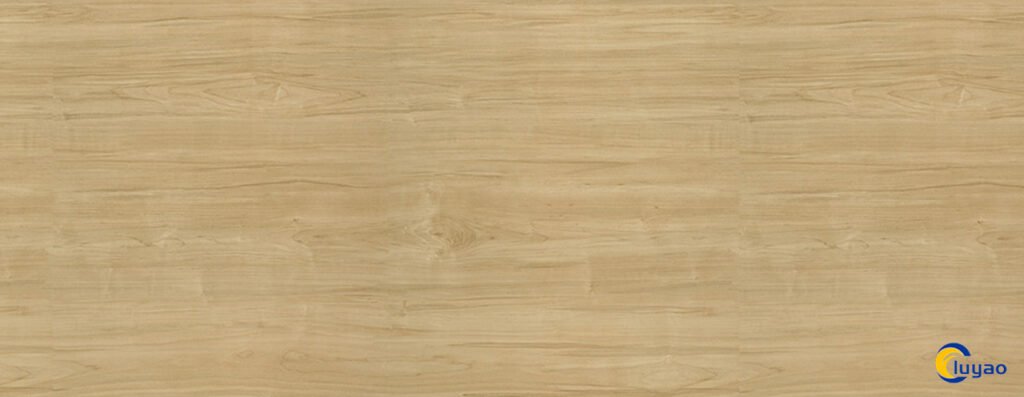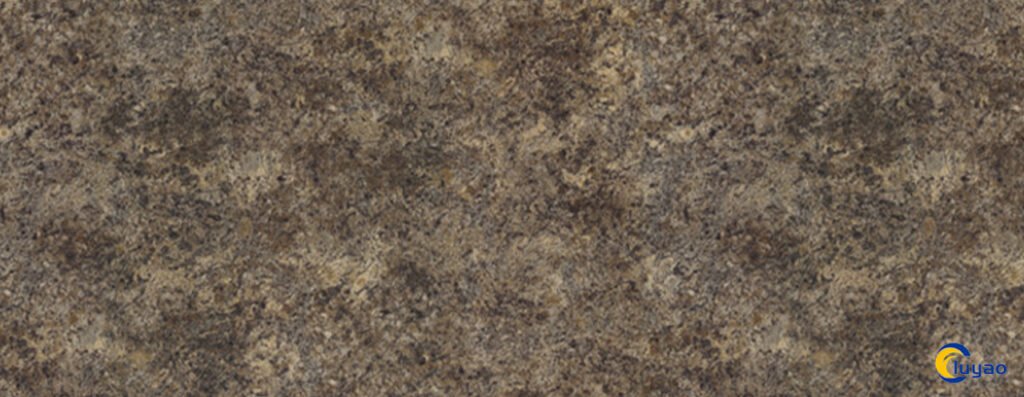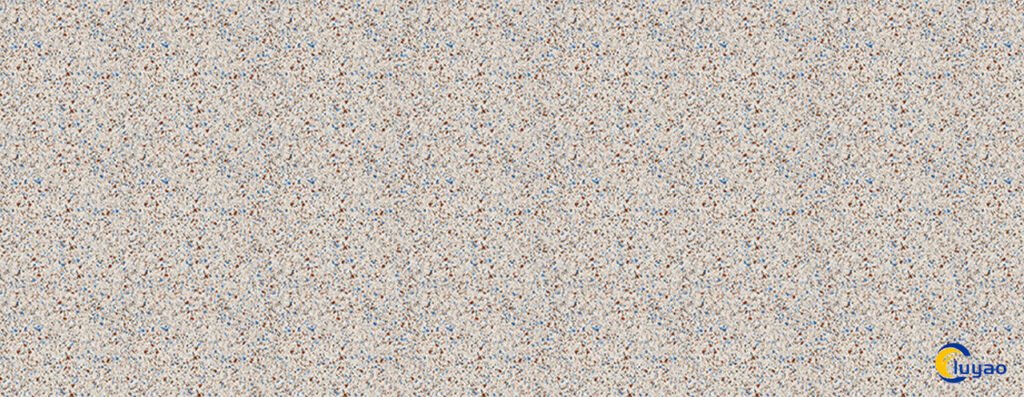



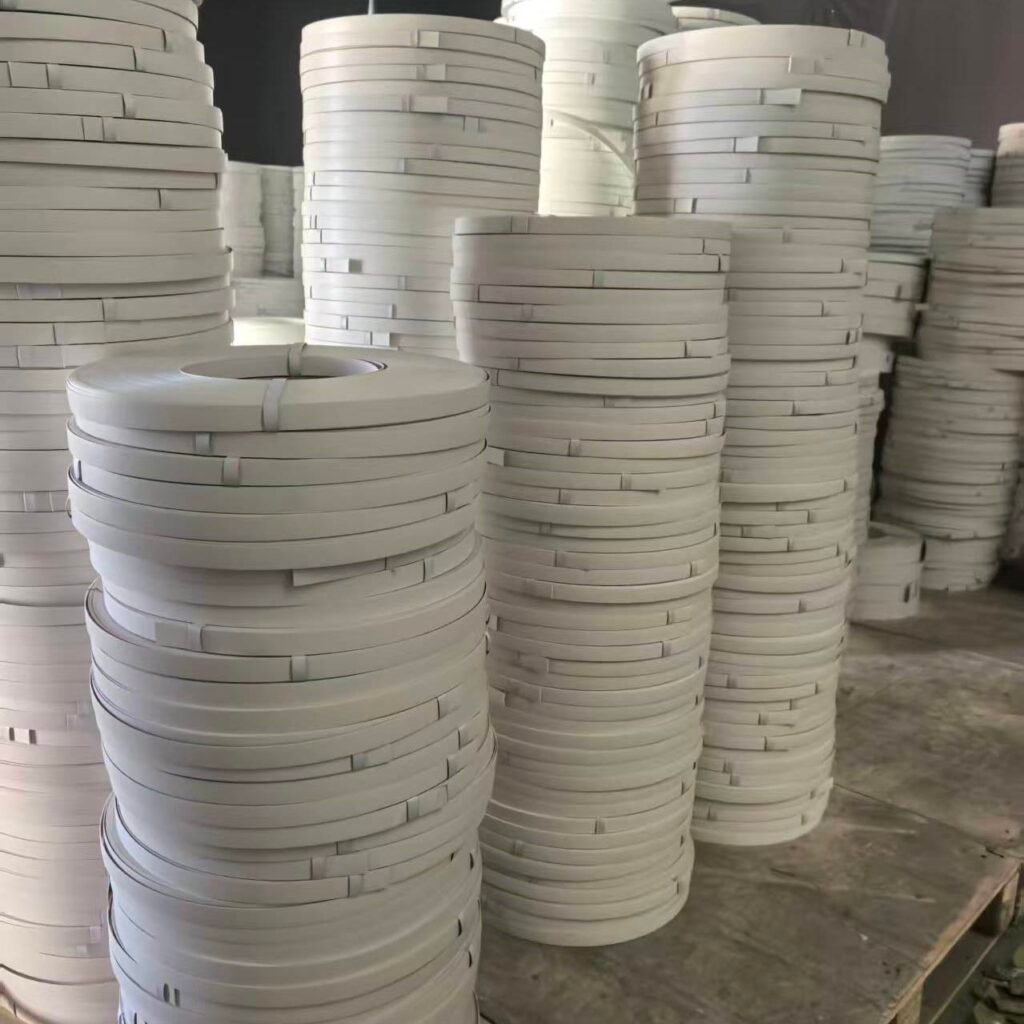
Cleaf traccia edge banding ub54
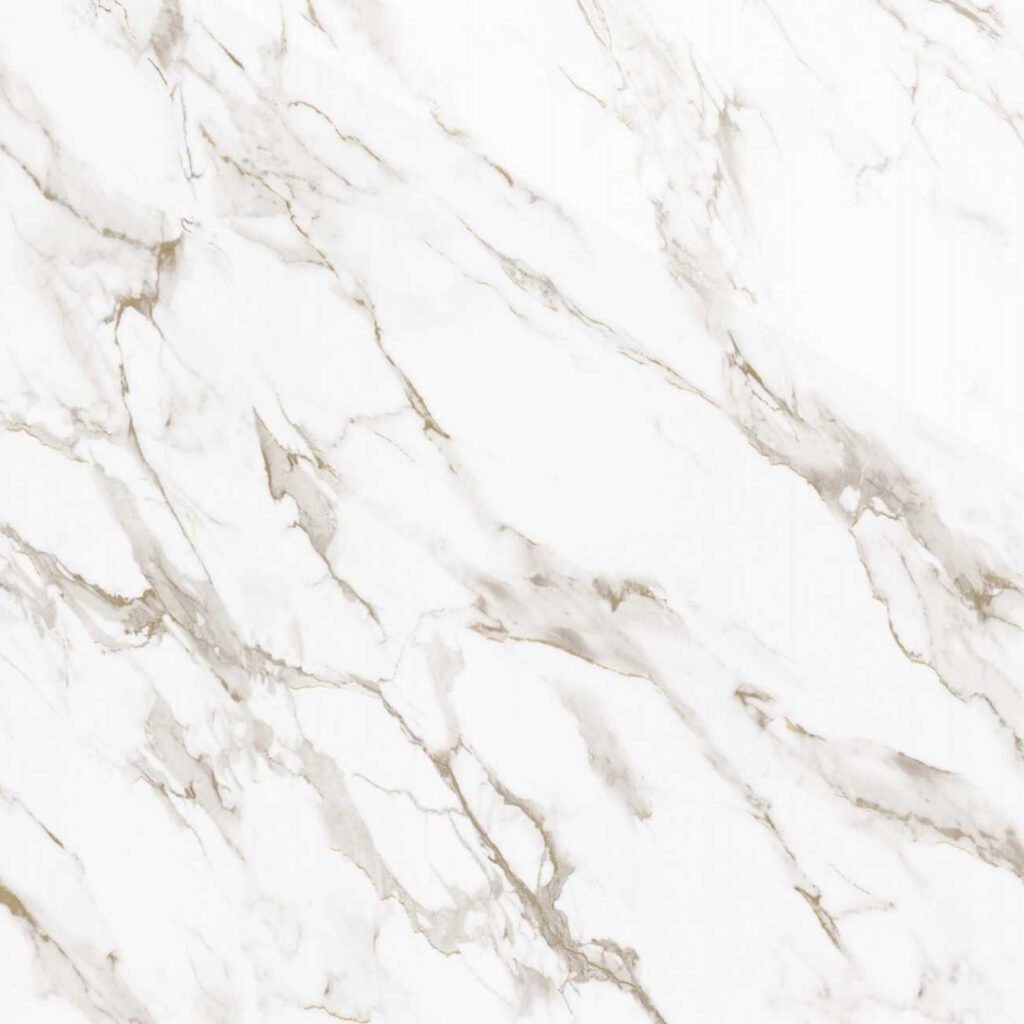
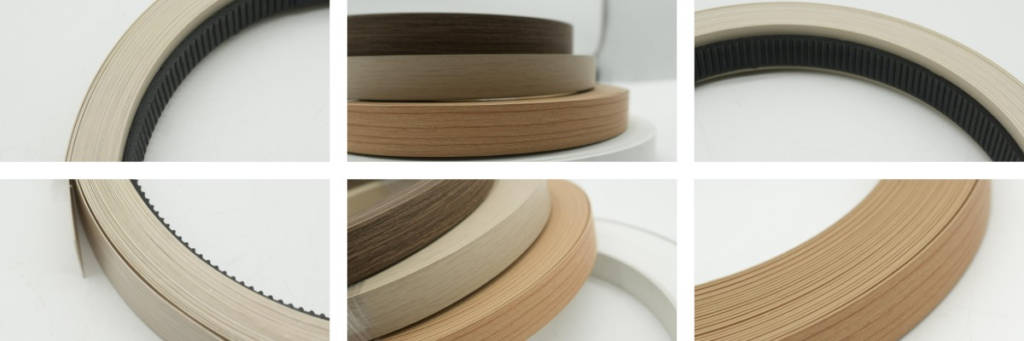
Cleaf Traccia Edge Banding UB54 is a PVC edge banding solution developed for furniture manufacturers who need a coordinated edge finish for the Traccia UB54 decorative panel. The material is produced through controlled compounding, extrusion, surface finishing and inspection, with attention to color consistency, dimensional stability and clean trimming. Custom widths, thicknesses and matching samples…
Note: All our samples are shipped the same day. The samples are free, but the express shipping charges are the buyer’s responsibility. Once the order is confirmed, these charges can be reimbursed from the order total.
Payment & Security

Cleaf traccia edge banding ub54
Our PVC edge banding ub54 is developed as a matching solution for furniture manufacturers, cabinet factories, distributors and panel processors working with the Cleaf Traccia reference. Rather than simply producing a strip in a similar color, we focus on the complete result after application: how the edge looks against the panel, how it behaves during edge taping, and how cleanly it can be trimmed.
The product is independently manufactured by Luyao and is not an original Cleaf accessory. It is intended as a PVC alternative for customers looking for a practical, customizable edge-finishing solution.
The Edge Is Part of the Furniture Design
An edge band is easy to overlook when selecting materials.
Most buyers begin with the board surface. They compare colors, textures and patterns, then choose the panel for the furniture project. But once that board is cut into doors, shelves or cabinet sides, the exposed edge becomes visible from a completely different angle.
A poorly coordinated edge can make a carefully selected panel look unfinished.
With edge banding UB54, the objective is to create a visual transition between:
Decorative Panel → Panel Edge → Finished Furniture
This is especially important for modern kitchens, wardrobes, storage furniture and interior panels where clean lines are part of the design.
The PVC edge does not simply cover the board core. It becomes part of the finished component.
Why PVC Is Used for UB54 Matching
PVC is widely used in furniture edge banding because it offers a useful combination of flexibility, processability and decorative versatility.
For an industrial buyer, however, “PVC” by itself does not tell the whole story.
The formulation influences how the edge behaves during production. Plasticizer balance, pigments, stabilizers and other components can affect flexibility, surface appearance, trimming behavior and dimensional stability.
That is why we treat PVC edge banding as a manufactured material rather than a simple plastic strip.
For edge banding ub54 production, the important characteristics include:
- Consistent thickness
- Stable width
- Controlled flexibility
- Uniform surface
- Reliable decorative layer
- Clean trimming behavior
- Batch-to-batch color consistency
The correct material should be evaluated after it has been applied to the actual panel—not only while it is still on the roll.
From PVC Compound to Finished Edge
How edge banding ub54 Is Made
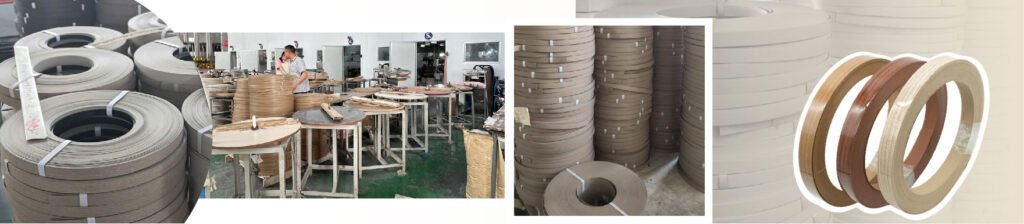
The production process begins before the material reaches the extrusion machine.
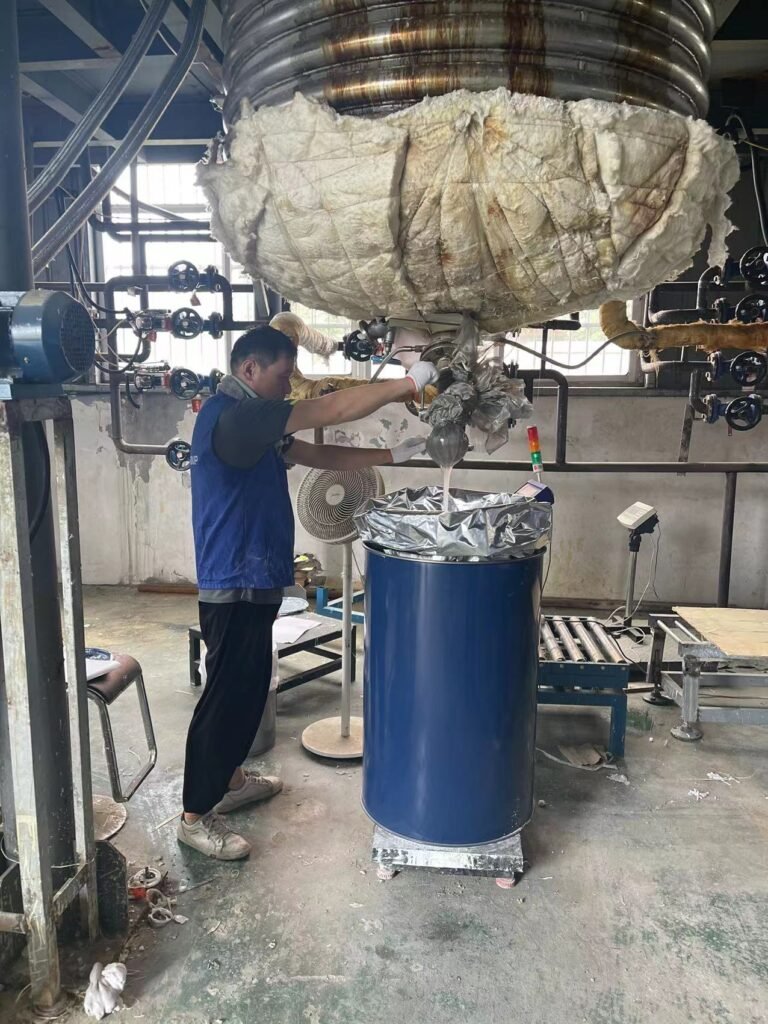
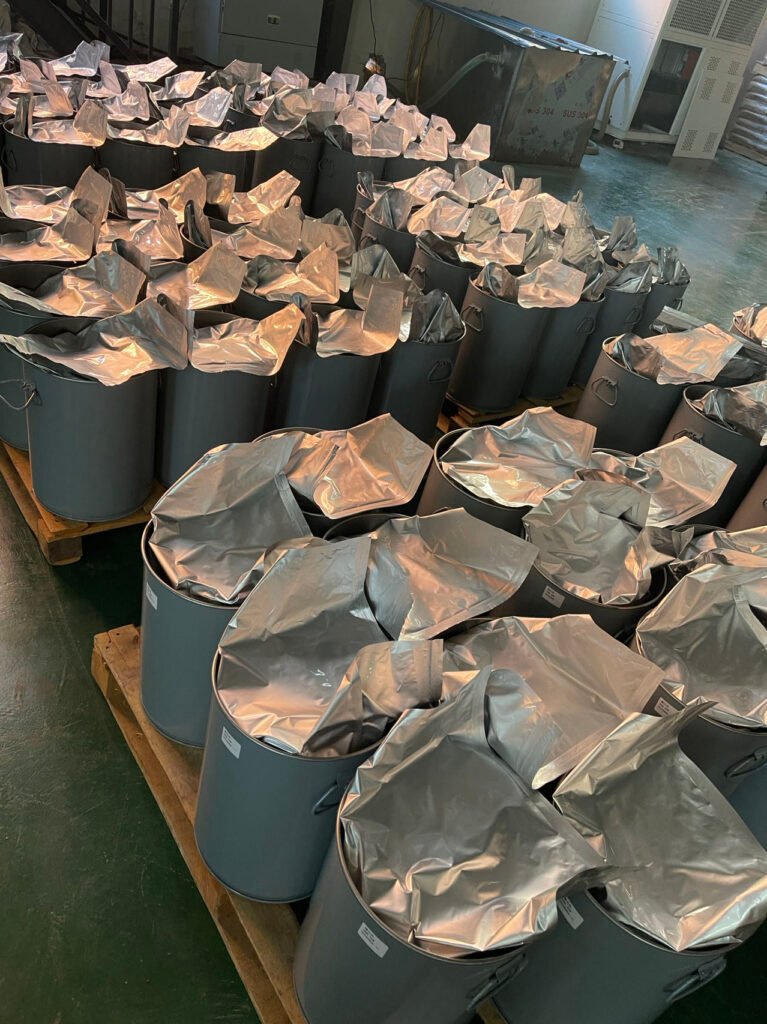
PVC resin and other formulation components are prepared according to the required product specification. Pigments and additives are controlled during compounding so that the finished material can achieve the required appearance and physical characteristics.
The material is then processed into a suitable compound or granulated form before entering the extrusion stage.
During extrusion, the heated PVC compound passes through a forming die and becomes a continuous edge band.
After shaping, the material is cooled and stabilized.
The production route can then include:
Material Preparation
→ Granulation / Compounding
→ Extrusion
→ Cooling & Calibration
→ Surface Treatment
→ Printing / Decorative Processing
→ Inspection
→ Rewinding
→ Packaging
Each stage matters.
A problem created during compounding may appear later as flexibility or trimming issues. An extrusion problem can create dimensional variation. Poor surface processing can affect the final appearance.
Good edge banding is therefore the result of controlling the whole chain.
Why Clean Trimming Matters
A Good Edge Should Not Turn White After Machining
One of the practical concerns when purchasing PVC edge banding is what happens during trimming.
A roll may look perfectly acceptable before application. The more important test comes after it passes through the edgebander and trimming unit.
When a cutter removes excess material, stress is introduced into the edge. If the material formulation or processing characteristics are not suitable, the trimmed area may show an unwanted whitish appearance.
For our edge banding ub54, clean trimming without obvious whitening is one of the production points we pay attention to.
The evaluation is performed on processed material rather than relying only on visual inspection of the original roll.
The actual result can still depend on:
- Cutter condition
- Feed speed
- Blade geometry
- Edge thickness
- Machine adjustment
- Panel material
- Processing temperature
This is why a production sample should be tested on the buyer’s own equipment before approving a large order.
Color Matching Starts With a Physical Reference
A Screen Is Not a Color Standard
Furniture buyers often send a photograph when requesting a matching edge.
That is useful for initial communication, but it is not the best final reference.
A camera can change color depending on exposure and white balance. A computer monitor can display the same color differently. Lighting inside a showroom can also change how a surface looks.
For a more reliable edge banding ub54 development, we recommend a physical panel or laminate sample whenever possible.
Our matching process can follow this route:
Customer Reference
→ Color Analysis
→ PVC Formula Development
→ Sample Production
→ Panel Comparison
→ Customer Approval
→ Mass Production
For textured or decorative surfaces, visual color alone is not enough. Surface character, gloss, texture direction and overall appearance also need to be considered.
Quality Is Checked After Production, Not Just Before It
What We Look at During Inspection
A finished roll of PVC edge banding contains several things that need to be controlled at the same time.
Our quality inspection can cover:
Dimensions
Width and thickness are checked against the agreed specification.
Surface
The material is examined for visible defects, unevenness and surface damage.
Color
Production material is compared with the approved reference.
Flexibility
Samples can be bent and handled to check for abnormal cracking or whitening.
Trimming
Processed samples are checked to evaluate the finished cutting appearance.
Adhesion
Where required, the applied edge can be evaluated together with the selected adhesive and panel.
The important point is that edge banding quality is a system, not a single number.
A material can have the right thickness and still have poor color consistency. It can have excellent color and still behave badly during trimming.
That is why different characteristics need to be considered together.
Simple Tests Can Reveal Important Problems
What Can a Buyer Check?
Before placing a large order, a furniture manufacturer can perform several straightforward checks on a sample.
Thickness check: Measure several points across the strip to identify obvious variation.
Bending check: Bend a sample carefully and observe whether cracking or excessive whitening appears.
Surface check: View the material under direct and angled light to identify scratches, bubbles or uneven texture.
Color check: Compare material from different sections of the roll against the approved reference.
Trimming check: Apply the edge to the actual panel and inspect the trimmed section.
Adhesion check: Run the material through the normal production process and examine whether the bond remains stable.
These tests are more meaningful when performed under the same conditions used for mass production.
For projects with specific technical requirements, additional laboratory or customer-defined testing can be discussed before production.
The Production Team Behind the Roll
Manufacturing Capacity Matters When Orders Grow
A sample order and a repeat production order are two very different situations.
A small sample may look excellent. The real challenge begins when the same color has to be reproduced repeatedly across larger quantities.
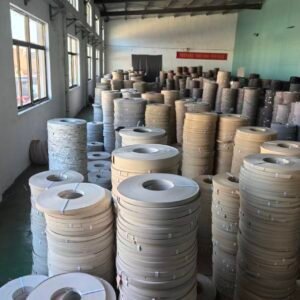
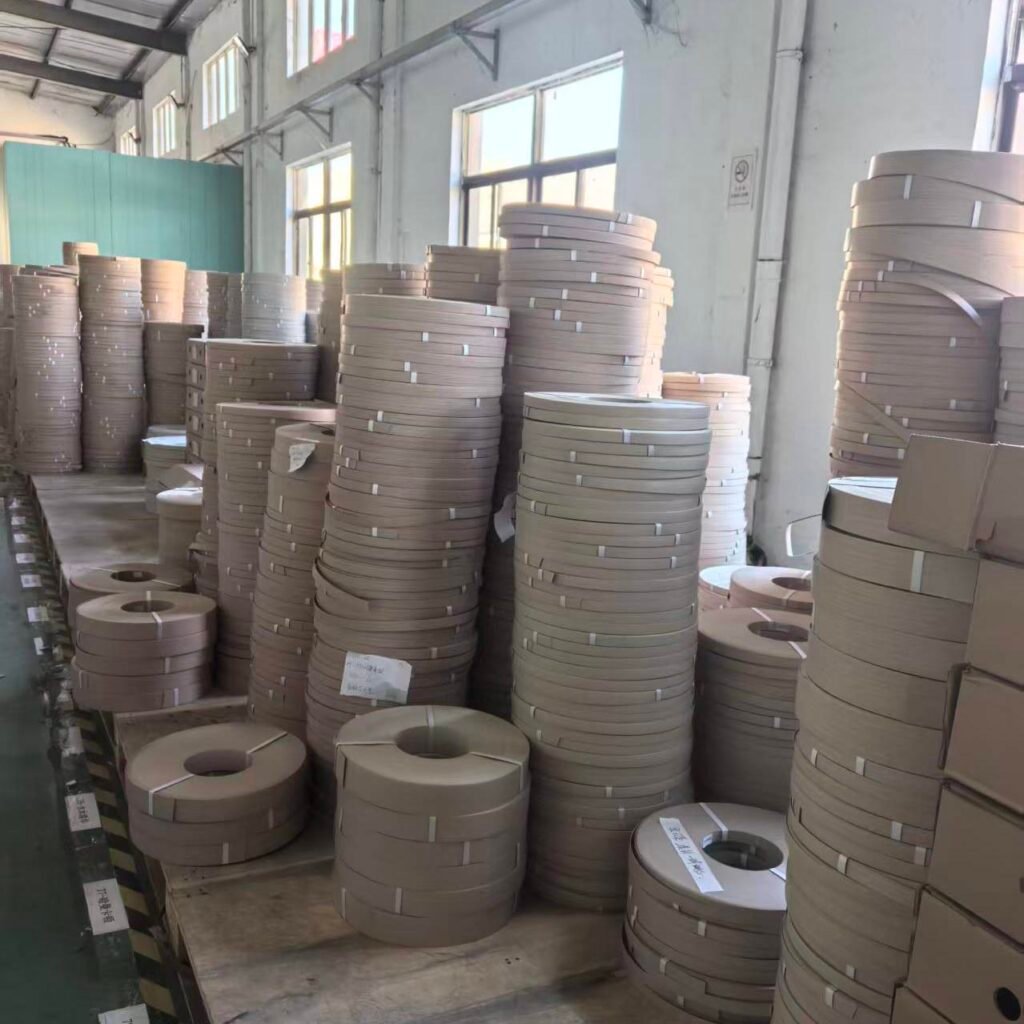
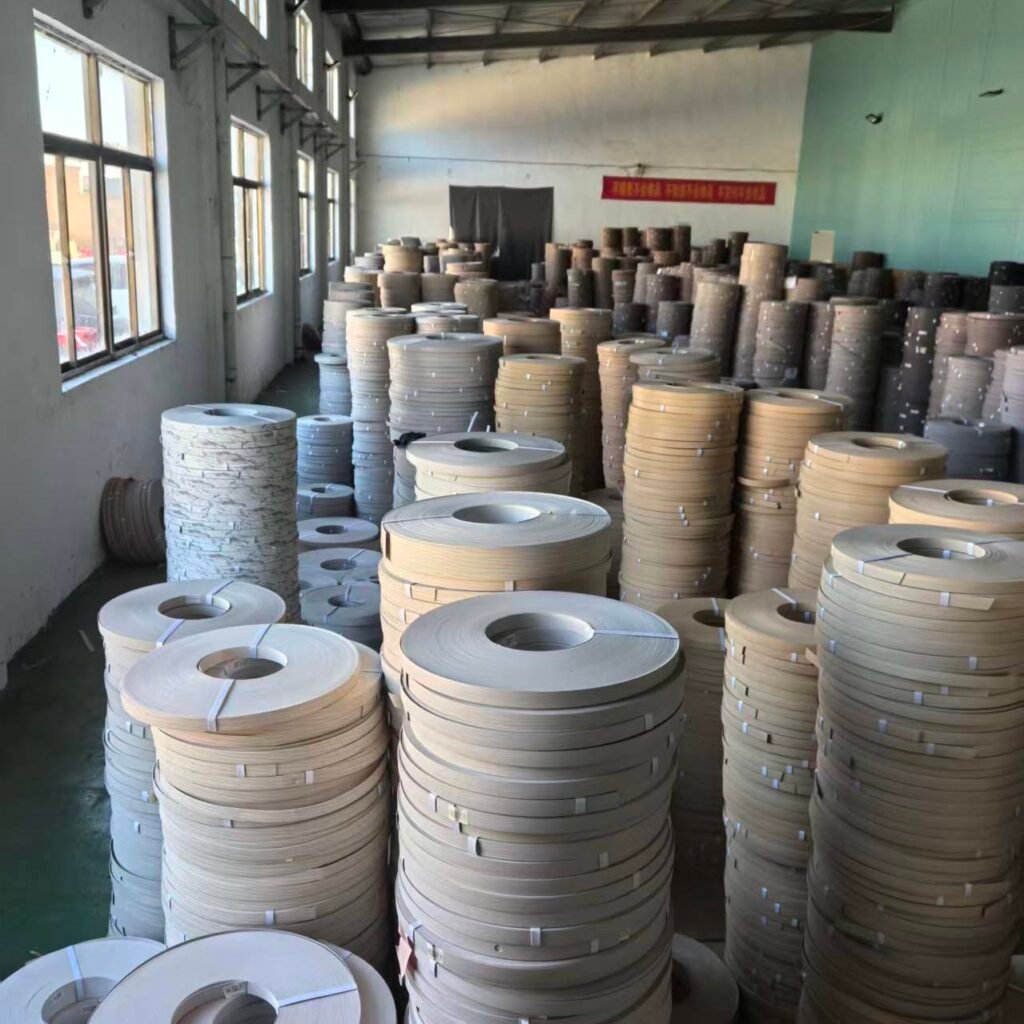
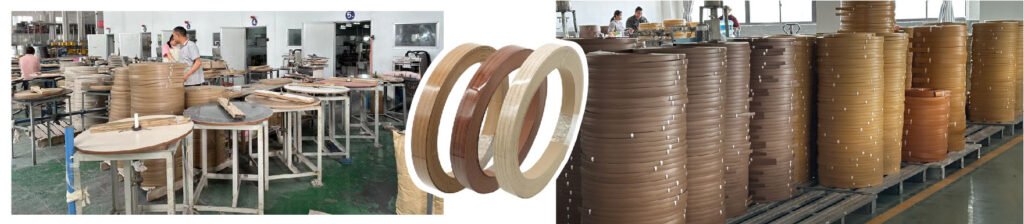
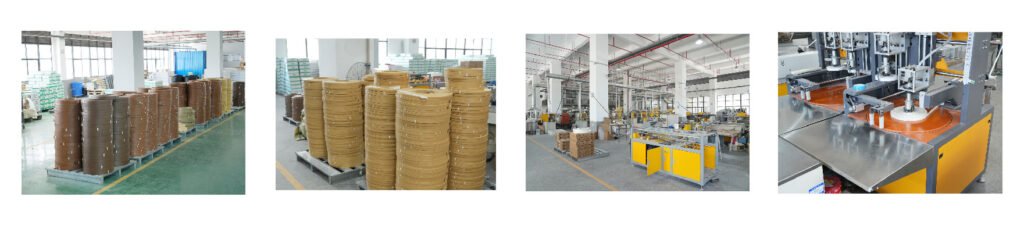
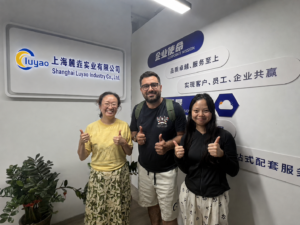
Luyao operates a manufacturing facility of approximately 100,000 m², supported by around 300 production employees, a dedicated 3-person QC team, and approximately 30 sales and export staff.
This structure allows production, inspection and export coordination to work as separate but connected functions.
For an international buyer, this matters because the supplier is not only responsible for producing the material. The supplier also needs to manage:
- Specification confirmation
- Sample development
- Production scheduling
- Quality inspection
- Roll preparation
- Packaging
- Export documentation
- Shipment coordination
The objective is not simply to make one good roll. It is to build a repeatable supply process.
UB54 for Different Furniture Applications
One Edge, Many Panel Components
PVC edge banding can be used across a wide range of furniture components.
Cabinet Doors
The front edge is highly visible, making color and trimming quality especially important.
Wardrobe Panels
Long straight edges require stable dimensions and consistent appearance.
Shelving
The exposed front edge benefits from a clean and durable finish.
Office Furniture
Desks, cabinets and storage systems often require consistent edge finishing across large quantities.
Interior Fixtures
Retail displays and decorative panel systems can also use matching PVC edge banding.
UB54 can therefore be considered wherever the Cleaf Traccia reference is incorporated into a panel-based furniture design and a coordinated PVC edge is required.
From Sample to Repeat Production
A Better Way to Buy Edge Banding
For B2B buyers, the safest purchasing process is not:
Ask Price → Place Order → Hope It Matches
A more controlled process is:
Step 1 — Send the Reference
Provide the UB54 code, panel image or physical sample.
Step 2 — Confirm Specification
Confirm material, width, thickness, surface and required quantity.
Step 3 — Produce a Sample
We prepare the matching PVC edge for evaluation.
Step 4 — Test on Your Panel
Run the sample through your actual edge-banding process.
Step 5 — Approve the Reference
Once the color, surface and processing result are accepted, the sample becomes the production reference.
Step 6 — Mass Production
Production follows the approved specification.
Step 7 — QC & Packing
Finished rolls are inspected and prepared for shipment.
This approach reduces the risk of discovering a mismatch only after thousands of meters have already been produced.
PVC Edge Banding for Your UB54 Project
If you are sourcing edge banding UB54, the most useful information to send is simple:
UB54 reference + panel sample + required width + thickness + estimated quantity
From there, we can discuss the appropriate PVC specification and prepare a sample for your evaluation.
You can test the edge on your own panel, run it through your normal edge-banding machine, check the trimming result and compare the finished appearance before moving to bulk production.
FAQ
What is edge banding UB54?
Edge banding UB54 is a matching edge-finishing solution developed for furniture manufacturers working with the Cleaf Traccia UB54 decorative panel reference.
Is UB54 edge banding PVC?
The product on this page is manufactured as a PVC edge banding solution.
Is this the original Cleaf edge band?
No. Cleaf lists its UB54 edge accessory as ABS. Our product is an independently manufactured PVC alternative developed for customers seeking a matching edge solution.
Can UB54 PVC edge banding be trimmed without whitening?
Our production focuses on clean trimming performance and reducing visible whitening after processing. However, the final result also depends on the edgebander, cutter condition, feed speed and machine settings, so sample testing is recommended.
Can you match the edge banding ub54 color?
Yes. A physical panel sample is preferred because it provides a more reliable reference than a digital image.
Can I test the sample on my own machine?
Yes. We recommend this for new colors or new suppliers because the actual trimming and bonding result depends on the complete production system.
Do you provide other edge banding materials?
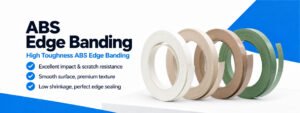
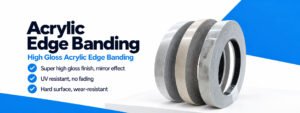
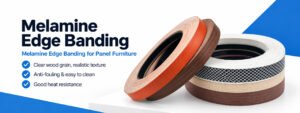
Yes. Different furniture projects can use PVC, ABS, melamine, acrylic or wood veneer edge banding depending on the required finish and application.
How can I request a UB54 quotation?
Send the UB54 reference together with your required width, thickness, quantity and, preferably, a physical panel sample. We can then discuss sample development and production pricing.
Parameter Table
| Attributes | Value |
|---|---|
| Brand | Cleaf |
| product | Pvc edge banding |
| Application | bathroom cabinets, cabinets, display cabinets, Furniture manufacturing, hotel projects, interior doors, office furniture, wardrobes |
| Thickness | 0.4mm, 0.8mm, 1.0mm, 1.5mm, 2.0mm, 3.0mm, Customizable |
| Width | 12mm, 16mm, 18mm, 20mm, 22mm, 30mm, 40mm, 50mm, 60mm, 70mm, 80mm, 90mm, 9mm, Customizable |
| Lead Time | 20 days |
| Adhesive Type | EVA hot melt glue, PUR hot melt glue |
| Application Method | automatic edge banding machine |
| PVC edge banding |
Reviews
Review

No quality compromise, helped us meet tight deadlines.