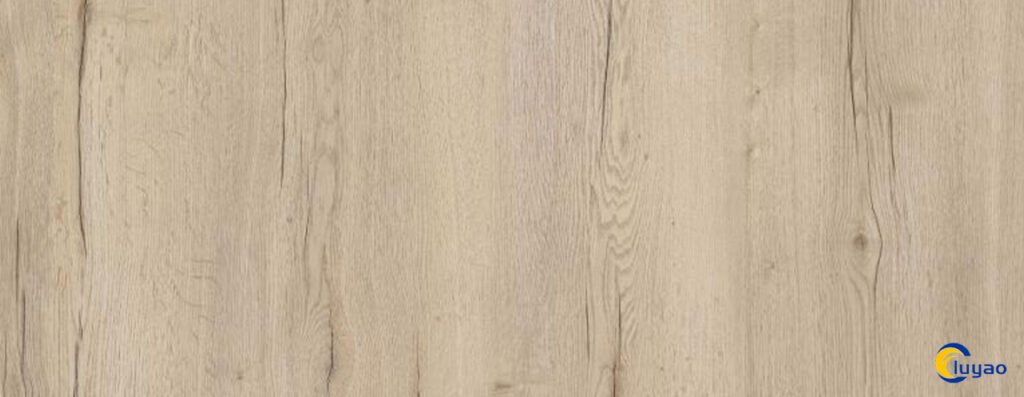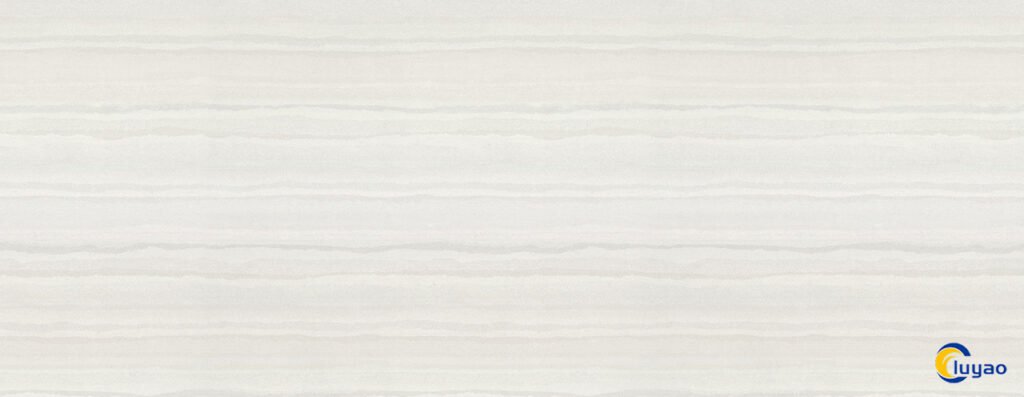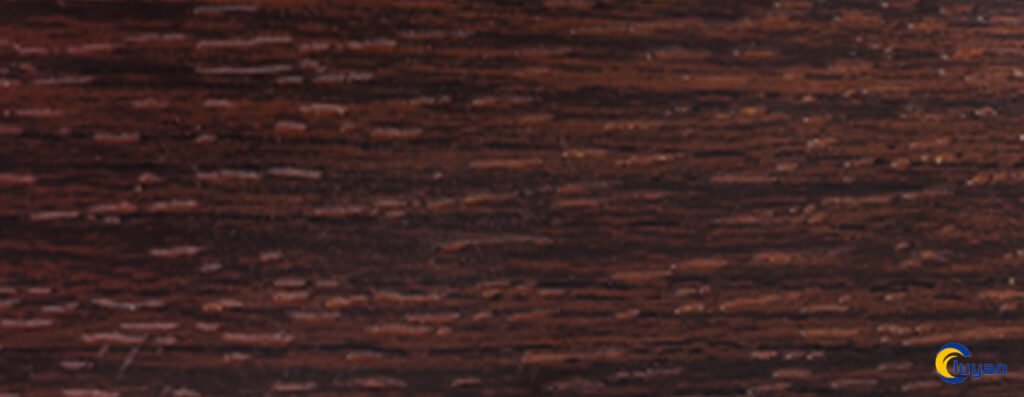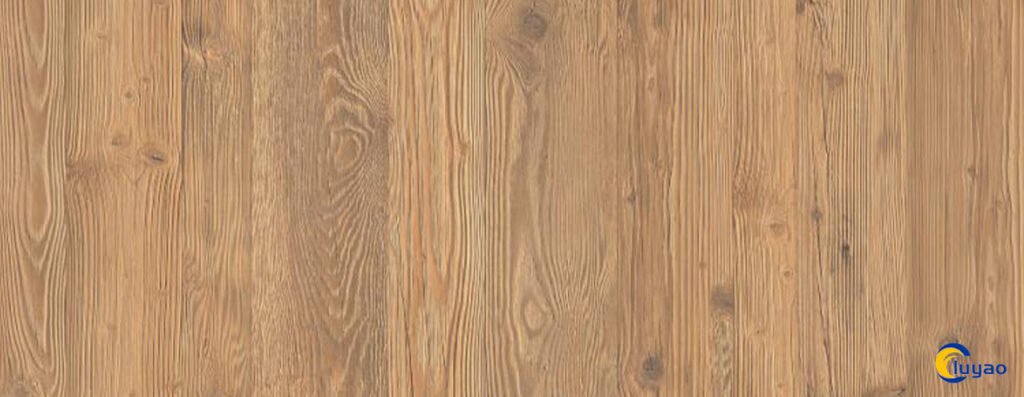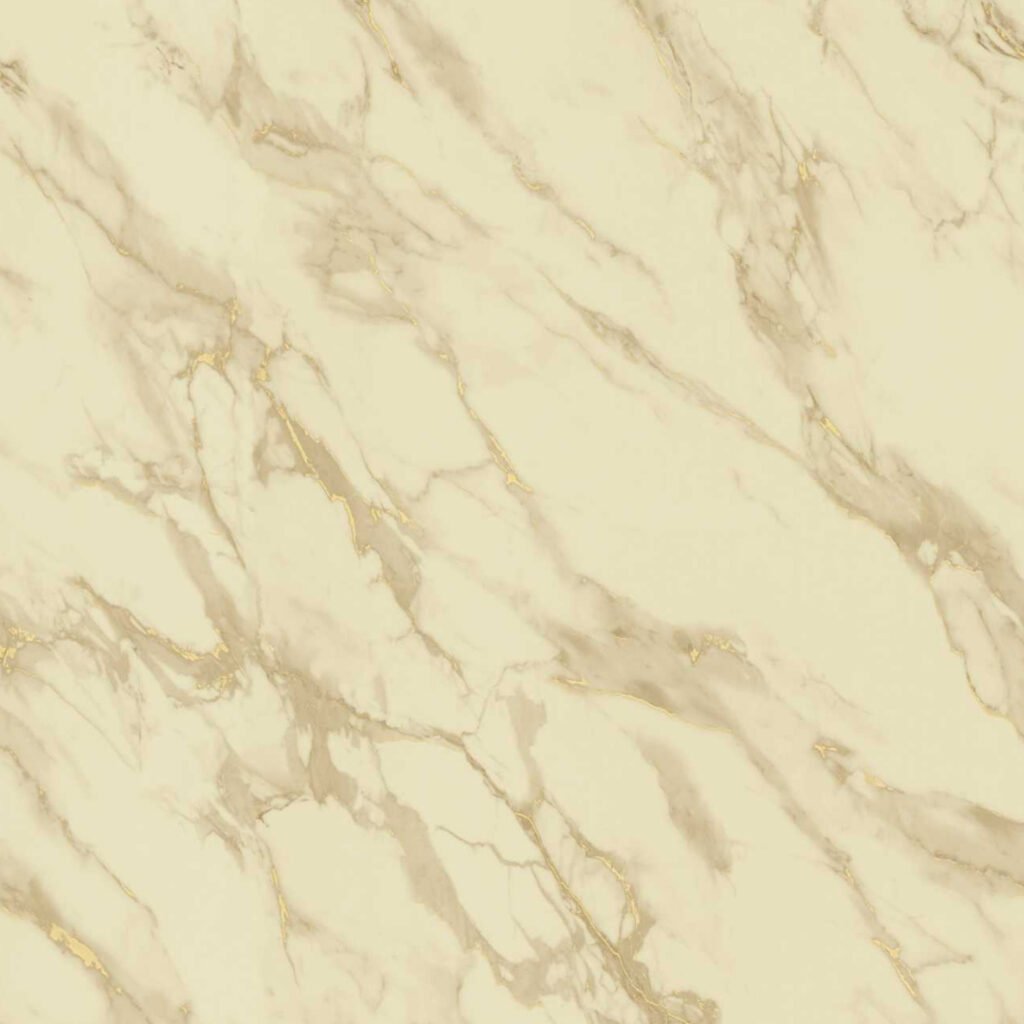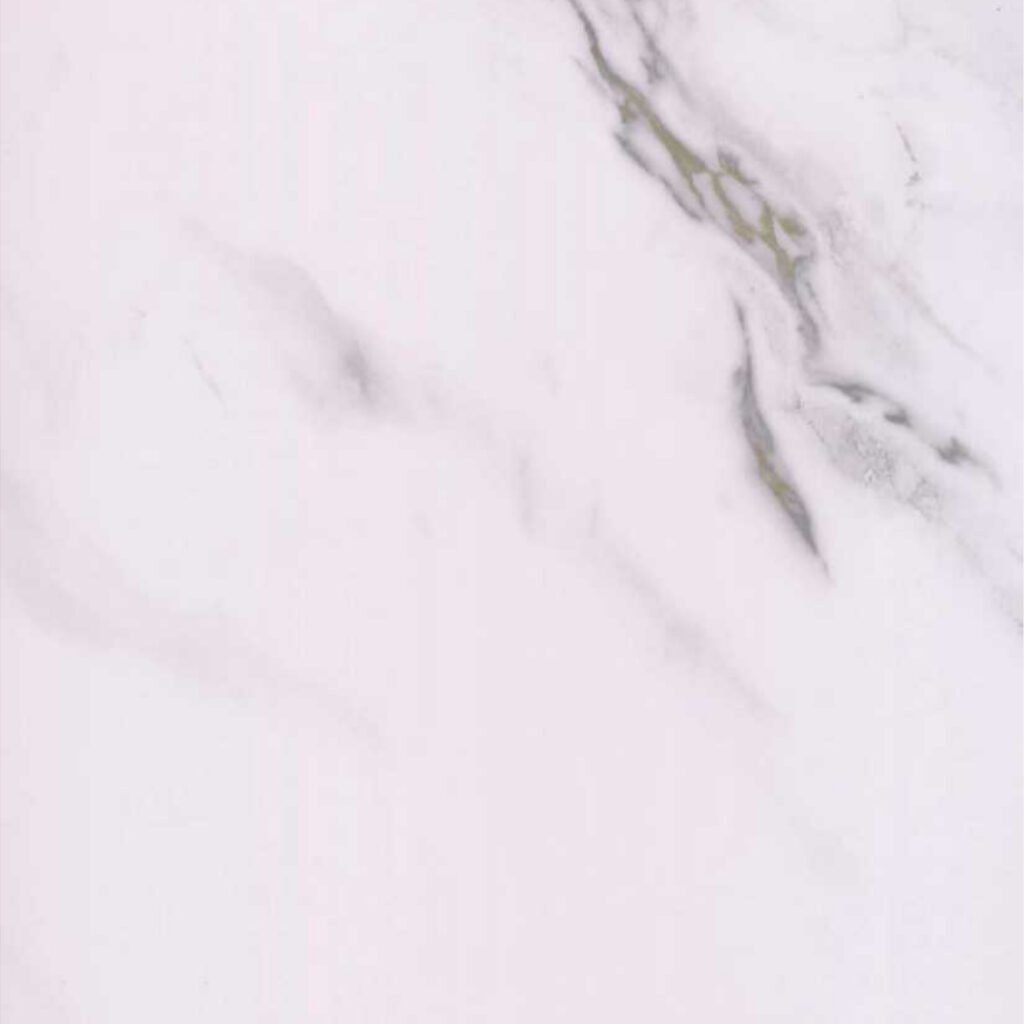





Cleaf traccia edge banding ub50
We manufacture edge banding for furniture factories, distributors, importers and OEM customers. With factory-direct production, sample support, customized specifications and bulk-order service, edge banding ub50 can be supplied as part of a repeatable production program rather than as a one-time purchase.
Note: All our samples are shipped the same day. The samples are free, but the express shipping charges are the buyer’s responsibility. Once the order is confirmed, these charges can be reimbursed from the order total.
Payment & Security

Cleaf traccia edge banding ub50
Edge banding represents only a small percentage of the material used in a piece of furniture.
But it passes through several important production stages.
The roll has to be fed into the machine. It needs to bond to the panel, follow the panel edge and remain stable during trimming. After excess material is removed, the finished edge needs to look clean from different viewing angles.
A problem at any one of these stages can create additional work.
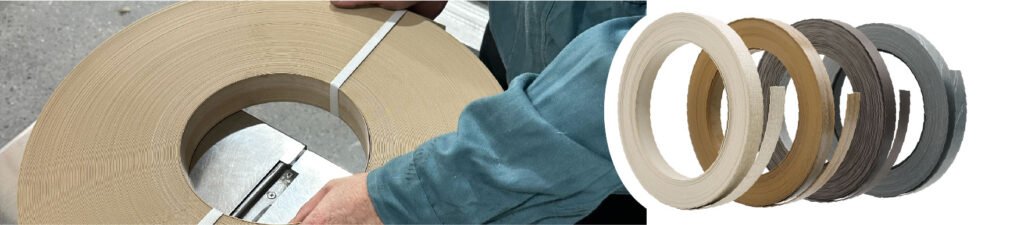
For example, inconsistent dimensions can affect machine adjustment. Poor winding can make feeding less convenient. Surface defects can become visible after trimming. Color differences may become obvious when several furniture components are assembled together.
That is why our approach to edge banding UB50 focuses on the complete production process rather than only the finished appearance of the roll.
Built for Repeated Furniture Production
There is a major difference between making one cabinet and manufacturing several thousand cabinets.
In small-scale production, an operator may be able to compensate for minor inconsistencies manually.
In larger production, repeated components move through the line continuously. A stable edge banding specification makes the process easier to control.
edge banding ub50 can be used for repeated furniture components such as:
- Cabinet doors
- Wardrobe doors
- Side panels
- Shelves
- Drawer fronts
- Cabinet interiors
- Office storage units
- Tables
- Display fixtures
- Customized furniture panels
Using the same edging specification across related components can also simplify purchasing and production management.
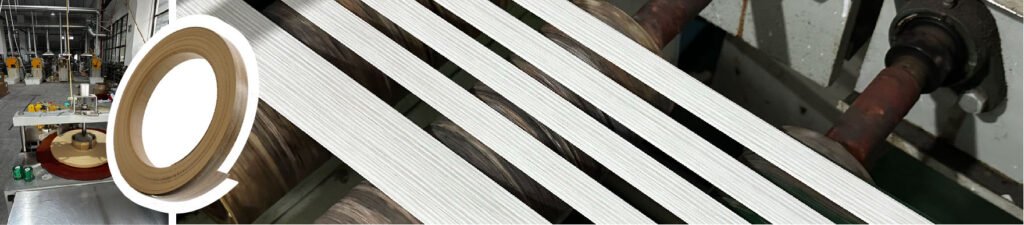
Protecting the Exposed Panel Edge
Decorative boards are manufactured for furniture construction, but their cut edges have a different appearance from their finished faces.
The exposed core needs to be covered.
Edge banding creates a protective layer over this area and reduces direct exposure of the panel core to the surrounding environment. It also helps reduce the visual impact of machining marks and creates a more finished perimeter.
This is particularly useful for furniture components that are frequently touched.
Cabinet doors are opened repeatedly. Drawer fronts are handled every day. Shelves may be loaded and unloaded. Office furniture can experience continuous contact with users.
A properly processed edge band helps these components maintain a more finished appearance during normal use.
UB50 for Different Furniture Components
Not every edge on a furniture panel has the same function.
A cabinet door may have four visible sides. A shelf may have only one or two exposed edges. An internal partition may have an edge that is visible only after the cabinet door is opened.
The edging specification can therefore be selected according to the individual component.
Cabinet Doors
Visible edges require a coordinated decorative finish because they are directly exposed to the user.
Wardrobe Panels
Large panels often have long straight edges, making consistency particularly important.
Shelves
Shelf edges can remain visible from different angles, especially in open storage systems.
Drawer Fronts
Drawer fronts are frequently handled, so clean edge processing is important for the overall appearance of the furniture.
Office Furniture
Desks, storage cabinets and workstations can require durable and consistent edge treatment across many repeated components.
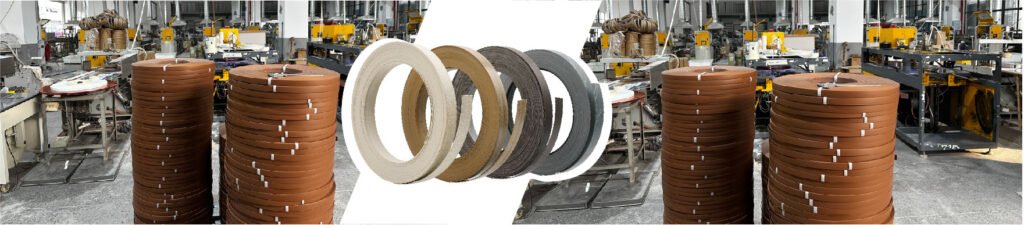
Selecting the Correct UB50 Specification
A common mistake when purchasing edge banding is choosing the width and thickness based only on the appearance of the roll.
The actual panel construction should come first.
For example, the required width may depend on the board thickness and how much material is needed for trimming. Thickness can influence the final visual profile and processing characteristics.
Our available range includes:
Thickness: 0.4–3 mm
Width: 9–120 mm
If your factory already has an established edge-banding machine setup, providing the existing specification can make it easier to determine the appropriate edge banding ub50 size.


From Raw Material to Finished Roll
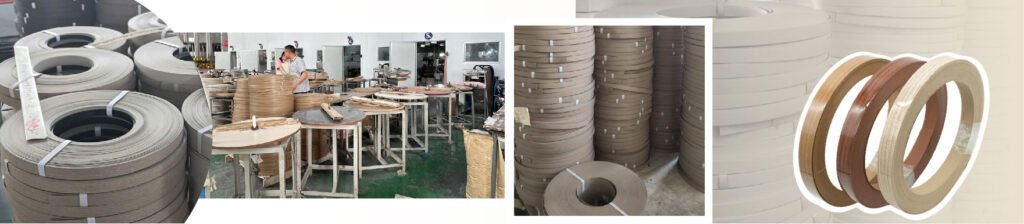
The manufacturing process behind an edge band affects its final consistency.
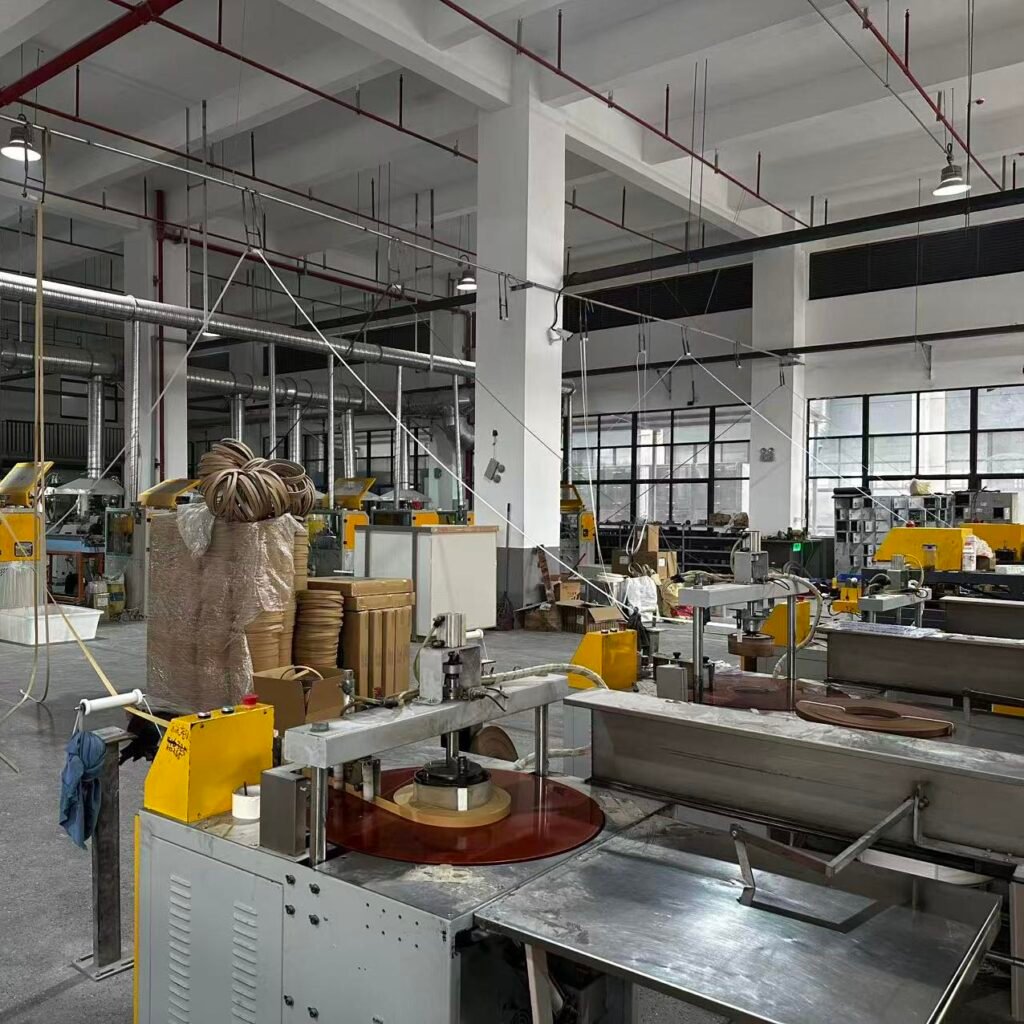
Our production follows a controlled sequence:
Material Preparation → Extrusion → Surface Processing → Quality Inspection → Winding → Packaging
Material Preparation
Raw materials and color components are prepared according to the production specification.
Extrusion
The material is processed through extrusion equipment to form the required edge banding profile.
Surface Processing
The surface receives the required decorative treatment to achieve the target appearance.
Quality Inspection
The finished material is checked for dimensions and visible production issues.
Winding
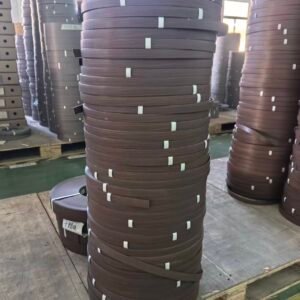
The processed edge band is wound into rolls for convenient storage and machine use.
Packaging
Finished rolls are packed according to the order requirements before shipment.
This production sequence gives us greater control over the material from the beginning of manufacturing through to final packing.
What Furniture Manufacturers Should Check
Before placing a large edge banding order, there are several practical points worth checking.
1. Appearance
Compare the edge band with the actual panel rather than relying entirely on digital images.
2. Dimensions
Confirm the required thickness and width based on the panel and machine.
3. Processing
Test the material through the actual production equipment when possible.
4. Trimming
Check how the edge behaves after excess material is removed.
5. Batch Consistency
For repeat orders, make sure the supplier can reproduce the required specification consistently.
These checks are particularly valuable for distributors and furniture factories purchasing by the thousands of meters.
Why Physical Samples Matter
A product image on a website cannot fully reproduce the appearance of a decorative edge.
Screen settings, lighting and photography can all influence how a color is perceived.
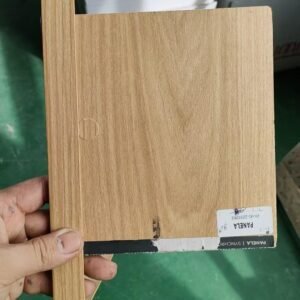
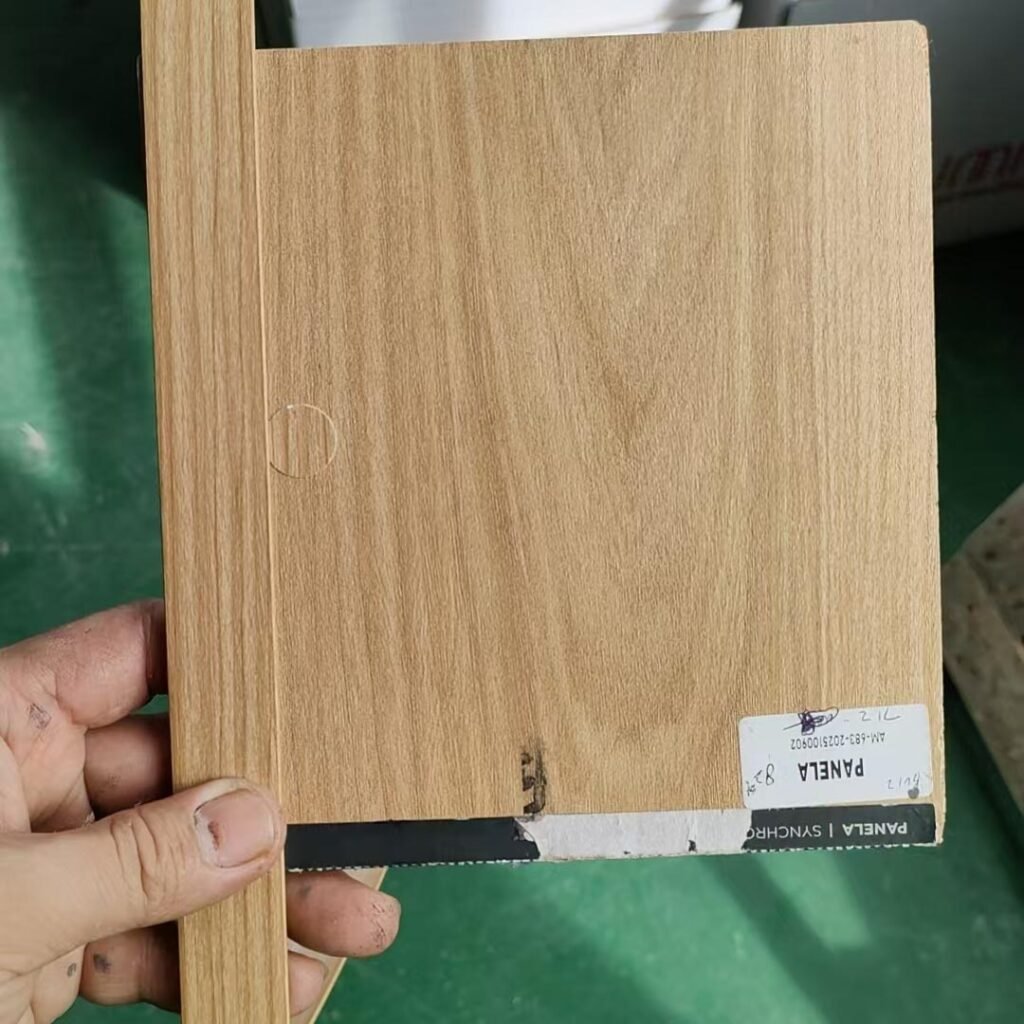
For edge banding UB50, we recommend checking a physical sample against the actual furniture panel before confirming bulk production.
A sample allows you to evaluate:
- Color relationship
- Surface appearance
- Edge thickness
- Width
- Processing result
- Overall visual coordination
For OEM projects, the sample can also become a reference for future repeat orders.
Factory Direct Edge Banding Supply
The supplier needs to be able to support repeat production, communicate specifications clearly and provide consistent material for future orders.
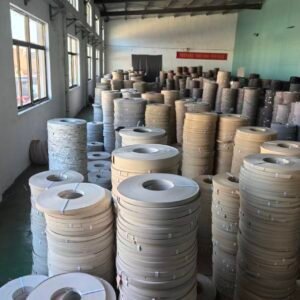
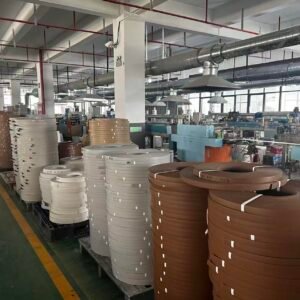
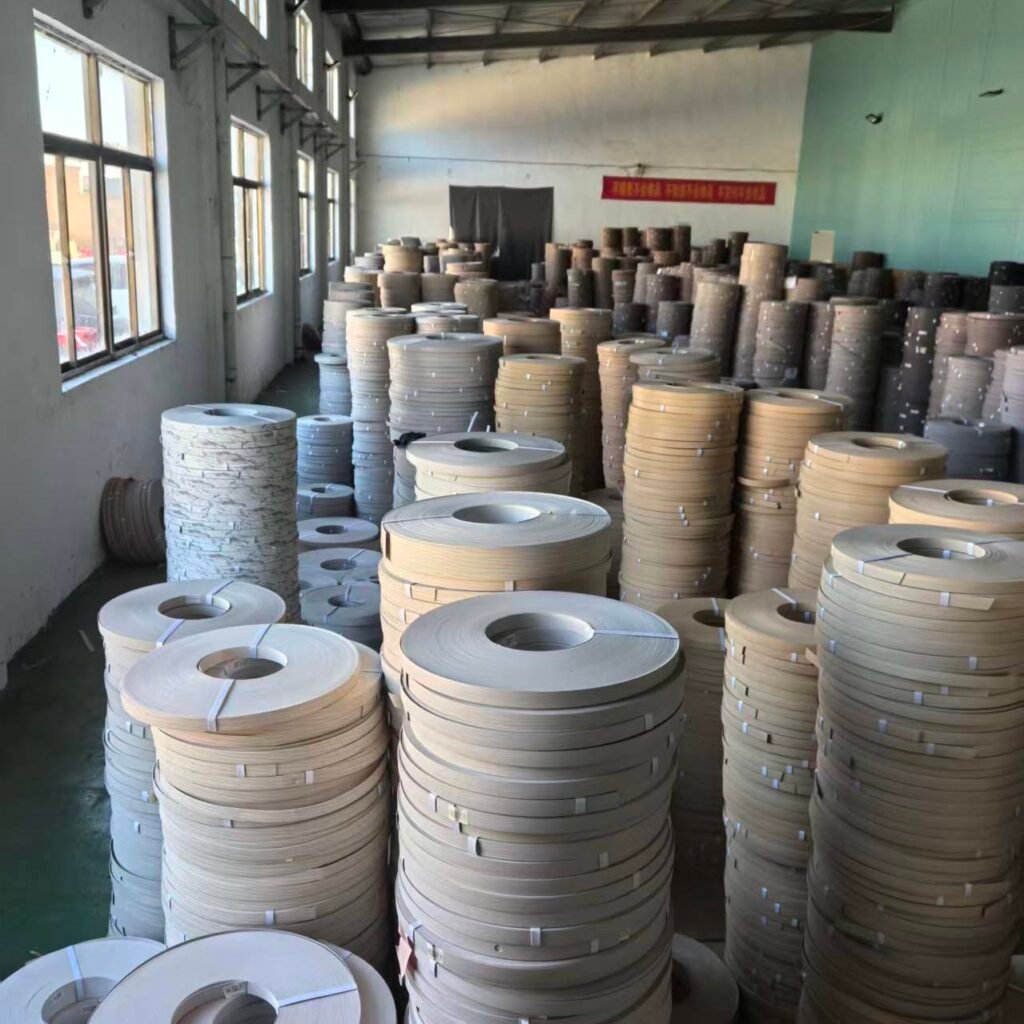
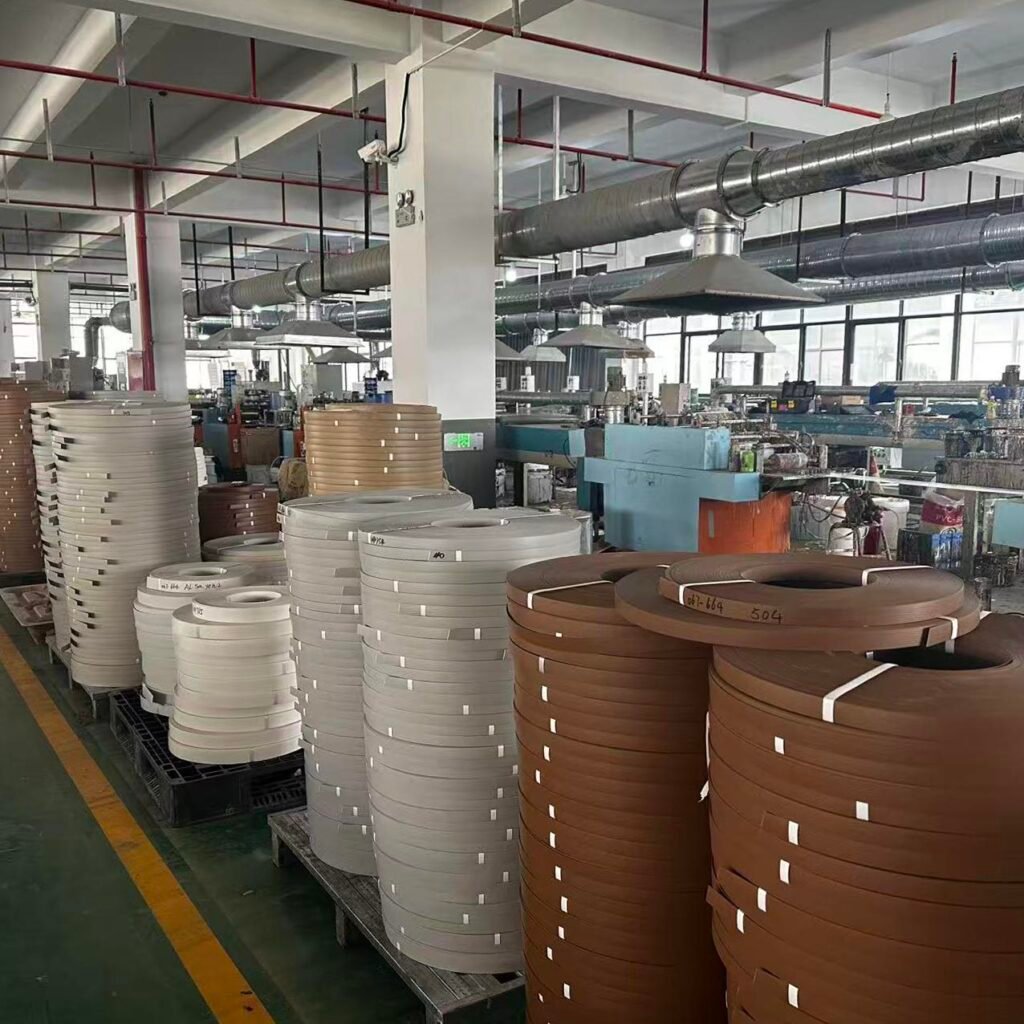
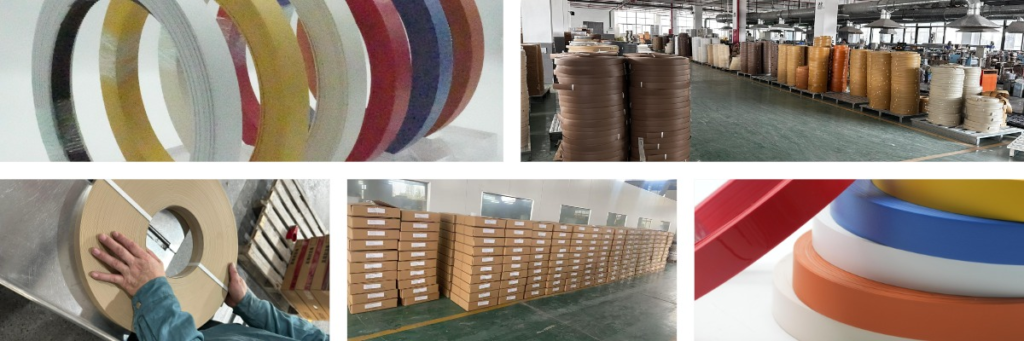
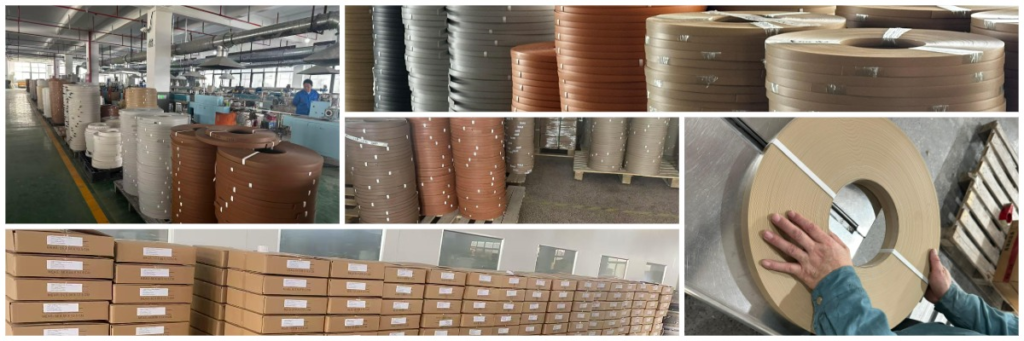
Our factory covers approximately 100,000 m² and has around 300 production employees, supported by dedicated quality-control and international sales teams. We supply customers in different overseas markets and support bulk furniture-material orders.
Our standard MOQ is 5,000 meters per color.
This makes our supply model more suitable for:
- Furniture manufacturers
- Edge banding distributors
- Building-material importers
- Cabinet factories
- OEM furniture suppliers
- Wholesale buyers
For customers purchasing regularly, direct factory communication can also make specification changes easier to manage.
Custom Edge Banding for Different Markets
Furniture production is not identical everywhere.
One customer may require a narrow edge for a specific board thickness. Another may need wider material for a special panel. A distributor may require customized roll lengths or packaging.
For edge banding ub50 projects, we can discuss customized requirements including:
- Edge banding width
- Thickness
- Roll length
- Core specifications
- Packaging
- Labels
- OEM requirements
- Bulk-order specifications
The objective is to provide an edge banding specification that fits the customer’s production system instead of simply offering one fixed size.
Consistency Across a Furniture Collection
Imagine a furniture manufacturer producing a complete collection using the same decorative panel.
The collection may contain a wardrobe, bedside table, TV cabinet, storage cabinet and desk.
Although these products have different structures, their visible edges contribute to the same overall design language.
Using a consistent Cleaf Traccia edge banding UB50 specification across suitable components can help maintain that relationship.
This becomes particularly useful for furniture brands producing multiple models from the same decorative board series.
Instead of treating every order as an isolated purchase, the edge banding can become part of the company’s standard material specification.
Quality Control Before Shipment
Quality control does not end when extrusion is completed.
Before shipment, production should be checked against the order requirements.
For edge banding ub50 orders, inspection may include:
- Width
- Thickness
- Surface condition
- Color appearance
- Roll winding
- Packaging
- Quantity
- Order specifications
For repeat customers, keeping the same agreed specification is important. Consistency between shipments helps reduce the need for repeated machine adjustments and unnecessary production testing.
A Practical Choice for OEM Projects
OEM furniture production often involves strict material coordination.
The panel, edge band, hardware and final furniture construction all need to work together.
Edge banding may seem like a minor purchasing item, but if it is unavailable or inconsistent, production can be affected.
That is why we support OEM customers with sample confirmation and customized production before moving into larger quantities.
Once the specification has been confirmed, the same production requirements can be used as a reference for future orders.
FAQ
What is edge banding UB50?
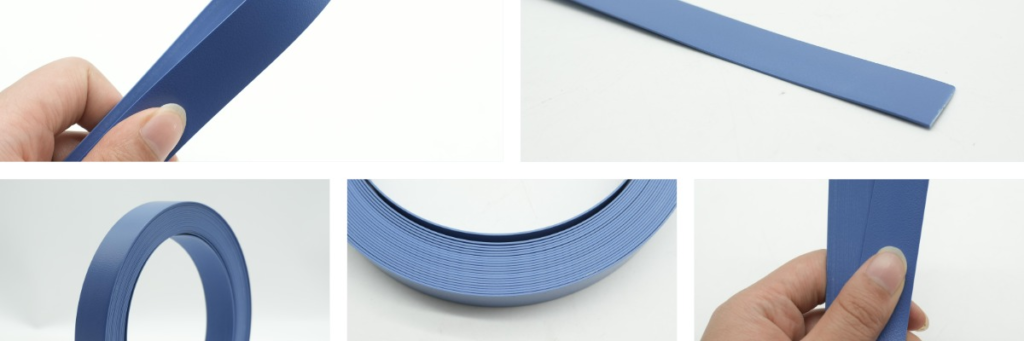
Edge banding UB50 is a PVC furniture edging product developed around the Cleaf Traccia UB50 decorative reference. It is used to cover exposed edges of MDF and other furniture panels.
What thicknesses are available?
Our edge banding can be manufactured from 0.4 mm to 3 mm thick.
What widths can you produce?
Available widths range from approximately 9 mm to 120 mm, with customized widths available for suitable orders.
Can I receive a sample before ordering?
Yes. Physical samples can be arranged so you can compare the edge banding with your actual panel before bulk production.
Can edge banding ub50 be customized?
Yes. Width, thickness, roll specifications, packaging and OEM requirements can be discussed according to the project.
Who can purchase UB50 from your factory?
We supply furniture factories, distributors, importers, wholesalers and OEM customers.
Request Your edge banding ub50 Sample
If your furniture project uses the Cleaf Traccia UB50 reference, send us your panel information and required edge dimensions.
We can help confirm the suitable specification before bulk production.
Parameter Table
| Attributes | Value |
|---|---|
| Brand | Cleaf |
| product | Pvc edge banding |
| Application | bathroom cabinets, cabinets, display cabinets, Furniture manufacturing, hotel projects, interior doors, office furniture, wardrobes |
| Thickness | 0.4mm, 0.8mm, 1.0mm, 1.5mm, 2.0mm, 3.0mm, Customizable |
| Width | 12mm, 16mm, 18mm, 20mm, 22mm, 30mm, 40mm, 50mm, 60mm, 70mm, 80mm, 90mm, 9mm, Customizable |
| Lead Time | 20 days |
| Adhesive Type | EVA hot melt glue, PUR hot melt glue |
| Application Method | automatic edge banding machine |
| PVC edge banding |
Reviews
Review

Matte & glossy options available for various furniture styles