




PVC · ABS · Melamine · Acrylic
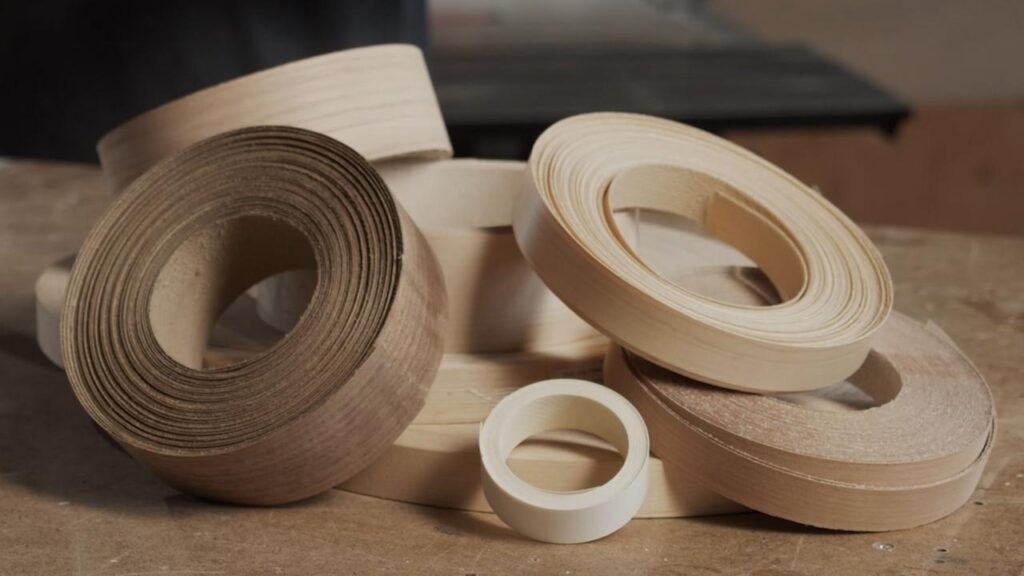
Woodgrain Edge Banding
Grain-synchronised woodgrain edge banding engineered to disappear into your panel. We match the grain direction, pattern repeat and gloss level of your board, then hold that colour to ΔE < 0.5 across every roll and every repeat order.
0.4–3.0 mm thickness
9–120 mm width
ΔE < 0.5 colour hold
Samples in 48 h
MSDS · TUV · SGS · 80+ export markets
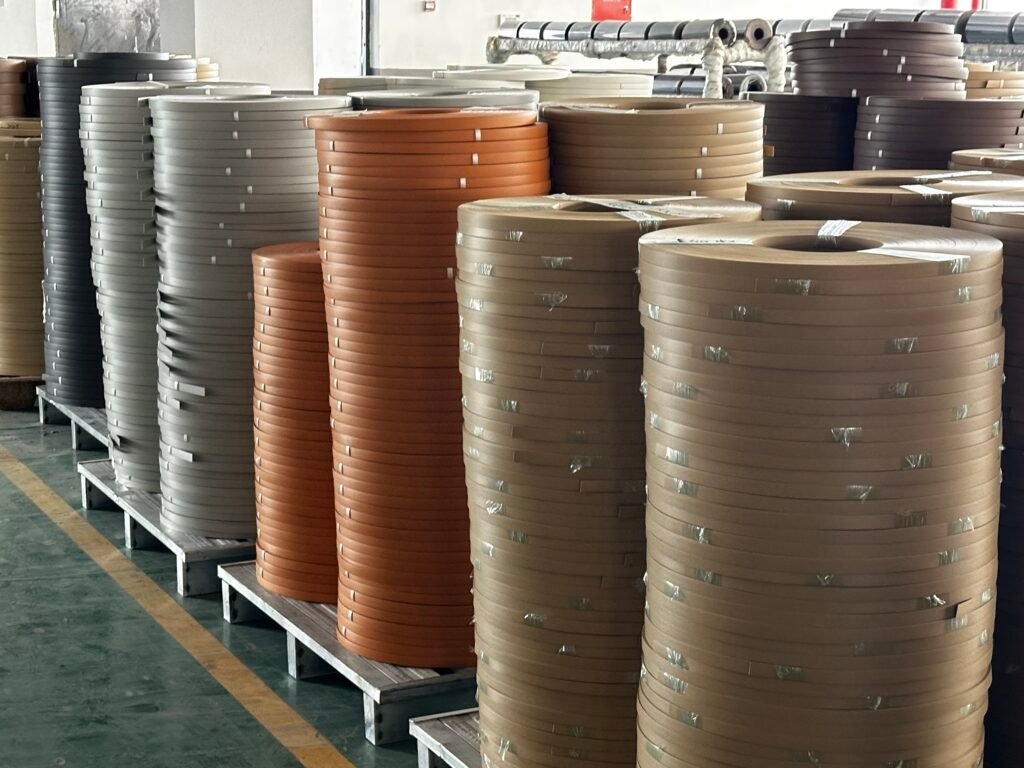
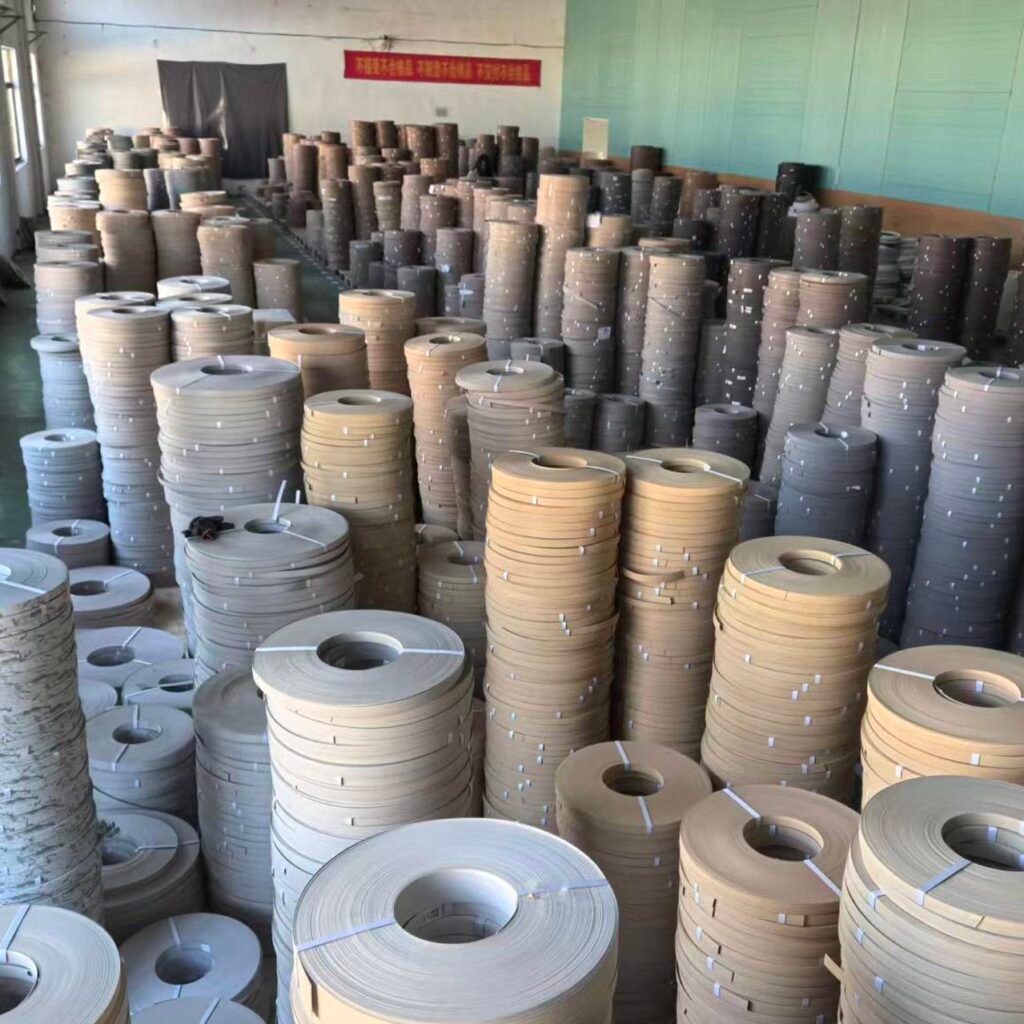
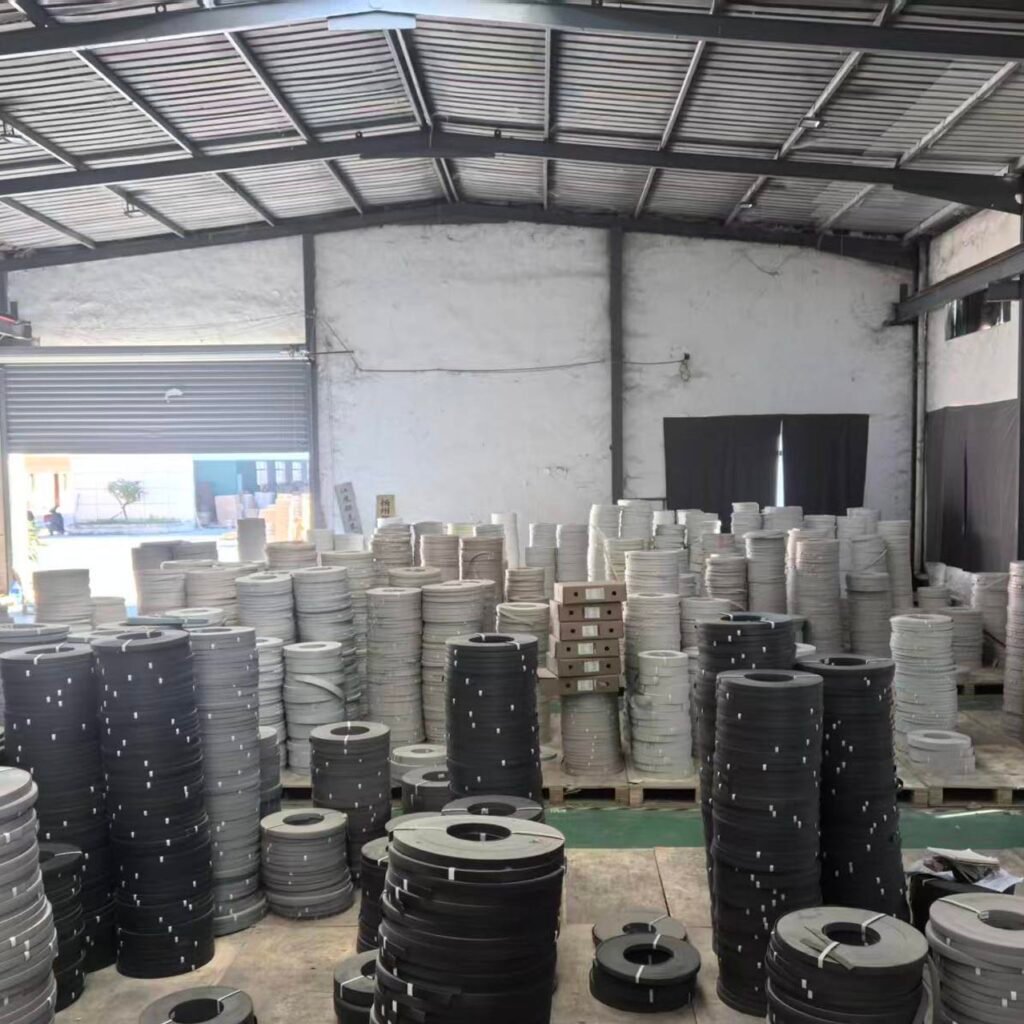
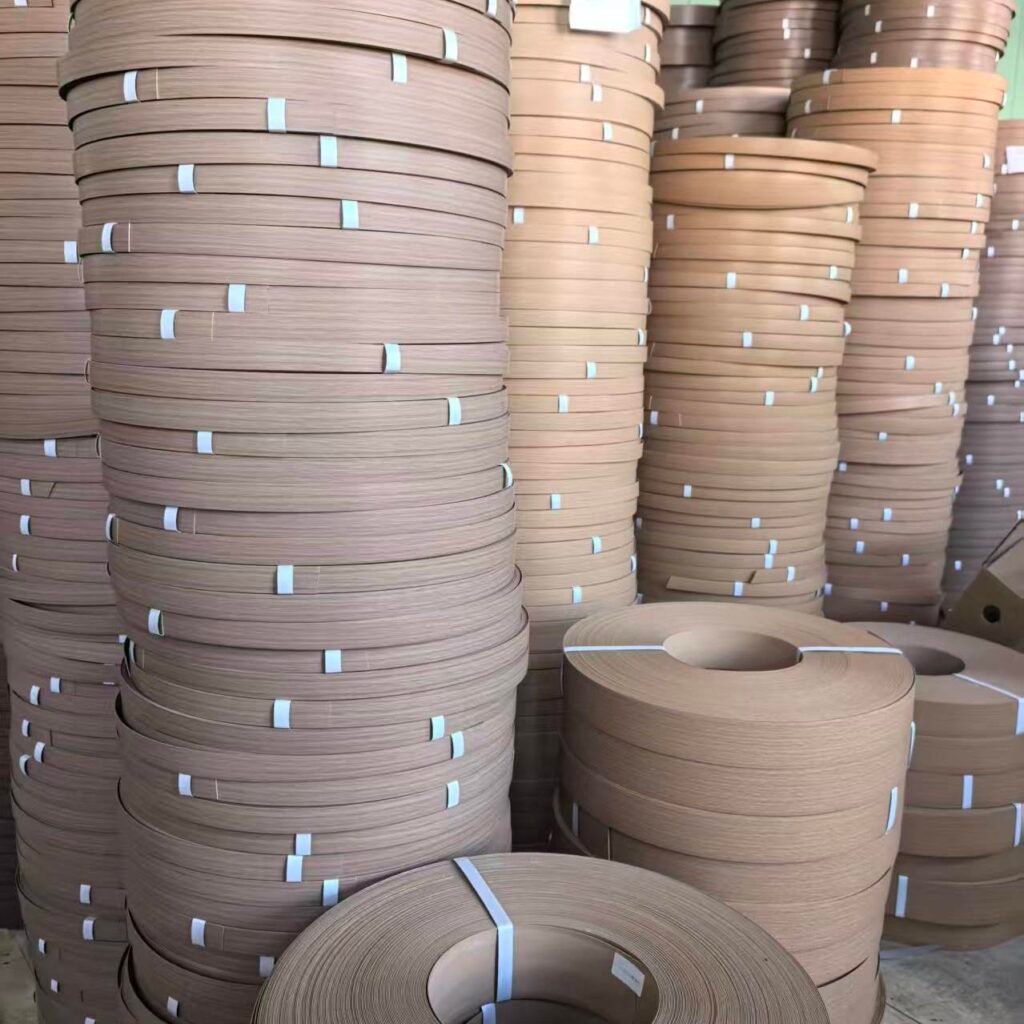
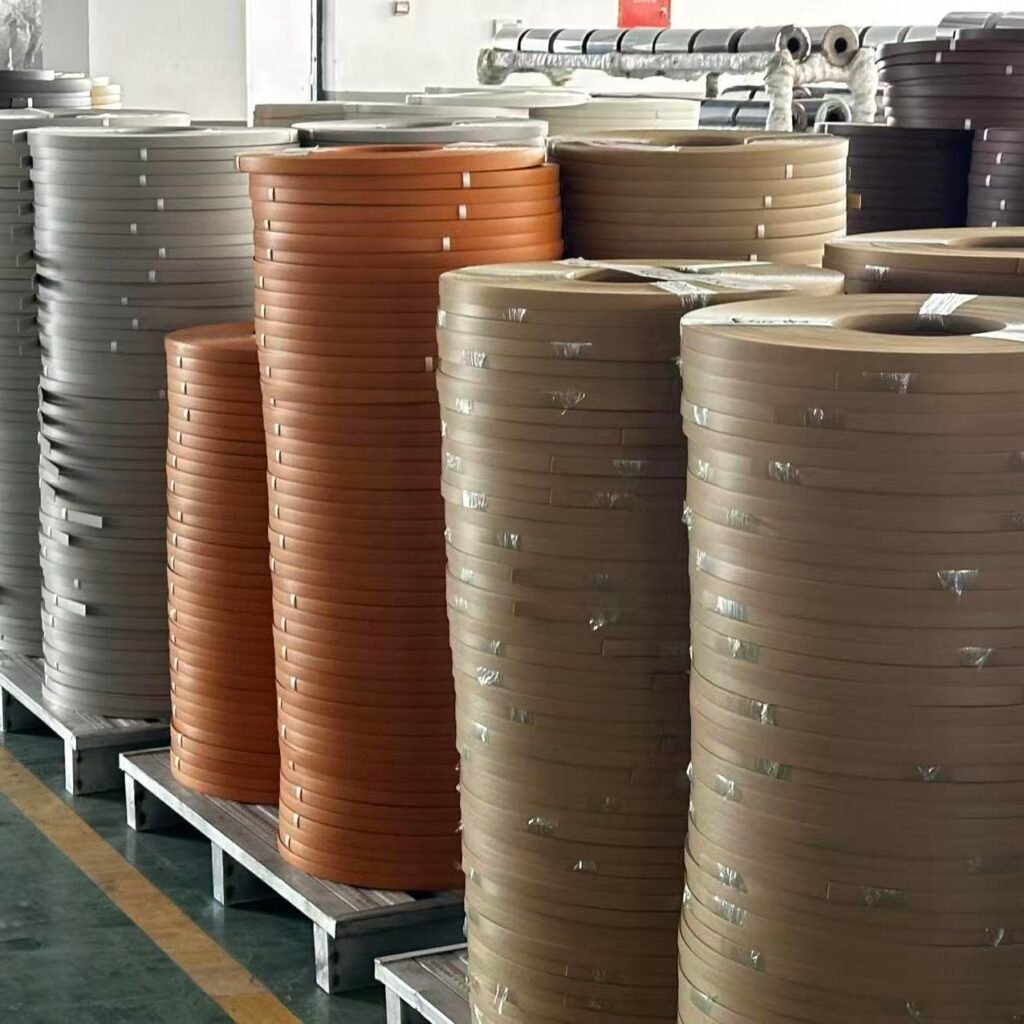
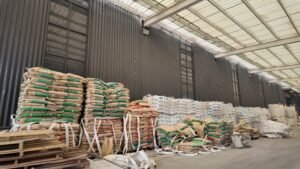
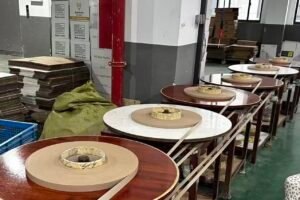
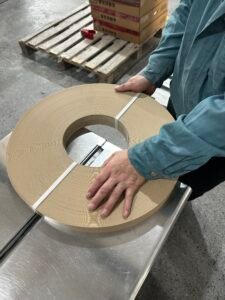
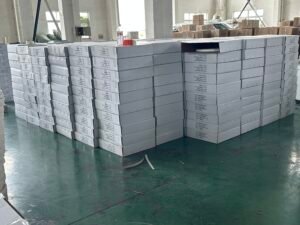
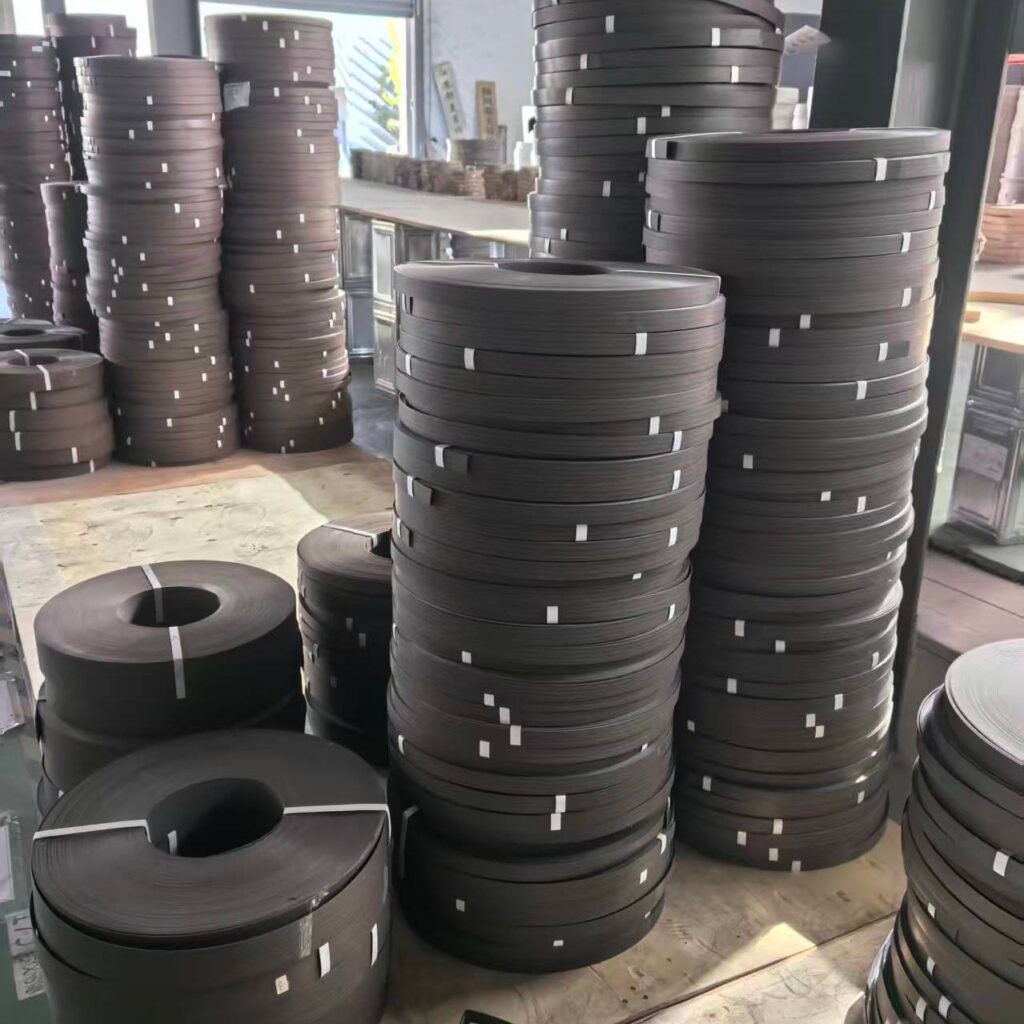
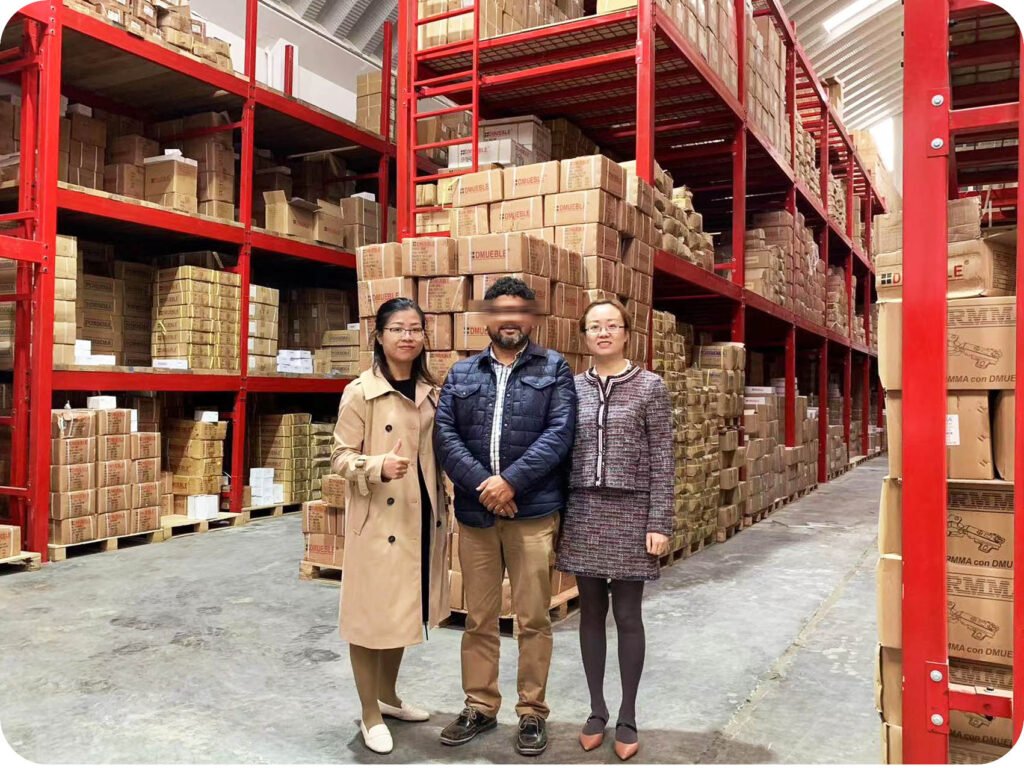
Woodgrain stock in the Shanghai warehouse — every roll traced to its embossing recipe.
About Edge Banding Supplier
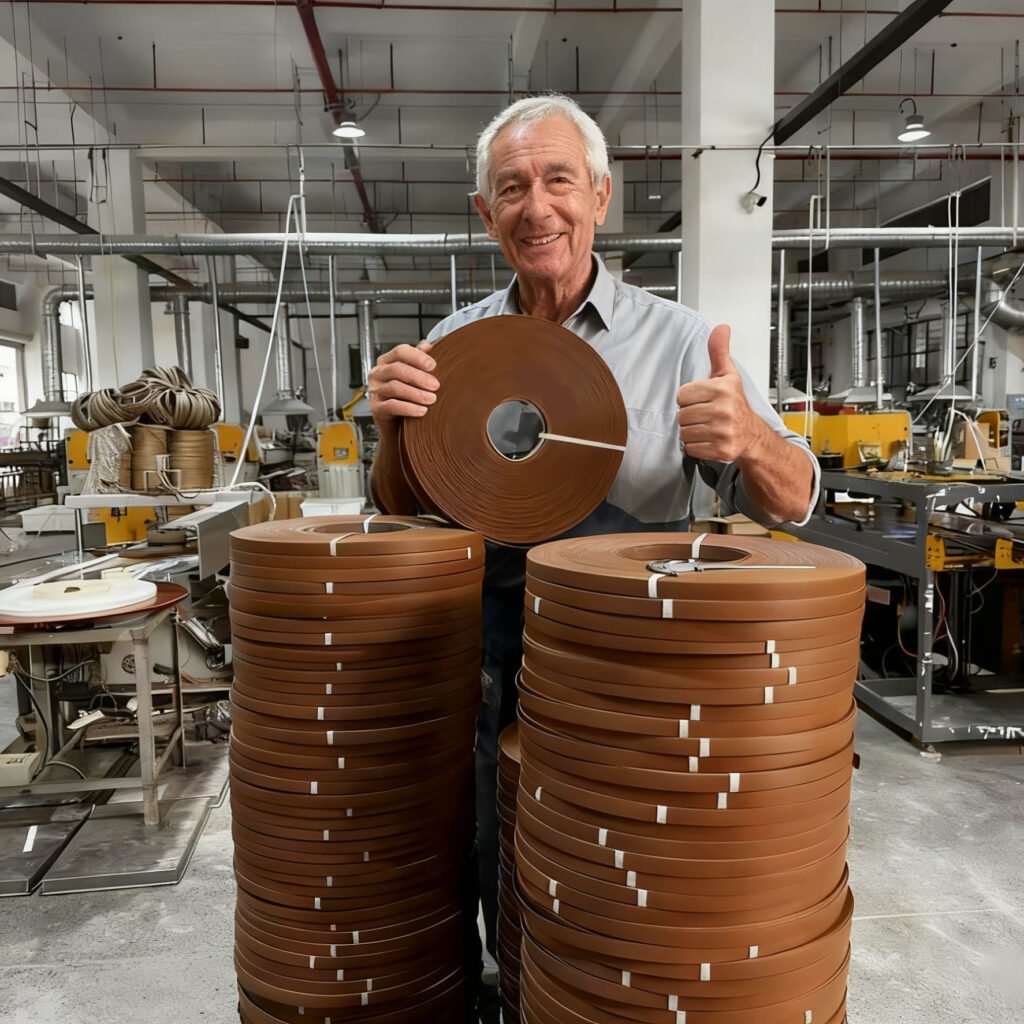
Behind every premium cabinet, office desk, and architectural panel lies a decision most customers never consciously see — the edge. A poorly matched woodgrain edge banding creates a visible seam that cheapens the entire piece. A perfectly synchronized LUYAO woodgrain edge banding disappears into the panel, making the finished furniture surface feel monolithic and intentional.
LUYAO has spent two decades engineering edge banding that meets the exacting standards of furniture manufacturers across 60+ countries. Whether you need a classic European oak grain on 0.8 mm melamine edge banding, a rich American black walnut on 2.0 mm ABS edge banding, or a 3D-translucent acrylic edge banding with woodgrain underlay, we produce every meter with the same obsession: your panel’s grain direction must flow without interruption from the face surface, across the glue line, and onto the edge.
- ISO 9001:2015 Certified Manufacturing
- ISO 14001 Environmental Management
- SGS Third-Party Laboratory Verified
- 20+ Years in Edge Banding Production
- 50 Million+ Linear Meters Annual Output
- Exporting to 60+ Countries Worldwide
Grain synchronisation
How the edge disappears
Three controlled steps. None of them is “pick the closest colour from a fan deck”.
STEP 01
Scan your panel texture
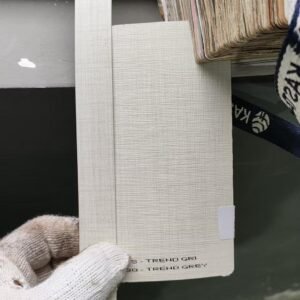
We receive your melamine or laminate panel and capture grain direction, pattern repeat and gloss level with an optical system — not an eyeball match.
STEP 02
Program the embossing roller
The roller recipe is aligned to the scanned grain flow, so the pore structure of the edge continues the pore structure of the face instead of restarting it.
STEP 03
Synchronised extrusion
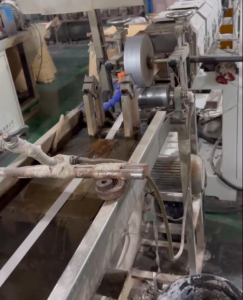
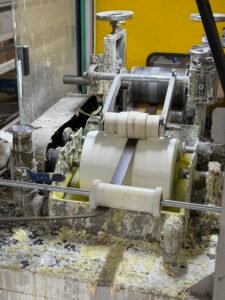
The PVC, ABS or acrylic strip is extruded and embossed in one pass. After flush trimming and buffing the joint reads as a single continuous surface.
01 Enquiry & Brief
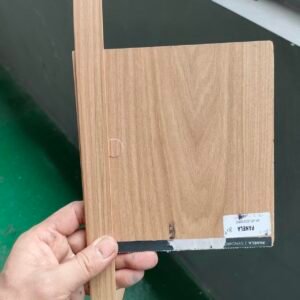
Send us your board sample, wood species reference, or RAL code. Tell us the material you need — PVC edge banding, ABS edge banding, melamine edge banding, or acrylic edge banding — along with your target edge thickness, width, and gloss level.
02 Lab Formulation & Digital Sampling
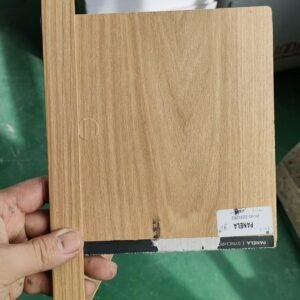
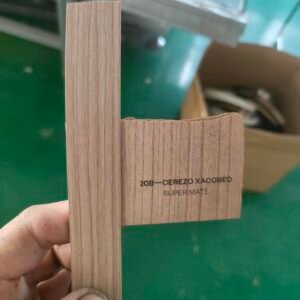
Our color lab produces a trial strip within 48 hours. We match grain direction, surface texture, and gloss so precisely that the Delta E stays below 0.5. You receive a digital or physical sample for approval.
03 Sample Validation & Sign‑Off
Test the woodgrain edge banding on your own edge banding machine. Check glue line, flush trimming quality, and corner rounding behavior. We adjust the formula until you are satisfied.
04 Batch Production & Quality Lock
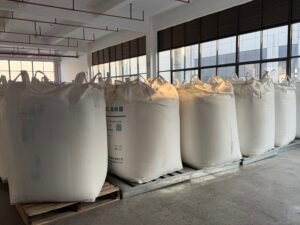
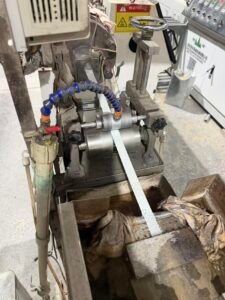
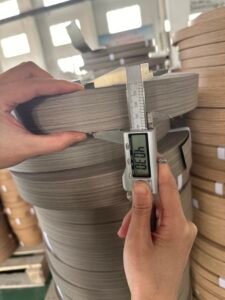
Once approved, the recipe is locked into our extrusion system. We produce your custom woodgrain edge banding under ISO 9001 controls, with in‑line laser micrometer checks on edge thickness and continuous grain‑sync verification.
05 Delivery & Ongoing Support
Your custom order ships from Shanghai within 15 working days. The exact color and grain specification stays on file for repeat orders — zero batch‑to‑batch drift, permanently.
Material decision
Woodgrain edge banding vs real wood veneer
Buyers ask this in the first email. A side-by-side table answers it in ten seconds and is the block search engines most often lift into an answer box.
+86 – 15618525178
Sales Representative
Real Wood Veneer Edge Banding
- Subject to natural defects and pinholes
- Batch-to-batch color variation is inevitable
- Poor resistance to moisture and delamination
- High waste rate during radius scraper finishing
VS
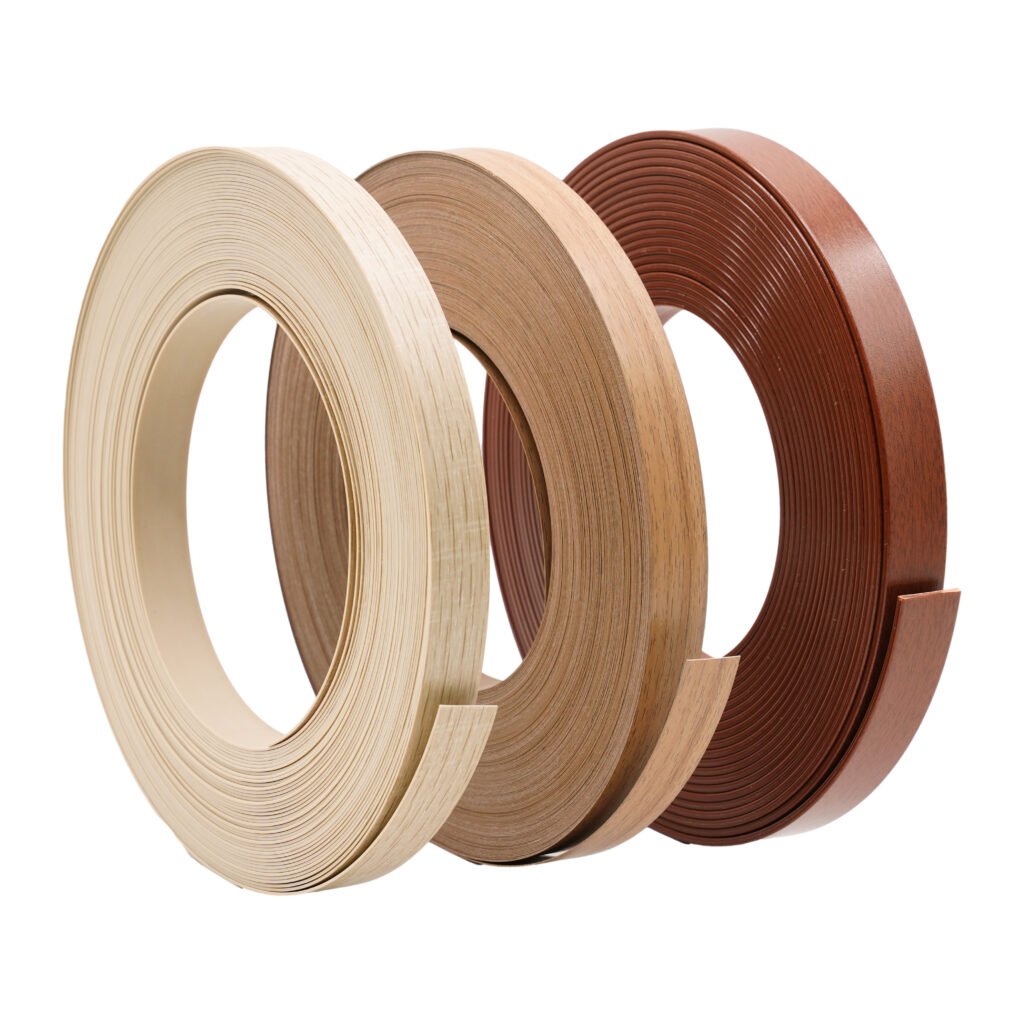
Woodgrain Edge Banding
- 100% consistent grain structure roll after roll
- No CITES restrictions, no species scarcity
- Waterproof and humidity-resistant
- Flexible edge thickness from 0.4mm to 3.0mm
- Exact color matching across orders
Wood species library
Woodgrain designs we hold and reproduce
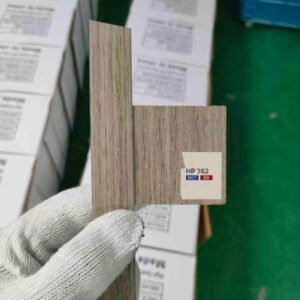
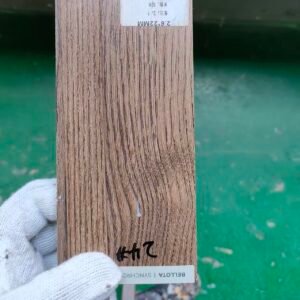
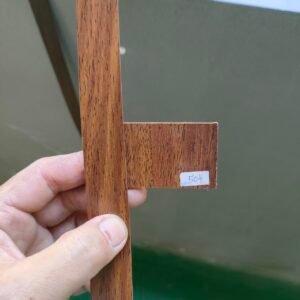
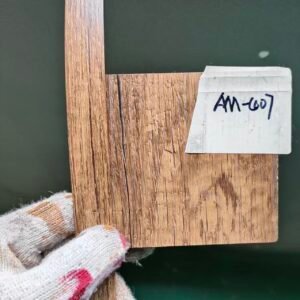
Six of the most requested species. Each design is a locked embossing and colour recipe — not a photo reference we re-eyeball on every order.
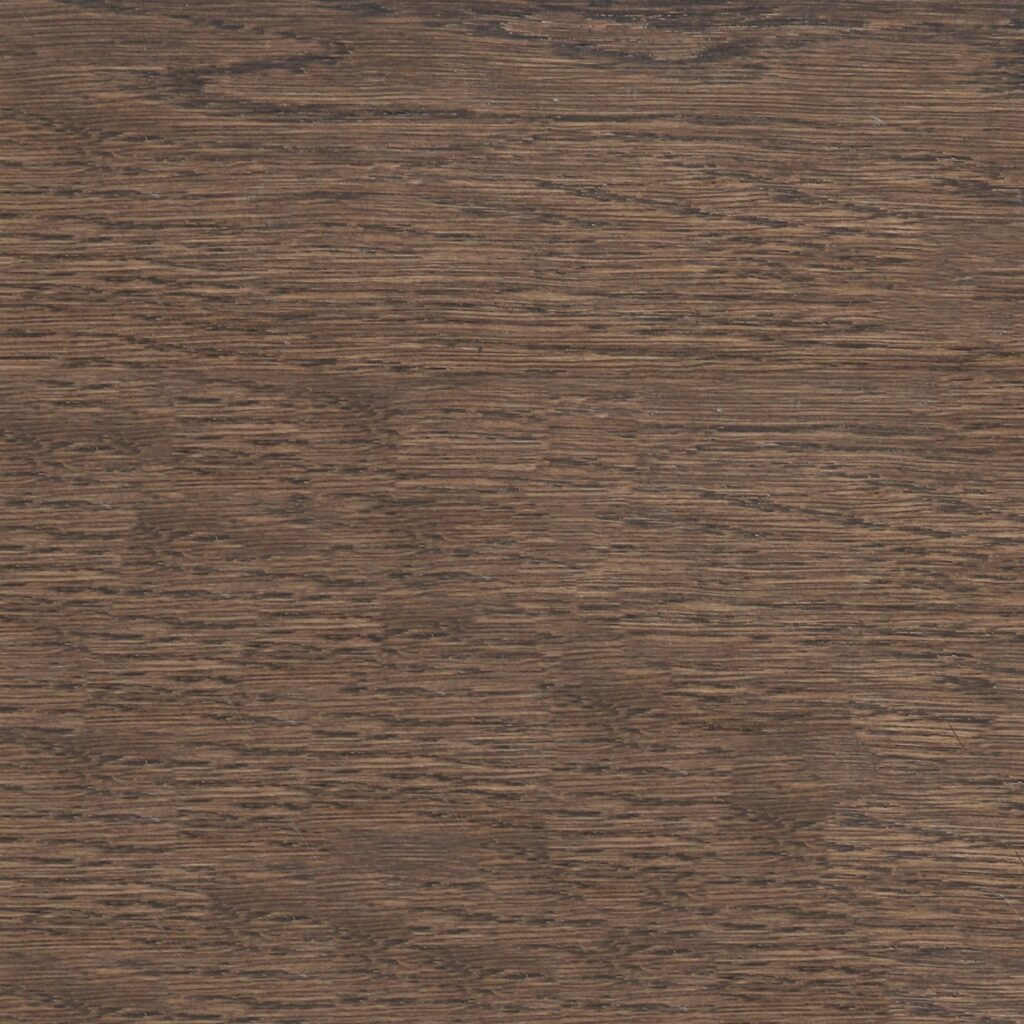
Black Oak Wood Grain
Deep brown-black heartwood with a coarse, open pore and strong cathedral figure. Pairs with black and dark-brown melamine boards in modern cabinetry.
Best at 1.0–2.0 mm · Super-matt and deep-structure emboss
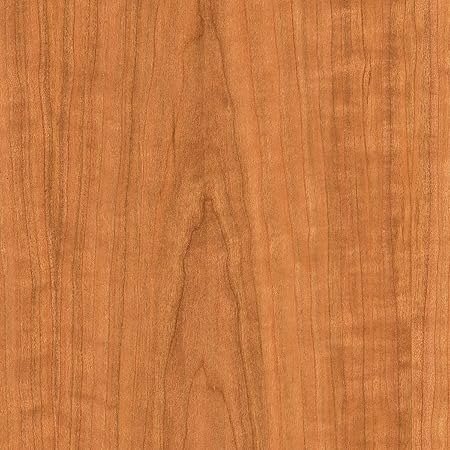
Cherry Wood Grain
Warm reddish-brown with fine, straight grain that darkens under light. A classic American furniture tone, common in hotel and residential casework.
Best at 0.8–1.5 mm · Matte and soft-touch
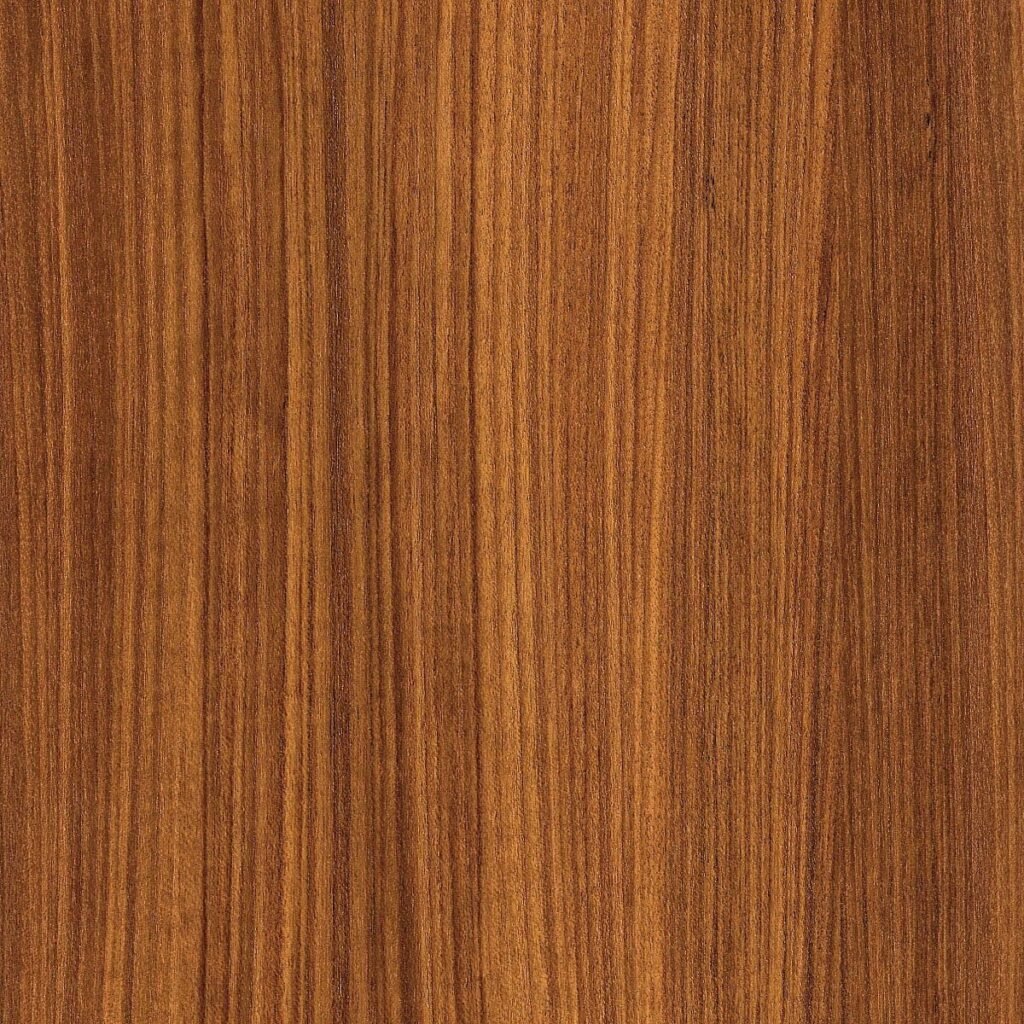
Teak Wood Grain
Golden brown with darker resin streaks and a straight, slightly wavy grain. Specified for outdoor furniture and marine interiors.
Best at 1.5–3.0 mm · Deep-structure emboss
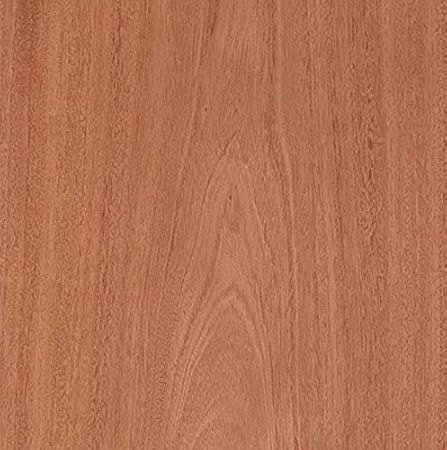
Mahogany Wood Grain
Deep red-brown with a fine, even ribbon stripe. Used where a traditional, high-value look is required without veneer sourcing risk.
Best at 1.0–2.0 mm · High-gloss and matte
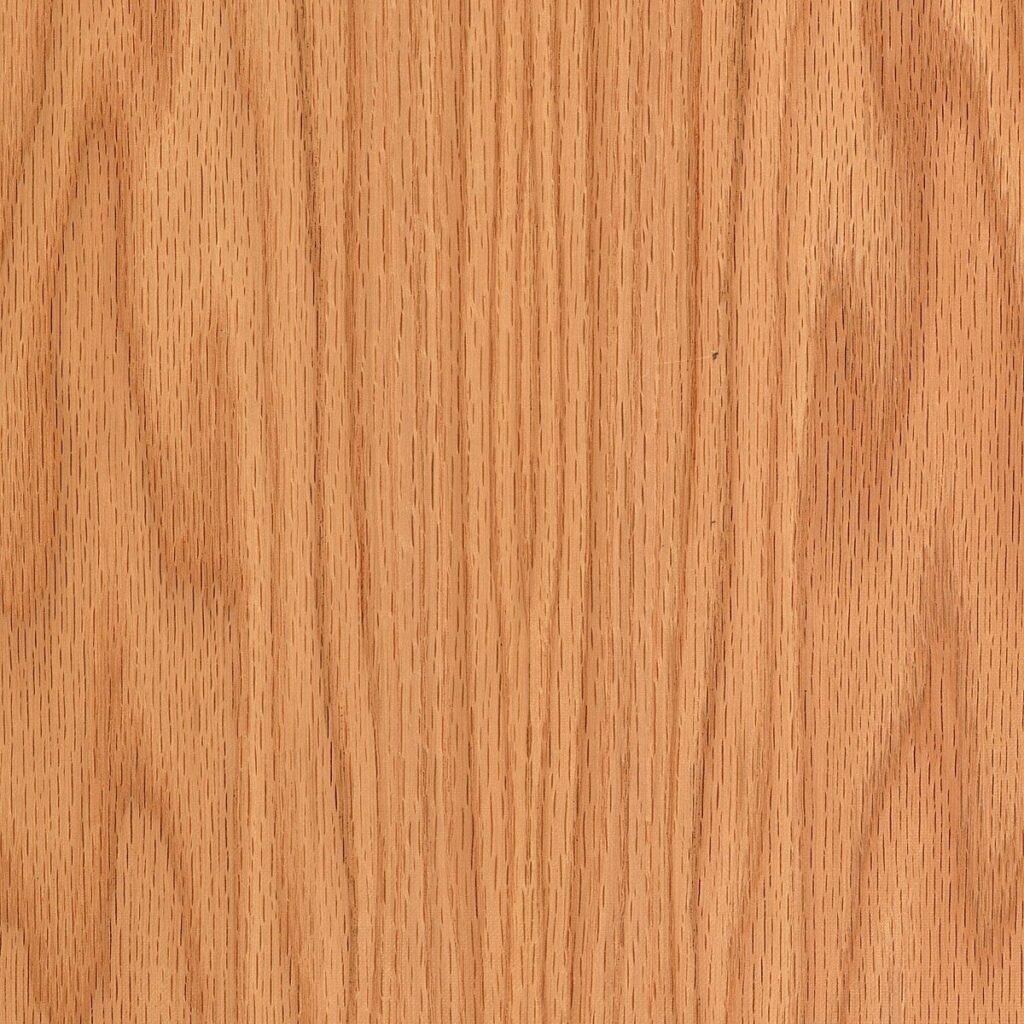
Red Oak Wood Grain
Pinkish-red with a pronounced cathedral grain and coarse texture. The most widely used cabinet oak in North American specification.
Best at 1.0–2.0 mm · Matte and synchronised pore
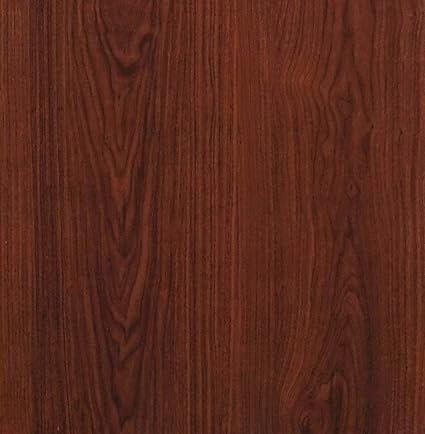
Red Brown Wood Grain
A blended red-brown tone developed for assemblies that mix board suppliers. It splits the colour difference instead of chasing one of them.
Best at 0.8–1.5 mm · Soft-touch and matte
Cannot find your species? Send us your panel sample. Our lab extracts the exact grain direction, color profile, and gloss level to create a woodgrain edge banding unique to your furniture line.
Material range
Four materials, one grain library
The grain design carries across materials, so a project can mix ABS on wet-area units with PVC elsewhere and still read as one finish.

ABS Edge Banding
Chlorine-free and impact resistant. Specified where VOC limits and furniture safety standards rule out PVC.
PVC Edge Banding
Widest colour and grain range, most forgiving on automatic edge banders. The default choice for interior cabinetry.
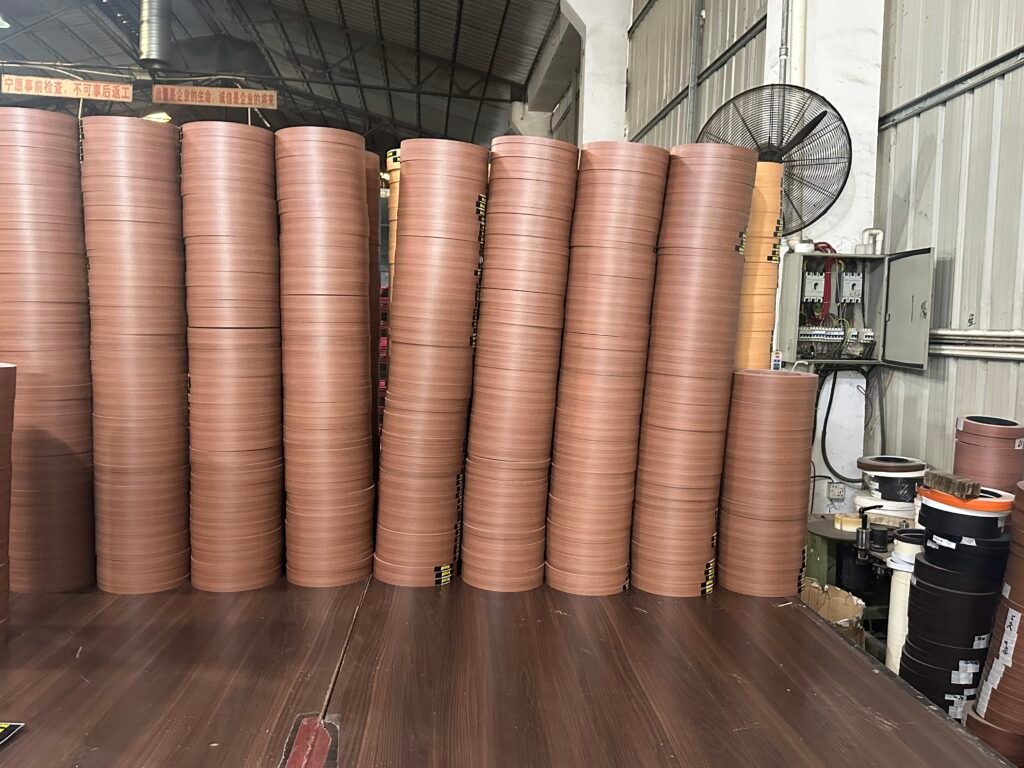
Melamine Edge Banding
Paper-based and scratch resistant, matched directly to melamine board for the tightest colour read at the lowest cost.
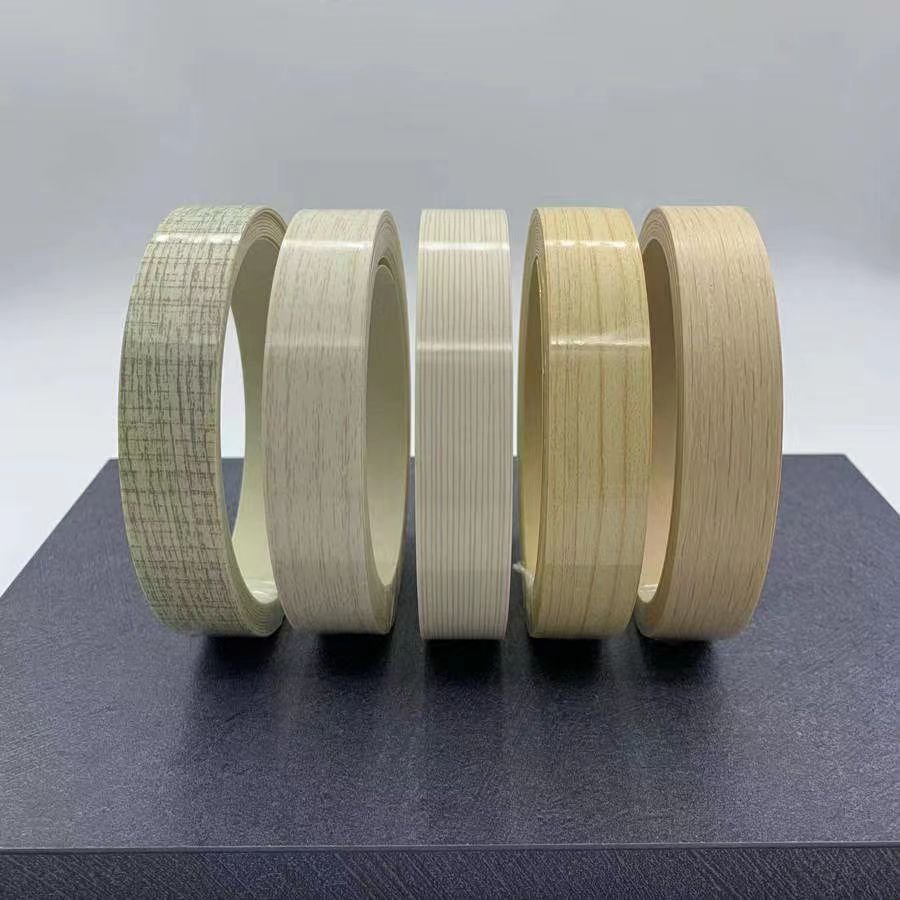
Acrylic Edge Banding
3D translucent depth for premium and high-gloss woodgrain finishes where a flat polymer edge would look thin.
Choose the right material for your application and budget
Glue For Edge Banding
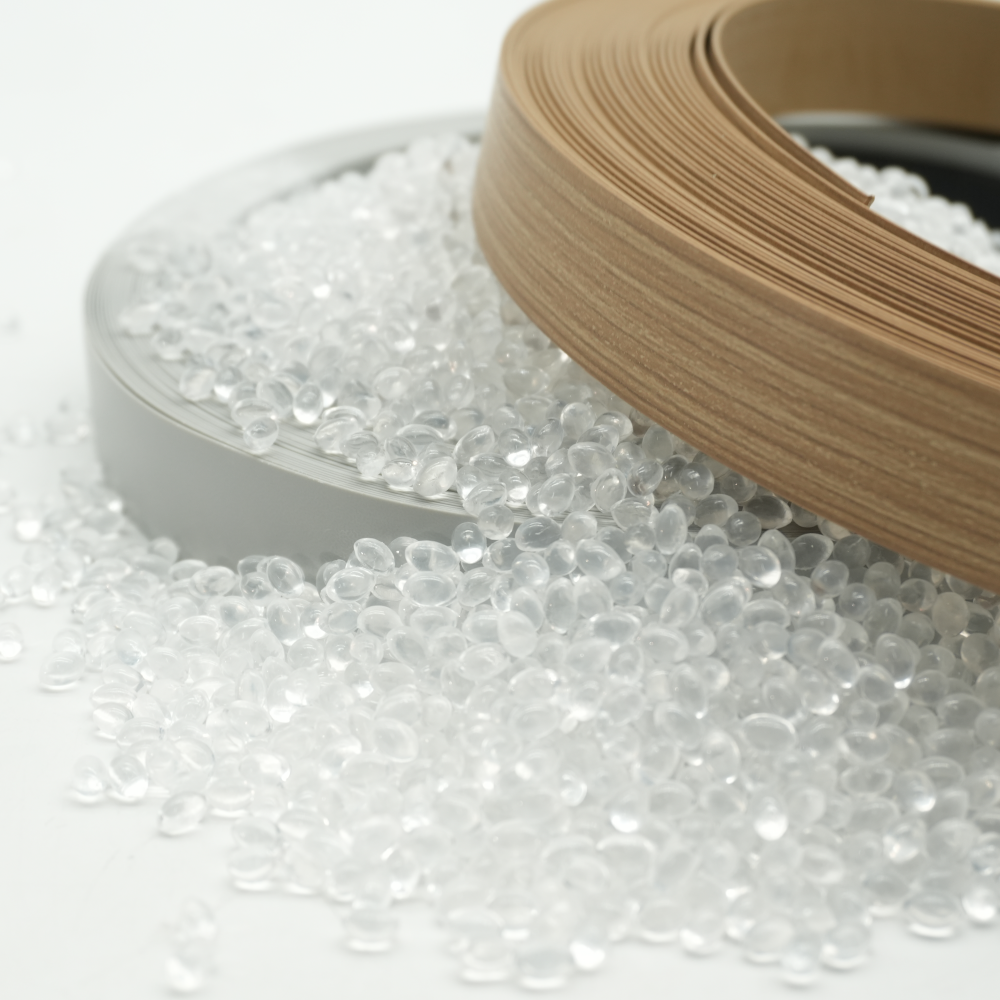
EVA Hot Melt Adhesive
Standard
Optimised Viscosity Profile
Our EVA formulas are tuned to specific application temperatures (typically 180–210 °C), ensuring smooth roller or nozzle coating and consistent glue transfer.
Fast Setting & Short Open Time
High tack development within seconds under pressure roller force allows un‑interrupted feeding on automatic edge banders at speeds up to 25 m/min.
Compatible with All Standard Edge Banding Materials
Bonds excellently to PVC, ABS, melamine‑impregnated paper, and thin acrylic tapes, with or without back‑priming.
Easy Clean‑Up & Scraping
Excess adhesive squeeze‑out can be removed with standard scraping tools; our formula reduces residue build‑up on trimming cutters.
Economical Total Cost
Lower per‑kilogram price than PUR, making it ideal for high‑volume, price‑sensitive projects.
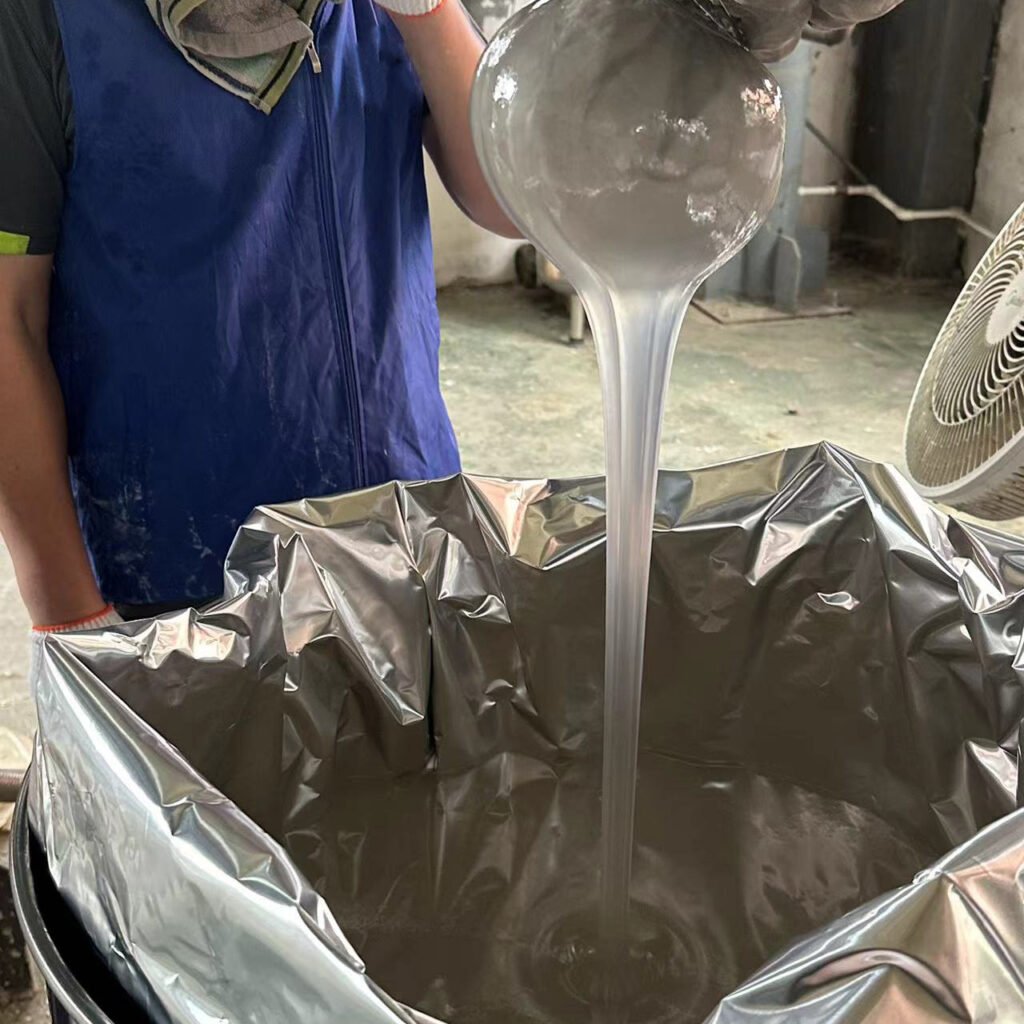
PUR Hot Melt Adhesive
Industrial
Irreversible, Cross‑Linked Bond
Cures into a 3‑D polymer network immune to heat (up to 140 °C) and cold (−30 °C), keeping cabinets intact through boiling‑water tests.
Near‑Zero Glue Line
With a bond thickness of 0.03–0.05 mm, the glue line disappears after flush trimming and radius scraping — perfect for super‑matt, high‑gloss, and woodgrain finishes where any visible line destroys the visual effect.
Waterproof & Chemical‑Resistant
Passes 72‑hour water soak tests and resists kitchen oils, bathroom cleaners, and disinfectants, making it suitable for wet‑area and hospital cabinetry.
No Re‑Melt, No Creep
Once cured, the adhesive will not soften even under direct sun or near ovens, ensuring long‑term dimensional stability.
Compatible with Zero‑Joint Philosophy
While not laser, PUR achieves a “seamless” look when paired with high‑precision edge banding, meeting the expectations of clients who demand invisible edges.
Matching lab
Send a chip. Get a colour that never drifts.
We compound solid colour, woodgrain colour and marble texture against your sample. Upload a photo or ship a chip — the recipe is locked once you sign it off.
Upload a photo or ship a chip
Delta E < 0.5 forever. No shift, no drift.
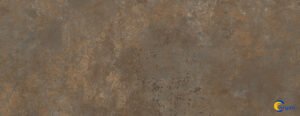


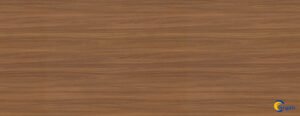


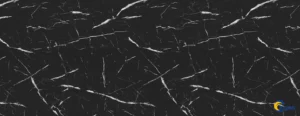



OEM
We develop exclusive woodgrain designs for your furniture brand. Locked recipes, branded labels, and global fulfillment from Shanghai. Minimums start at 5,000 meters for trial orders.
What Buyers Say About LUYAO
We switched our oak and walnut woodgrain edge banding to LUYAO three years ago. The grain direction synchronization is flawless, and the color stays stable across containers.
Marco
LUYAO’s ABS woodgrain edge banding meets our strict VOC and chlorine‑free requirements. They matched our custom grey‑oak in five days — a timeline no European supplier could beat.
Sarah
The pre‑glued melamine woodgrain edge banding arrives perfectly wound, never telescopes. Our manual edge bander operators love it. Fast shipping, always on time.
Jun
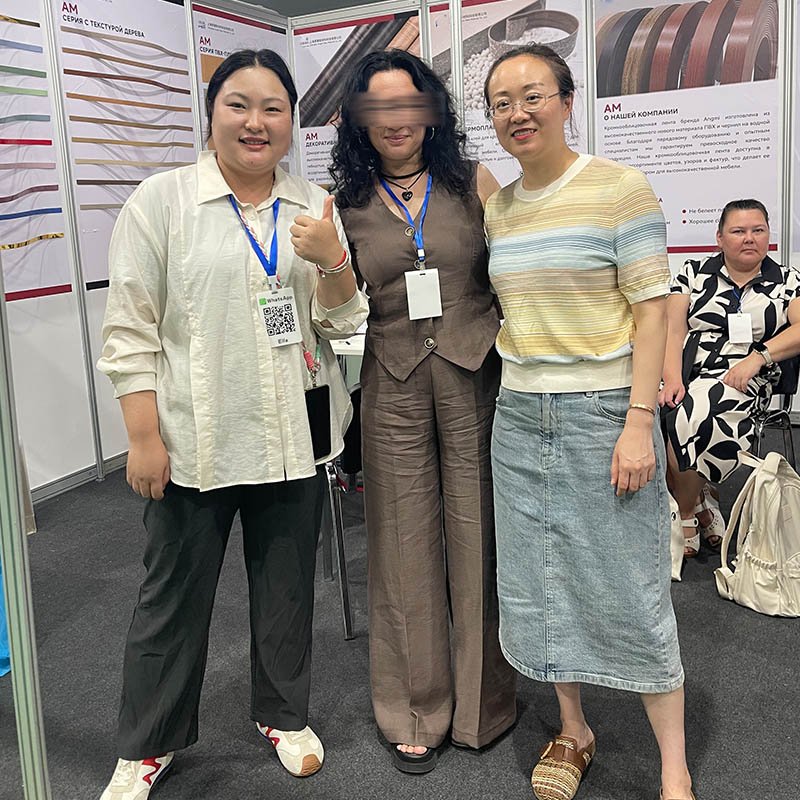
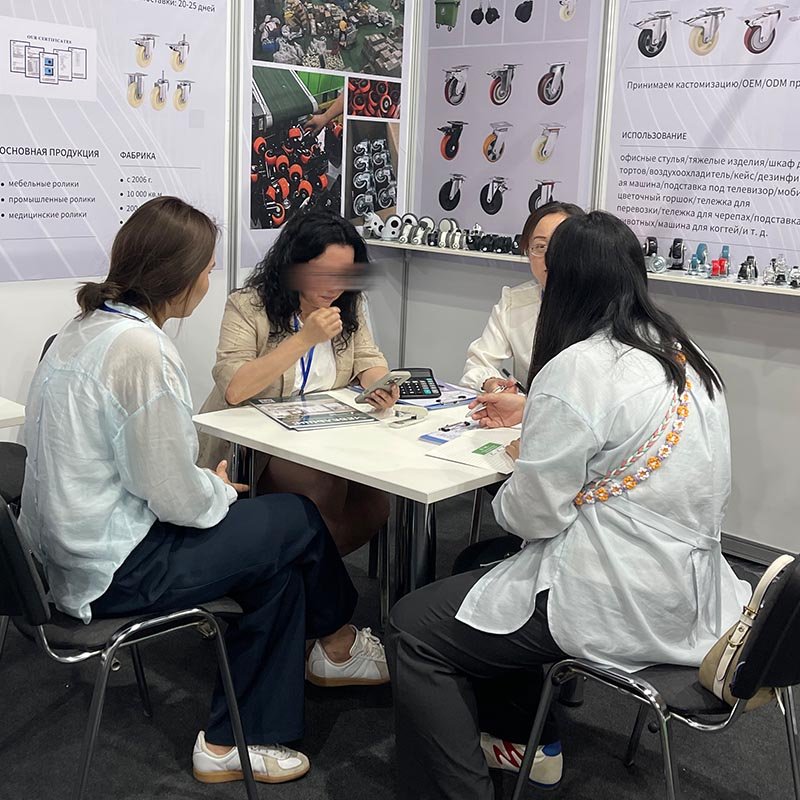
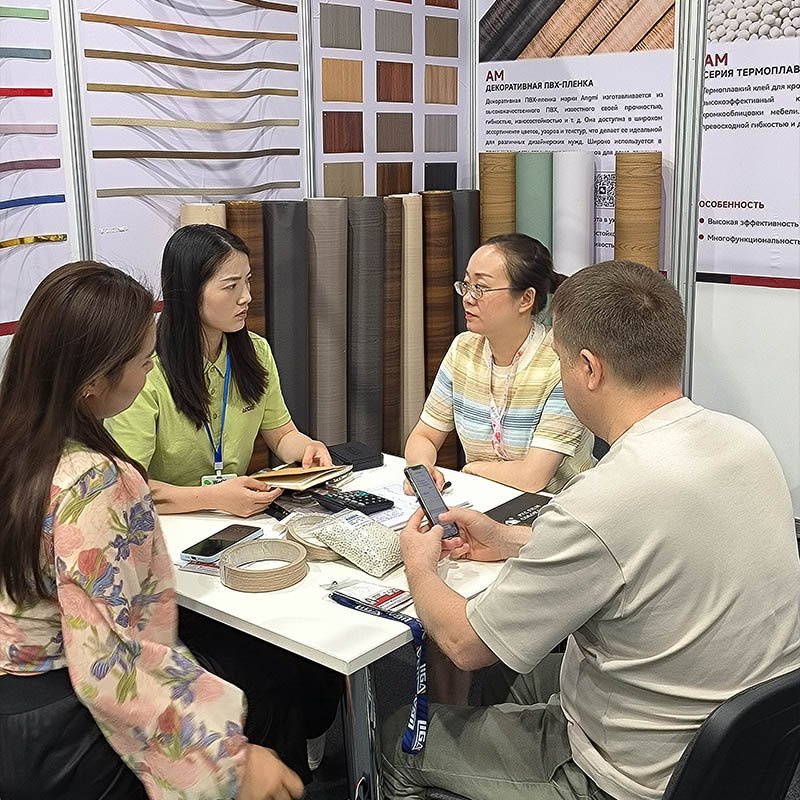
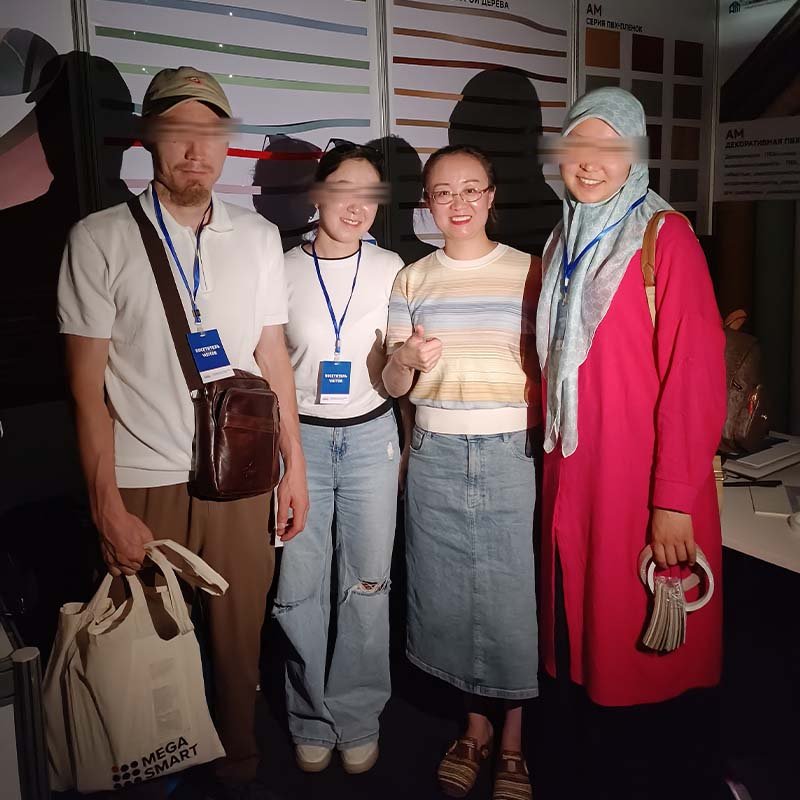
Meet LUYAO at Global Trade Shows
We welcome you to meet our engineering and sales team at the world’s leading furniture manufacturing and materials trade fairs.
Free sample pack
Send a board, get a matched strip
We understand that choosing an edge banding supplier is a decision you make with your production line uptime at stake.