






EVA Hot Melt Glue: The Core Choice for Edge Banding in Furniture Production
In the woodworking and furniture manufacturing sector, edge banding serves as a vital procedure that boosts product sturdiness, visual appeal, and structural reliability. Among all bonding materials applied in this process, eva hot melt glue stands out as the most extensively utilized and cost-efficient option, particularly in large-scale production settings. As a multi-functional thermoplastic adhesive, eva hot melt glue for edge banding delivers exceptional compatibility with diverse edge band materials, straightforward operation, and consistent performance, making it the top pick for manufacturers across the globe. This article delves into the core value, material-specific applications, and practical benefits of EVA hot…

PUR Hot Melt Adhesives: Global Edge Banding Applications and Technological Advancements
In the global woodworking and furniture manufacturing industry, edge banding is a critical process that determines product durability, aesthetics, and market competitiveness. As the core material of edge banding, hot melt adhesives have undergone continuous technological iteration, withEVA hot melt adhesive and PUR hot melt adhesive becoming the two dominant solutions. For manufacturers targeting the global market, understanding the application characteristics, regional compliance requirements, and production technology of these two adhesives is key to seizing market opportunities. This article explores the application scenarios, technical differences, compliance standards, and future trends of EVA and PUR hot melt adhesives in edge banding,…

EVA & PUR Hot Melt Adhesives for Edge Banding
As a global manufacturer, what support do you provide for B2B customers using your edge banding adhesives? We offer integrated B2B support covering production, compliance, and application: As a global manufacturer of EVA and PUR hot melt adhesives, we often receive questions from customers in the woodworking, furniture, and cabinet industries about product selection, application, performance, production processes, and regional compliance. Below are the most frequently asked questions, with detailed answers to help you make informed decisions for edge banding projects and meet global market requirements. 1. What is the core difference between EVA hot melt adhesive and PUR hot…

Edge Banding Hot Melt Adhesive
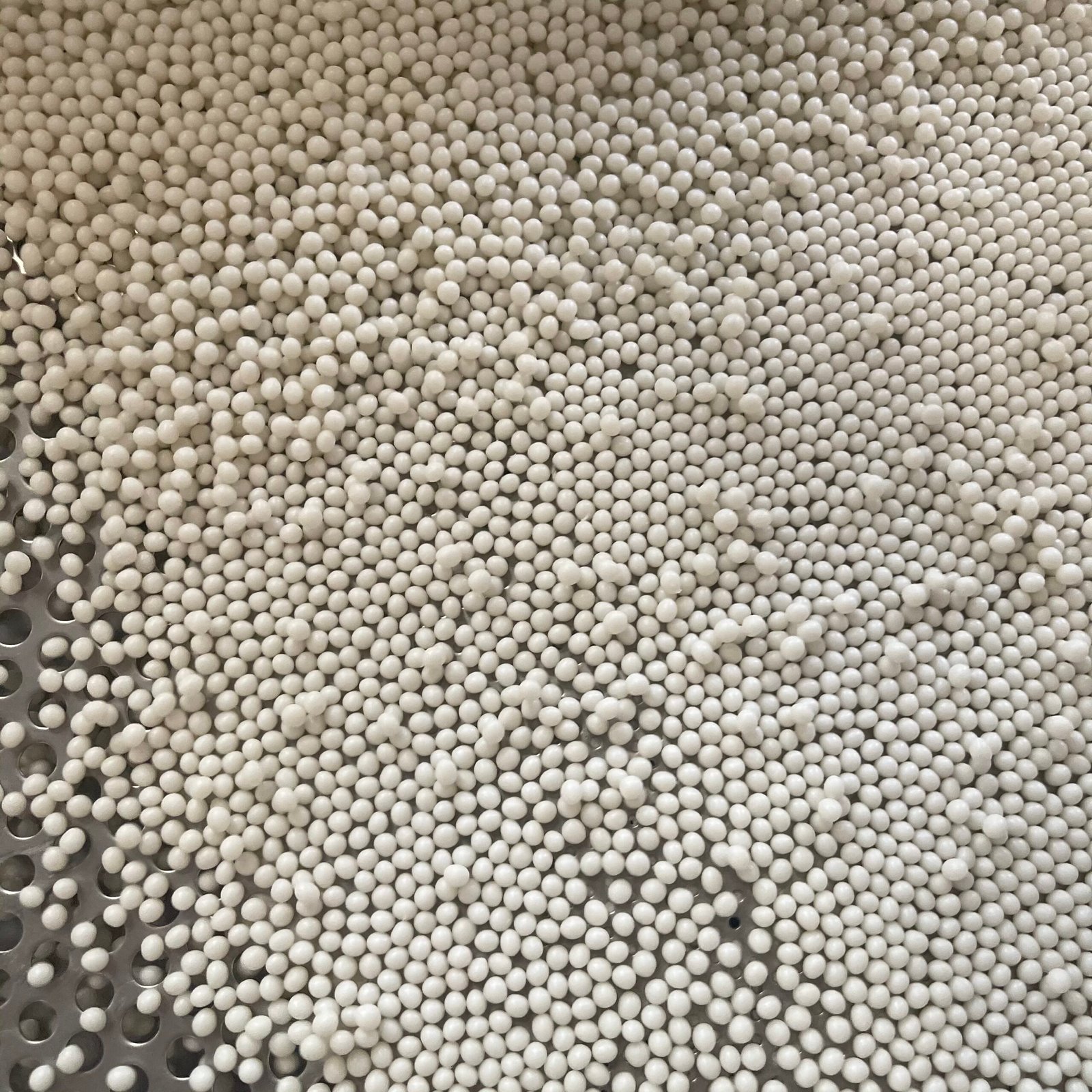
What Is Edge Banding Hot Melt Adhesive? Edge banding hot melt adhesive is a solid thermoplastic adhesive that melts when heated (typically 120°C–210°C) and forms a strong bond as it cools and solidifies. It’s designed specifically for bonding edge banding materials (PVC, ABS, veneer, melamine, fireproof board) to substrate panels (particleboard, MDF, plywood) in furniture manufacturing. Unlike solvent-based or water-based adhesives, hot melt variants offer instant curing, making them ideal for high-speed automatic edge banding machines— a staple in modern furniture factories. Luyao’s edge banding hot melt adhesive are formulated to address the core challenges of furniture production: consistent bonding,…
EVA Hot Melt Adhesive: Comprehensive Guide by Luyao Industry
EVA Hot Melt Adhesive: The Versatile Bonding Solution for Modern Industries From the moment you unbox a new gadget to the furniture that adorns your home, hot melt adhesives play an invisible yet pivotal role in holding our daily lives together. Among these, Ethylene-Vinyl Acetate (EVA) hot melt adhesive stands out as a cornerstone of modern bonding, thanks to its exceptional flexibility, durability, and adaptability. As a leading manufacturer, Shanghai Luyao Industry Co., Ltd specializes in crafting high-performance EVA hot melt adhesives tailored to diverse industrial demands—from packaging and woodworking to automotive and electronics. In this comprehensive guide, we’ll delve…
PVC edge banding tape manufacturing
PVC edge banding tape manufacturing is a precision-driven process that combines high-quality polyvinyl chloride (PVC) resins with advanced extrusion and surface treatment technologies to produce durable, versatile edge protection solutions. Starting with raw material selection—including food-grade PVC resins, UV stabilizers, and impact-resistant additives—the manufacturing line undergoes strict quality control to ensure compliance with international standards (e.g., REACH, RoHS). The PVC compound is melted and extruded into thin, uniform strips, then subjected to surface finishing such as embossing (wood grain, matte, glossy), printing, or lamination to match diverse substrate aesthetics (MDF, particleboard, plywood). Post-extrusion processes like trimming, cutting, and quality inspection…

PVC Film Application and Technology Guide
As a versatile polymer material, PVC film plays a vital role in sectors such as construction, packaging, automotive, and medical industries. We will delve into the classification, performance advantages, production workflows, and future development directions of PVC film, 1. Fundamentals of PVC Film 1.1 What is PVC Film? PVC film is a thin membrane material made from polyvinyl chloride resin and other modifiers through specialized processes. Typically, it has a thickness ranging from 0.08 to 0.2 mm; materials thicker than 0.25 mm are classified as sheets. Boasting excellent physical properties, chemical stability, and processability, PVC film is among the most…

PVC Decor Film Buyer’s Guide 2025: Everything You Need to Choose the Best
If you’re a furniture manufacturer, interior designer, or construction buyer on the hunt for a cost-effective, versatile surface finishing solution, PVC decor film is probably already on your radar. But with so many options out there—varying in quality, color matching, and how well they work with different processes—picking the right one can feel a bit tricky. That’s where this buyer’s guide comes in! We’re breaking down all the essentials: what PVC decor film is, its key perks, where it works best, how to choose the perfect one for your project, and answers to common questions. By the end, you’ll have…

Category
Luyao Products List



Get product price?
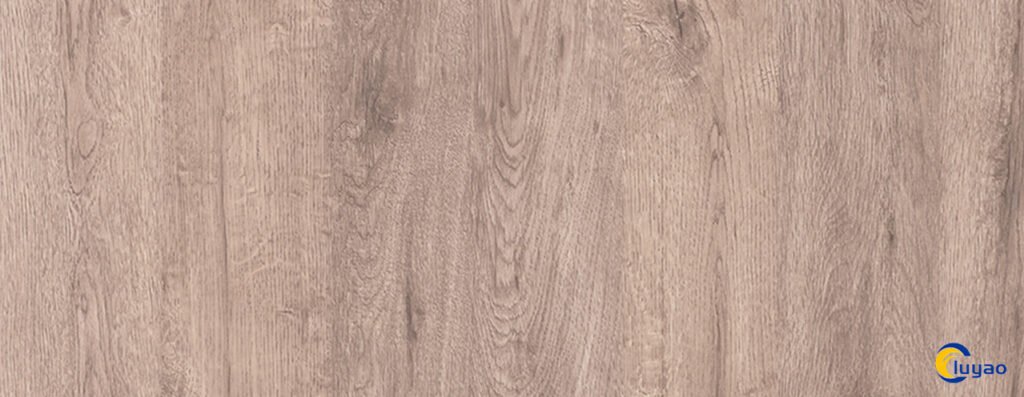
We have over 1000 references to match most melamine boards on the market.
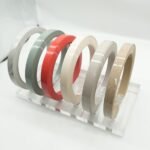
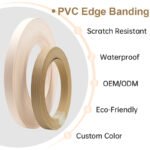
The properties of PVC make it an ideal raw material for edge banding. It is also commonly used in a variety of furniture-related applications.