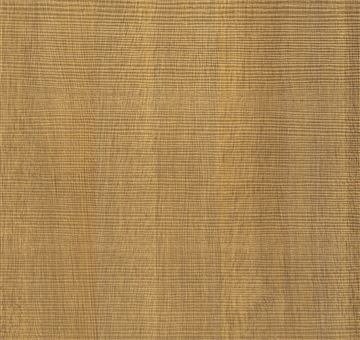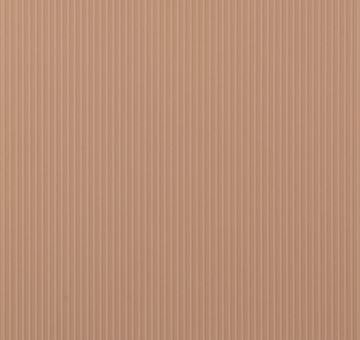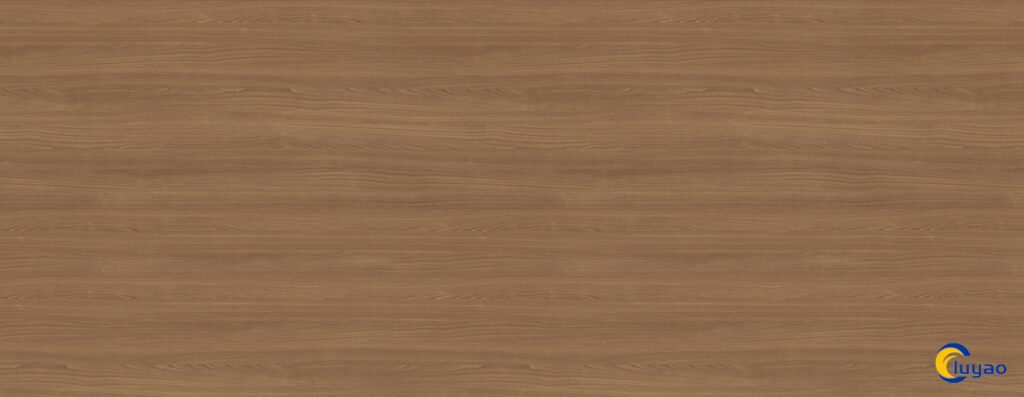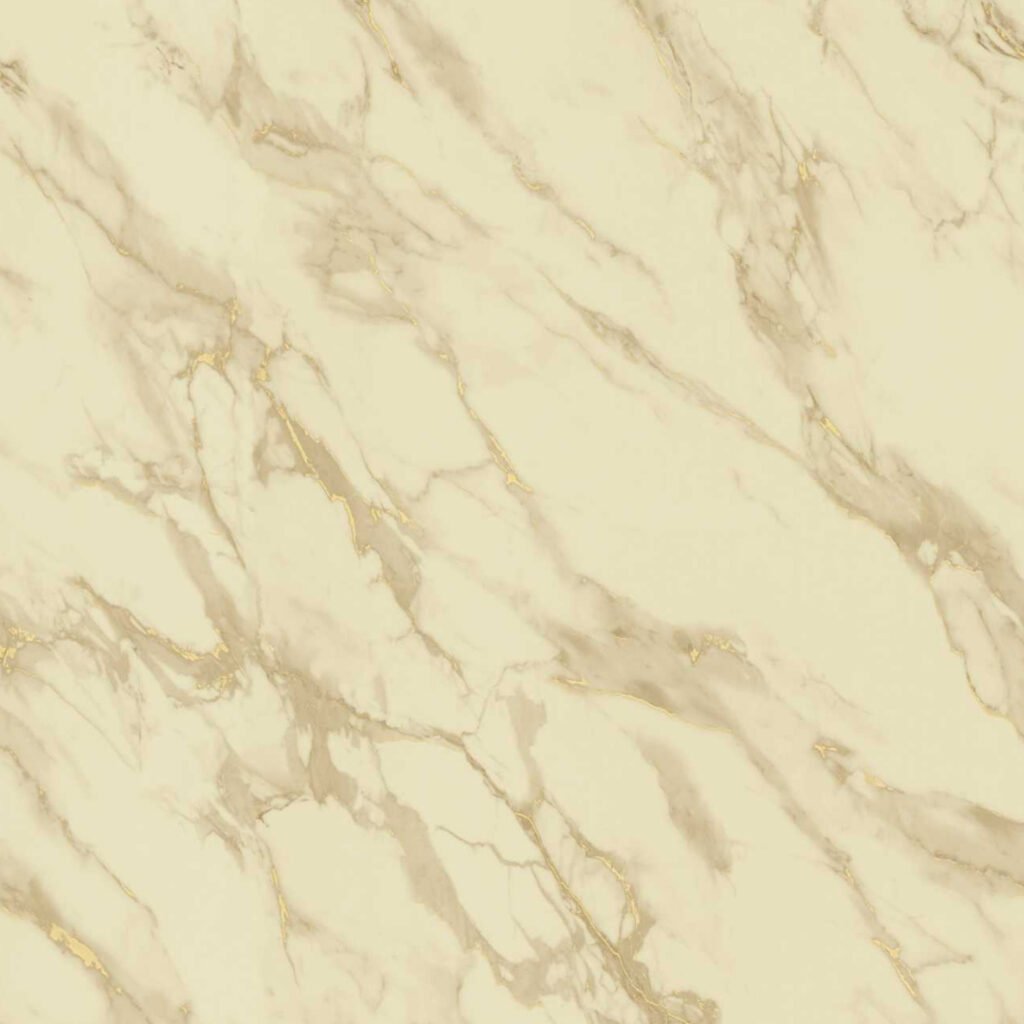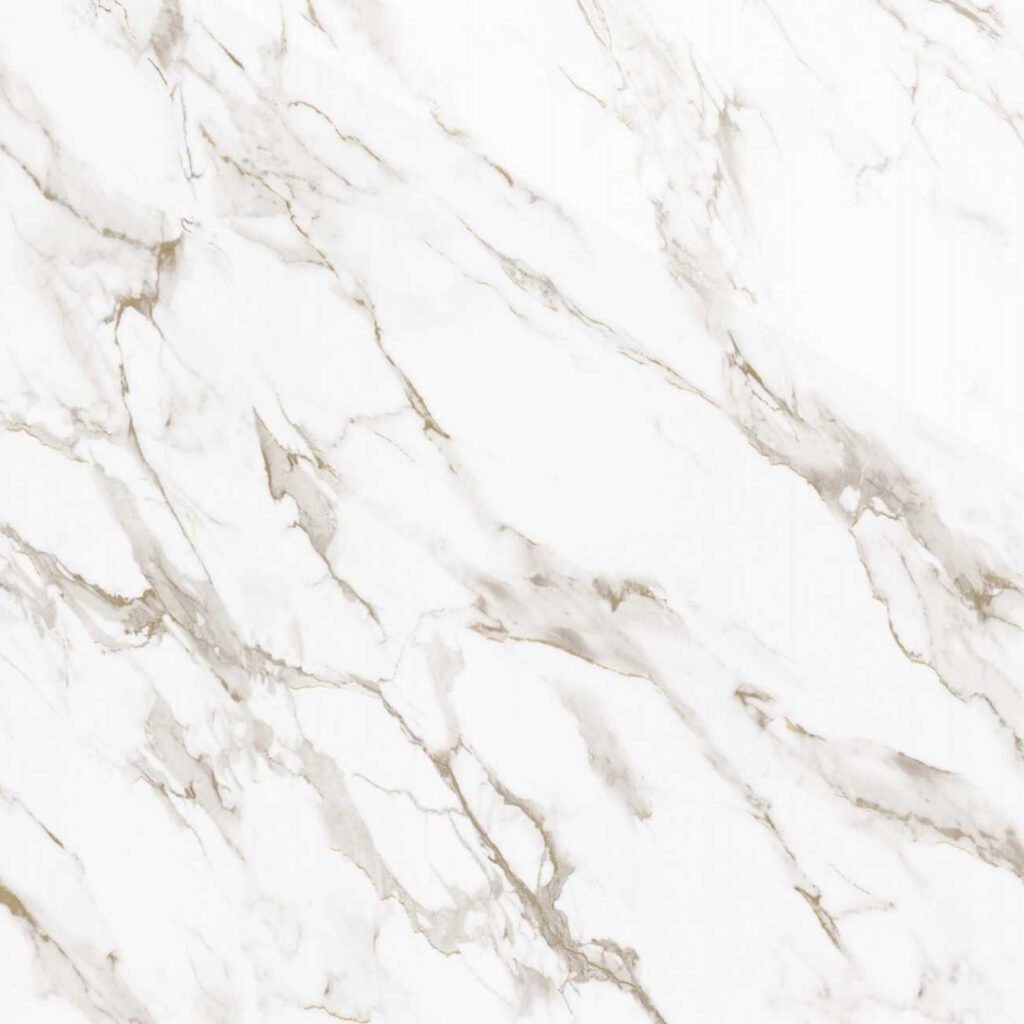


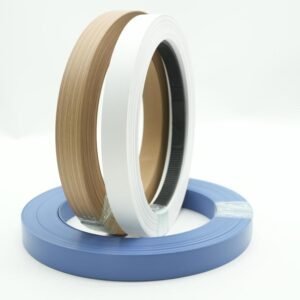
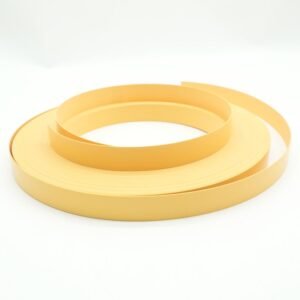

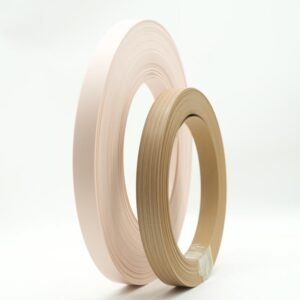
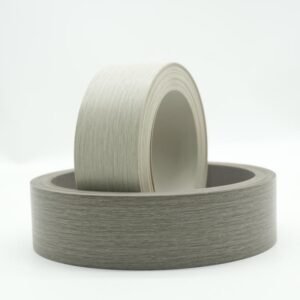
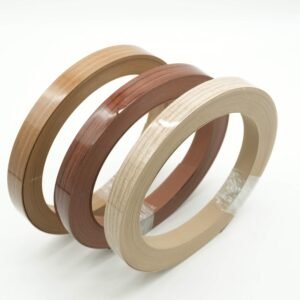

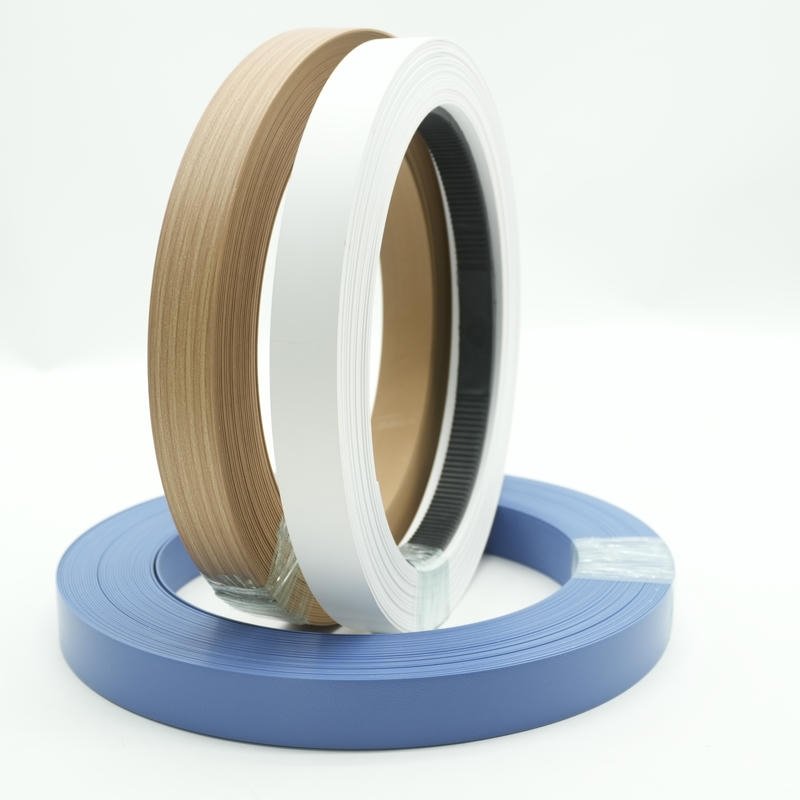
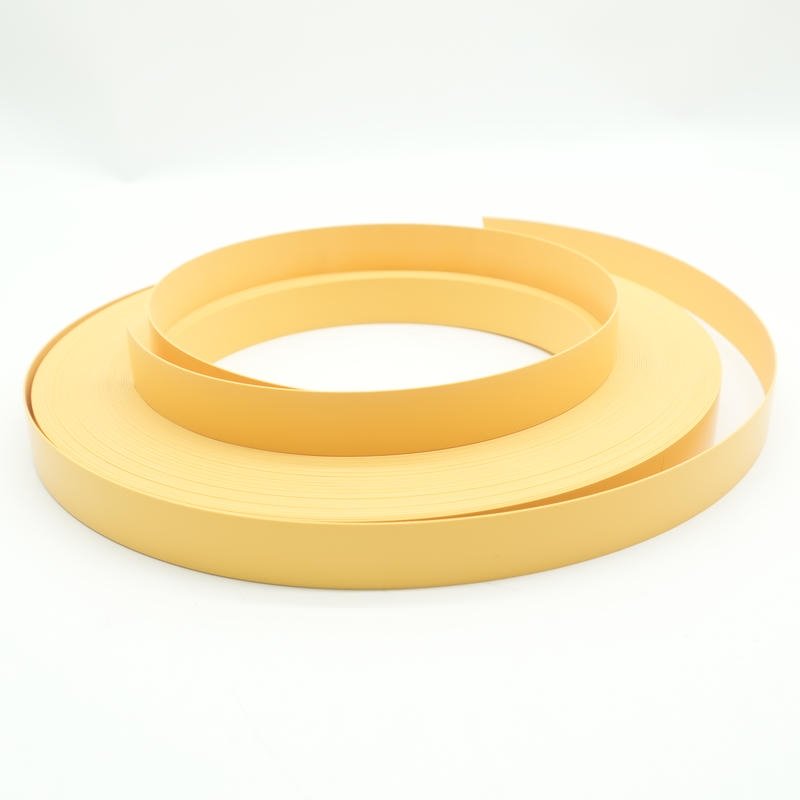
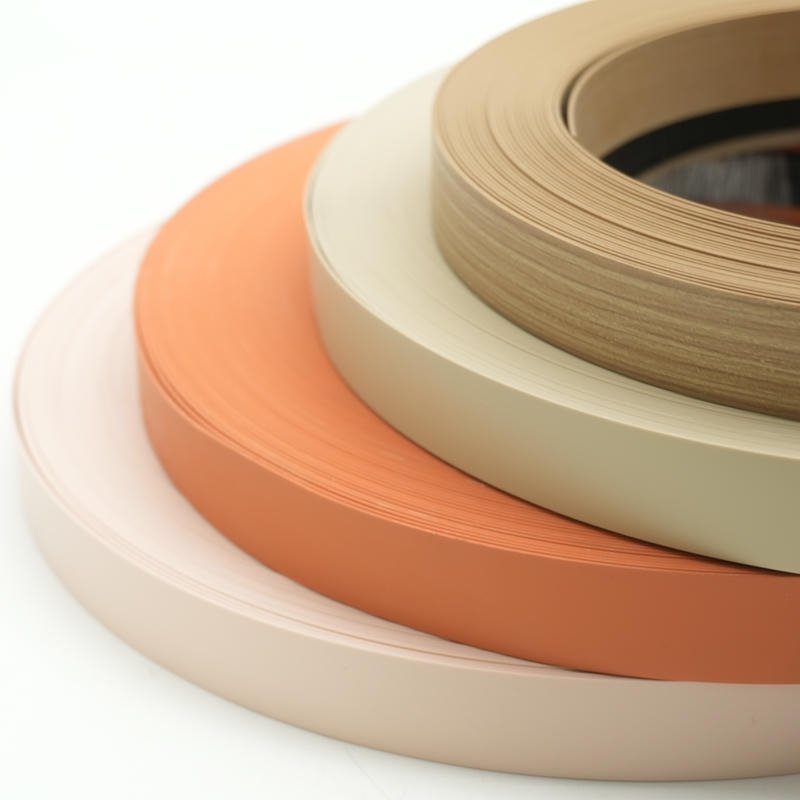
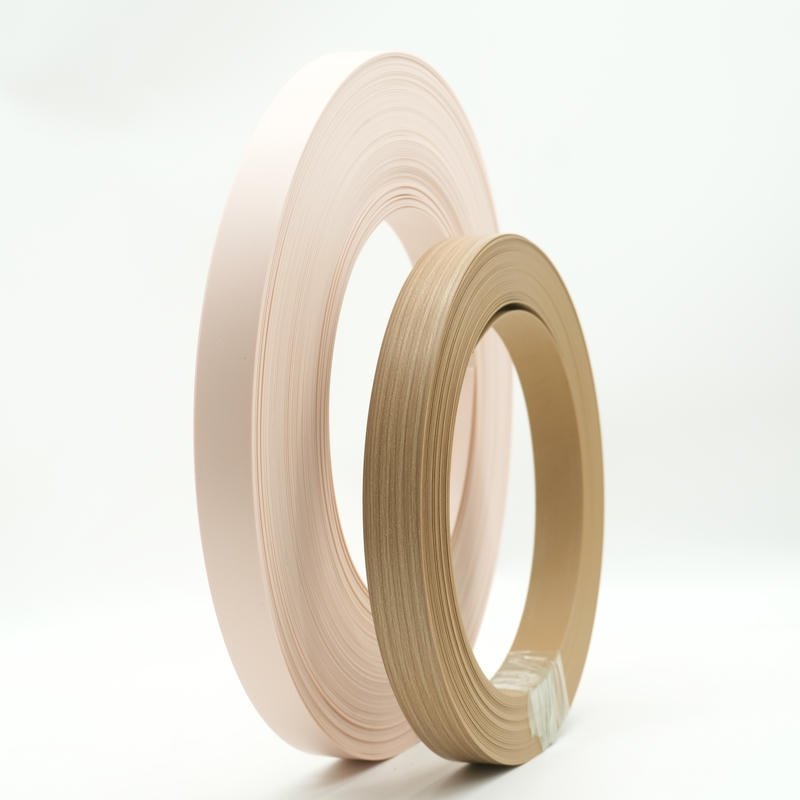
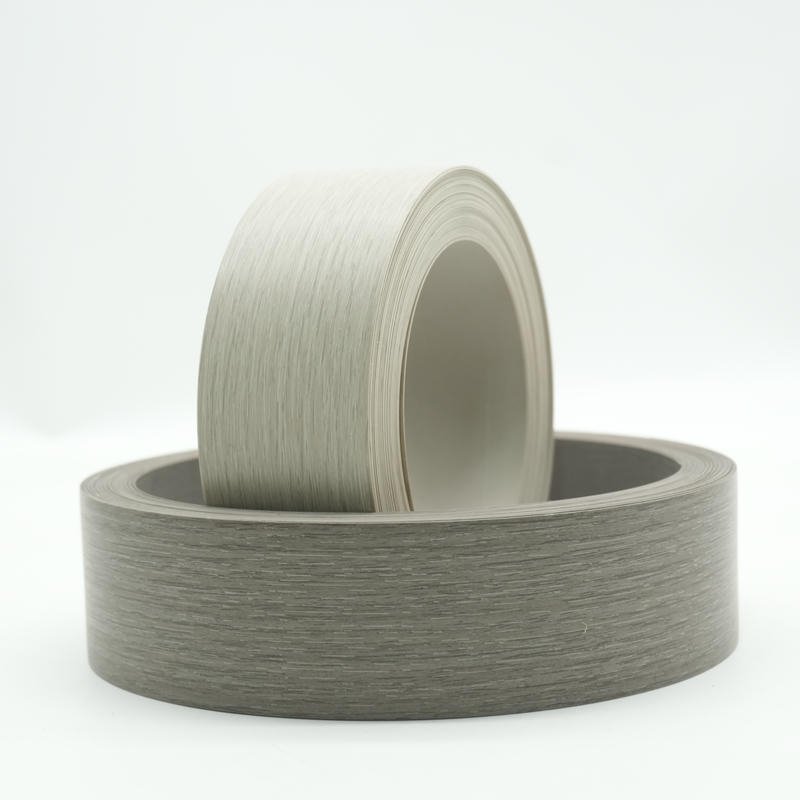
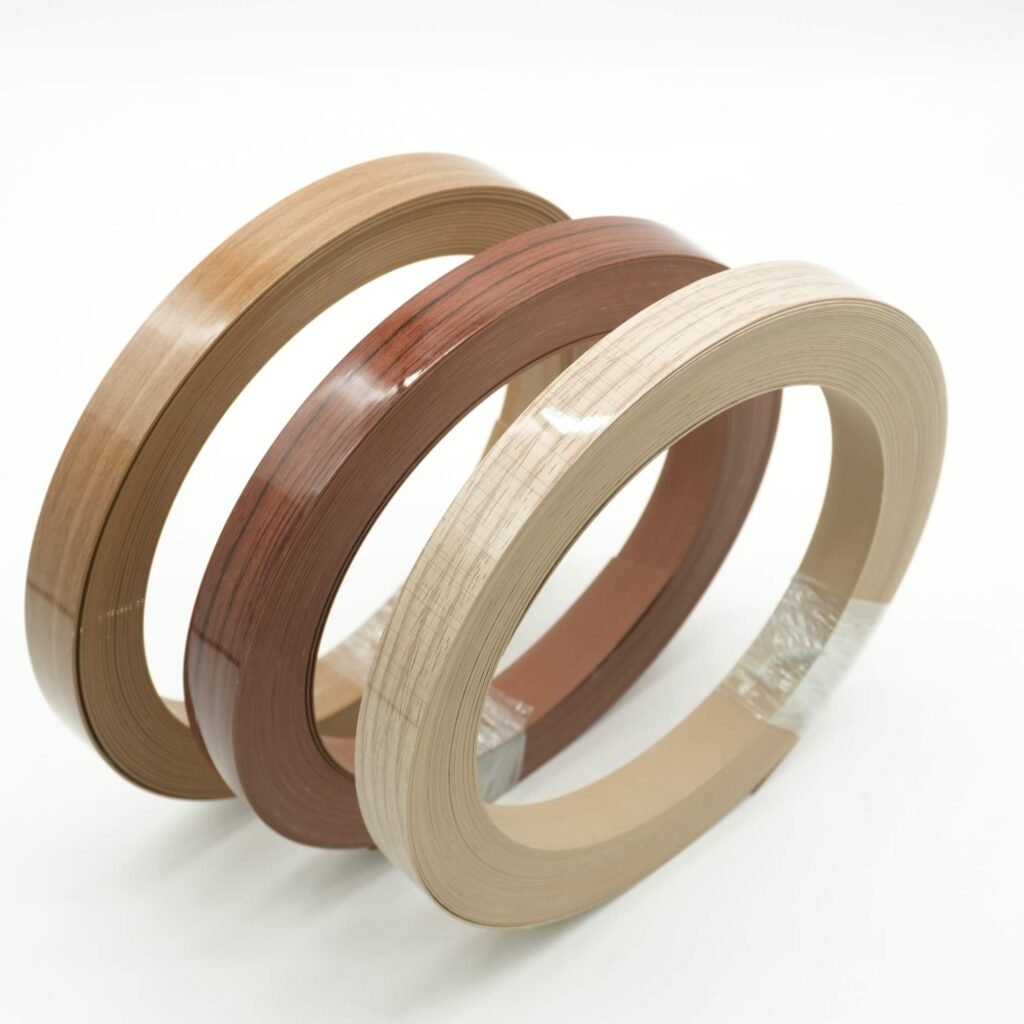
Cleaf traccia edge banding ub52
Our Cleaf Traccia edge banding UB52 can be supplied in different thicknesses and widths according to the application. Standard production covers thicknesses from 0.4 mm to 3 mm and widths from 9 mm to 120 mm, with custom dimensions available for specific panel requirements.
Note: All our samples are shipped the same day. The samples are free, but the express shipping charges are the buyer’s responsibility. Once the order is confirmed, these charges can be reimbursed from the order total.
Payment & Security

Cleaf traccia edge banding ub52
A furniture panel does not stop looking finished when the decorative surface is printed.
Once the panel is cut, its core becomes visible along the perimeter. This exposed section can change the appearance of the entire component, particularly on dark, textured or highly decorative surfaces.
This is where edge banding UB52 becomes part of the visual design rather than simply a protective strip.
When the edging is properly matched with the panel, the front surface and side edge appear much more coordinated. This is especially important for cabinet doors, wardrobe panels, shelves and furniture components where the edge remains visible after assembly.
For manufacturers working with Cleaf Traccia-inspired decorative surfaces, edge banding ub52 provides a practical way to create a consistent edge treatment across different furniture components.
Why the Edge Matters in Furniture Production
An unfinished panel edge creates several problems at the same time.
The board core is exposed. The surface looks incomplete. Dust and moisture can reach the panel structure more easily, while repeated contact with the edge can cause wear over time.
A properly applied edge band helps address these issues while improving the appearance of the finished component.
The result is not simply a covered edge. It is a more complete furniture panel.
For commercial furniture manufacturers, this becomes particularly important because the same edge treatment may need to be repeated across hundreds or thousands of panels. Small inconsistencies that seem insignificant on one cabinet can become very noticeable across a complete production batch.
That is why we treat edge banding UB52 as a production component rather than an afterthought.
Designed Around Real Edge-Banding Operations
Different furniture factories have different production setups.
Some process large cabinet panels continuously on automatic edge banders. Others work with smaller batches, customized furniture or components with different dimensions. The edge band therefore needs to work with the actual manufacturing process rather than only look good on a sample.
edge banding ub52 can be produced for common furniture-processing requirements, including:
- Straight panel edging
- Cabinet doors
- Wardrobe components
- Shelves and side panels
- Drawer fronts
- Office furniture
- Retail fixtures
- Tables and work surfaces
- Custom furniture components
The appropriate thickness depends on the panel construction, edge profile and required visual effect. Thinner edging can be useful for applications where a subtle edge is preferred, while thicker edging can provide a more substantial finished profile.
From Decorative Panel to Finished Furniture
One useful way to evaluate edge banding is to look at the entire production chain.
A decorative panel may arrive at the factory with a carefully designed surface. After cutting, however, every panel has newly exposed edges.
The production sequence then becomes:
Panel Cutting → Edge Preparation → Edge Banding → Trimming → Scraping → Buffing → Final Inspection
At the edge-banding stage, the material must feed consistently and bond securely with the panel. After application, trimming needs to leave a controlled edge without excessive material removal.
This is why material consistency matters.
A good-looking roll of edge banding is not enough if its dimensions fluctuate during production. For furniture manufacturers, stable processing can be just as important as appearance.
Matching UB52 with Different Panel Components
Furniture rarely consists of a single board.
A wardrobe, for example, may contain side panels, shelves, doors, drawers and internal partitions. These components may have different dimensions but still need to share the same decorative language.
Using the same Cleaf Traccia edge banding UB52 across the relevant components helps maintain visual continuity.
This is particularly useful when:
- Multiple panels are visible from the front
- Cabinet doors meet exposed shelves
- Open shelving reveals side edges
- Drawer fronts sit next to cabinet panels
- Furniture modules are assembled together
- The same decorative finish is used throughout a project
Instead of selecting a different edging for each component, manufacturers can establish a consistent UB52 edge treatment across the product range.
Choosing the Right Thickness and Width
There is no single edge band size suitable for every furniture application.
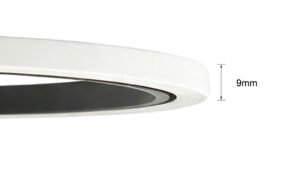
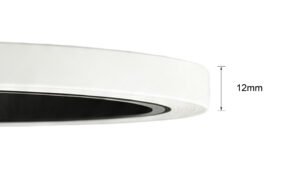
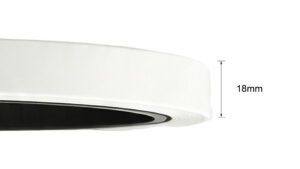
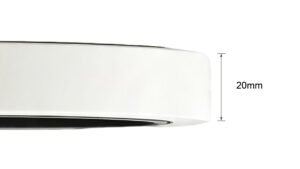
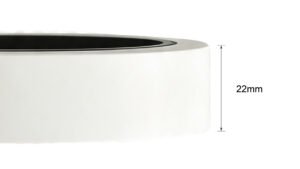
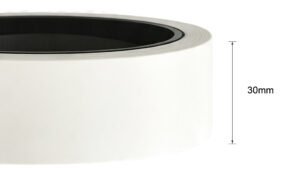
Our edge banding can be manufactured from 0.4 mm to 3 mm thick, with widths from 9 mm to 120 mm.
The selection should consider the panel thickness, machining method and final edge profile.
Thin Edge Banding
Thin edging is often selected when the manufacturer wants a discreet edge appearance and efficient material usage.
Medium Thickness
Medium-thickness edge banding offers a balance between visual presence, processing requirements and everyday furniture use.
2–3 mm Edge Banding
Thicker edging is commonly considered when the furniture component needs a more substantial edge treatment or additional material for trimming and profiling.
For special panel constructions, we can also discuss customized dimensions rather than forcing the project into a standard specification.
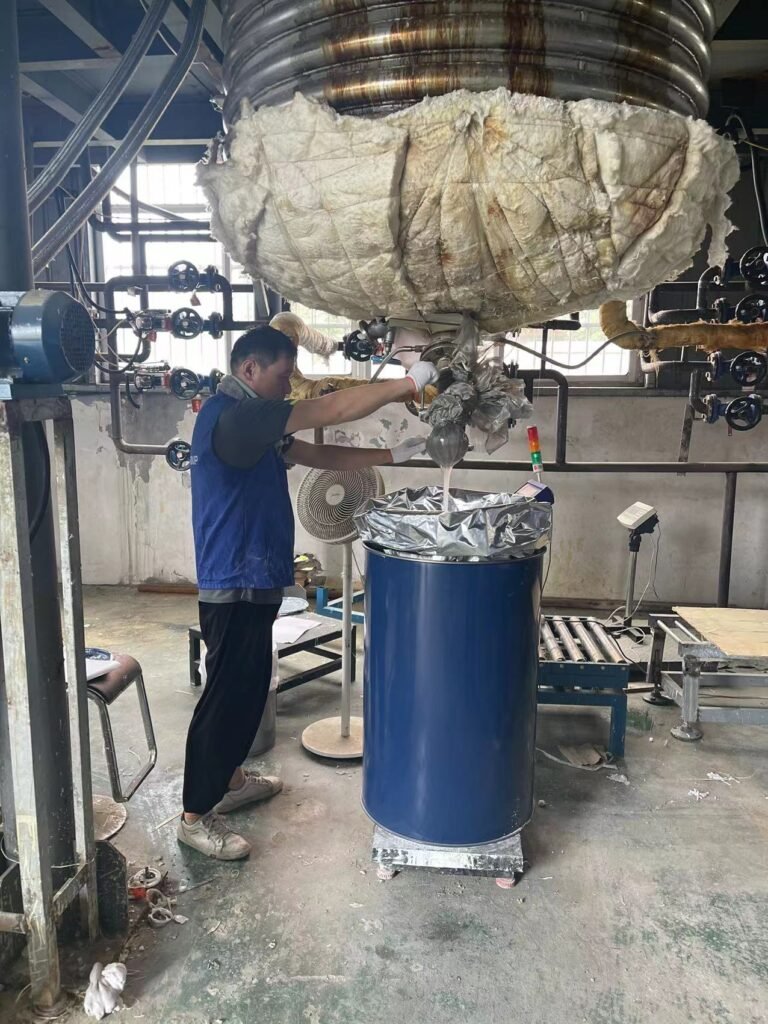
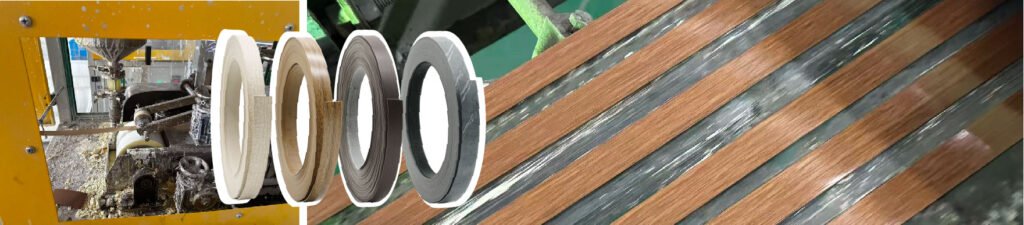
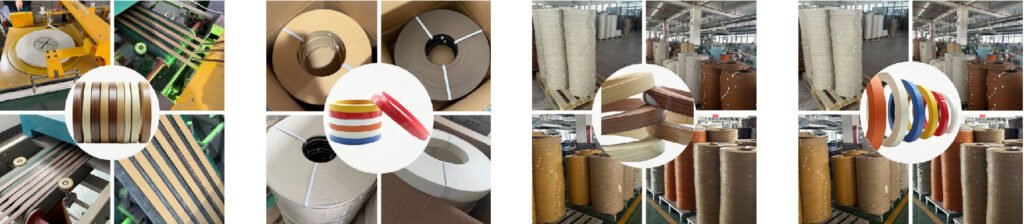
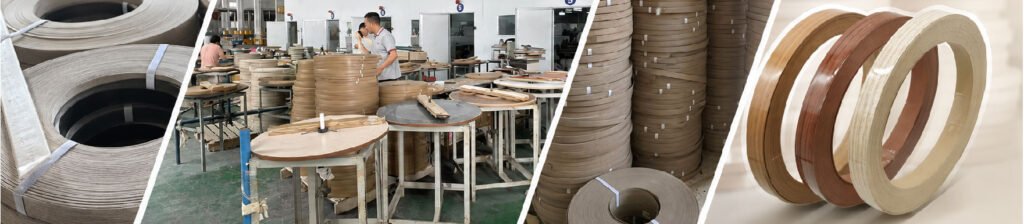
What Happens During Production?
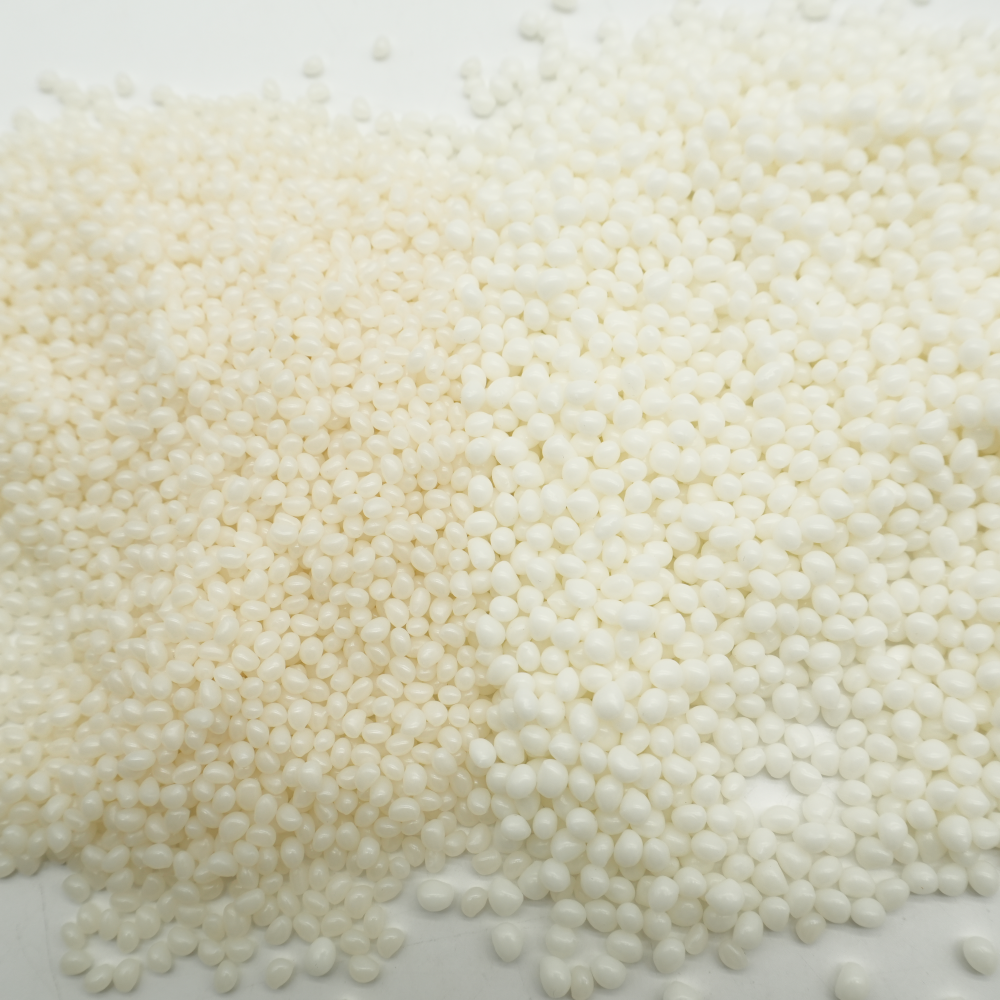
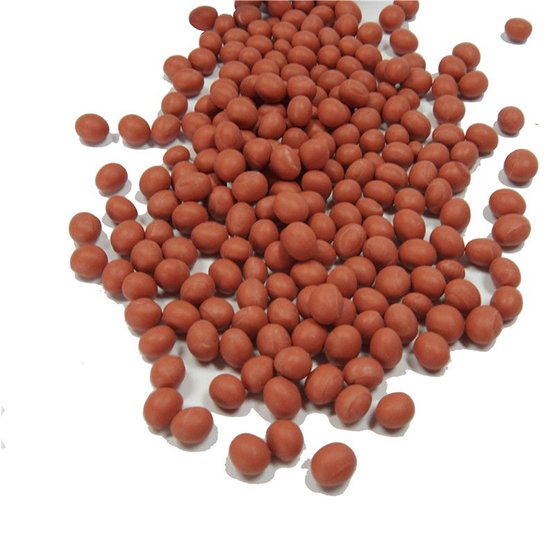
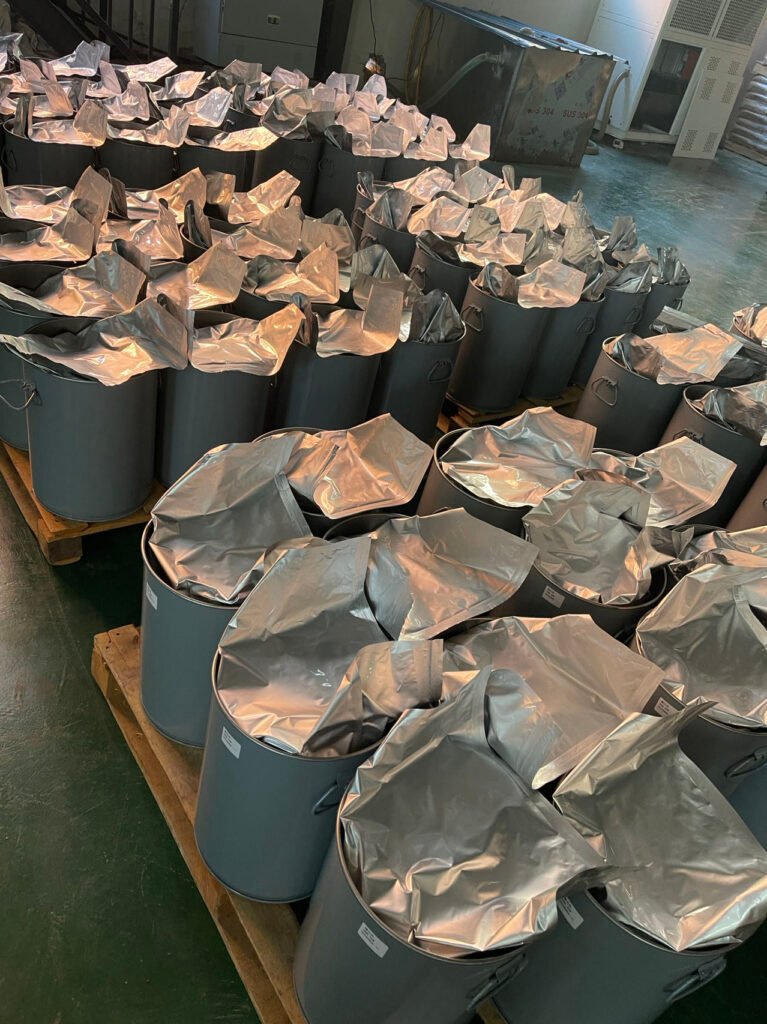
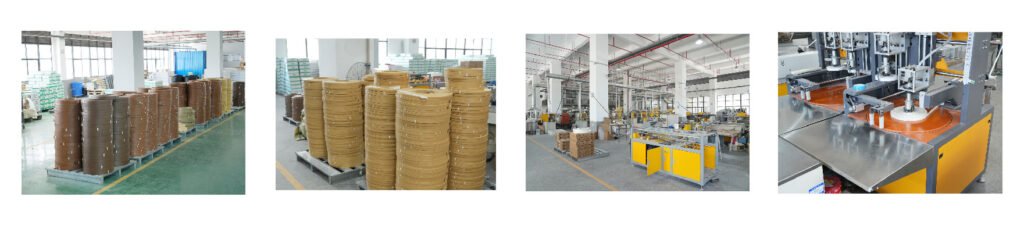
Every roll of edge banding UB52 starts with controlled material preparation.
1. Material Preparation
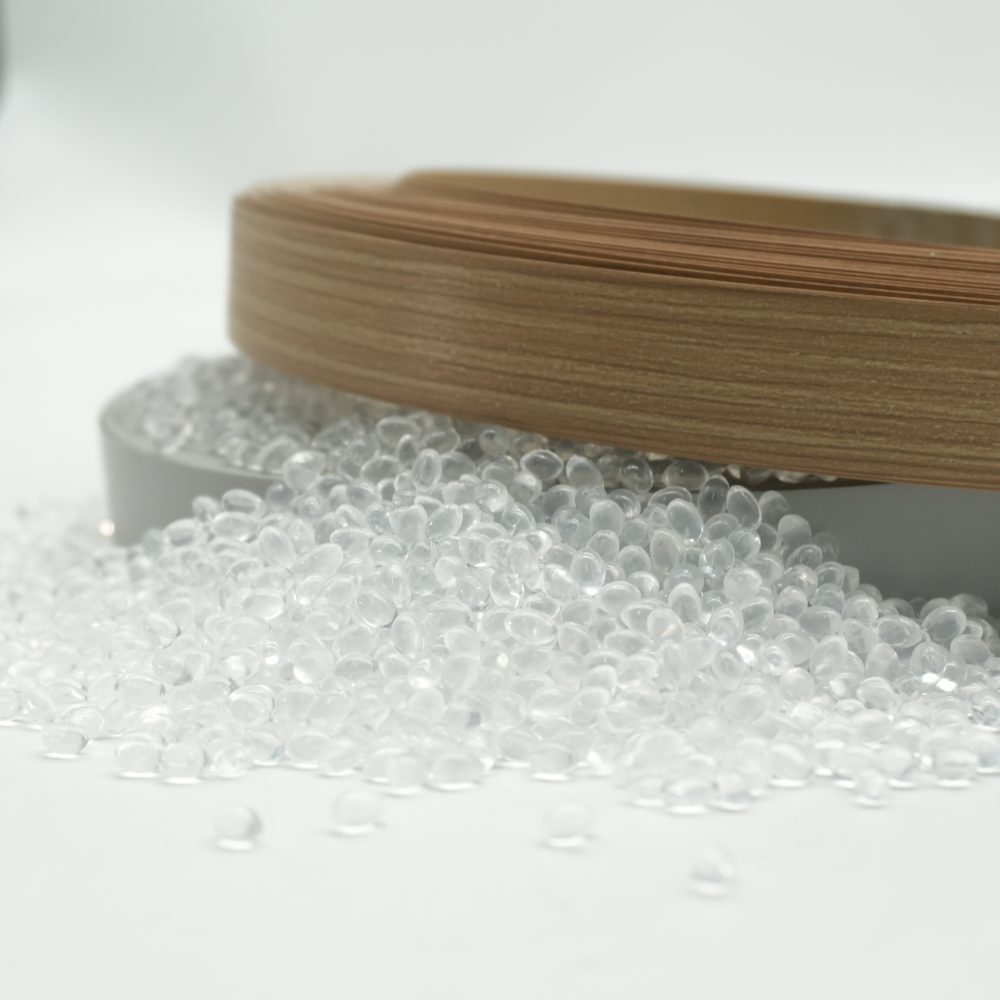
The selected PVC raw materials and color components are prepared according to the production requirement.
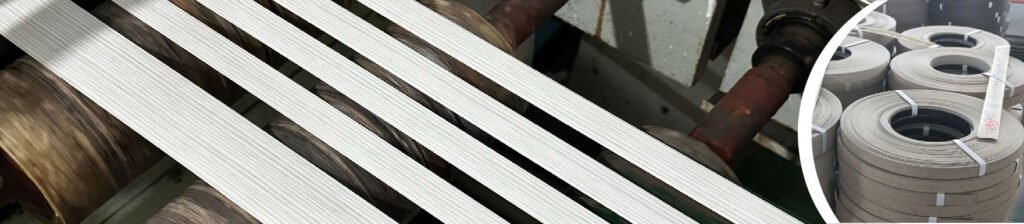
2. Extrusion
The material is processed through extrusion equipment to form the required edge band profile and thickness.
3. Surface Processing
The surface is processed to achieve the required visual characteristics, including color and decorative appearance.
4. Inspection
Dimensions, appearance and production consistency are checked before the material proceeds to packaging.
5. Winding
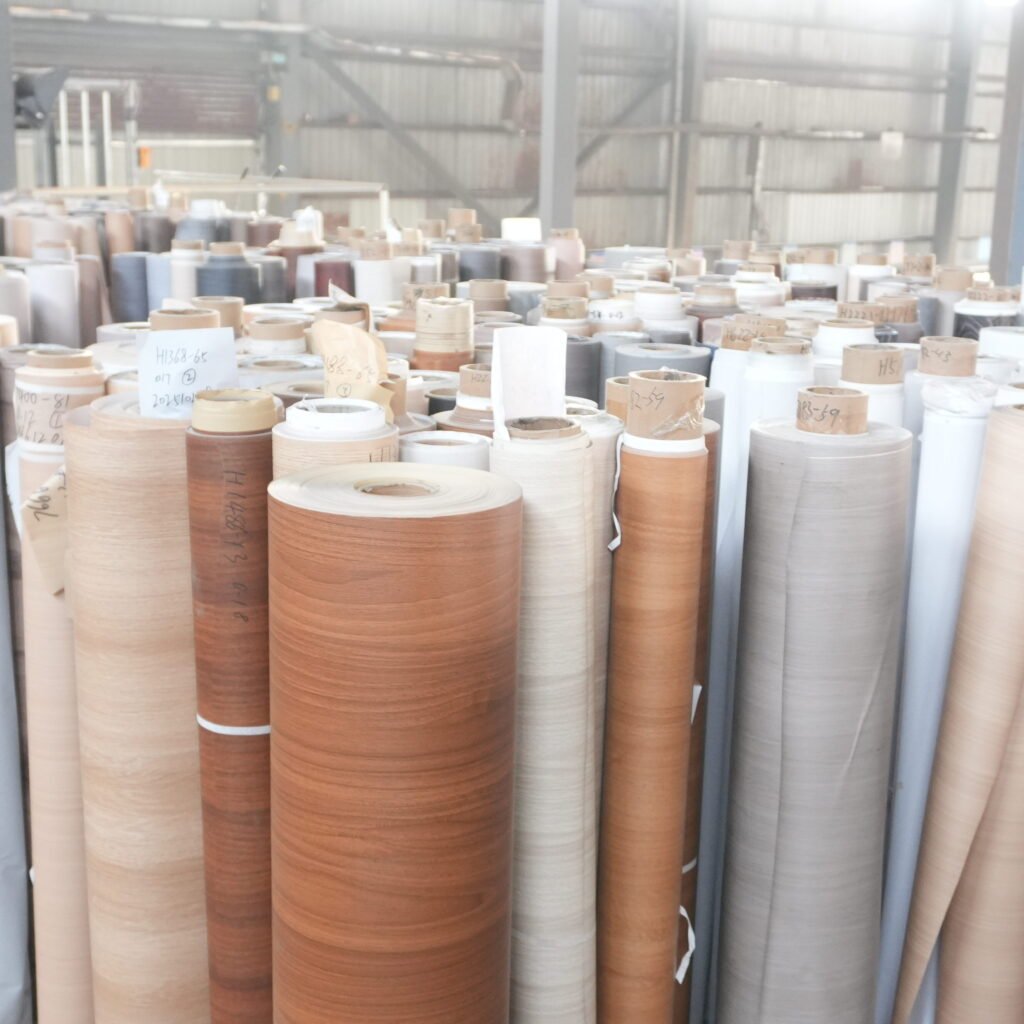
The finished edging is wound into rolls suitable for storage, transportation and machine feeding.
6. Packaging
Each order is packed according to the customer’s requirements before shipment.
This process allows us to maintain better control over production instead of relying entirely on third-party finished materials.
Processing Is Part of Product Quality
For an edge banding manufacturer, product quality cannot be judged only by looking at a finished roll.
The real test begins when the material enters the factory’s production line.
During application, manufacturers need predictable feeding, stable dimensions and a surface that can withstand normal trimming and finishing operations.
After trimming, the edge should form a clean transition with the panel.
That is why our quality checks focus on practical manufacturing requirements rather than appearance alone.
For bulk customers, maintaining consistency between production batches is especially important. A furniture factory may use the same decorative edge on a large number of components, so uncontrolled variation can create unnecessary rework.
Where Edge Banding UB52 Fits Best
edge banding ub52 is suitable for a wide range of panel-based furniture products.
Kitchen Furniture
Cabinet doors, drawer fronts, side panels and shelves can use coordinated edge treatment to create a more complete appearance.
Wardrobes
The edging can be applied to doors, shelves, partitions and other visible panel components.
Office Furniture
Desks, storage cabinets, shelves and workstations benefit from clean and consistent exposed edges.
Retail Fixtures
Display furniture often has multiple exposed panel edges, making coordinated edging particularly important.
Residential Furniture
TV cabinets, storage units, bookshelves, sideboards and customized furniture can all use PVC edge banding according to their construction.
Factory Supply for Wholesale and Furniture Manufacturers
For a small furniture workshop, purchasing a few rolls may be enough.
For an importer or furniture manufacturer, the situation is different.
They need predictable supply, repeatable color production, flexible specifications and communication that can keep up with ongoing orders.
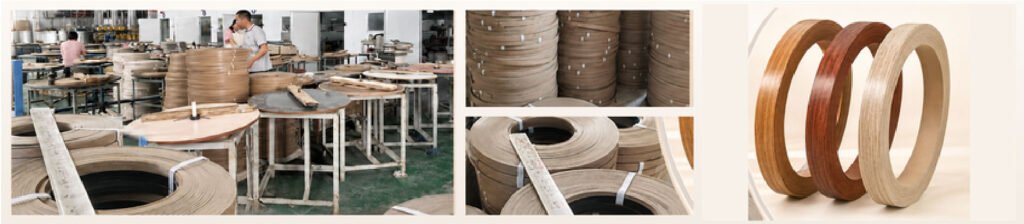
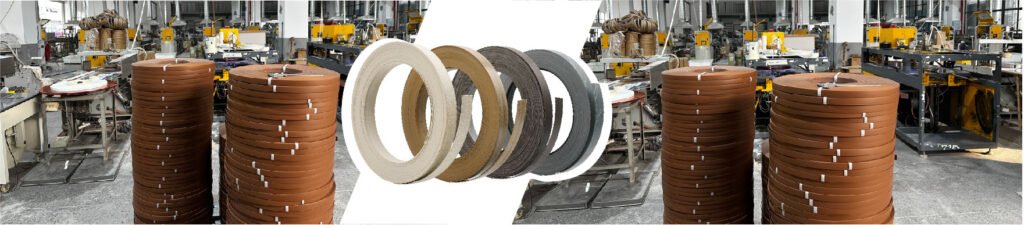
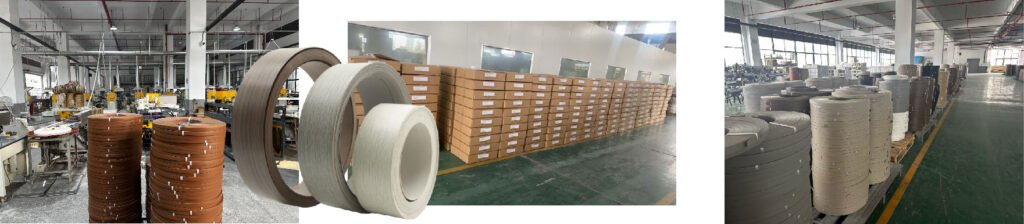
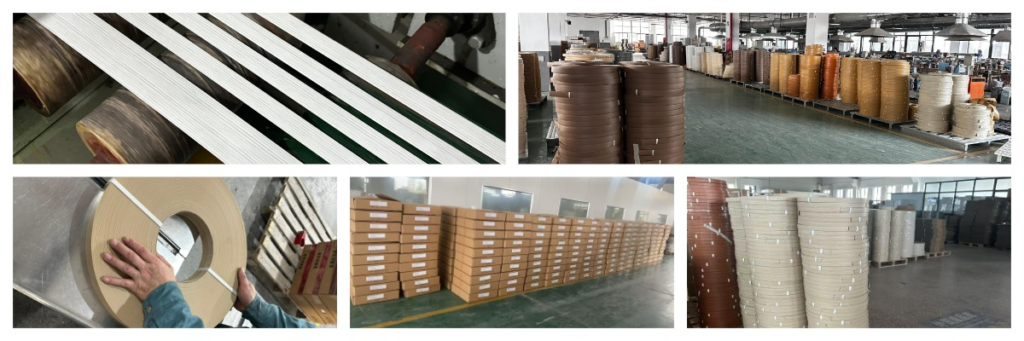
Our production facility covers approximately 100,000 m², with around 300 production employees, a dedicated QC team and an international sales team supporting overseas customers.
Our standard MOQ is 5,000 meters per color, while customized production can be discussed according to the project.
This factory-direct model allows us to work with furniture manufacturers, distributors, importers and OEM customers who require regular edge banding supply rather than one-off retail quantities.
Customization for Different Markets
The requirements of a cabinet factory in one country may be very different from those of a distributor in another.
Some customers need a specific width for their machinery. Others require a particular thickness, roll length or packaging method.
For edge banding UB52, customization can be discussed around:
- Width
- Thickness
- Roll length
- Core size
- Packaging
- Labeling
- Private-label requirements
- Bulk-order specifications
If you already have a panel sample or target specification, it is usually easier to confirm the appropriate edge banding dimensions from the beginning.
Sample Before Bulk Production
Color and surface appearance are difficult to judge accurately from a computer screen.
A monitor can change the appearance of a decorative panel, while lighting conditions can make the same color appear different.
For this reason, we recommend requesting a physical edge banding ub52 sample before confirming a large production order.
The sample can be compared directly with the customer’s panel under normal factory lighting and, where necessary, tested on the actual edge-banding equipment.
This simple step can reduce unnecessary problems later in production.
Quality Control Before Shipment
Our QC process is intended to identify production problems before the material reaches the customer’s factory.
Depending on the order, inspection can focus on:
- Width consistency
- Thickness consistency
- Surface appearance
- Color consistency
- Roll winding
- Packaging condition
- Order specifications
For repeated orders, production records and specifications can also help maintain consistency from one batch to the next.
For B2B customers, this matters because stable repeat orders are often more valuable than a single low-cost shipment.
Edge Banding UB52 for Long-Term Supply
A successful edge banding supplier should be able to support the product after the first order.
Furniture manufacturers may launch new models, change panel sizes or expand into new markets. Distributors may need additional widths or packaging formats as their customer base grows.
Our approach is therefore based on ongoing supply rather than simply selling a single roll.
If your business regularly uses decorative PVC edge banding, we can help establish a specification for UB52 that can be repeated for future orders.
FAQ
What is edge banding UB52?
Edge banding UB52 is a PVC edging solution developed for furniture panels using the Cleaf Traccia UB52 reference. It is used to cover exposed panel edges and create a coordinated finished appearance.
Can I request a UB52 sample?
Yes. Samples can be requested before bulk production so the edge banding can be compared with the actual decorative panel.
Can you produce customized widths?
Yes. Customized widths can be discussed according to the customer’s panel construction and processing requirements.
Is UB52 suitable for automatic edge banding machines?
The material can be supplied for common furniture edge-banding applications. The exact specification should be selected according to the machine, panel and processing method being used.
Do you supply directly from your factory?
Yes. We support wholesale, furniture manufacturing, distribution and OEM orders with factory-direct production.
Request an Edge Banding UB52 Sample
If UB52 is the decorative reference used in your furniture project, the easiest way to evaluate the material is to compare a physical edge banding sample with your actual panel.
Send us your required width, thickness, quantity and application, and our team can help confirm a suitable specification for your project.
Parameter Table
| Attributes | Value |
|---|---|
| Brand | Cleaf |
| product | Pvc edge banding |
| Thickness | Customizable |
| Width | Customizable |
| Lead Time | 20 days |
| Adhesive Type | EVA hot melt glue, PUR hot melt glue |
| Application Method | automatic edge banding machine |
| MOQ | 5000 meter |
| Pre-glued | Hot-melt-pre-glued, Non-glued |
Reviews
Review

easy for our workers