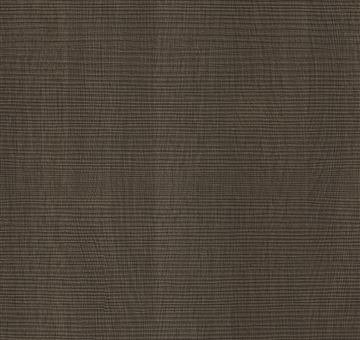





Cleaf traccia edge banding UB45
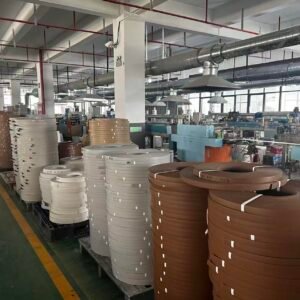
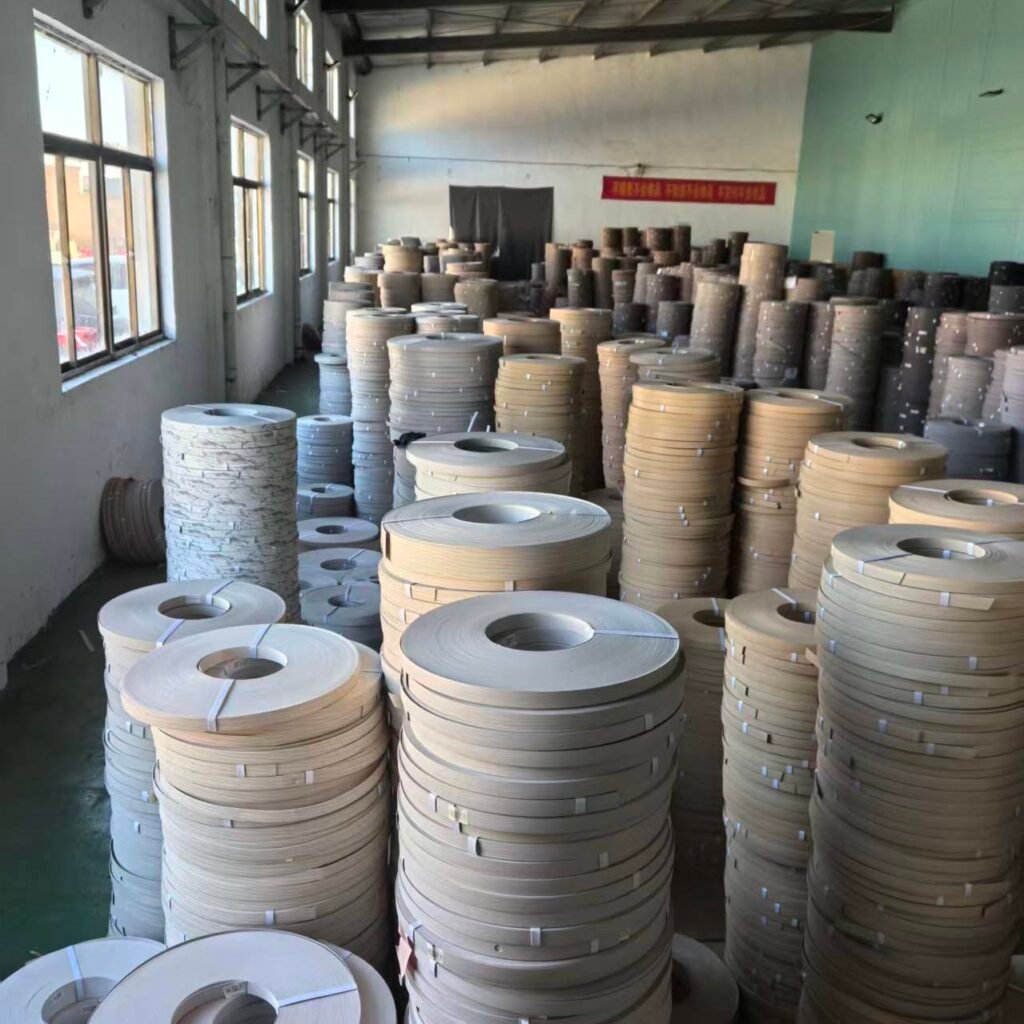
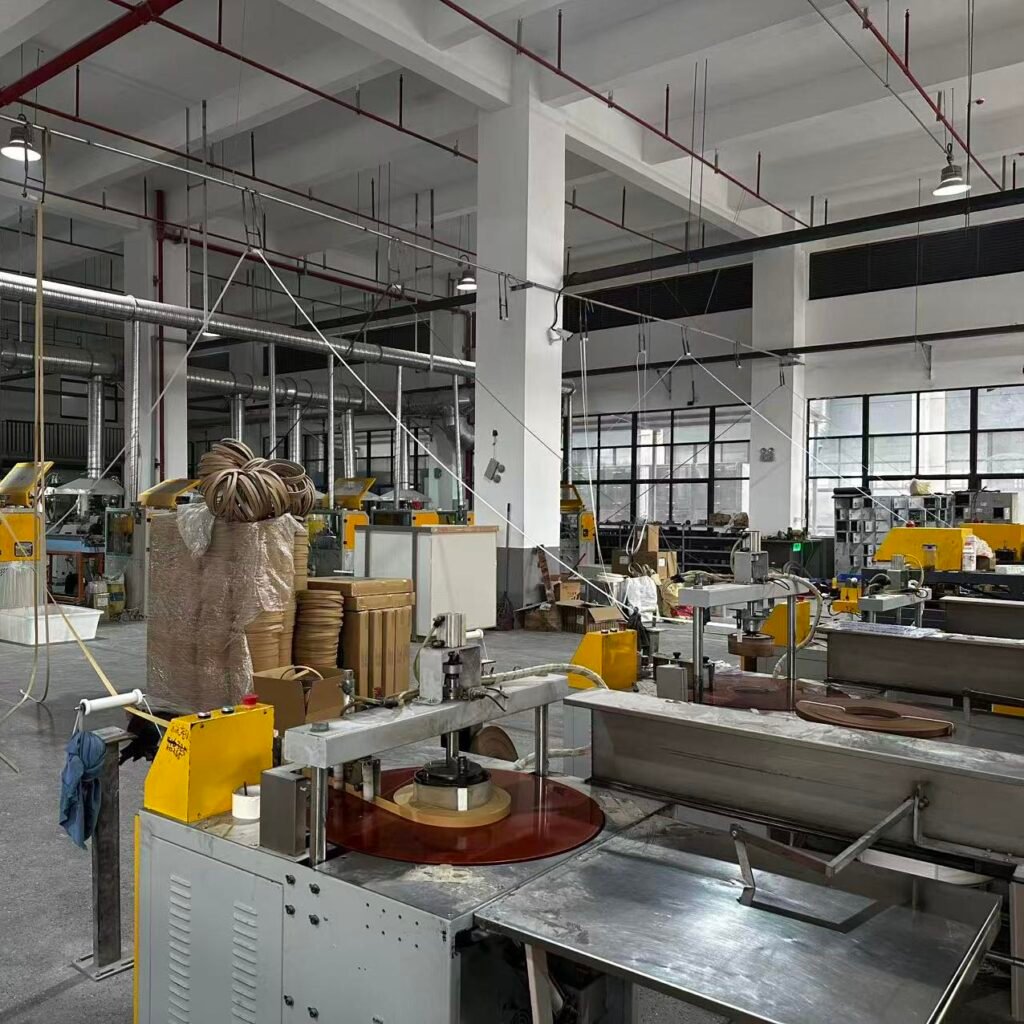
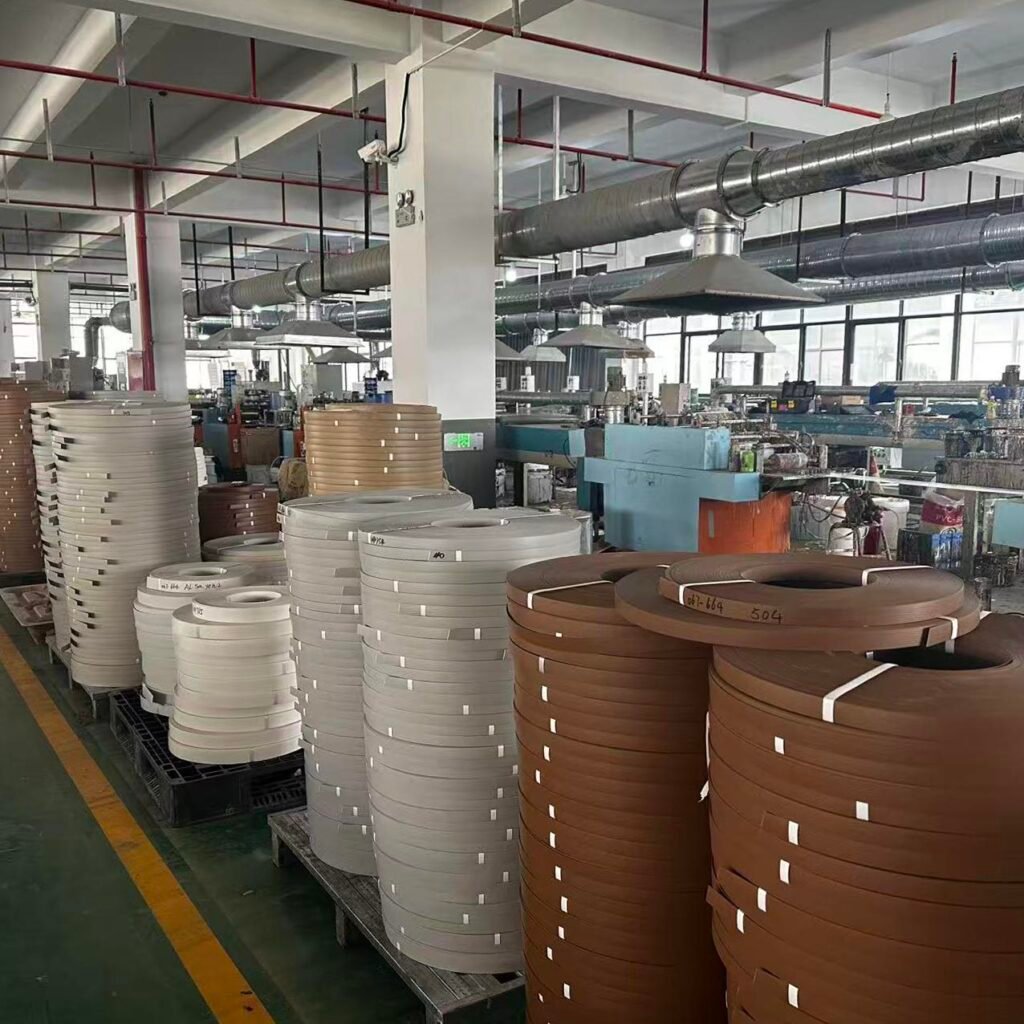
For bulk buyers, we provide factory-direct production, OEM support, customized dimensions and repeat-order service.
Note: All our samples are shipped the same day. The samples are free, but the express shipping charges are the buyer’s responsibility. Once the order is confirmed, these charges can be reimbursed from the order total.
Payment & Security

Cleaf traccia edge banding UB45
That is where the decorative pattern is most visible, where customers first notice the color, texture and overall design.
But once the panel becomes a cabinet door or furniture component, the edge enters the picture.
You can see it when a cabinet door opens.
You notice it along the front of a shelf.
It becomes visible around drawers and side panels.
On open furniture, the edge can remain exposed all the time.
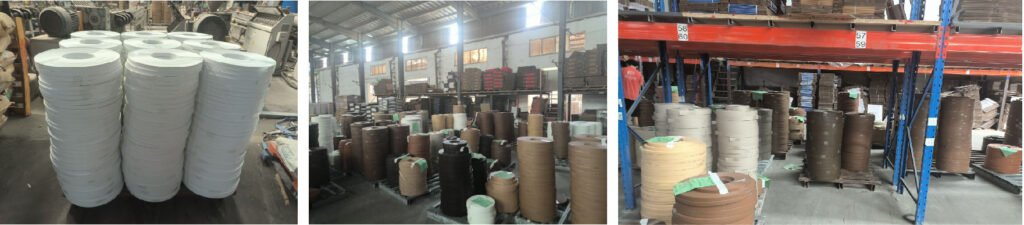
This is why edge banding UB45 should not be selected simply as a piece of material that covers the board core.
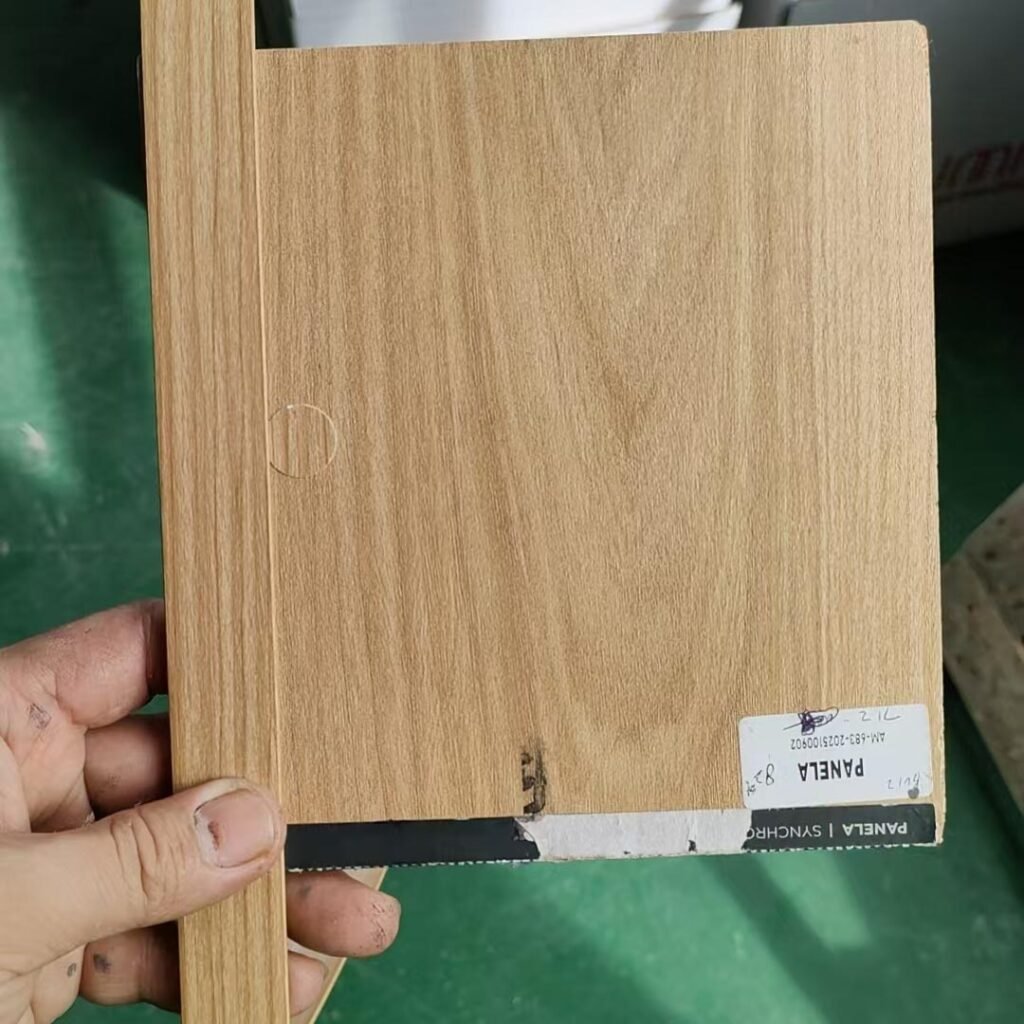
The edge needs to belong visually to the panel.
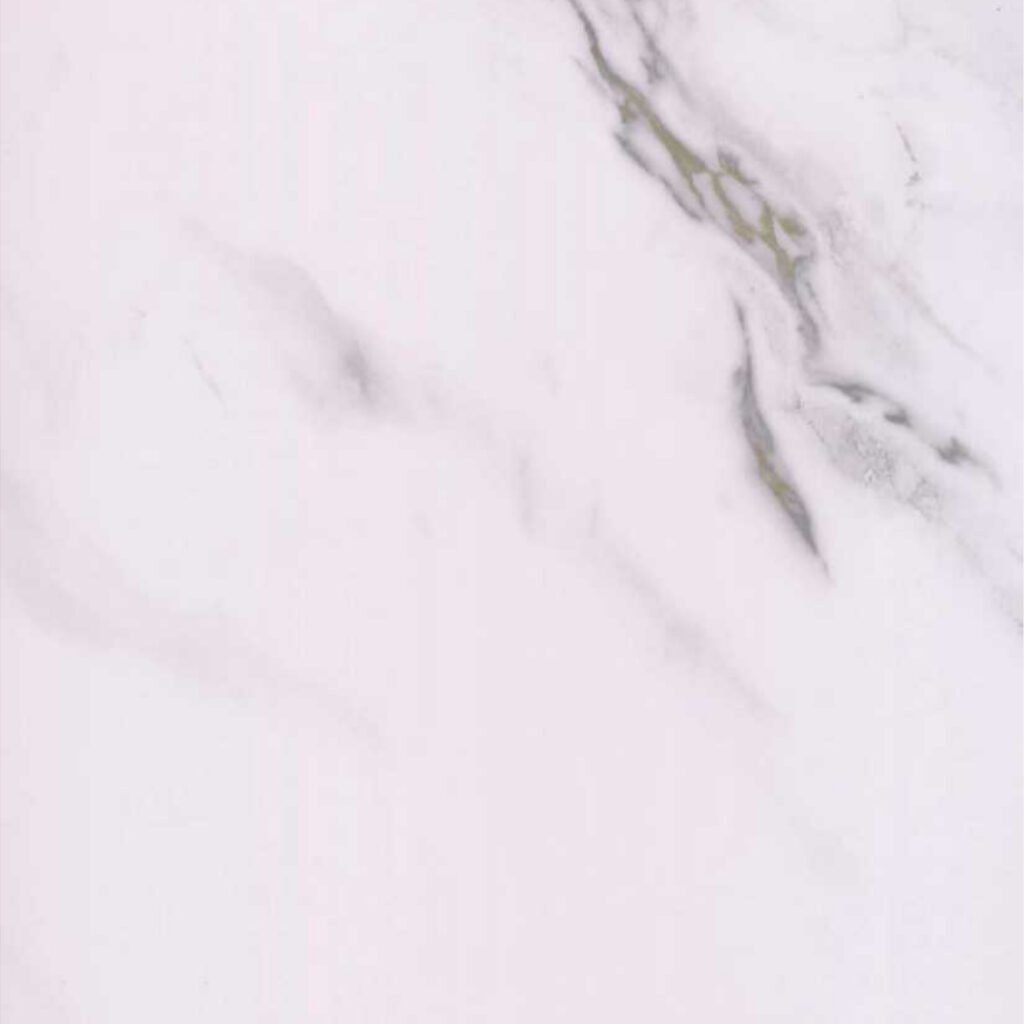
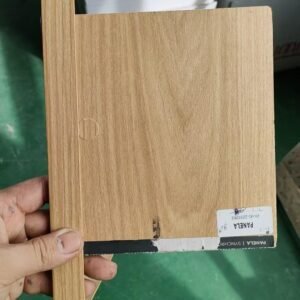
For a decorative reference such as edge banding UB45, the objective is to create a smoother relationship between the front surface, corner and edge. When these three areas work together, the finished furniture looks more intentional.
edge banding UB45 and the Finished Furniture Edge
There is an important difference between an edge band that looks good on a roll and one that looks good after machining.
Before application, the material is flat and easy to inspect.
After application, however, it goes through several operations. The edge is pressed onto the panel, excess material is trimmed, the surface may be scraped or polished, and the finished component is then assembled into the furniture.
The final appearance can therefore change during processing.
For edge banding UB45 projects, we recommend evaluating the complete sequence:
Apply → Trim → Finish → Inspect
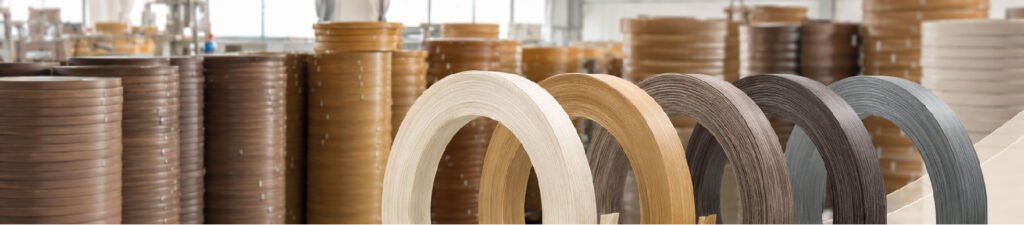
This simple approach gives a much more realistic picture of the finished product.
The edge should be checked for visual continuity, clean trimming, surface condition and the relationship between the edging and the panel.
For manufacturers producing decorative furniture in volume, this kind of practical test is more useful than judging the material only from a catalog photograph.
A Better Match Starts with the Panel
Choosing edge banding should begin with the panel, not the edge banding roll.
Before confirming the order, it is useful to identify four basic points:
Panel material
Is the substrate MDF, particleboard or another wood-based panel?
Panel thickness
The board thickness affects the required edge width and the final furniture construction.
Visible edge
Which sides of the component will remain visible after assembly?
Processing method
What type of edge-banding equipment and finishing process will be used?
These details may appear simple, but they can change the most suitable edge banding specification.
For this reason, our edge banding UB45 supply is not limited to one fixed size. We can discuss the required thickness and width according to the customer’s actual furniture project.

From a Decorative Board to a Complete Furniture Component
A decorative panel becomes much more interesting once it is cut into individual furniture parts.
One sheet may become:
- Two wardrobe doors
- Several shelves
- Cabinet side panels
- Drawer fronts
- Internal partitions
Each component has a different edge exposure.
A wardrobe door may show almost the entire perimeter. A shelf may have one dominant front edge. An internal divider may only reveal its edge when the door is opened.
Using a coordinated edge banding UB45 specification across these components helps keep the furniture collection visually connected.
This is particularly useful for manufacturers producing a series of products from the same decorative panel.
Instead of choosing an edge band separately for every component, the factory can establish a consistent material reference for the entire product family.
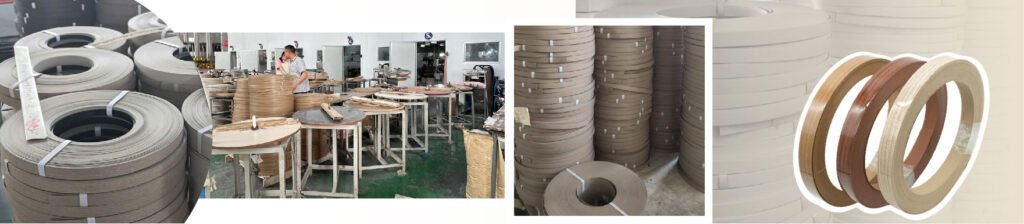
PVC or ABS? Choose According to the Project
PVC and ABS edge banding can both be used in furniture production, but the material choice should follow the actual application.
PVC is widely used for general furniture edging because it offers flexible processing options and a broad range of decorative finishes.
ABS is another common thermoplastic option and is often selected where the project calls for specific processing or material characteristics.
For UB45 projects, the most important point is not simply choosing one material because it is popular. The substrate, machine, edge profile, appearance requirement and purchasing specification should all be considered together.
If you already have a preferred material, we can produce according to the project specification.
If you are uncertain, sending us your panel information and application allows us to recommend a more appropriate starting specification.
Size Should Follow the Furniture
Cleaf’s edge banding UB45 technical reference lists the original ABS edge product with a thickness range of 0.5–2.5 mm and a height range of 15–330 mm. The associated panel is listed at 8–38 mm thickness. These figures provide a useful reference when considering the relationship between panel construction and edge material, but they should not be treated as a universal specification for every customer’s edge banding order.
Our general production range can be adjusted according to the customer’s requirements.
For example, a factory may need:
18–20 mm for a narrower panel edge
22 mm for common cabinet components
30 mm for wider furniture panels
40 mm or more for special constructions
The final size should always be confirmed against the actual panel and machine setup.
Why We Recommend a Real Panel Test
A computer screen is useful for choosing a general color direction.
It is not enough for making the final decision.
The actual panel can have a different appearance under daylight, showroom lighting and factory lighting. Texture depth, surface finish and surrounding materials can also change how the edge is perceived.
That is why we encourage customers to test edge banding UB45 against their actual board.
A practical sample test can answer questions that a product photograph cannot:
Does the edge look continuous from the front?
Does the texture relationship feel natural?
Does the trimmed edge remain clean?
Does the final furniture component look balanced?
For a small sample, these checks take little time. For a large production order, they can prevent much more expensive mistakes.
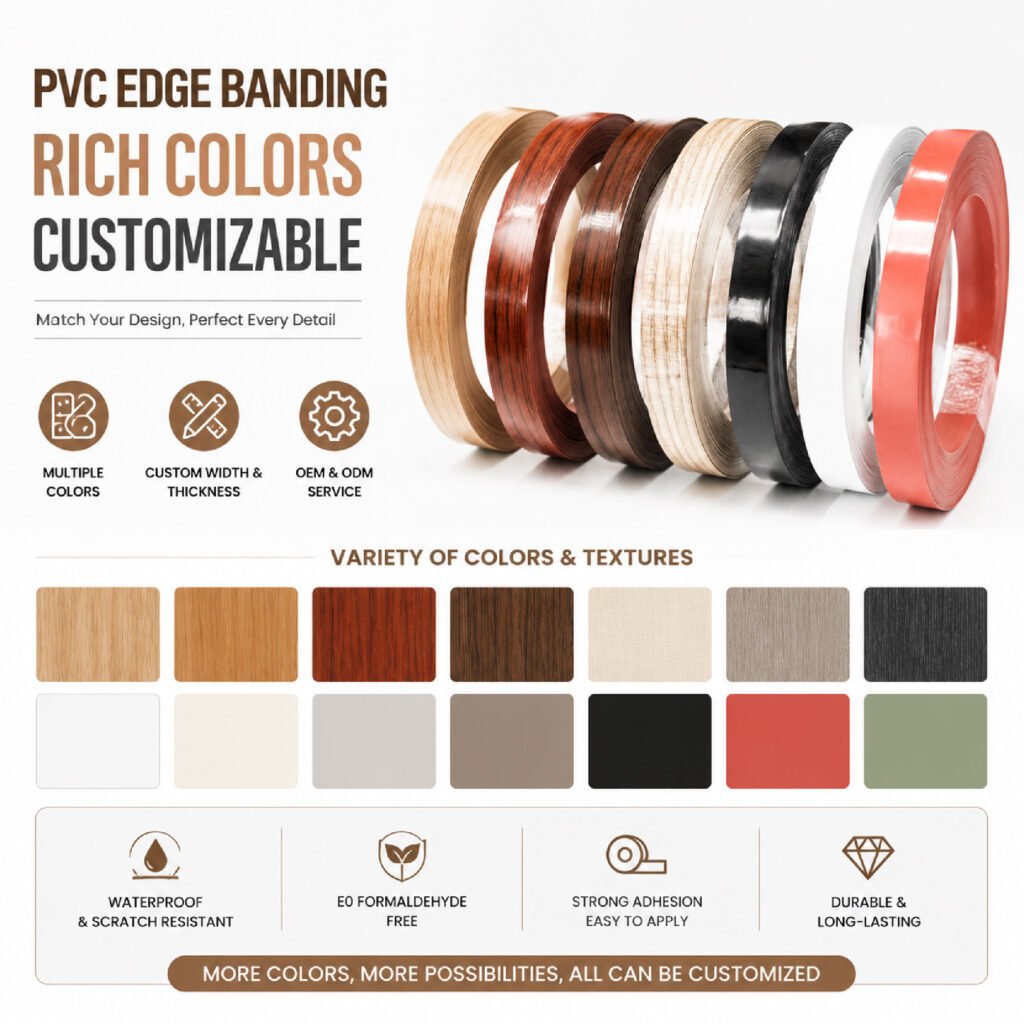
Built for Furniture Factories, Not Just Sample Boards
The needs of a furniture factory are different from those of an individual workshop.
A factory may process thousands of panels using the same decorative reference. Once the specification has been approved, the same material may need to be reordered repeatedly.
That means supply consistency becomes part of the product.
For edge banding UB45, we support customers with:
- Customized width and thickness
- Sample approval before mass production
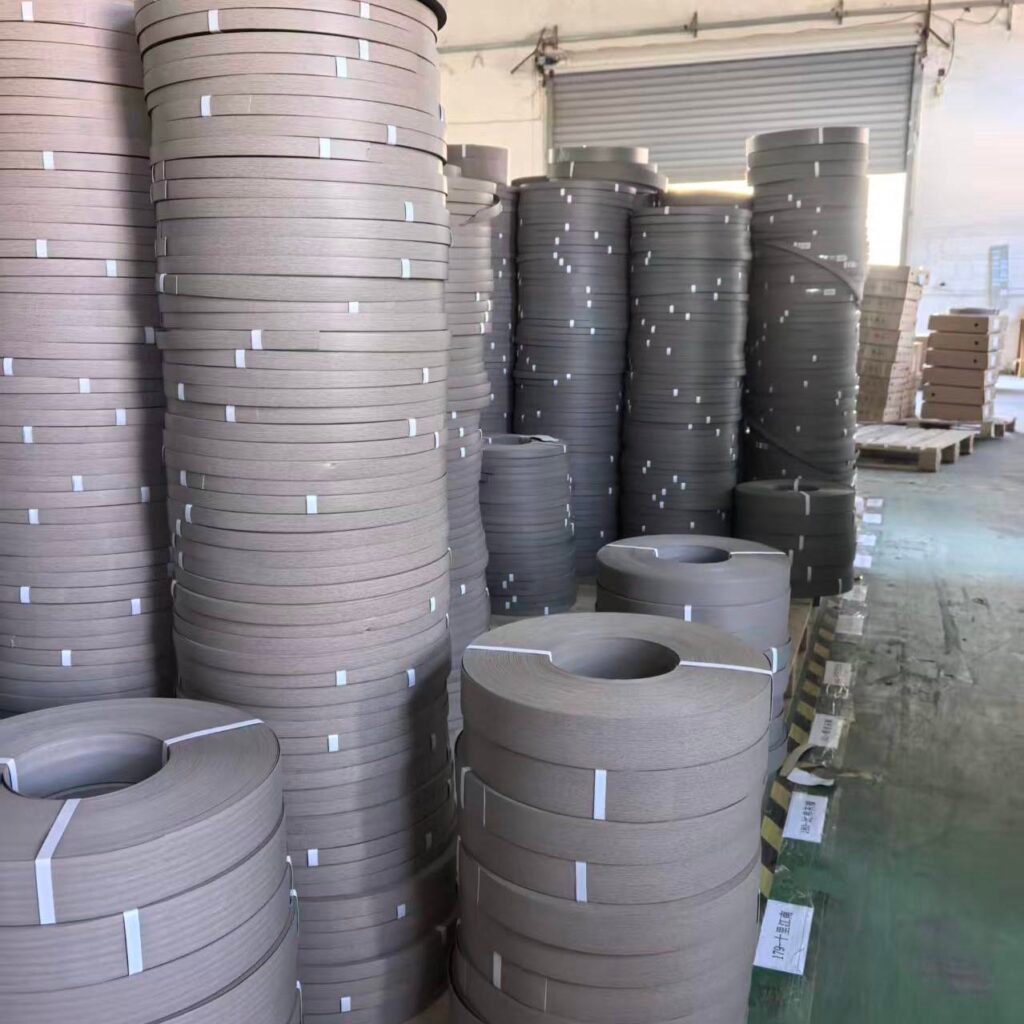
- OEM packaging
- Repeat-order production
- Bulk purchasing
- Export support
- Specification confirmation before production
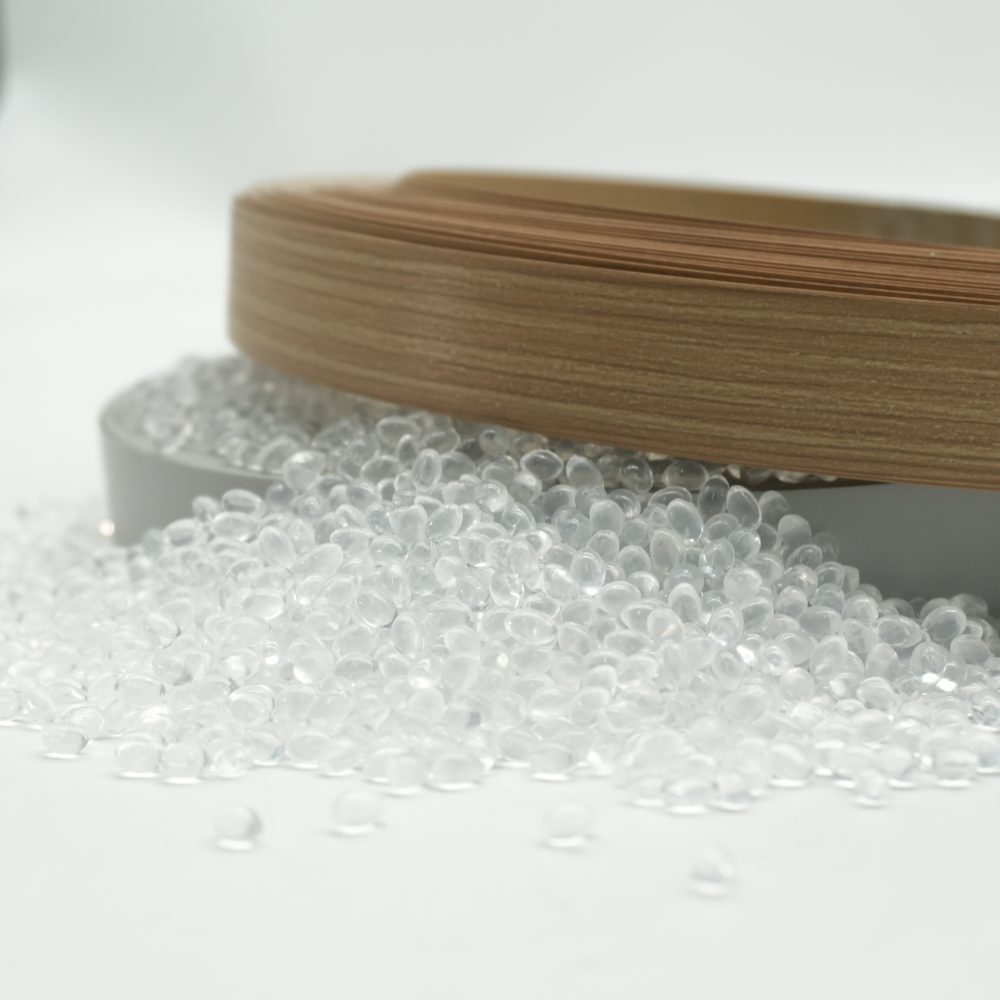
Our general PVC edge banding production capability covers 0.4–3 mm thickness and 9–120 mm width, while project-specific dimensions can be discussed according to actual requirements.
The standard MOQ for our B2B production is 5,000 meters per color.
Quality Is Easier to Control When the Specification Is Clear
Good quality starts with a clear production specification.
Before manufacturing, we recommend confirming the reference sample, material, width, thickness, roll requirements and packaging.
During production, the material can then be checked against the approved requirements.
Typical inspection points include:
- Thickness
- Width
- Surface appearance
- Color consistency
- Edge condition
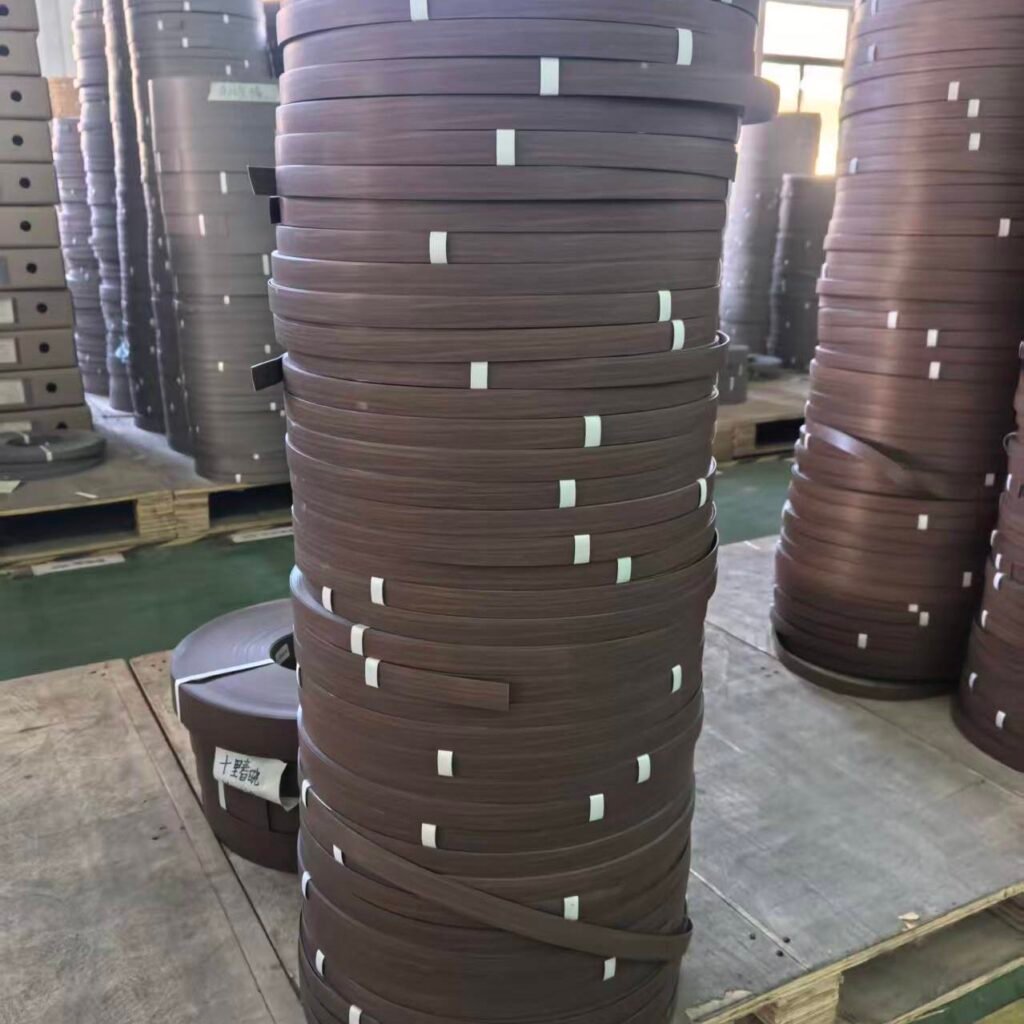
- Roll winding
- Packaging
This approach is especially important for repeat orders.
The objective is not to make every production run look “approximately the same.” The goal is to work from an agreed reference so future orders have a clear standard to follow.
A Practical UB45 Solution for Modern Furniture
edge banding UB45 is ultimately about making the transition from decorative panel to finished furniture feel natural.
The panel provides the visual identity.
The edge completes the construction.
The machining process brings the two together.
When these elements are considered as one system, the finished furniture is easier to evaluate—not only from a catalog image, but from the moment the cabinet door is opened, the drawer is pulled out or the side of a shelf comes into view.
That is where a carefully selected edge banding solution earns its value.
For manufacturers using the edge banding UB45 reference, we can support the project from sample development through specification confirmation and bulk production.
Send us your panel reference, required width, thickness and estimated quantity, and we can prepare the next step for your project.
FAQ
Are samples provided free of charge? Who bears the shipping cost for samples?
Samples for conventional specifications (existing colors, standard thickness/width) are provided free of charge, with a limit of 20 meters per specification/color. Shipping costs for samples are borne by the customer, who can choose freight collect or pay in advance. After placing a bulk order, the equivalent amount can be deducted from the order value against the shipping invoice.
What discount can be offered for large orders?
Large orders (over 50,000 meters) can enjoy a 10% discount on the base quotation. The specific discount is adjusted based on the order material, specifications, and delivery cycle. If it is a long-term fixed large order (stable monthly procurement of over 50,000 meters), an additional 0.5% discount can be enjoyed, along with priority production and delivery arrangements.
What is the water absorption rate of edge banding strips? Are they suitable for kitchen furniture use?
Different materials have different water absorption rates: PVC edge banding ≤ 0.3%, ABS edge banding ≤ 0.1%, acrylic edge banding ≤ 0.05%, all far below the industry standard (≤ 1%). All industrial-grade edge bandings have excellent waterproof performance, fully suitable for kitchen furniture, able to resist long-term water vapor and water stain erosion without swelling or mold growth.
Is the raw material of edge banding strips 100% virgin material? Is any recycled material added?
Industrial-grade products are all made with 100% new pure raw materials: PVC uses high-quality resin from Qilu Petrochemical/Formosa Plastics, ABS uses BASF original pellets, and acrylic uses Mitsubishi imported raw materials; no recycled or reclaimed materials are added, ensuring products are odorless, resistant to aging, and stable in performance.
Request edge banding UB45 Sample or Factory Quote
Working with the right edge banding supplier is easier when the specification is clear from the beginning.
Send us your UB45 panel reference, required size, material preference and quantity.
We can help confirm the suitable edge banding specification and arrange a sample before bulk production.
Parameter Table
| Attributes | Value |
|---|---|
| Brand | Cleaf |
| product | Pvc edge banding |
| Application | bathroom cabinets, cabinets, display cabinets, Furniture manufacturing, hotel projects, interior doors, office furniture, wardrobes |
| Thickness | 0.4mm, 0.8mm, 1.0mm, 1.5mm, 2.0mm, 3.0mm, Customizable |
| Width | 12mm, 16mm, 18mm, 20mm, 22mm, 30mm, 40mm, 50mm, 60mm, 70mm, 80mm, 90mm, 9mm, Customizable |
| Lead Time | 20 days |
| Adhesive Type | EVA hot melt glue, PUR hot melt glue |
| Application Method | automatic edge banding machine |
| PVC edge banding |
Reviews
Review

perfect for bathroom cabinets