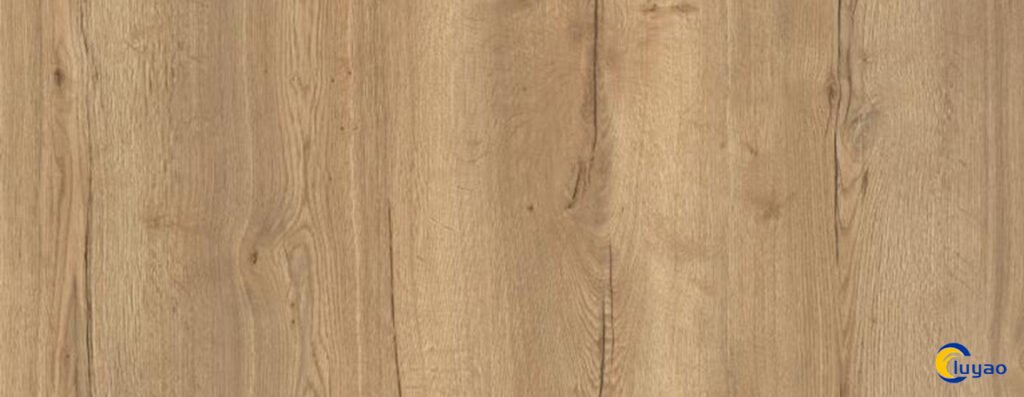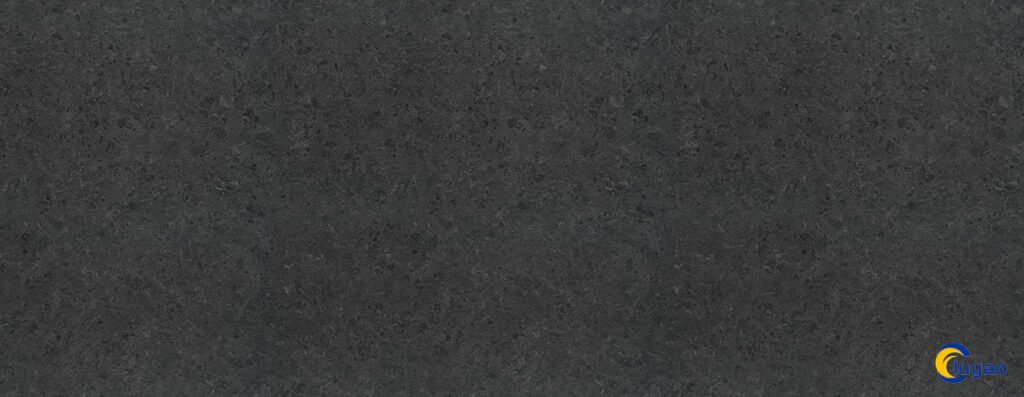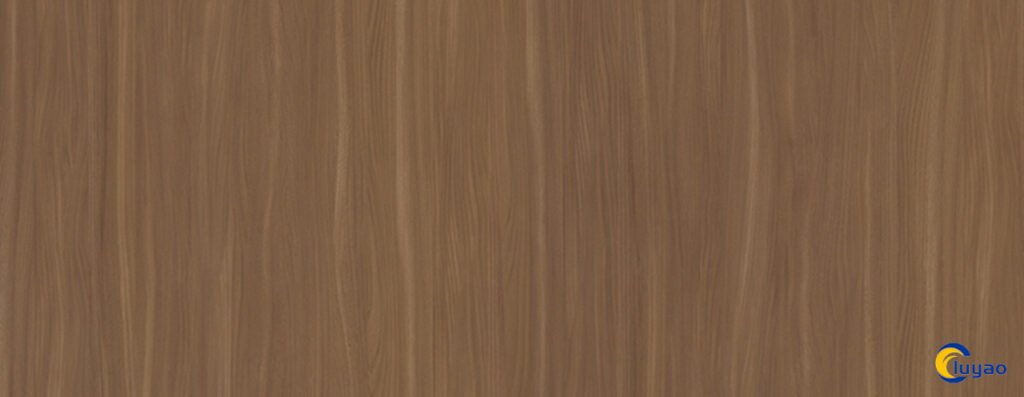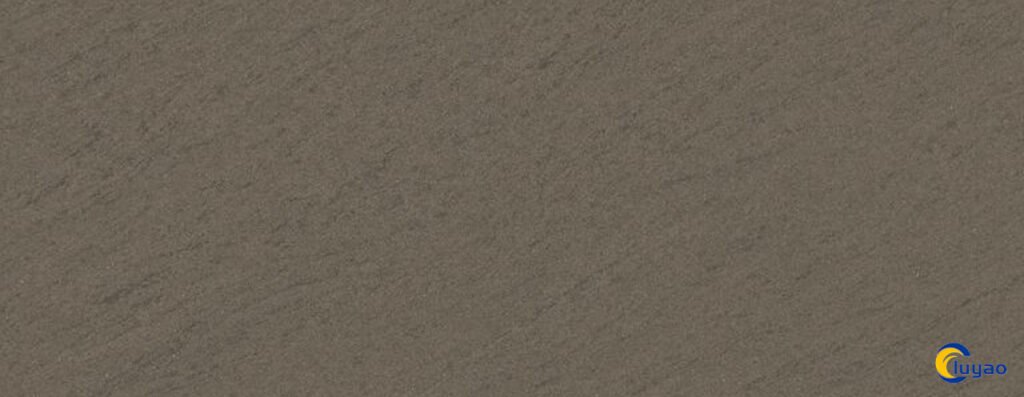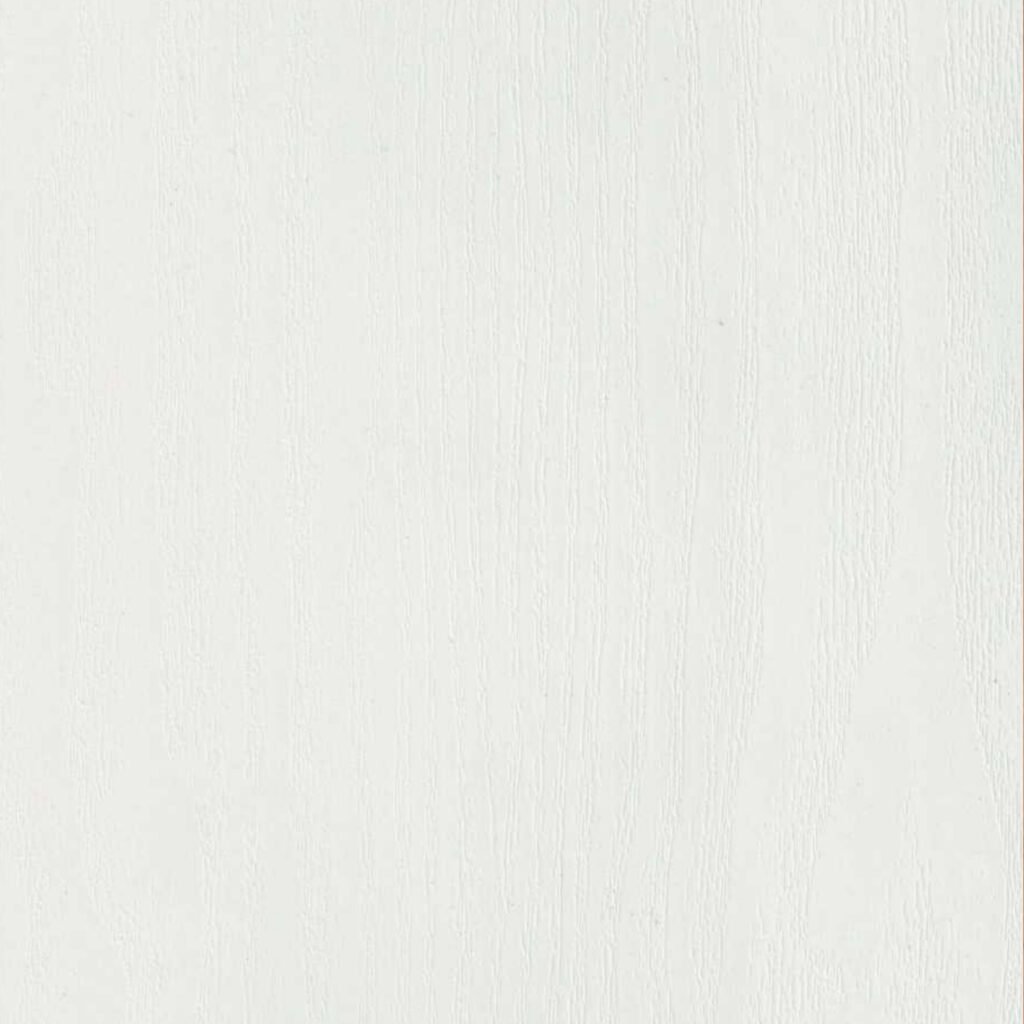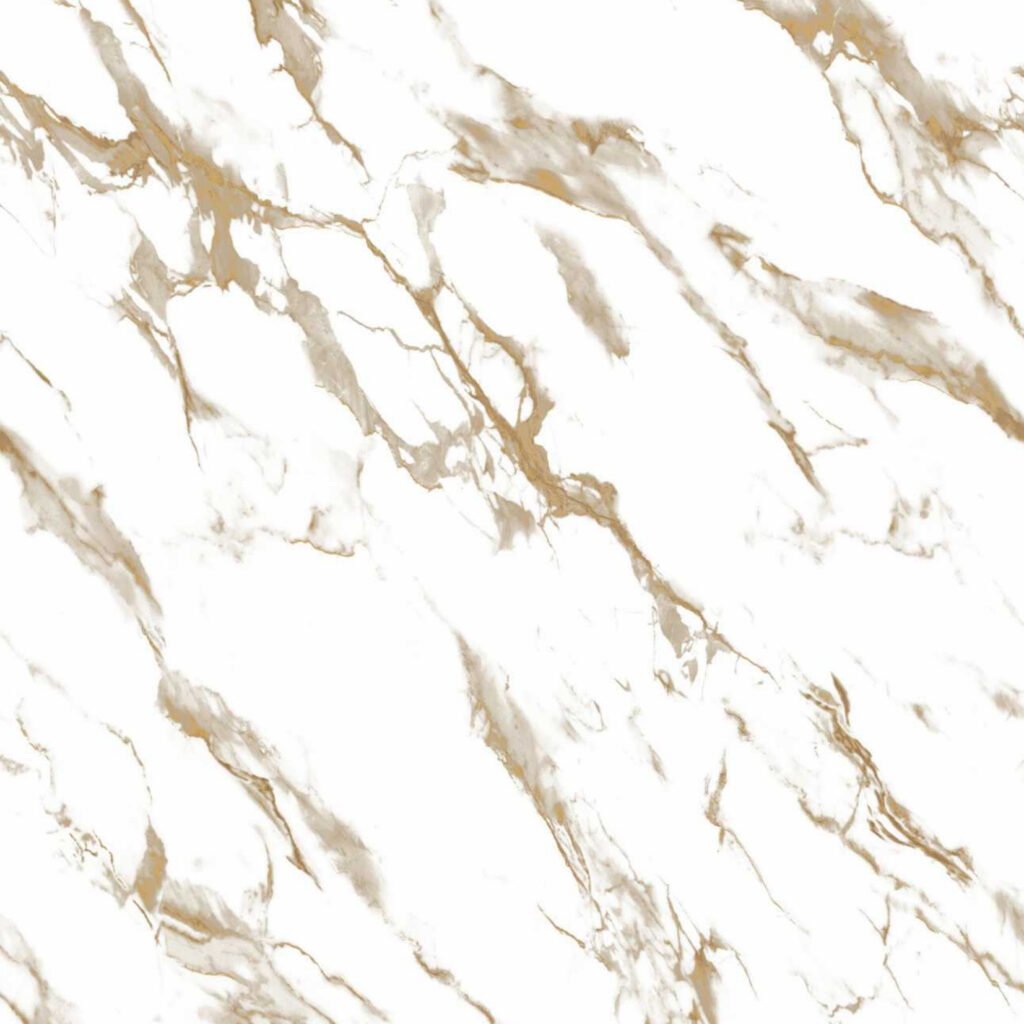



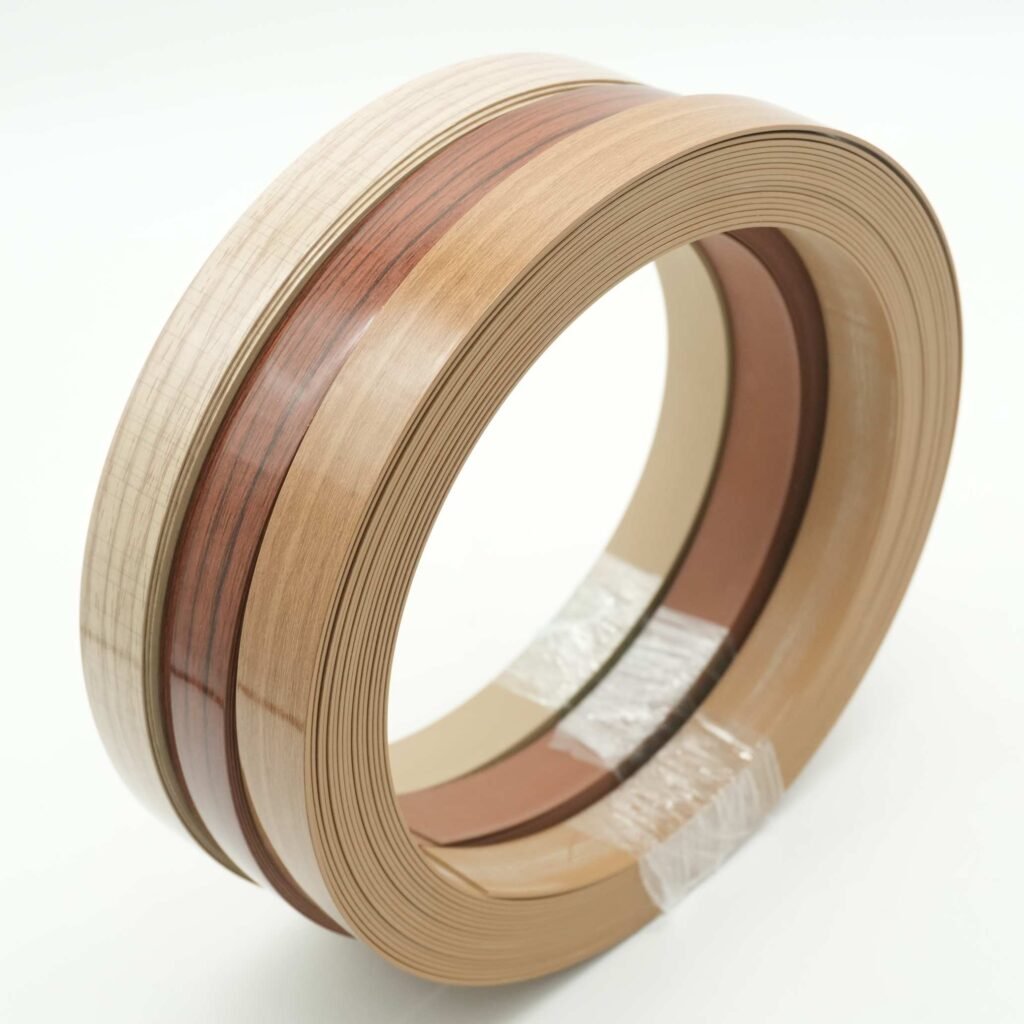
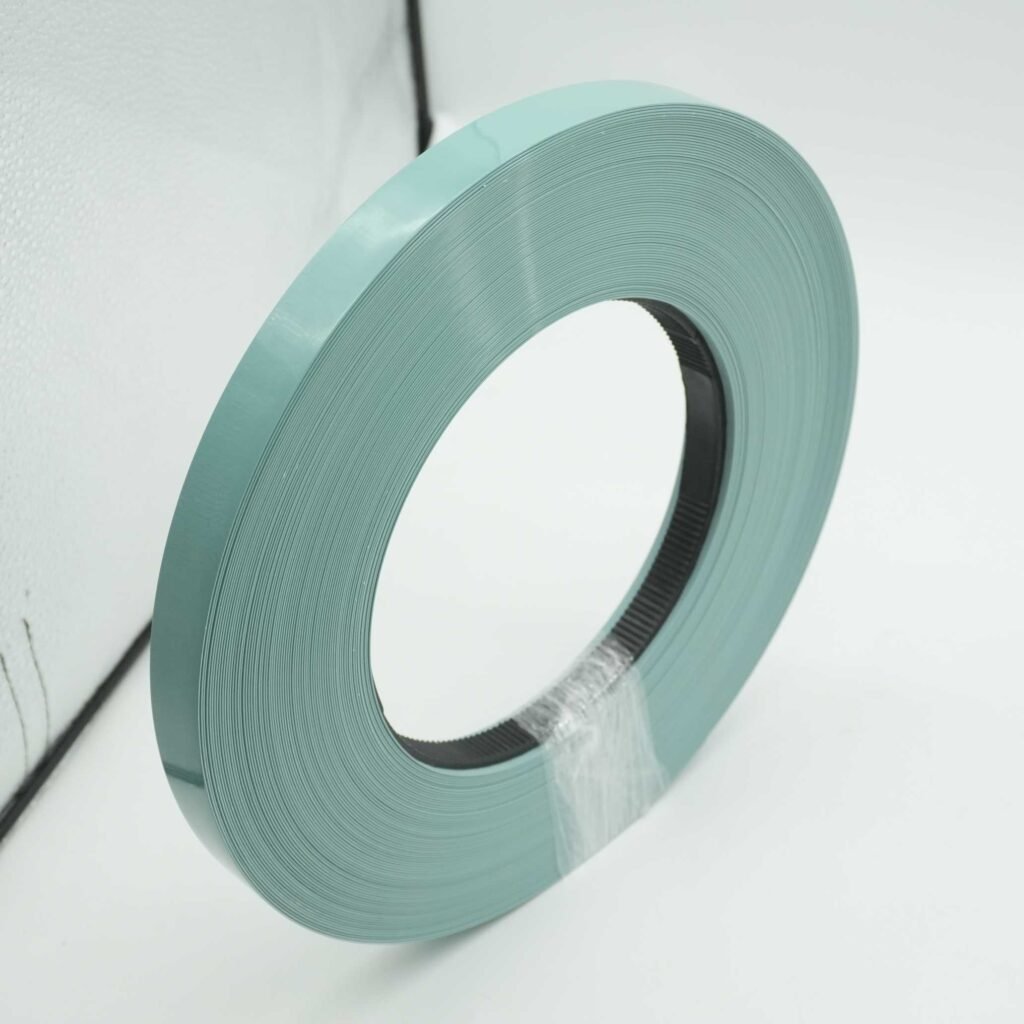
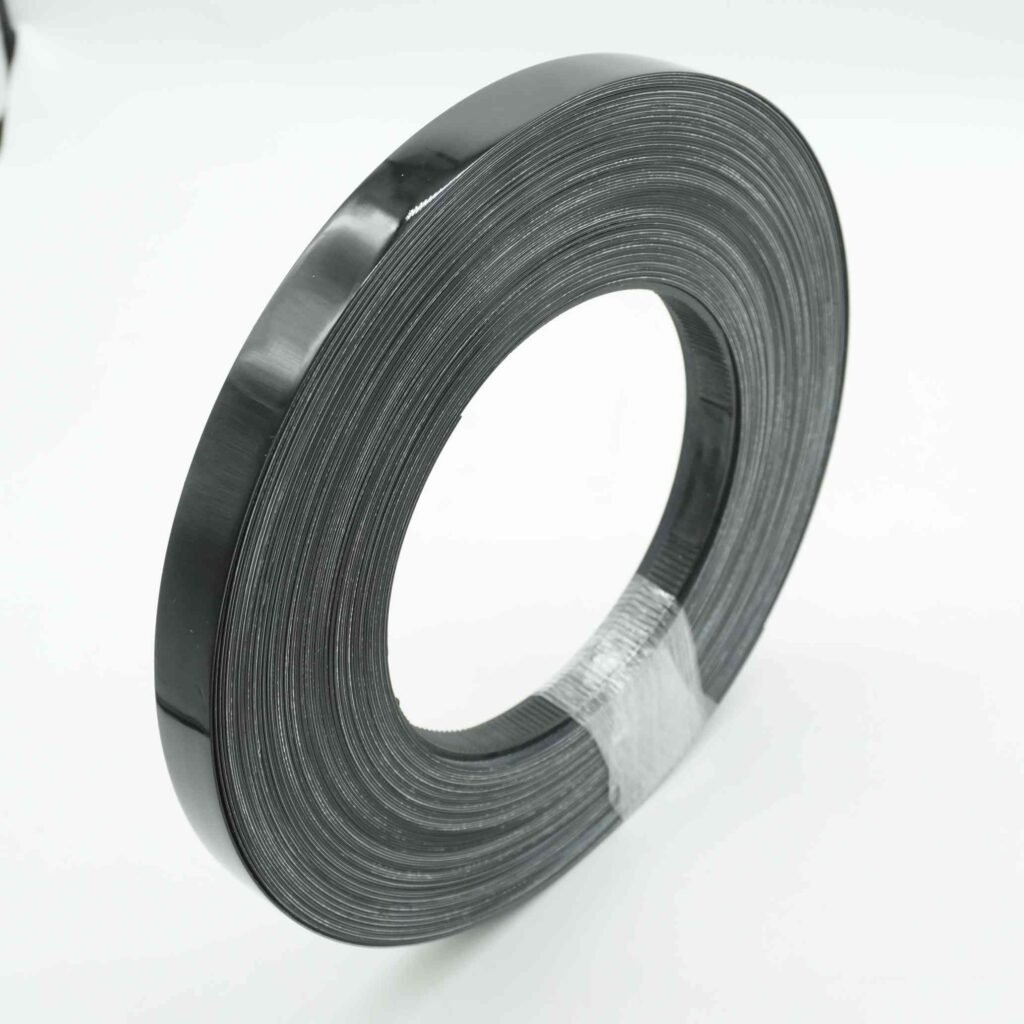
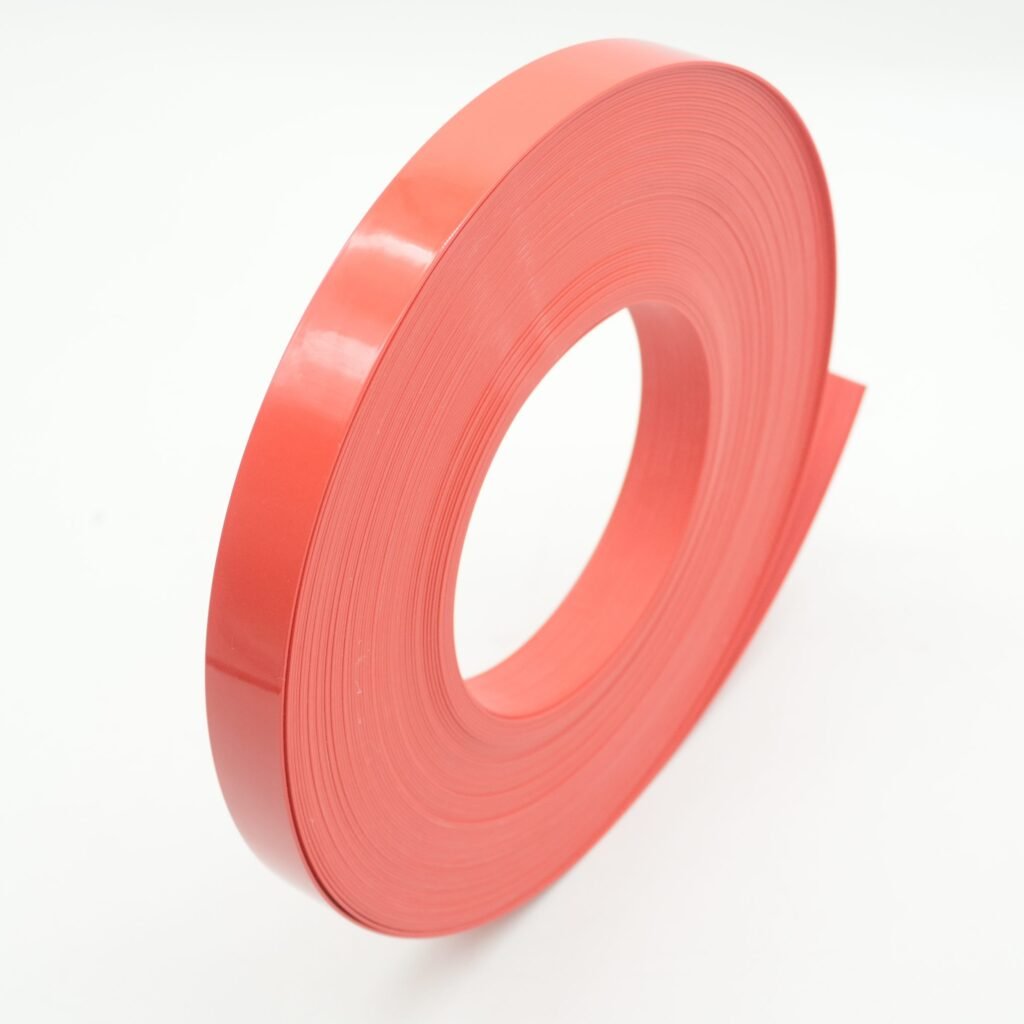
Cleaf traccia edge banding ub30
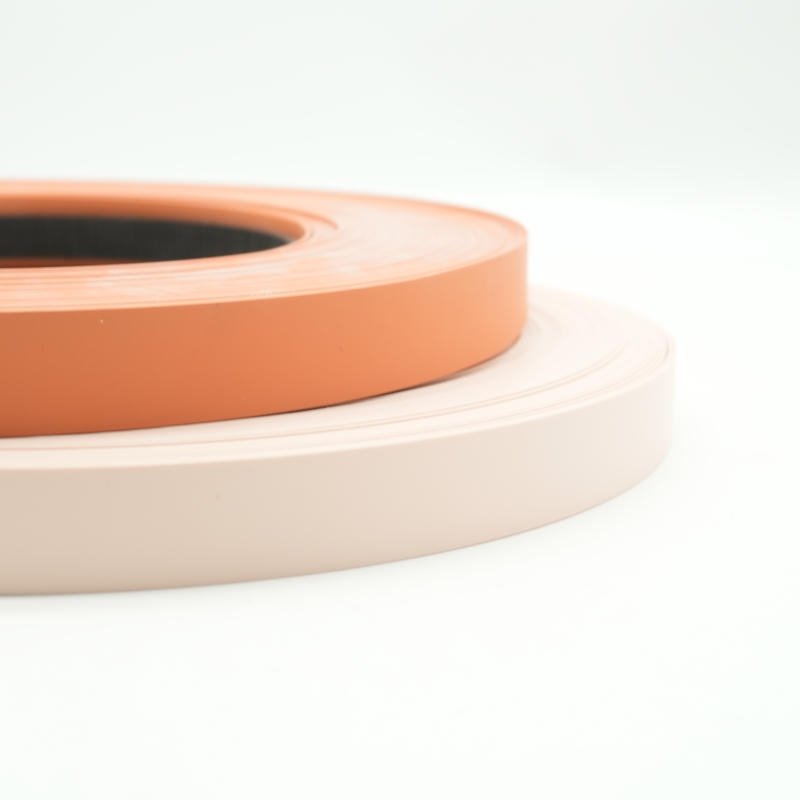
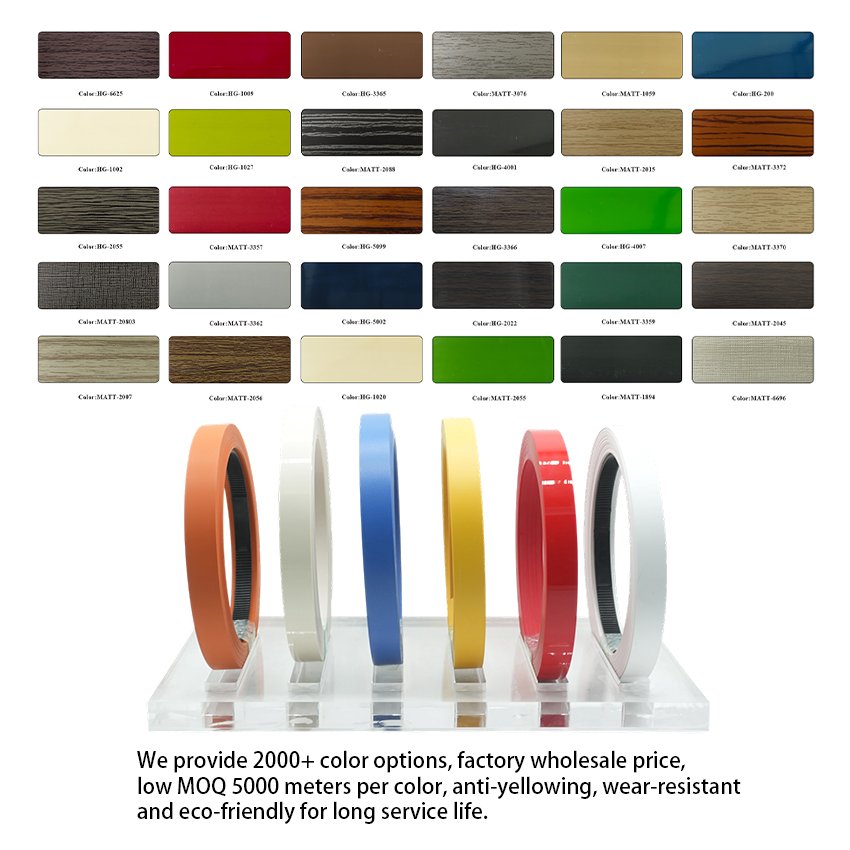
Edge banding UB30 is a custom PVC edging solution for furniture panels inspired by Cleaf Traccia surfaces. LUYAO provides coordinated colors and finishes, flexible widths and thicknesses, sample development, OEM packaging and reliable supply for furniture manufacturers and distributors.
Note: All our samples are shipped the same day. The samples are free, but the express shipping charges are the buyer’s responsibility. Once the order is confirmed, these charges can be reimbursed from the order total.
Payment & Security

Cleaf traccia edge banding ub30
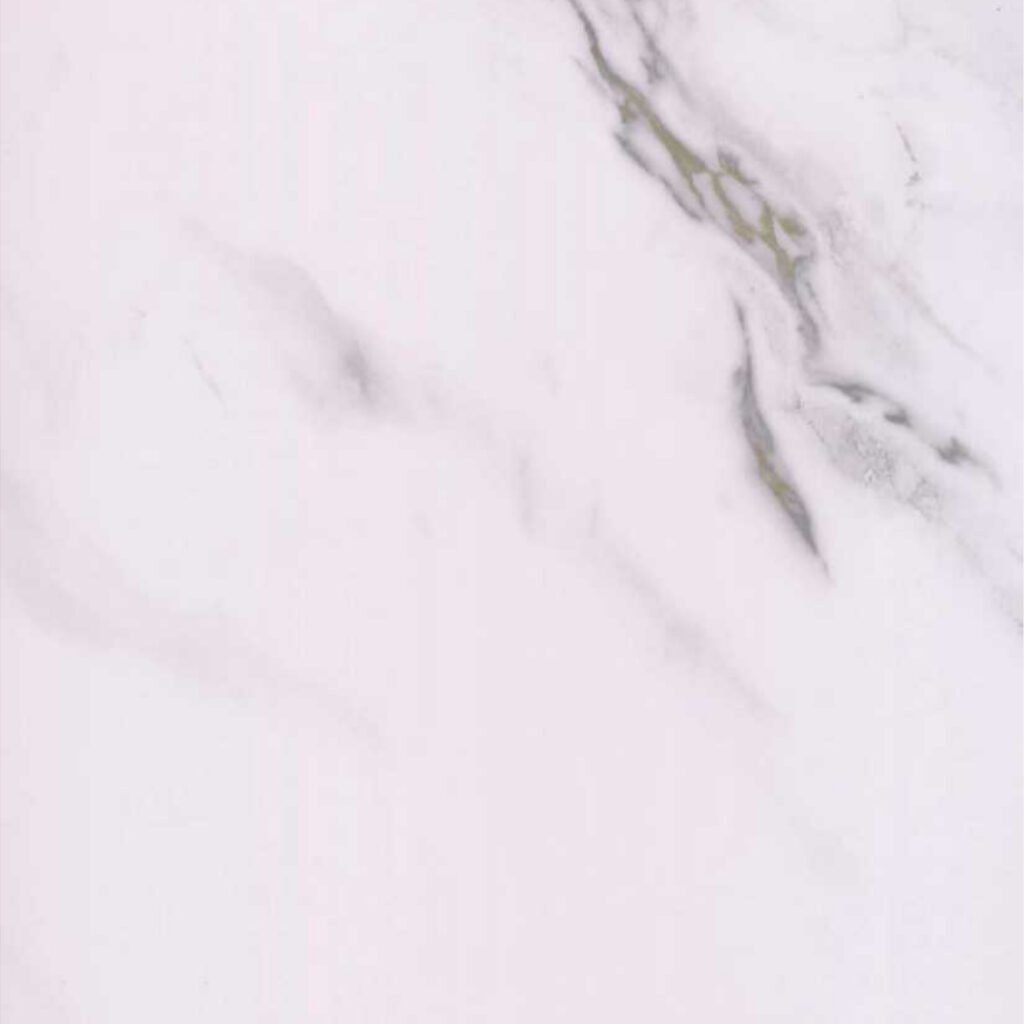
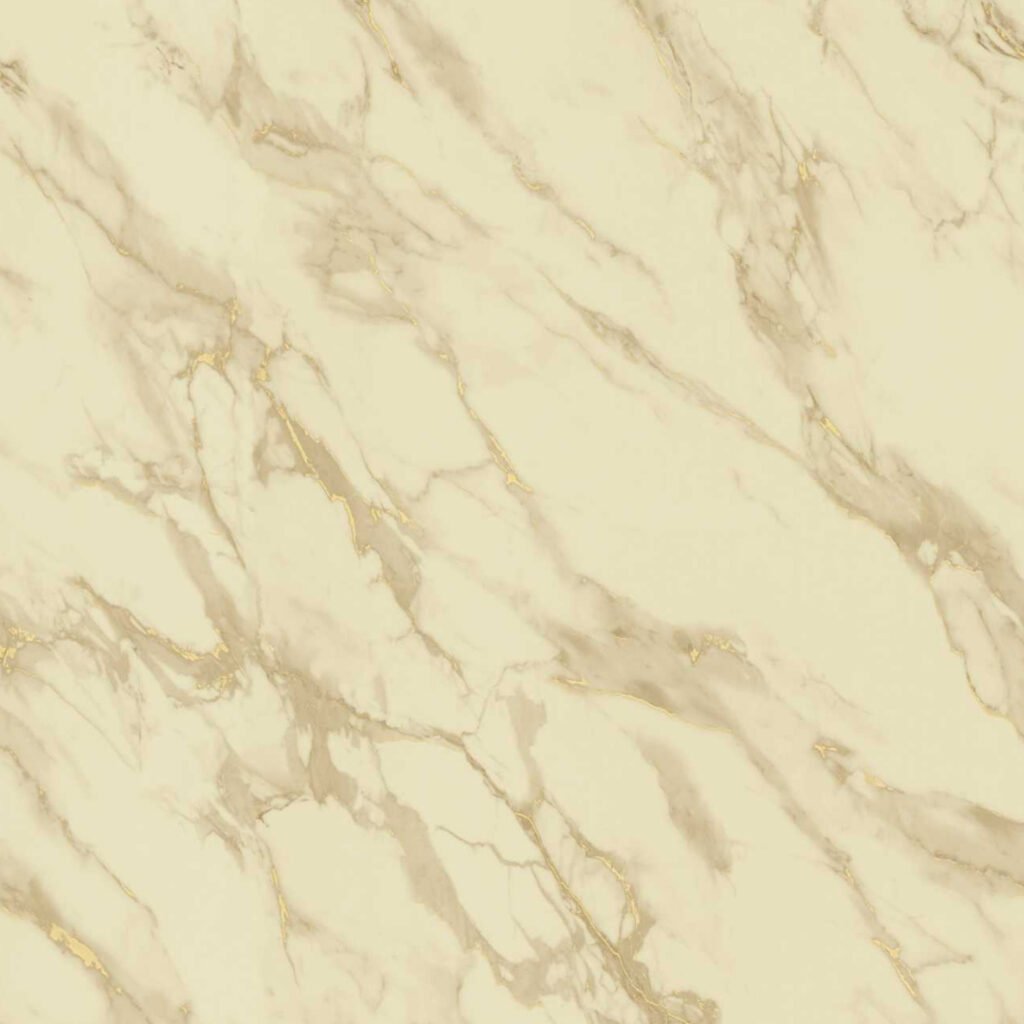
Developed as a custom PVC edging solution for furniture panels using a Cleaf Traccia-inspired decorative surface, edge banding ub30 is designed to combine visual coordination with the practical requirements of modern furniture production.
For manufacturers and distributors, the objective is not simply to find an edge with a similar color. The material needs to fit the panel, work with the production process and remain available when the same furniture design enters its next production cycle.
Width:
The Edge Is Part of the Panel System
Furniture panels are rarely viewed as isolated pieces.
A cabinet door, drawer front or side panel becomes part of a larger structure. Once several components are assembled, differences between the board surface and edge become easier to notice.
A suitable edge band should therefore work as part of the complete panel system.
For edge banding ub30, the matching process can consider:
- Decorative surface color
- Texture character
- Gloss or light reflection
- Edge thickness
- Edge width
- Finished trimming appearance
- Intended furniture application
This approach helps create a more coordinated transition between the visible panel surface and its exposed edge.
PVC Edge Banding Built for Furniture Manufacturing
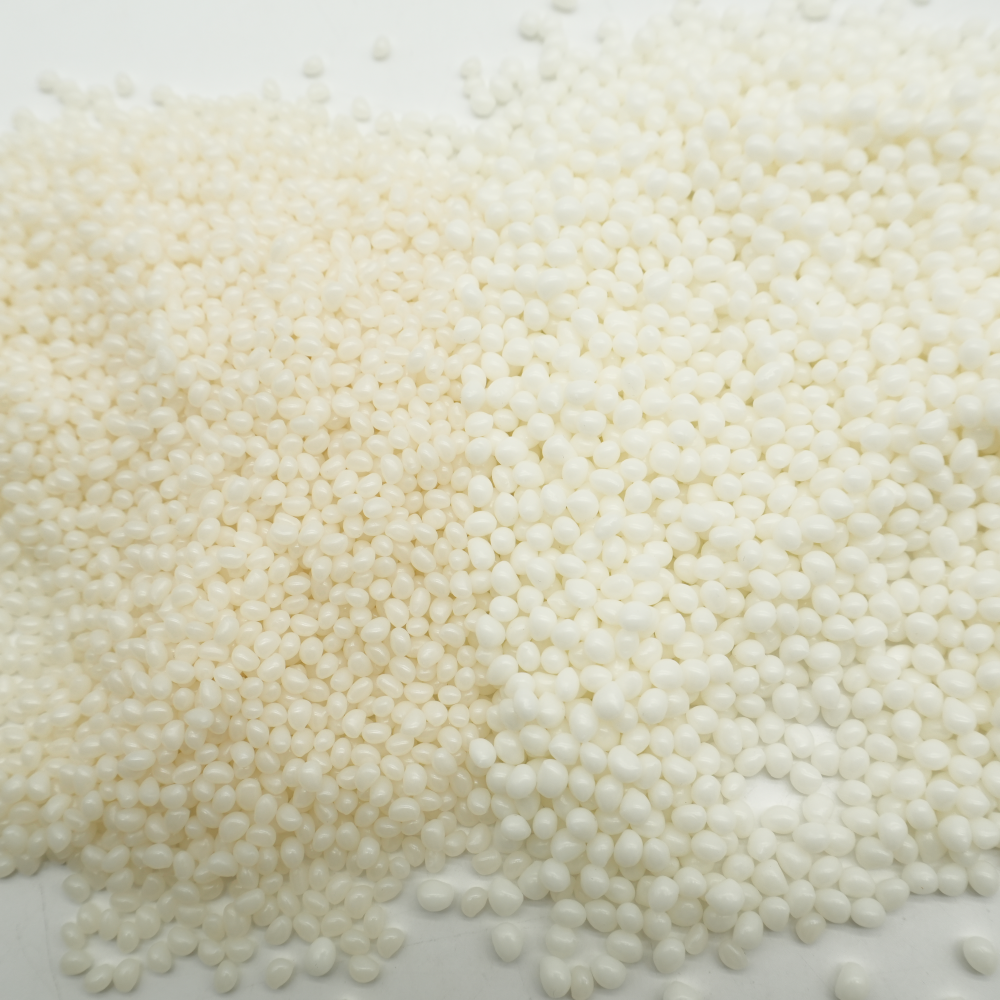
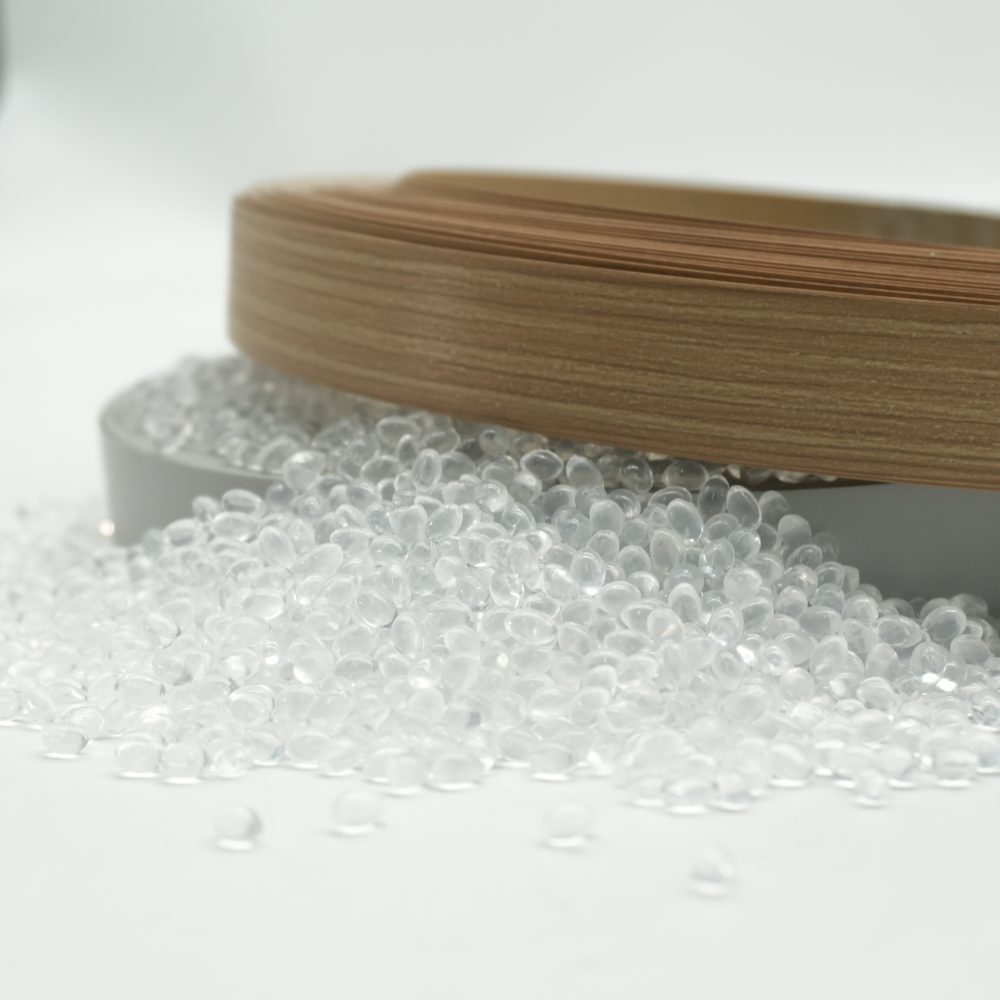
Edge banding ub30 is available as a PVC edge banding solution for common furniture-board applications.
PVC is practical for manufacturers because it can be processed on automatic and semi-automatic edge banding equipment and is available in a broad range of thicknesses, widths, colors and surface treatments.
Depending on the project, edge banding ub30 can be considered for:
- MDF panels
- Particleboard
- Melamine-faced boards
- Cabinet components
- Wardrobe panels
- Kitchen furniture
- Office furniture
- Retail fixtures
- Custom interior furniture
The final specification should always be selected according to the board construction and customer’s processing equipment.
Matching the Panel at the Point of Purchase
For professional buyers, the edge banding decision often begins before production.
A purchasing team may already know the panel reference but still need an edge that can be sourced in the required dimensions and quantity.
Instead of treating the reference as a simple color number, LUYAO can evaluate the actual panel information supplied by the customer.
Useful reference materials include:
Panel Sample
The most direct way to evaluate color and surface characteristics.
Manufacturer Reference
Useful when the customer is working with a recognized decorative board collection.
Color Code
Provides an initial reference for development.
Photographs
Helpful when a physical sample cannot be provided immediately.
Existing Edge Sample
Can be used as a comparison reference during development.
The more complete the reference information, the easier it is to establish a practical matching target.
One Specification, Multiple Furniture Components
A furniture collection may use the same decorative board across many different components.
For example, one panel design may appear on:
- Door fronts
- Drawer fronts
- Cabinet sides
- Shelves
- Vertical panels
- Decorative inserts
These components can have different dimensions and machining requirements.
The edge banding specification should therefore be chosen according to the component rather than simply the panel name.
For edge banding ub30 projects, customers can discuss different widths and thicknesses according to their production requirements while maintaining the same overall decorative direction.
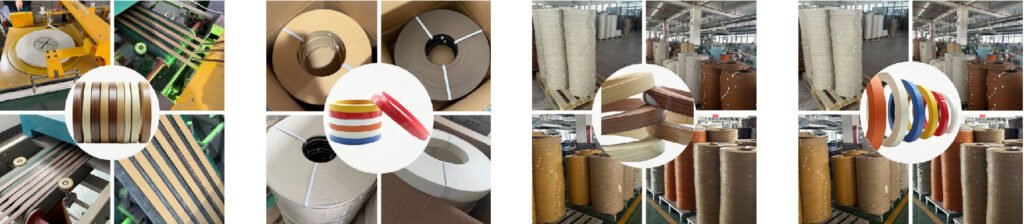
Dimensions That Follow Your Production Line
There is no single edge banding size suitable for every furniture factory.
A narrow component may require a relatively narrow strip, while a larger panel can require a wider edge to provide sufficient coverage during processing.
LUYAO supplies standard and customized dimensions for project requirements.
| Specification | Typical Range |
|---|---|
| Material | PVC |
| Thickness | 0.4–3.0 mm |
| Width | 9–120 mm |
| Color | Custom matching |
| Surface | Smooth / textured options |
| Finish | Project dependent |
| Packaging | Standard / OEM |
| Sample | Available |
For automatic production, the final dimensions should be confirmed with the machine setup and board thickness before ordering.
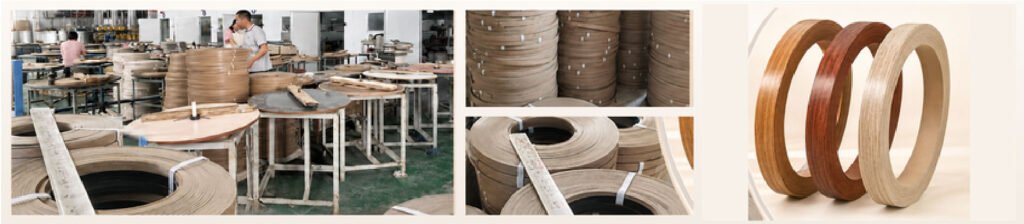
A Cleaner Edge Starts With Correct Processing
Edge banding performance cannot be separated from the machining process.
Even when the material is correctly selected, the final appearance can change because of:
- Cutter sharpness
- Feed speed
- Trimming pressure
- Machine temperature
- Adhesive application
- Panel surface condition
- Workshop environment
For this reason, sample testing is an important step before large-volume production.
A properly selected edge banding ub30 specification should be tested under the customer’s actual processing conditions whenever possible.
This provides a much more realistic evaluation than judging an unused strip by appearance alone.
Protecting the Exposed Board Core
One of the fundamental purposes of edge banding is to cover and protect the exposed edge of a furniture panel.
Once a board is cut, its internal structure is exposed to the surrounding environment and to everyday handling.
A properly applied edge can provide:
- A finished visual boundary
- Coverage of the board core
- Improved resistance to routine handling
- A more complete furniture appearance
- A smoother transition between panel components
This makes edge banding both a decorative and functional component of furniture construction.
UB30 for Modern Cabinet and Furniture Designs
The matching solution can be used across furniture styles where coordinated panel edges are important.
Kitchen Cabinets
Use edge banding ub30 on cabinet doors, side panels, drawer fronts and other exposed board edges where consistent finishing is required.
Wardrobes
For tall doors and side panels, coordinated edging helps maintain a consistent appearance across larger furniture surfaces.
Office Furniture
Desks, storage units and cabinets can benefit from a matching edge treatment that follows the selected decorative board.
Retail Furniture
Display counters, shelving and fixtures often require consistent edges because customers view the furniture from multiple directions.
Residential Storage
Shelving, cabinets and built-in storage can use coordinated edging to create a more complete finished appearance.
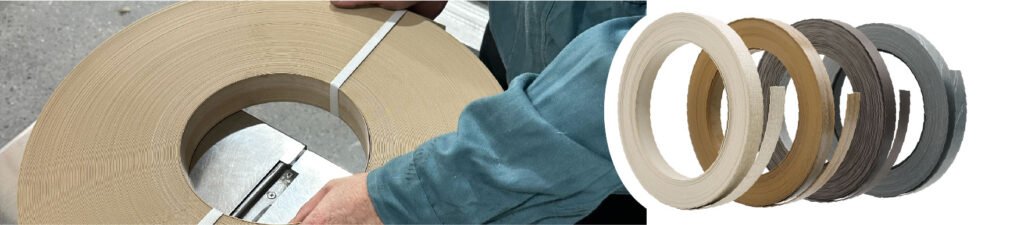
Developing a Match From the Customer’s Reference
A customized edge banding ub30 project can start with a relatively simple request.
The customer provides the panel reference.
LUYAO evaluates the visual characteristics and confirms the required specifications.
A development sample is then prepared for comparison.
The customer checks the sample against the actual panel.
After approval, the confirmed specification becomes the production reference.
This process creates a clear link between the customer’s decorative-board requirement and the manufactured edge banding.
What Makes a Good Matching Sample?
A sample should answer more than one question.
The customer should be able to evaluate:
Appearance
Does the edge sit naturally beside the panel?
Surface
Is the texture or finish visually compatible?
Processing
Does it run properly on the customer’s equipment?
Trimming
Is the finished edge suitable after machining?
Adhesion
Does the application method provide the required bond?
Repeatability
Can the specification be reproduced for future orders?
This is why sample approval is especially useful for new decorative references.
Production Control for Repeat Orders
The first shipment is only one part of a B2B supply relationship.
Furniture manufacturers may continue producing the same collection for months or years. Distributors may need to reorder the same reference for different customers.
Consistency therefore becomes an important purchasing consideration.
For repeat edge banding ub30 orders, the approved sample and confirmed product specification can serve as a reference for production.
Quality checks can focus on:
- Material consistency
- Thickness
- Width
- Surface appearance
- Color consistency
- Roll condition
- Packaging
- Order specifications
The purpose is to make subsequent orders easier to manage and less dependent on repeated visual interpretation.
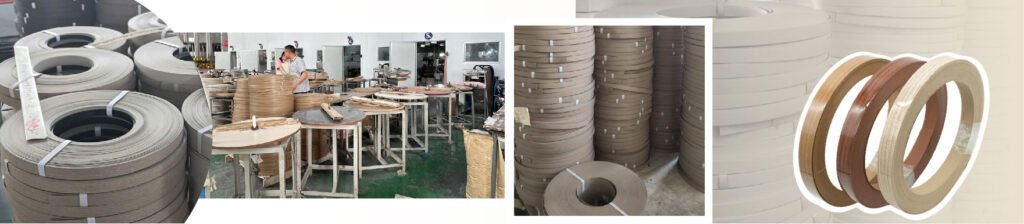
Custom Color and Surface Development
Not every decorative panel can be covered by an existing stock color.
For projects requiring a closer visual relationship, LUYAO can work from customer-supplied references to develop a customized edge.
Depending on the project, development may involve:
- Base color adjustment
- Surface treatment
- Texture selection
- Gloss adjustment
- Width selection
- Thickness selection
- Packaging specification
The final result should always be judged against the customer’s actual reference panel.
Rather than promising an unrealistic “100% identical” appearance, the practical goal is to produce an edge that coordinates convincingly with the target panel under normal furniture viewing conditions.
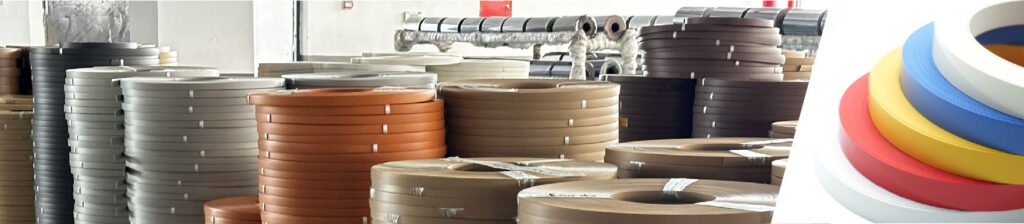
OEM Supply for Distributors
edge banding ub30 can also be developed as part of an OEM edge banding program.
This is particularly useful for distributors that sell decorative panels together with complementary furniture components.
Possible requirements include:
- Private-label packaging
- Custom product labels
- Custom colors
- Custom dimensions
- Product identification
- Repeat-order specifications
- Export packaging
A consistent product identity can make it easier for distributors to organize their own edge banding catalogues.
Direct Communication With the Manufacturer
Customized edge banding often involves several technical details that are difficult to communicate through a generic product listing.
Direct manufacturer communication allows buyers to discuss the actual project before production.
For example:
Customer:
“I need an edge for this decorative panel.”
LUYAO:
“What is the panel thickness, required width, application method and target quantity?”
Customer:
“Here is the panel reference and sample.”
LUYAO:
“We can evaluate the surface and develop a matching sample.”
This simple exchange can prevent specification mistakes before the order reaches production.

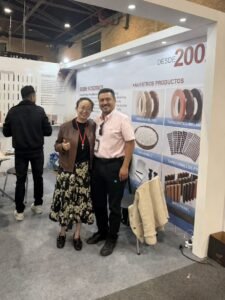
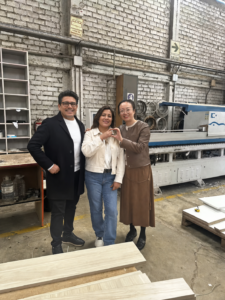
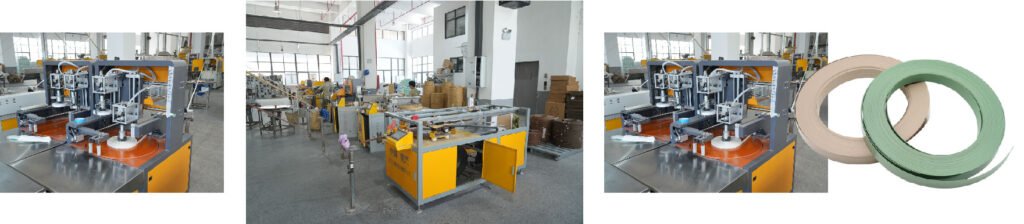
Manufacturing Capacity for International B2B Orders
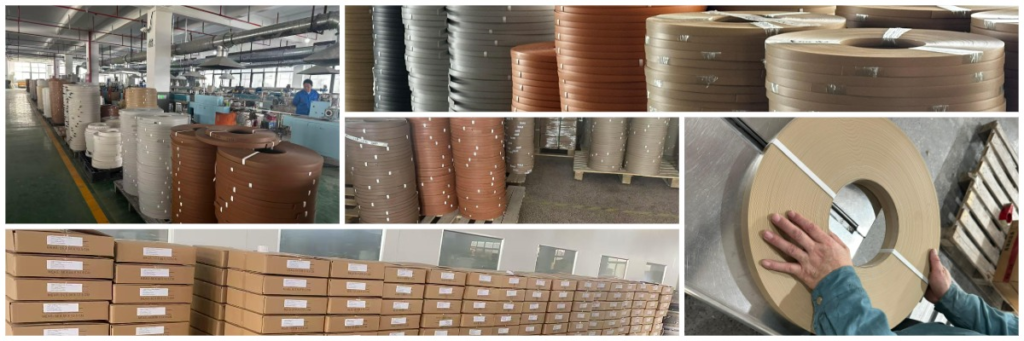
LUYAO operates an approximately 100,000 m² manufacturing facility with around 300 production employees, supported by a 3-person QC team and a 30-person sales/export team.
This structure supports the needs of customers who require more than occasional small purchases.
For international buyers, supply coordination can include:
- Product development
- Sample approval
- Production scheduling
- Quality inspection
- Roll packaging
- OEM requirements
- Export documentation
- Shipment coordination
The aim is to connect product development with a repeatable supply process.
From Reference to Container Shipment
A customized UB30 order can be organized through a simple B2B workflow:
1 — Send the Reference
Provide a panel sample, color code or decorative-board information.
2 — Confirm the Specification
Discuss material, width, thickness and application.
3 — Review the Sample
Compare the sample with the actual panel.
4 — Approve the Product
Confirm the final matching and dimensions.
5 — Arrange Production
The approved specification is transferred to the production order.
6 — Inspect and Pack
The finished edge banding is checked and prepared for shipment.
7 — Repeat When Required
The approved reference can be used for subsequent purchasing.
This structure is particularly useful for distributors and manufacturers managing recurring furniture programs.
Why Sample Testing Matters for UB30
A photograph can show a color.
It cannot show how the material behaves during edge banding.
That difference matters.
A production sample allows buyers to evaluate the material using their own:
- Edge banding machine
- Adhesive system
- Board material
- Trimming equipment
- Production speed
- Workshop conditions
The result is a much more useful purchasing decision.
For new edge banding ub30 projects, sample testing before bulk production is therefore recommended.
MOQ and Customized Supply
Customized edge banding quantities depend on the selected material, color development, dimensions and production requirements.
Before placing an order, buyers can provide:
- UB30 reference
- Required material
- Width
- Thickness
- Quantity
- Packaging requirement
- Destination
LUYAO can then confirm the applicable MOQ, production schedule and shipping arrangement for the specific project.
For distributors, repeat manufacturers and OEM customers, the supply plan can also be discussed around future reorder requirements rather than treating every purchase as a separate development project.
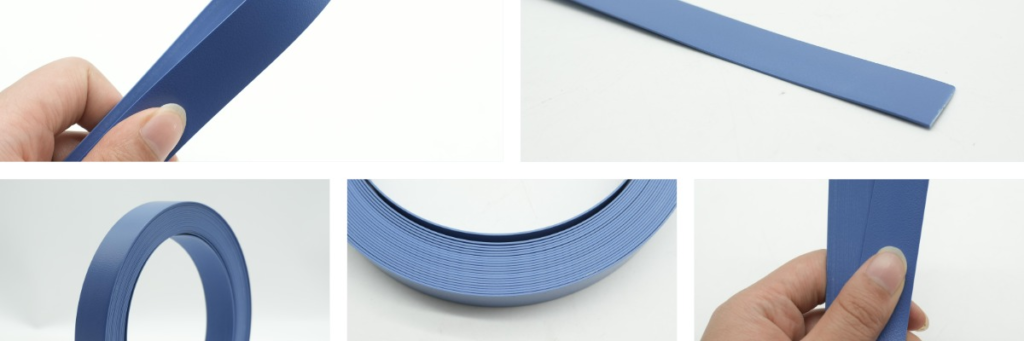
Frequently Asked Questions
What is Edge Banding UB30?
Edge banding UB30 is a custom PVC edging solution developed for furniture panels using a Cleaf Traccia-inspired decorative reference.
Is edge banding ub30 an original Cleaf product?
No. UB30 supplied by LUYAO is an independently manufactured matching solution and should not be represented as an original Cleaf product.
What material is used for edge banding ub30?
The matching solution described on this page uses PVC. The final material and specification should be confirmed according to the customer’s project.
Can I send a panel sample for matching?
Yes. A physical panel sample is one of the most useful references for developing a coordinated edge.
What widths are available?
Standard and customized widths can be discussed, with a typical supply range of 9–120 mm depending on the project.
Can thickness be customized?
Yes. Different furniture applications may require different thicknesses, and the suitable specification can be confirmed before sampling.
Can UB30 be used on MDF?
Yes. PVC edge banding is commonly used with MDF furniture panels, subject to the customer’s machine and adhesive system.
Can you provide OEM packaging?
Yes. OEM and private-label packaging can be discussed for qualified B2B orders.
Should I test the sample on my own machine?
Yes. Testing on the actual production equipment provides the most useful information about application, trimming and finished appearance.
Can I reorder the same UB30 specification?
Yes. Once a specification has been approved, it can be retained as the reference for future orders.
Request a UB30 Edge Banding Sample
Choosing an edge banding product should not stop at finding a similar color.
The better approach is to evaluate the panel, edge material and production process as one system.
If you are sourcing edge banding UB30 for a Cleaf Traccia-inspired furniture project, send your panel reference, color information or existing edge sample to LUYAO.
We can help you determine a suitable PVC specification, develop a matching sample and move the approved reference into regular production.
Parameter Table
| Attributes | Value |
|---|---|
| Brand | Cleaf |
| product | Pvc edge banding |
| PVC edge banding | |
| MOQ | 5000 meter |
| Adhesive Type | EVA hot melt glue, PUR hot melt glue |
| Certifications | MSDS, SGS |
| Performance | Eco Rating E0, Flexibility, Water Resistance |
| Application Method | automatic edge banding machine |
| Thickness | 0.4mm, 0.8mm, 1.0mm, 1.5mm, 2.0mm, 3.0mm, Customizable |
| Width | 12mm, 16mm, 18mm, 20mm, 22mm, 30mm, 40mm, 50mm, 60mm, 70mm, 80mm, 90mm, 9mm, Customizable |
| Lead Time | 20 days |
Reviews
Review

Natural texture, our end customers love the final appearance.