


Cleaf traccia edge banding ub29
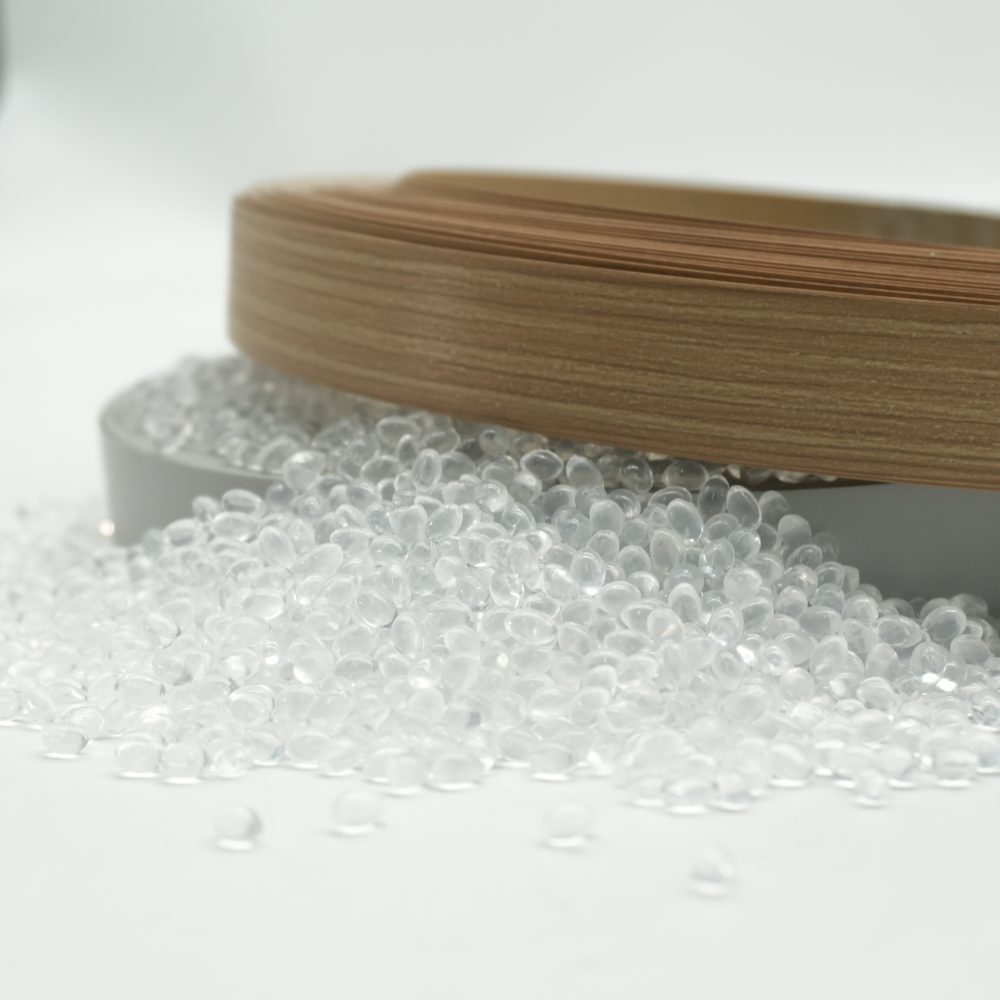
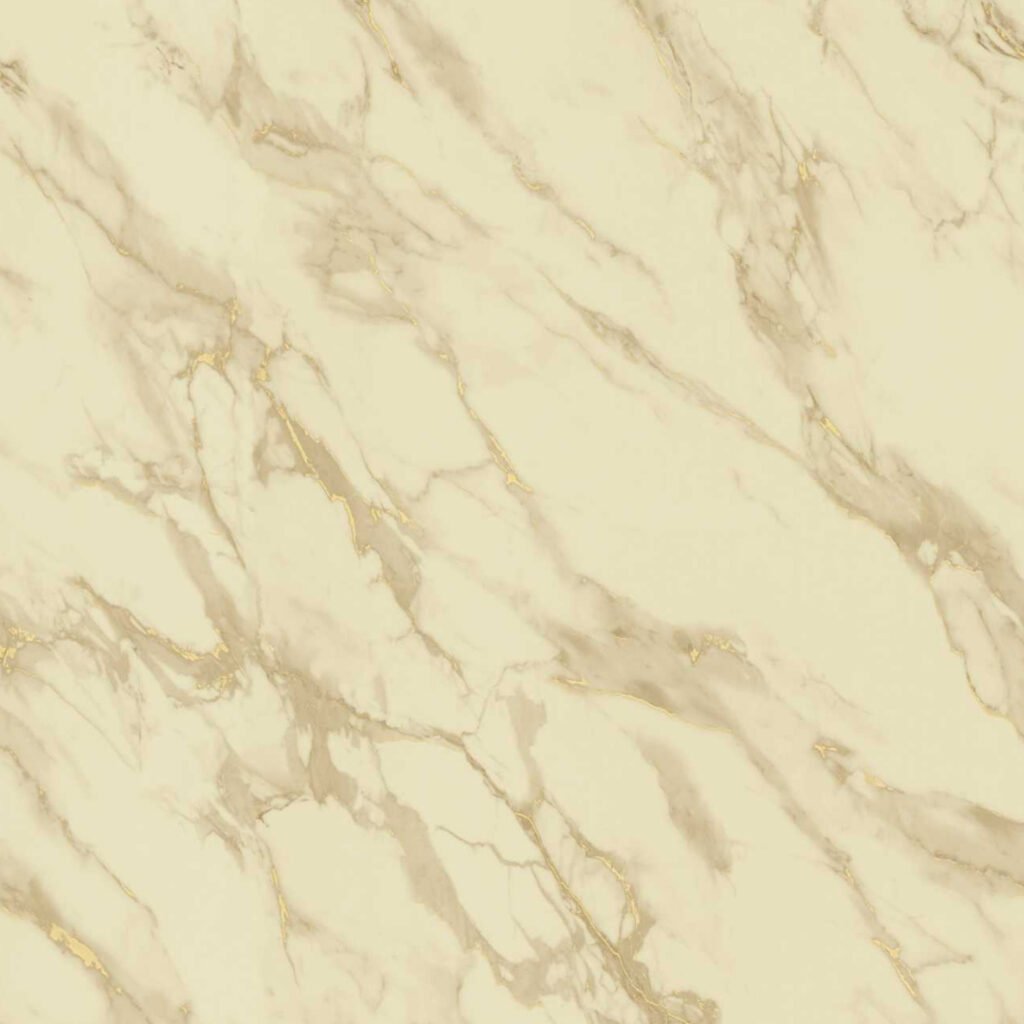
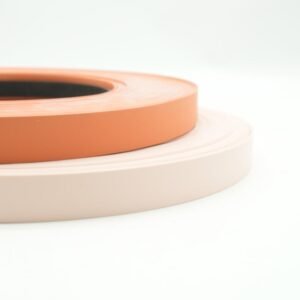
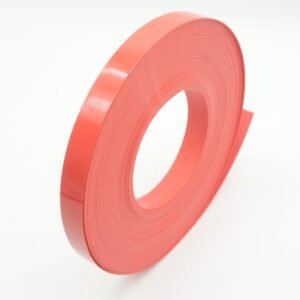
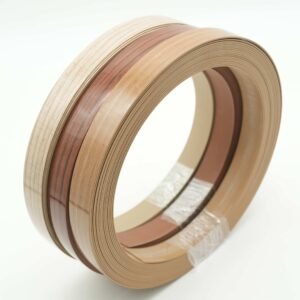
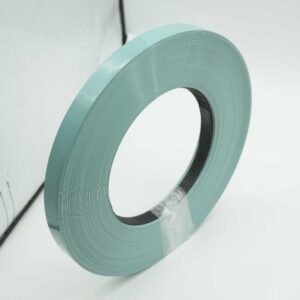
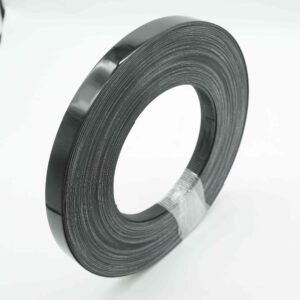
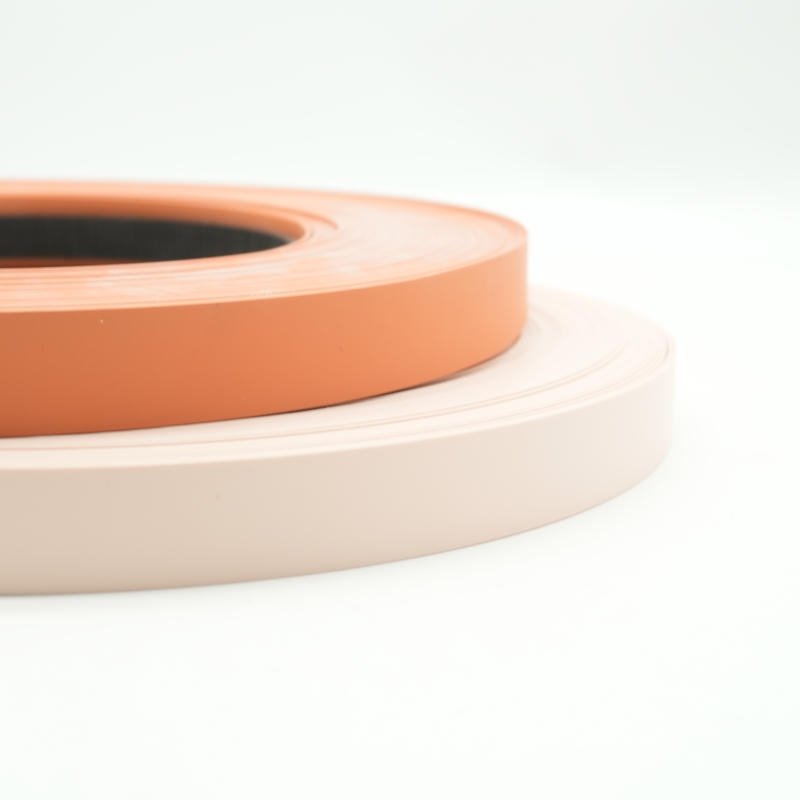
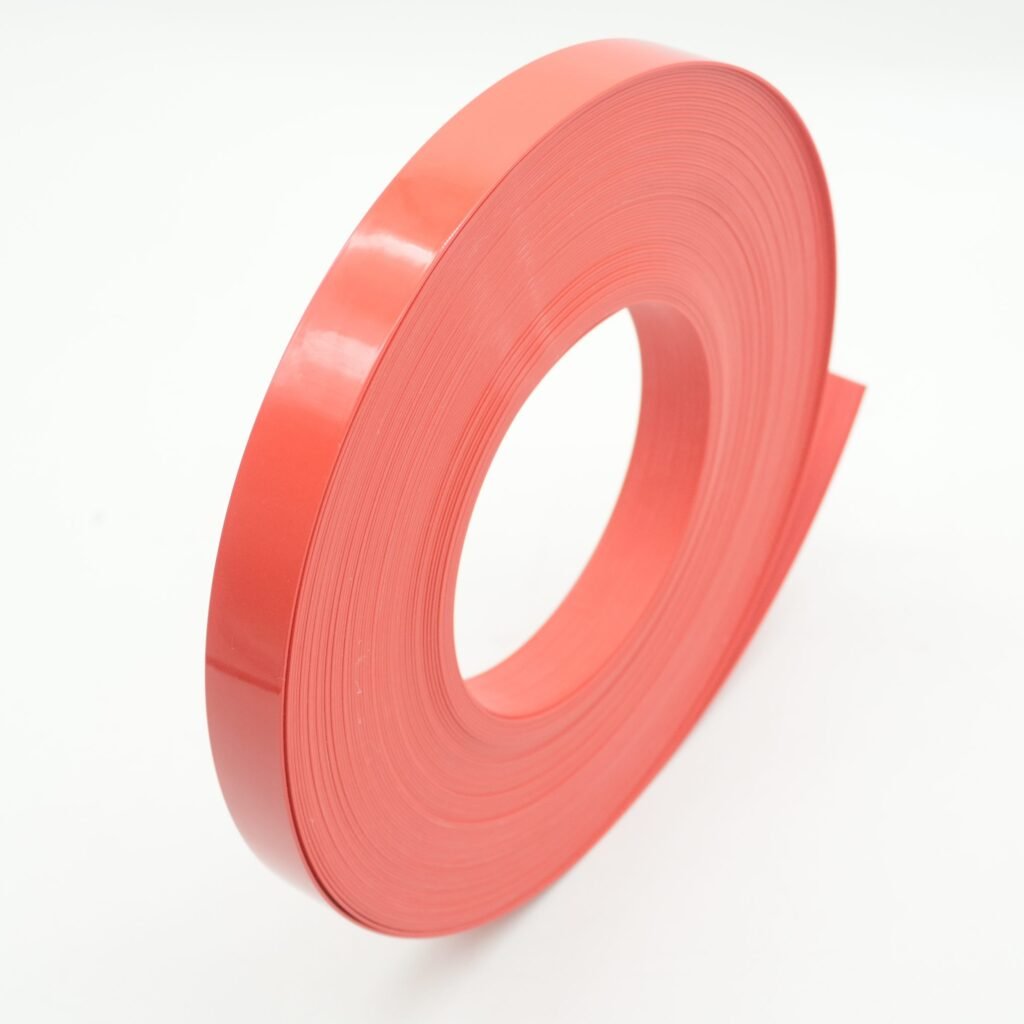
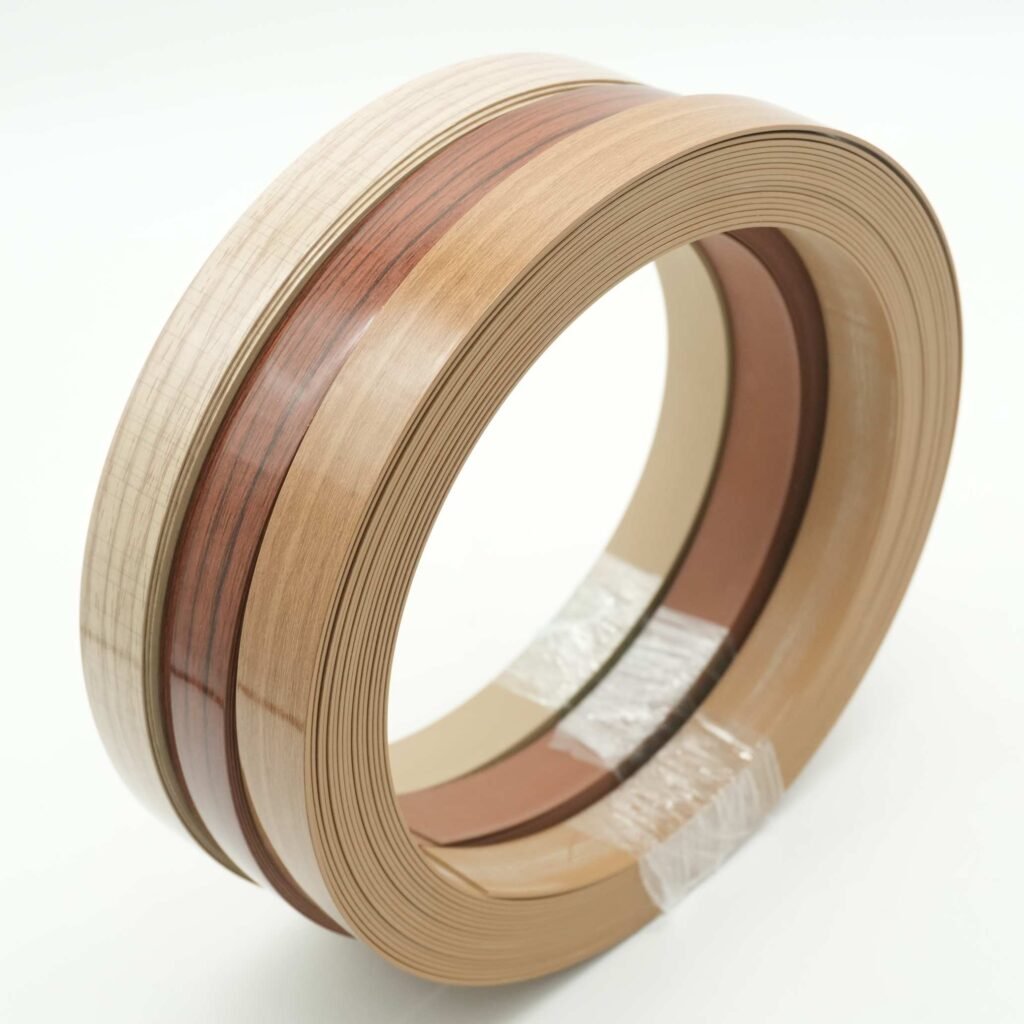
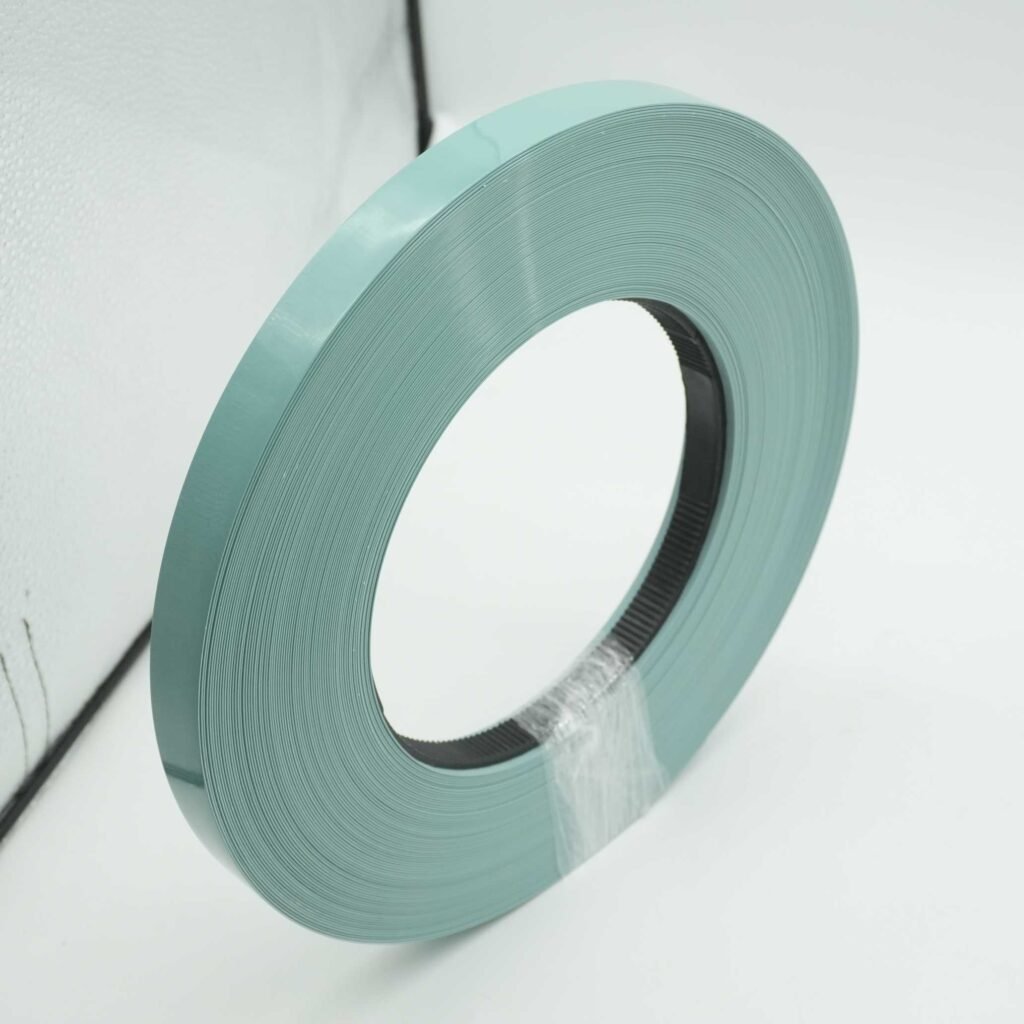
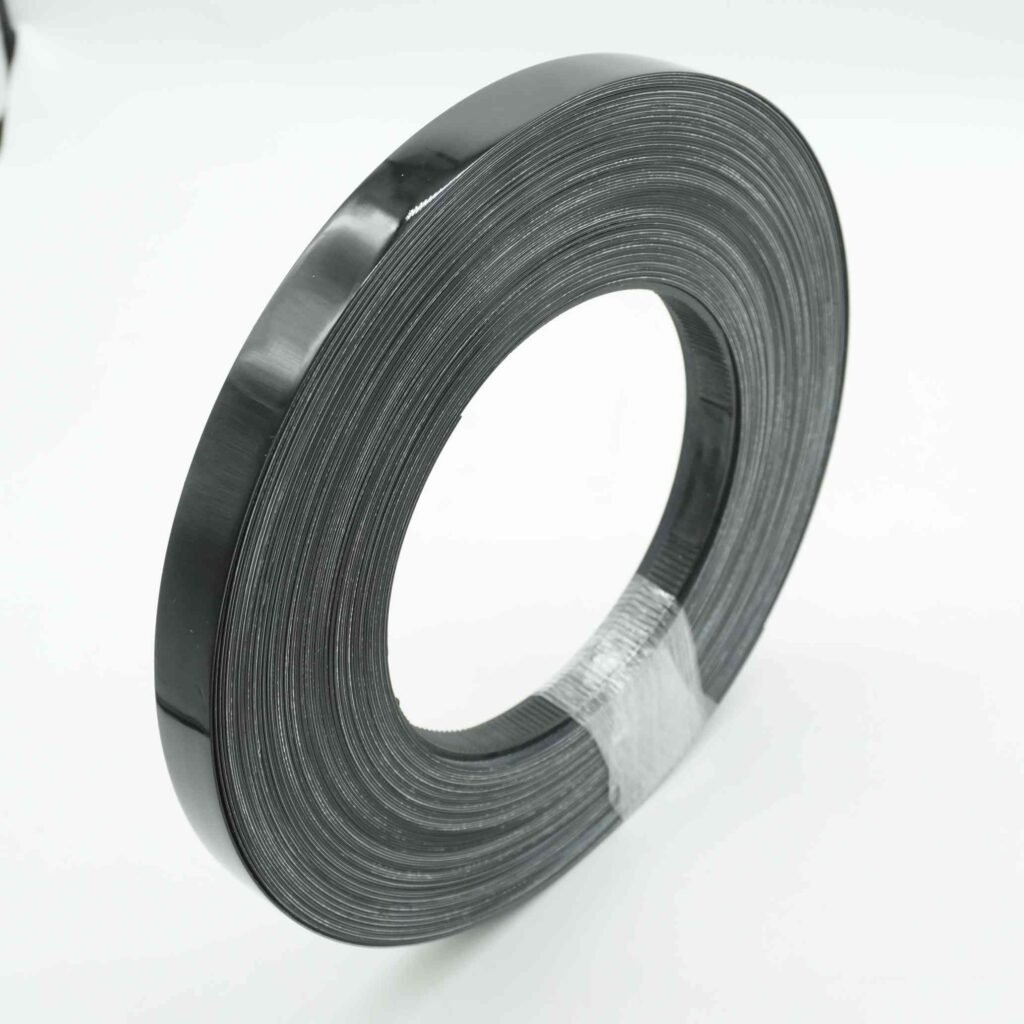
Edge banding UB29 is a PVC edging solution developed for furniture panels with a Cleaf Traccia-inspired decorative surface. It combines coordinated appearance, flexible dimensions and practical processing for cabinets, wardrobes, shelving, office furniture and interior projects.
Note: All our samples are shipped the same day. The samples are free, but the express shipping charges are the buyer’s responsibility. Once the order is confirmed, these charges can be reimbursed from the order total.
Payment & Security

Cleaf traccia edge banding ub29
Cleaf Traccia edge banding UB29 is developed as a coordinated PVC edging solution for furniture manufacturers, interior suppliers and distributors working with Traccia-inspired decorative panels.
The focus is simple: make the transition between the board face and the exposed edge feel intentional.

Turning a Cut Board Into a Finished Component
Before edge banding is applied, a furniture board is essentially a semi-finished component.
The cutting process exposes the internal core. Even when the decorative face looks refined, the unfinished edge immediately changes the appearance of the part.
Edge banding restores that visual continuity.
For edge banding ub29 applications, the edge can be selected to work with the overall character of the panel rather than being treated as an independent accessory.
This is especially important for furniture where the edge remains visible from several angles.
Examples include:
- Open shelving
- Freestanding cabinets
- Wardrobe doors
- Kitchen panels
- Side panels
- Drawer fronts
- Office storage
- Reception furniture
Why Edge Continuity Matters
A furniture panel has three visual areas:
The front surface
The primary decorative area customers notice first.
The board core
Normally hidden, but exposed after cutting.
The finished edge
The transition that connects the two.
When the edge color, texture or reflection is noticeably different from the front, the eye naturally identifies the boundary.
A coordinated edge reduces this visual interruption.
With edge banding UB29, the goal is not to make the edge disappear completely. Instead, it is to make the edge look like a deliberate part of the furniture design.
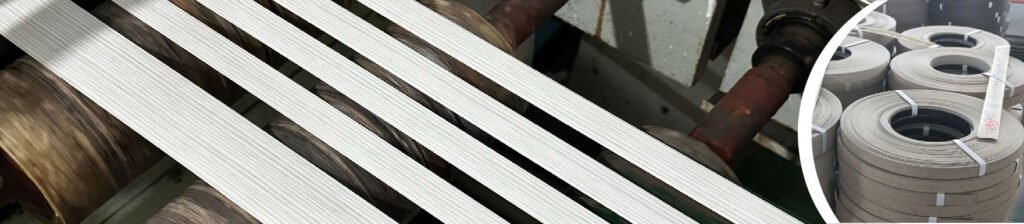
UB29 for Panels With a Strong Decorative Identity
Some furniture surfaces are visually quiet.
Others are defined by their texture, tonal variation or material-inspired appearance.
The stronger the identity of the decorative panel, the more important the edge selection becomes.
A suitable UB29 matching solution can be developed by considering:
- Dominant surface tone
- Secondary color characteristics
- Texture impression
- Surface reflection
- Visual depth
- Furniture style
- Edge exposure
This makes the matching process more relevant to the final product rather than just the raw material.
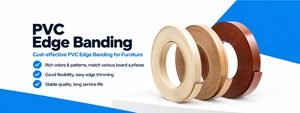


PVC Edge With Flexible Design Possibilities
PVC provides manufacturers with considerable flexibility when developing decorative edging.
Depending on the project, the material can be supplied in different:
- Thicknesses
- Widths
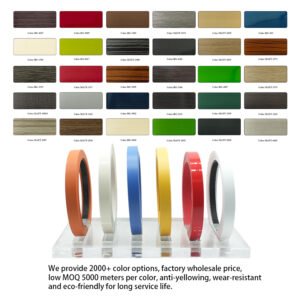
- Colors
- Surface finishes
- Texture directions
- Packaging formats
Typical dimensions may range from 0.4–3.0 mm in thickness and 9–120 mm in width, with the final specification confirmed according to the application.
For a furniture factory, this flexibility means the same decorative reference can be adapted to different board components without being restricted to one fixed edge size.

Choosing edge banding ub29 for Different Board Structures
The correct edge specification depends partly on the board underneath it.
MDF
MDF provides a relatively uniform core and is widely used for doors, cabinets and furniture panels. edge banding ub29 can be selected according to panel thickness and machining requirements.
Particleboard
Particleboard furniture components can also use PVC edging to cover exposed board edges and create a finished appearance.
Melamine-Faced Panels
When a decorative melamine surface is used, the edge becomes particularly important because the board face already has a defined decorative appearance.
Composite Furniture Panels
For customized furniture systems, edge width and thickness can be selected according to the component dimensions and manufacturing process.
The edge should always be tested with the actual board before bulk production.
The Touch of the Finished Edge
Furniture is not only seen.
People touch cabinet doors, open drawers, move across shelves and interact with desks and counters every day.
That makes edge treatment relevant to the physical experience of the furniture.
A properly applied edge should create a continuous transition without becoming visually or physically distracting.
Factors such as edge thickness, trimming quality and application conditions all influence the final result.
For this reason, edge banding ub29 should be evaluated after application, rather than judging the raw strip alone.


From Flat Panel to Three-Dimensional Furniture
A decorative panel may look consistent when viewed flat.
Furniture changes that perspective.
Once panels are assembled at right angles, edges can become visible around corners, openings and joints.
This is where a coordinated edge can make a noticeable difference.
Consider a wardrobe:
- The front door shows the decorative surface.
- The side panel exposes another edge.
- The top panel creates additional visible transitions.
- The internal shelves may expose their own cut edges.
Using a coordinated edging specification helps these individual components read as part of the same furniture system.
Edge banding ub29 for Furniture Designers and Manufacturers
For designers, edge banding can be considered during the material-selection stage rather than after the panel has already been specified.
This allows the decorative concept to be evaluated as a complete furniture assembly.
For manufacturers, it provides another practical advantage: the selected edge can become part of the bill of materials and production specification.
For example:
Panel Reference → Edge Reference → Thickness → Width → Application Method → Packaging
Once these details are confirmed, the edge can be incorporated into regular production planning.
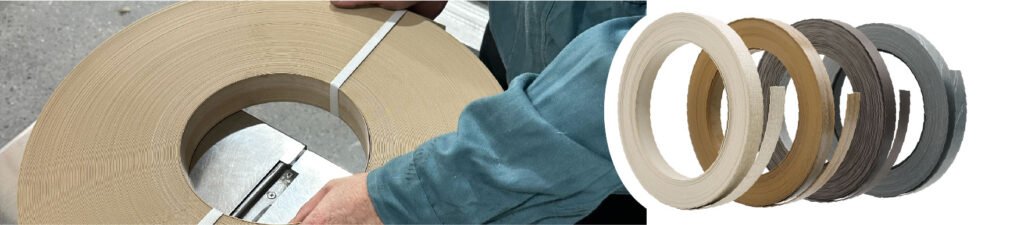
A Different Way to Evaluate a Matching Edge
Instead of asking only:
“Does the color look similar?”
A more useful evaluation is:
Does the edge support the overall furniture design?
Check the panel and edge together from different viewing distances.
Then examine:
- Direct light
- Side lighting
- Natural daylight
- Close-up viewing
- Finished corners
- Trimmed areas
- Large continuous panels
A color may look convincing in a small sample but behave differently when applied across a large furniture component.
That is why physical sampling remains important for decorative edge projects.
Custom Development for UB29
Existing colors are useful when they are already close to the customer’s reference.
However, some projects require additional development.
Customers can provide:
- Decorative board samples
- Color references
- Manufacturer references
- Existing edge samples
- Surface photographs
- Desired dimensions
The development team can then establish a matching direction based on the supplied reference.
For textured surfaces, the evaluation should include both color and surface character.
The final sample becomes the practical benchmark for approval.
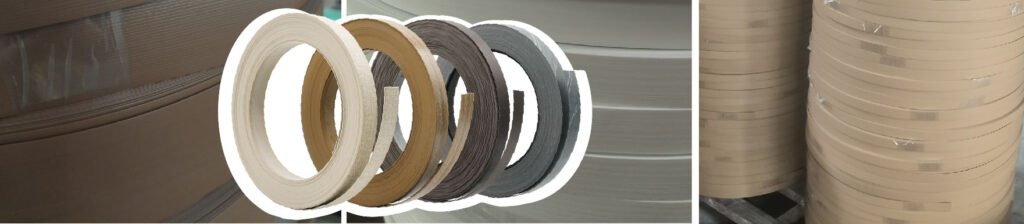
When the Edge Needs to Work With the Machine
A visually attractive edge is not enough for a furniture factory.
It also has to fit the manufacturing process.
Before confirming a production specification, consider:
- Machine type
- Glue system
- Panel thickness
- Edge thickness
- Edge width
- Feed speed
- Trimming method
- Cutter condition
These factors can influence the final appearance.
For automatic edge banding production, a trial run can reveal issues that are impossible to identify from a color comparison alone.
Applications Beyond Standard Cabinets
Edge banding ub29 can be developed for a broad range of furniture and interior applications.
Kitchen Furniture
Cabinet doors, side panels, drawer fronts and exposed cabinet components.
Wardrobe Systems
Door panels, side boards, shelving and customized storage systems.
Living Room Furniture
TV units, shelving, sideboards and storage furniture.
Office Interiors
Desks, cabinets, meeting-room furniture and storage systems.
Hospitality Furniture
Hotel room furniture, reception counters and customized fixtures.
Retail Displays
Shelving, counters, product displays and branded interior structures.
The appropriate edge specification should be selected according to each project’s board and processing requirements.
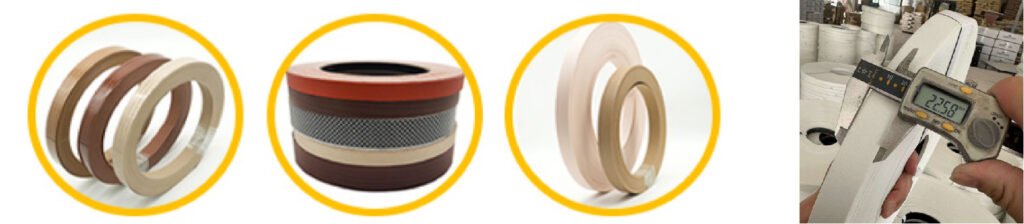
From Prototype to Production
For a new furniture collection, the edge banding process can begin during prototype development.
At this stage, designers and purchasing teams can evaluate the complete material combination:
Decorative Panel + Edge Banding + Hardware + Furniture Structure
If the edge banding ub29 sample works visually and technically, the same specification can then move into production.
This approach helps avoid changing the edge after the furniture has already entered mass production.
It also gives purchasing teams a confirmed reference for future orders.
Consistency Across a Furniture Collection
A furniture collection may contain several different products while using the same decorative panel reference.
A consistent edge specification helps connect those products visually.
For example, the same UB29 development can potentially be applied across:
- A wardrobe
- A bedside cabinet
- A TV cabinet
- A storage unit
- A desk
The furniture designs may be different, but the shared material language remains recognizable.
For manufacturers producing multiple models, this can simplify material management as well.
Supply Options for Professional Buyers
Different customers have different purchasing requirements.
A furniture factory may need regular bulk production.
A distributor may require multiple widths.
An interior contractor may need a project-specific quantity.
An OEM customer may require private-label packaging.
edge banding ub29 supply can therefore be discussed around the actual purchasing model, including:
- Standard specifications
- Custom dimensions
- Color development
- Sample approval
- OEM packaging
- Repeat production
- Export shipment
The final quotation can be prepared according to the confirmed material and order requirements.
LUYAO Manufacturing Support
LUYAO operates an approximately 100,000 m² production facility with around 300 production employees, supported by a 3-person QC team and a 30-person sales/export team.
For international furniture buyers, this manufacturing structure supports communication across product development, production and export coordination.
The process can include:
Product Discussion>>Reference Evaluation>>Sample Development>>Customer Approval>>Production>>Quality Inspection>>Packaging>>International Shipment
The advantage for B2B buyers is having one supply partner involved throughout the process instead of coordinating separate suppliers for development and production.
Confirm Your Edge Specification
OEM Edge Banding for Distributors
Distributors often need their edge banding products to fit into an existing product catalogue.
UB29 can be developed with requirements such as:
- Private-label packaging
- Custom labels
- Product codes
- Custom dimensions
- Matching color references
- Repeat-order specifications
For customers building a decorative-panel accessory range, this approach can make edge banding easier to organize and resell.
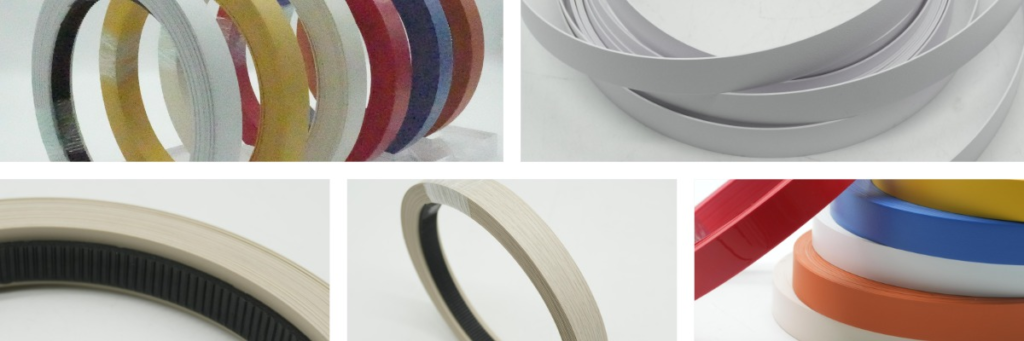
Sample Evaluation Before Bulk Purchase
A sample is the best way to answer practical questions before committing to a larger quantity.
For edge banding ub29, buyers can inspect the sample for:
Color relationship
Does it coordinate with the target panel?
Surface appearance
Does the finish look appropriate beside the board?
Application
Does it run properly on the intended equipment?
Trimming
Does the processed edge meet the required appearance?
Furniture effect
Does the complete component look coherent?
A sample therefore becomes more than a color reference. It is a small-scale production test.
International B2B Ordering
For customers outside the local market, edge banding purchasing involves more than product specifications.
The order may also require:
- Commercial quotation
- Packing information
- Production schedule
- Quality inspection
- Export documentation
- Shipment coordination
Customers can send their UB29 requirements together with the destination country and expected quantity so that the supply plan can be evaluated before production.
For repeat customers, the approved specification can remain as the reference for subsequent purchases.
Frequently Asked Questions
What is Cleaf Traccia Edge Banding UB29?
It is a custom edge banding solution developed for furniture panels using a Cleaf Traccia-inspired decorative reference, with PVC offered as the edging material for this solution.
Is edge banding ub29 manufactured by Cleaf?
No. LUYAO’s UB29 is an independently manufactured matching edge banding solution. It is developed for customers seeking a coordinated edge for their selected decorative panel.
Can UB29 be customized?
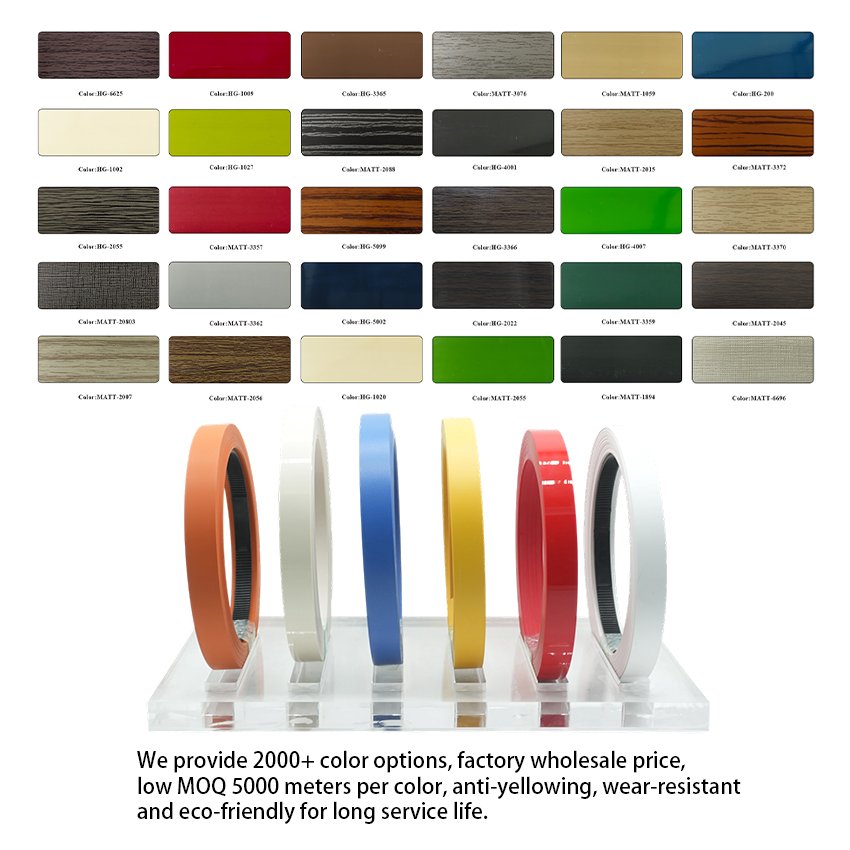
Yes. Customers can discuss customized color, surface appearance, width, thickness and packaging requirements.
What thicknesses are available?
Typical PVC edge banding thicknesses range from 0.4 to 3.0 mm, depending on the project.
What widths can I order?
Typical widths range from 9 to 120 mm, while the exact size should be confirmed according to the furniture component and machine.
Can I receive a physical sample?
Yes. Customers can provide a panel or reference sample for matching and evaluation before bulk production.
Can edge banding ub29 be used for kitchen cabinets?
Yes. It can be developed for kitchen cabinet components, provided the selected specification is suitable for the board and processing system.
Does the edge need to be tested on my machine?
Testing is recommended, especially for a new material or customized specification. Machine settings and processing conditions can influence the final result.
Can distributors request OEM packaging?
Yes. OEM and private-label packaging can be discussed according to order requirements.
Can the same UB29 specification be reordered?
Yes. After the product specification and sample have been approved, the confirmed reference can be used for future repeat orders.
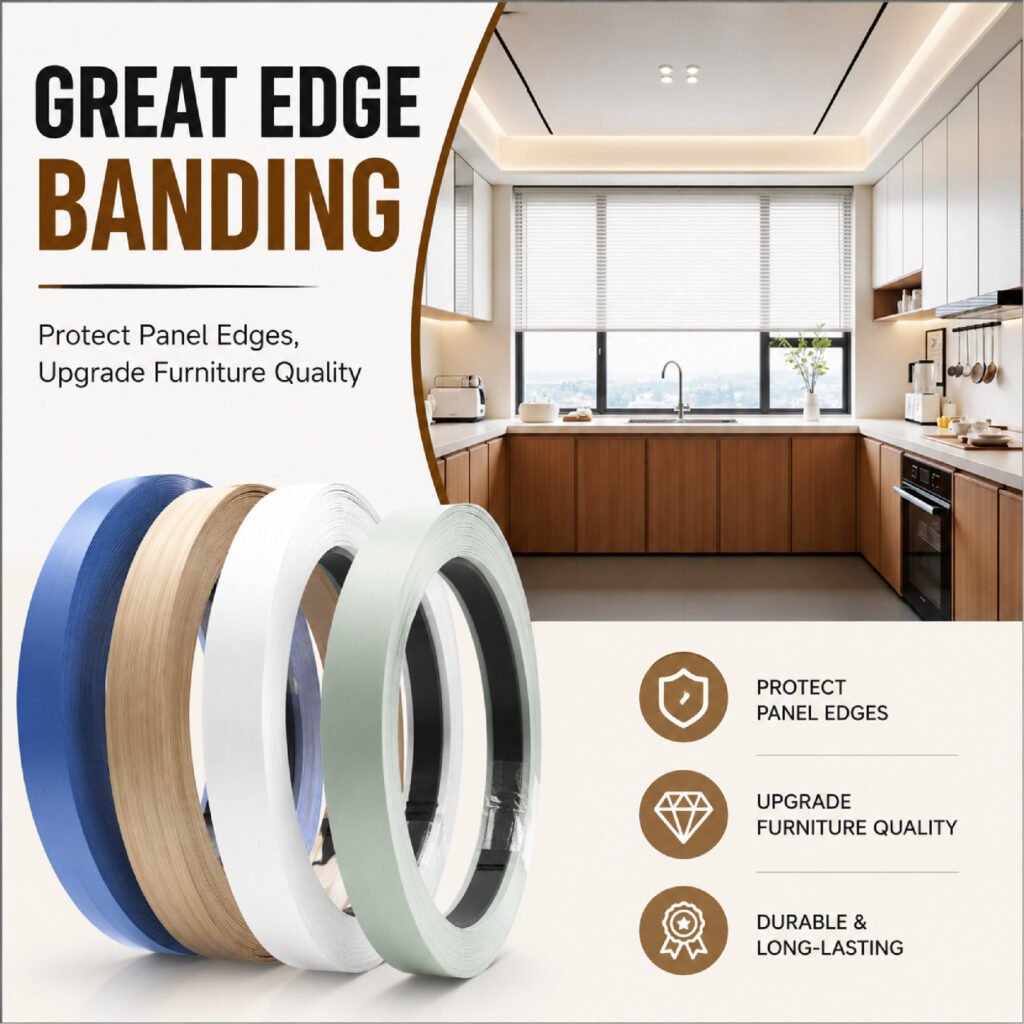
Build a Complete Edge Solution Around UB29
A decorative panel gives furniture its visual identity.
The edge determines how that identity continues around the board.
With edge banding UB29, LUYAO provides a customizable PVC solution for manufacturers and distributors looking to coordinate their furniture panels from surface to edge.
Whether the requirement is a single furniture collection, a distributor’s product range or a long-term OEM program, the process can begin with one simple step:
Send the panel reference.
From there, the matching direction, dimensions, sample and production requirements can be discussed before the bulk order is confirmed.
Parameter Table
| Attributes | Value |
|---|---|
| Brand | Cleaf |
| product | Pvc edge banding |
| PVC edge banding | |
| MOQ | 5000 meter |
| Thickness | 0.4mm, 0.8mm, 1.0mm, 1.5mm, 2.0mm, 3.0mm, Customizable |
| Width | 12mm, 16mm, 18mm, 20mm, 22mm, 30mm, 40mm, 50mm, 60mm, 70mm, 80mm, 90mm, 9mm, Customizable |
Reviews
Review

We have cooperated for two years, a reliable edge band supplier.