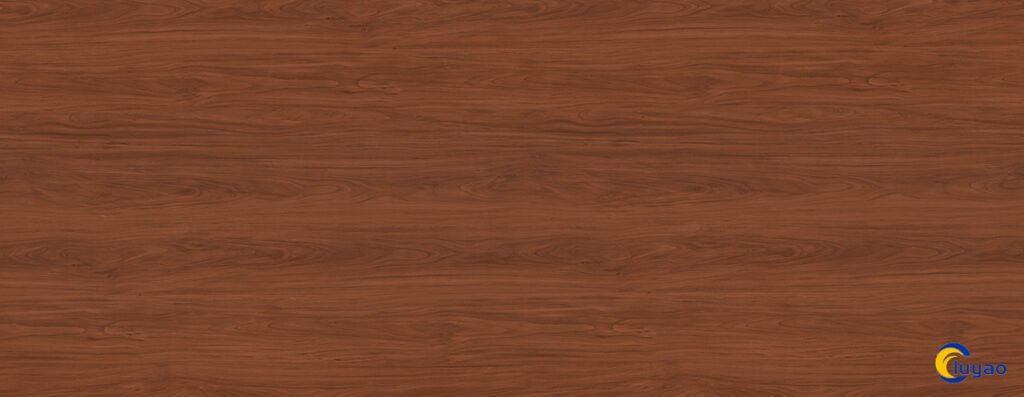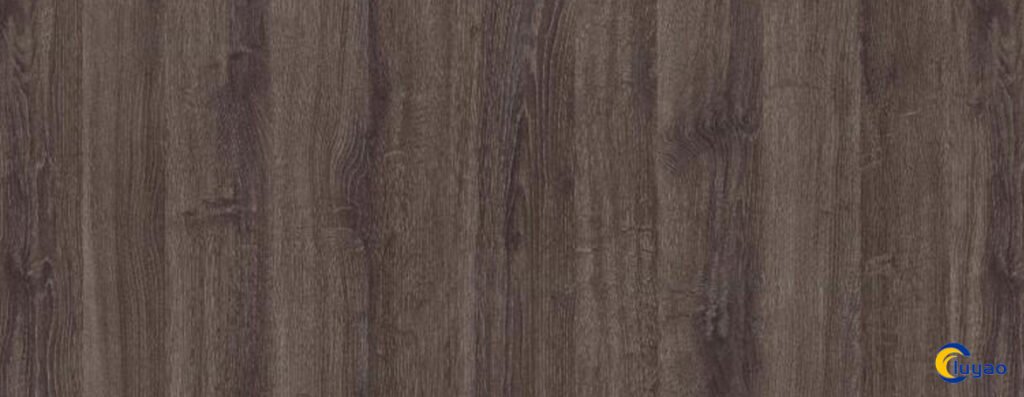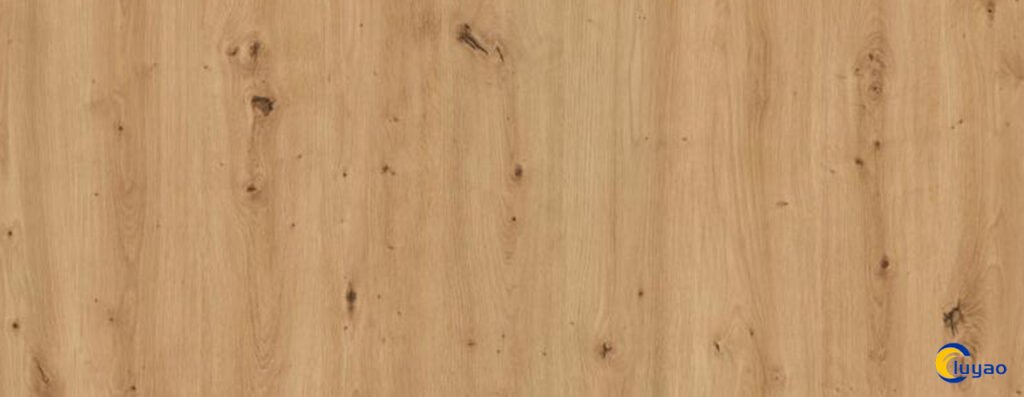


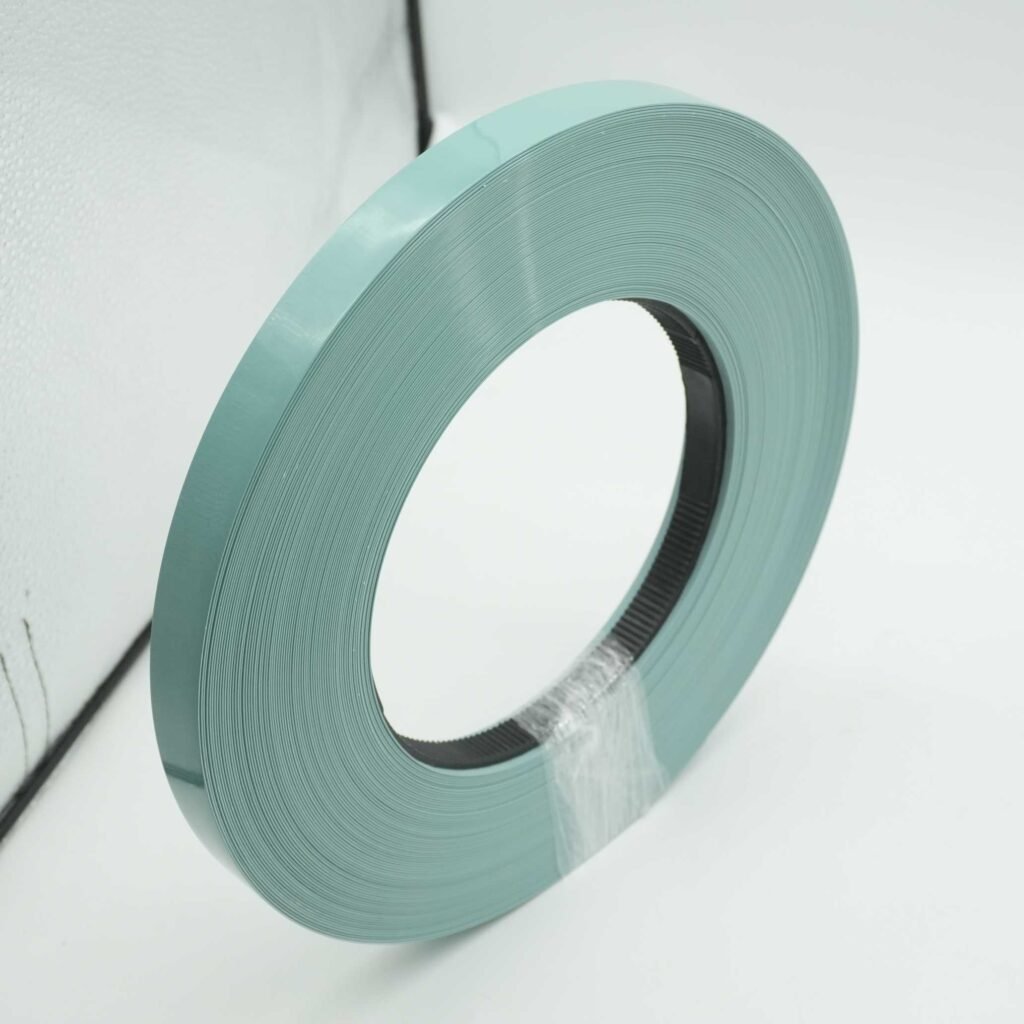
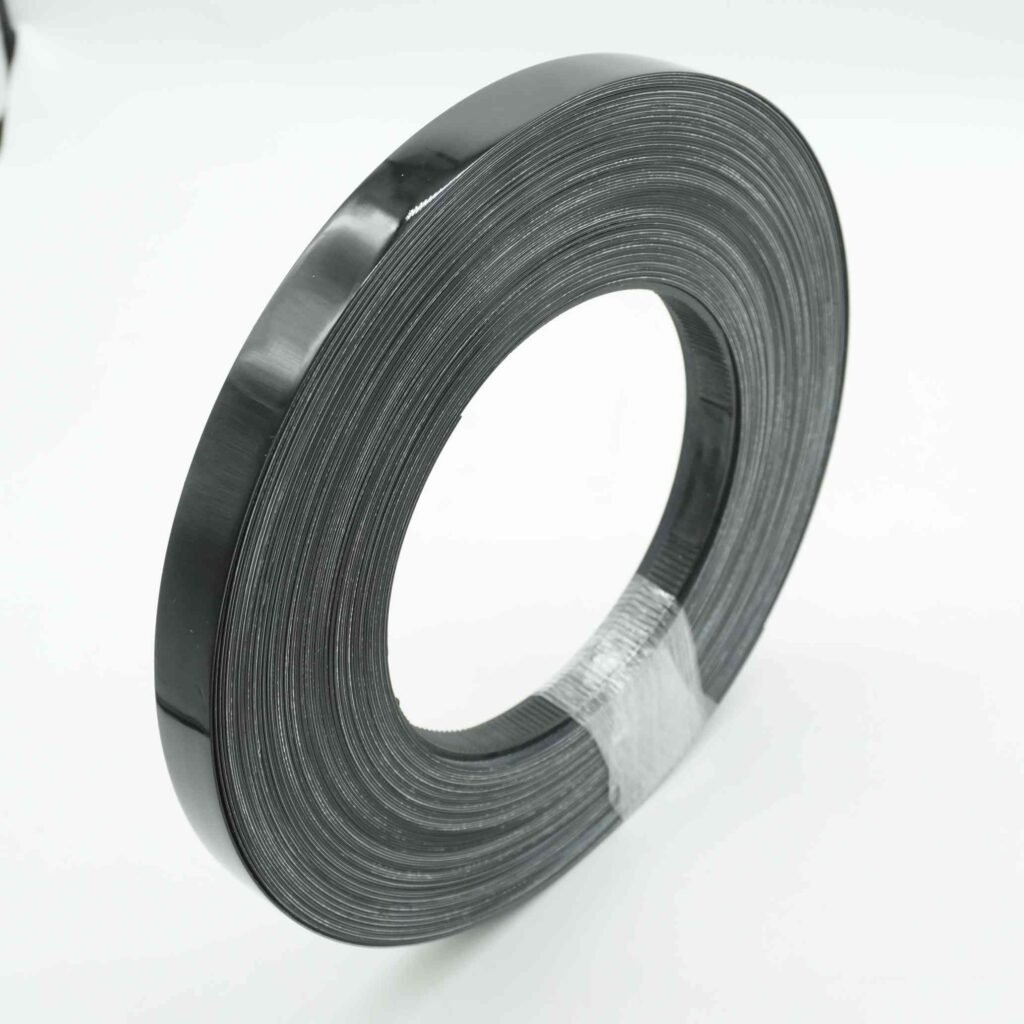
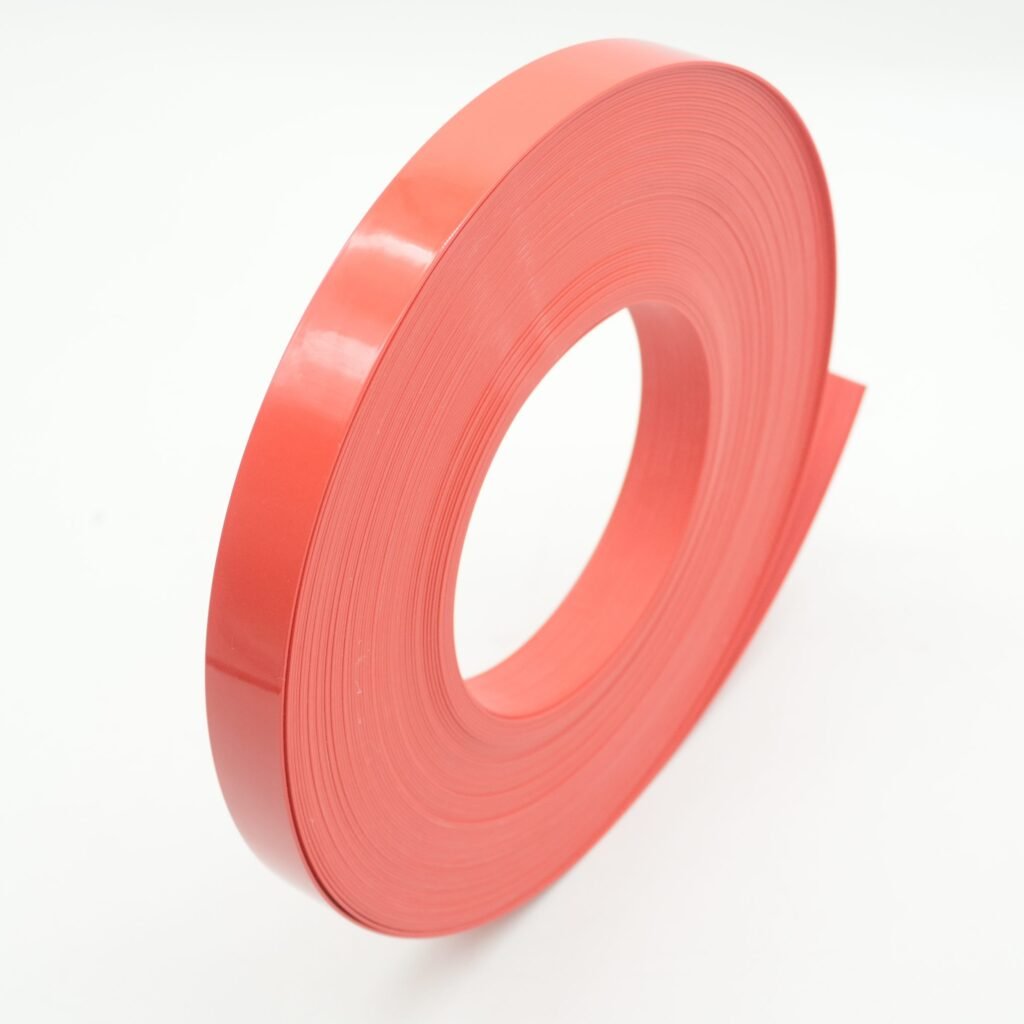
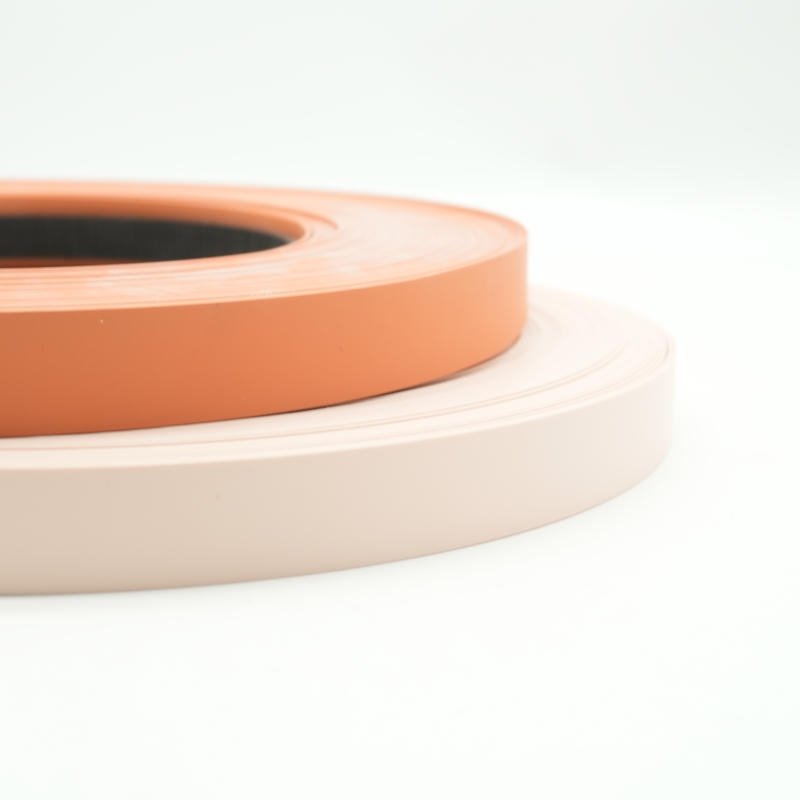
Cleaf traccia edge banding ub31
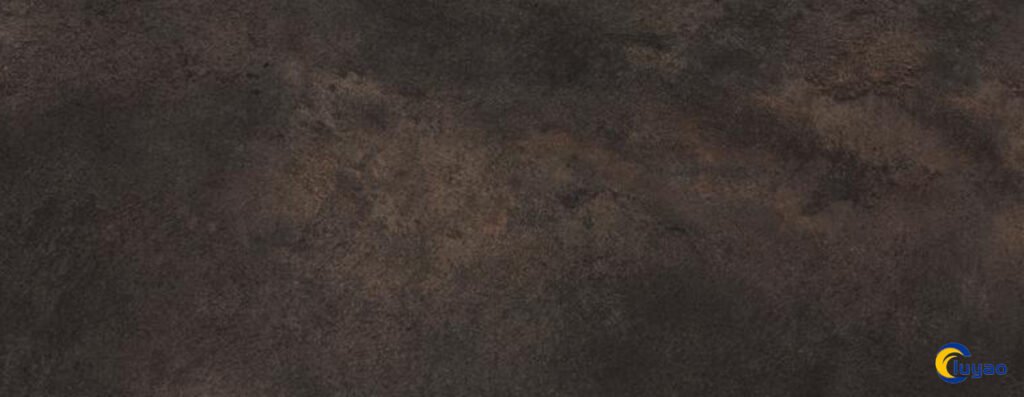
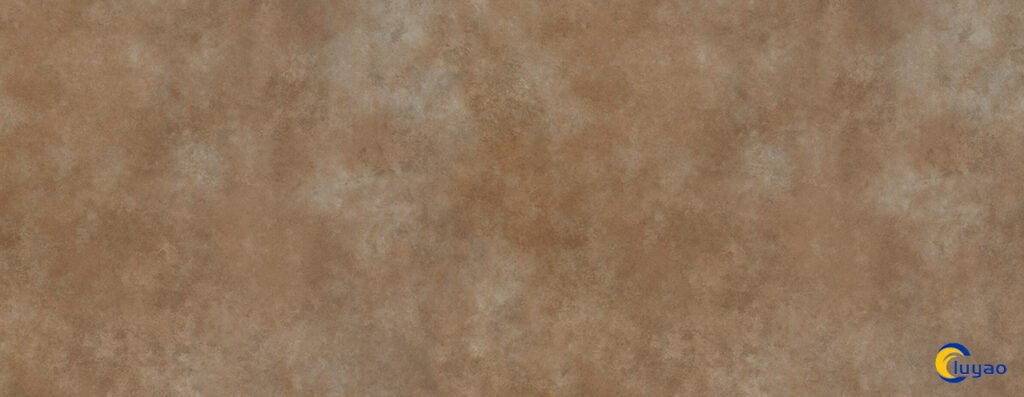
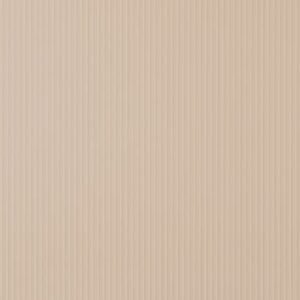
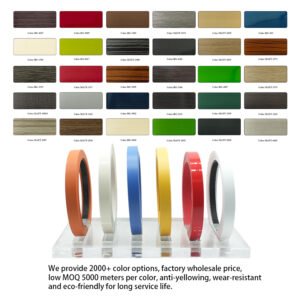
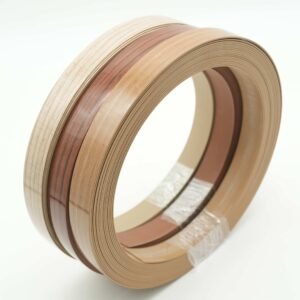
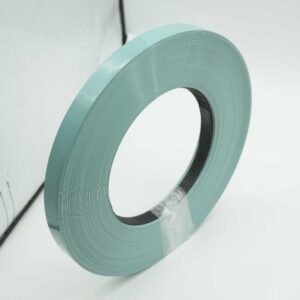
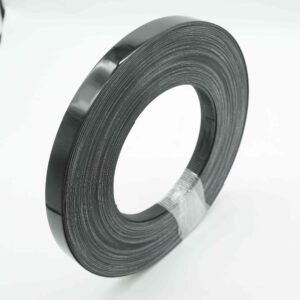
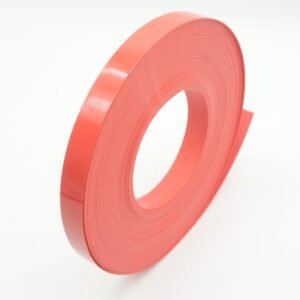
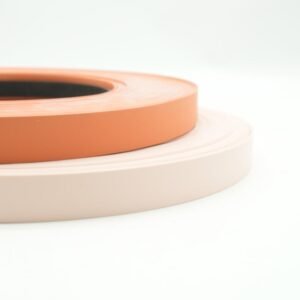
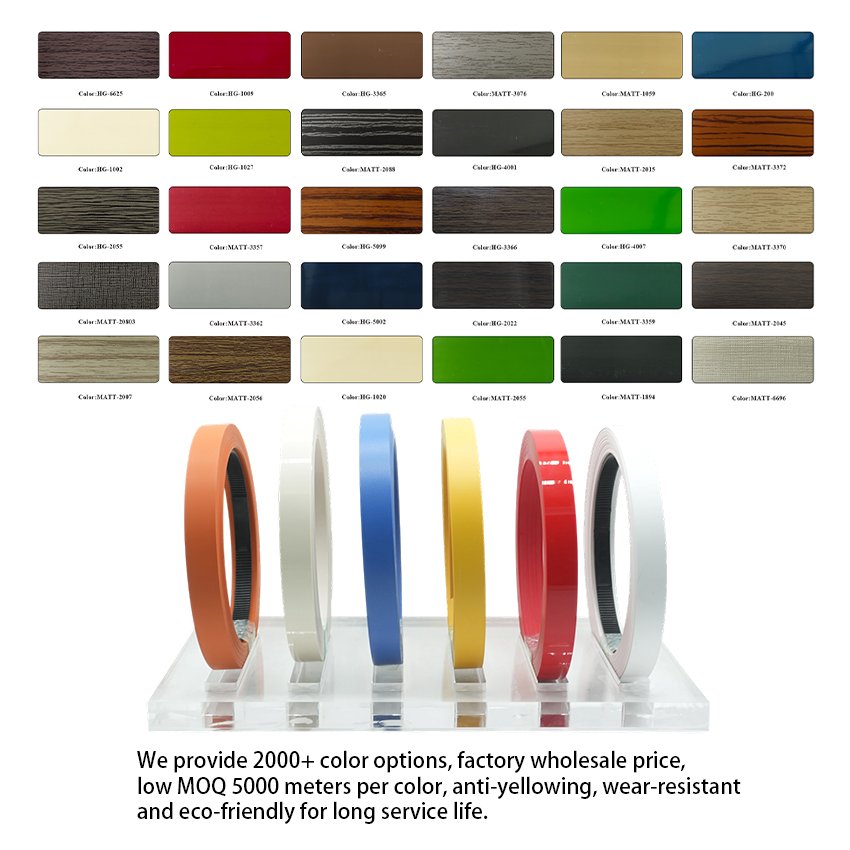
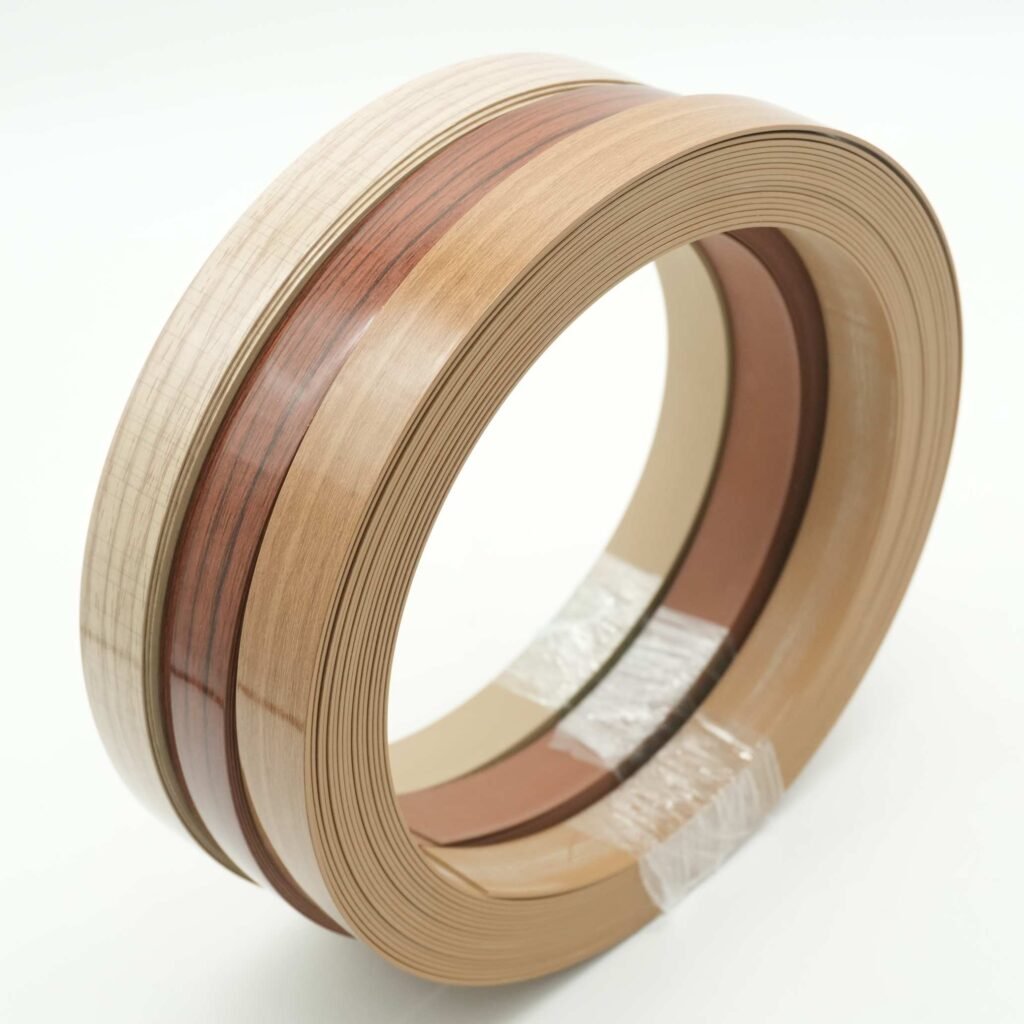
Edge banding UB31 is a custom PVC edging solution developed for furniture panels with a Cleaf Traccia-style surface. LUYAO provides coordinated color, texture and finish options, with custom dimensions, sample approval, OEM packaging and stable B2B production for furniture manufacturers, distributors and interior projects.
Note: All our samples are shipped the same day. The samples are free, but the express shipping charges are the buyer’s responsibility. Once the order is confirmed, these charges can be reimbursed from the order total.
Payment & Security

Cleaf traccia edge banding ub31
Cleaf Traccia edge banding UB31 is developed as a coordinated PVC edging solution for furniture manufacturers, cabinet producers, interior contractors and distributors who need a consistent edge treatment for Traccia-inspired decorative panels.
Rather than treating edge banding as a simple protective strip, LUYAO approaches UB31 as part of the overall furniture finish. Color, surface character, gloss level, thickness and processing behavior are considered together so the finished edge can integrate naturally with the panel.
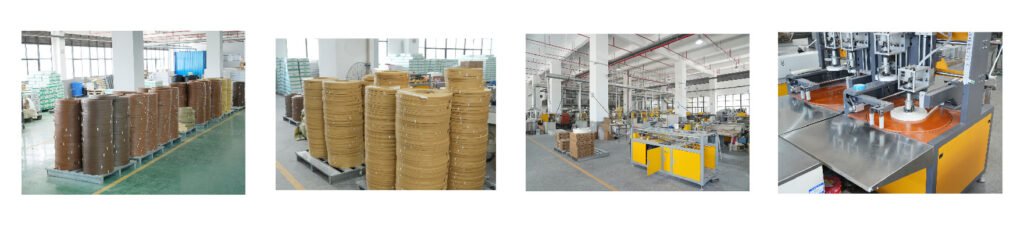
UB31 Is About the Finished Furniture, Not Just the Roll
When a decorative panel is cut, the exposed core creates a visual interruption between the front surface and the finished edge.
That interruption becomes especially noticeable on modern furniture with large flat surfaces, handleless doors, open shelving or minimalist cabinet structures.
The purpose of edge banding UB31 is therefore straightforward:
create a visually coordinated transition from the decorative panel surface to the processed edge.
For furniture manufacturers, this means the edge needs to perform several jobs at the same time:
- Cover the exposed board core
- Follow the appearance of the panel
- Maintain a consistent edge line
- Support regular machining operations
- Provide a clean finished appearance
- Remain consistent across repeated production batches
This is why matching should be evaluated on the completed furniture piece rather than by color alone.
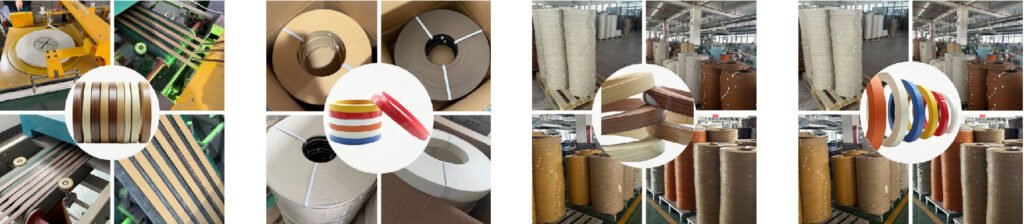
Designed Around the UB31 Surface Appearance
Decorative surfaces can change significantly under different lighting conditions.
A color that appears close under showroom lighting may look different beside the same panel under daylight or warmer interior lighting. Surface texture can create another visual difference even when the base color is similar.
For edge banding ub31 development, we therefore consider several elements together:
Base Color
The primary tone establishes the overall visual relationship between the panel and edge.
Surface Texture
A textured panel needs an edge treatment that does not appear unnaturally flat beside it.
Gloss Level
Differences in light reflection can make two otherwise similar colors appear noticeably different.
Edge Width and Thickness
The selected dimensions influence both processing performance and the final furniture proportion.
This multi-factor approach makes the matching process more useful for real furniture production.
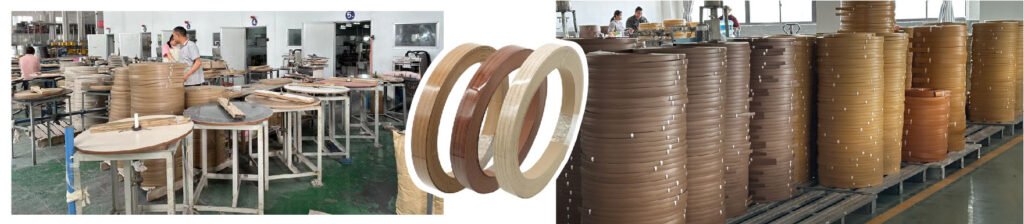
PVC Edge Banding for Everyday Furniture Production
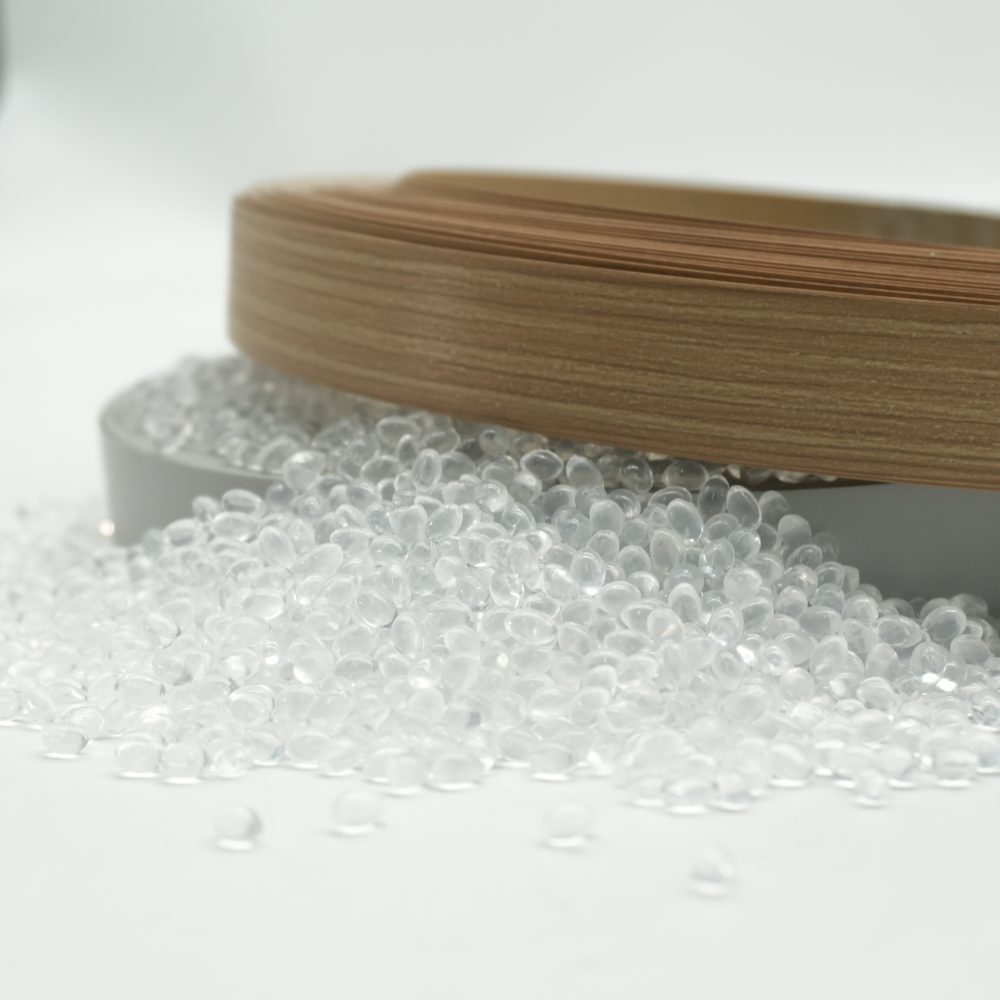
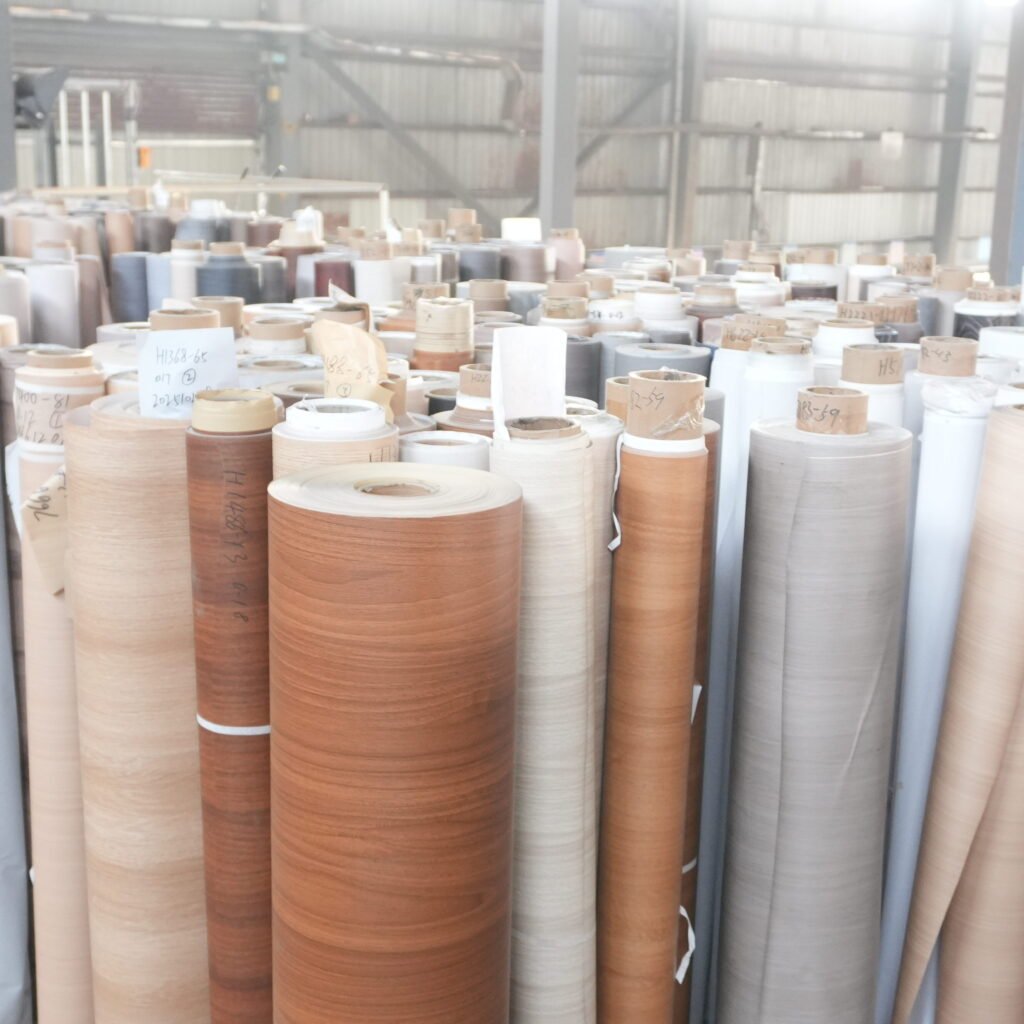
edge banding ub31 can be manufactured as a PVC edge banding solution for common furniture-board applications.
PVC is widely used in furniture edging because it combines flexibility, impact resistance and practical machinability with a broad range of decorative possibilities.
Depending on the project, the edge band can be supplied in different thicknesses and widths to suit the board construction and processing equipment.
Typical applications include:
- MDF furniture panels
- Particleboard cabinets
- Melamine-faced boards
- Wardrobe components
- Kitchen cabinet doors
- Office furniture
- Shelving systems
- Custom interior furniture
The final specification should be selected according to the panel thickness, edge-processing method and required visual effect.
What Should Buyers Check Before Ordering UB31?
For professional purchasing teams, appearance is only one part of the decision.
A more practical evaluation includes four questions:
Does the edge visually belong to the panel?
Check the color, texture and gloss under the actual lighting conditions in which the furniture will be displayed.
Does the material work with the production equipment?
The selected thickness and width should be compatible with the edge banding machine and trimming process.
Does the edge remain clean after machining?
Trimming quality depends on the edge material as well as cutter condition, machine settings, feed speed and processing technique.
Can the same specification be supplied again?
For commercial furniture production, repeat-order consistency is often more important than the first sample.
UB31 development is therefore treated as a specification that can be documented and repeated rather than simply a one-time color selection.
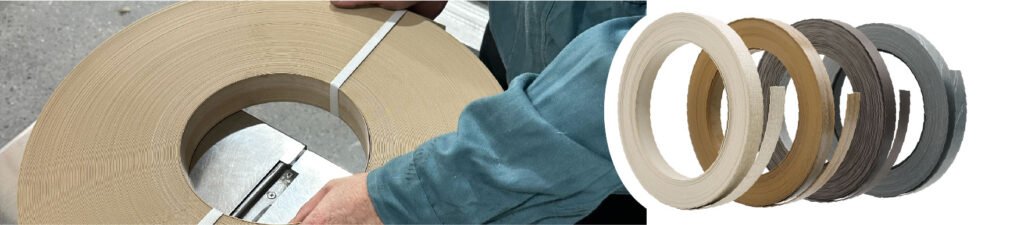
A More Practical Color Matching Process
LUYAO does not rely on a simple visual description such as “dark grey,” “warm brown” or “wood tone” when developing a matching edge.
For a professional color-matching project, customers can provide:
- Panel samples
- Panel manufacturer and reference
- Color code
- Surface photographs
- Original edge sample
- Target thickness
- Target width
- Application information
A physical panel sample is particularly useful when the surface contains texture or subtle tonal variation.
After the reference is evaluated, we can develop the corresponding edge appearance and provide a sample for customer approval before regular production.
This gives buyers a clear checkpoint between reference → sample → approval → mass production.
Matching Is More Than Color
One of the most common mistakes in edge banding selection is comparing only the color.
Imagine a panel with a relatively low-reflective decorative surface. If the edge has a noticeably different gloss, the color may technically be close while the finished furniture still looks mismatched.
The same applies to texture.
A smooth edge next to a strongly textured panel can create an obvious visual boundary.
For this reason, the edge banding ub31 matching process can take into account:
- Color tone
- Texture direction
- Embossing character
- Surface reflection
- Visual depth
- Edge thickness
- Finished trimming appearance
The objective is not to claim that every physical surface can be reproduced identically. The objective is to create a commercially useful edge that looks coordinated when assembled with the target board.
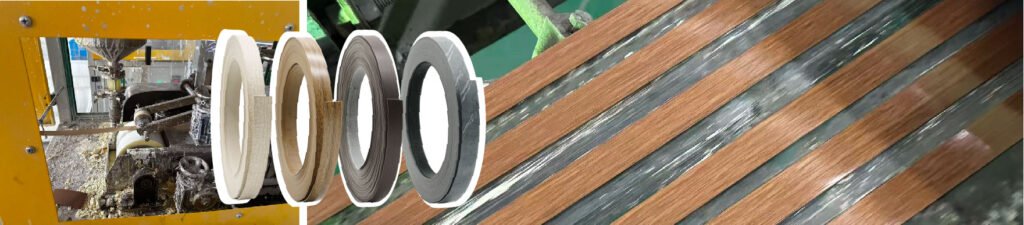
Selecting the Right UB31 Dimensions
Different furniture components may require different edge specifications.
For example, a cabinet door and a narrow shelf edge may have different dimensional requirements even when they use the same decorative reference.
Available specifications can be developed according to project requirements, including:
| Parameter | Available Option |
|---|---|
| Material | PVC |
| Thickness | 0.4–3.0 mm |
| Width | 9–120 mm |
| Color | Custom matching |
| Surface | Smooth / textured options |
| Finish | According to project requirement |
| Packaging | Standard / OEM |
| Sample | Available before production |
For a specific edge banding ub31 project, the recommended thickness and width should be confirmed against the customer’s board and machinery.
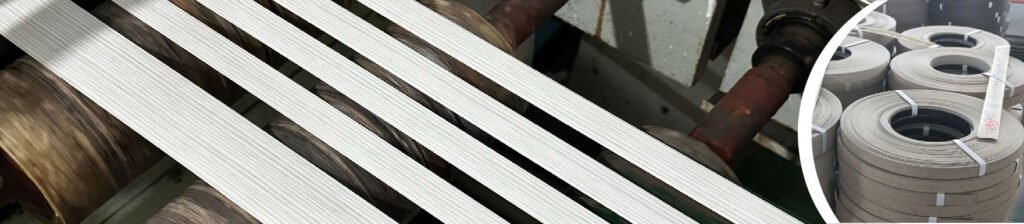
Better Edge Performance Starts With Better Processing
Even a well-developed edge banding cannot compensate for incorrect machine settings.
The finished result can be influenced by:
- Adhesive temperature
- Glue application
- Machine pressure
- Feed speed
- Cutter sharpness
- Trimming settings
- Board surface condition
- Workshop temperature
For this reason, sample testing should be carried out using the customer’s actual production conditions whenever possible.
A sample that works on one machine may require minor parameter adjustments on another production line.
This is particularly important for manufacturers purchasing edge banding in large quantities.
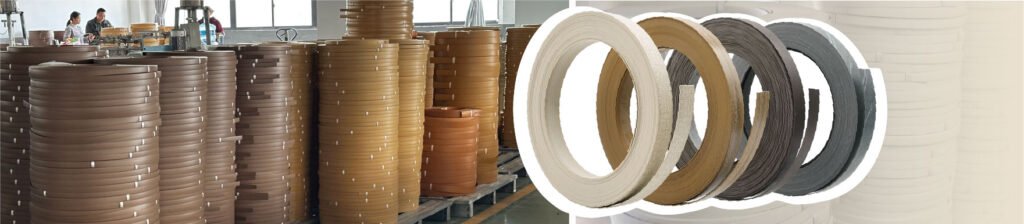
From Small Sample to Repeat Production
A good B2B edge banding supplier should make the transition from sample approval to repeat ordering simple.
For edge banding ub31 projects, the process can follow a straightforward sequence:
Reference Received → Matching Development → Sample Production → Customer Testing → Specification Confirmation → Mass Production → QC → Packaging → Shipment
Once the specification is approved, the confirmed reference can be used for subsequent orders.
This helps purchasing teams avoid repeatedly explaining the same requirements for every shipment.
Manufacturing and Quality Control
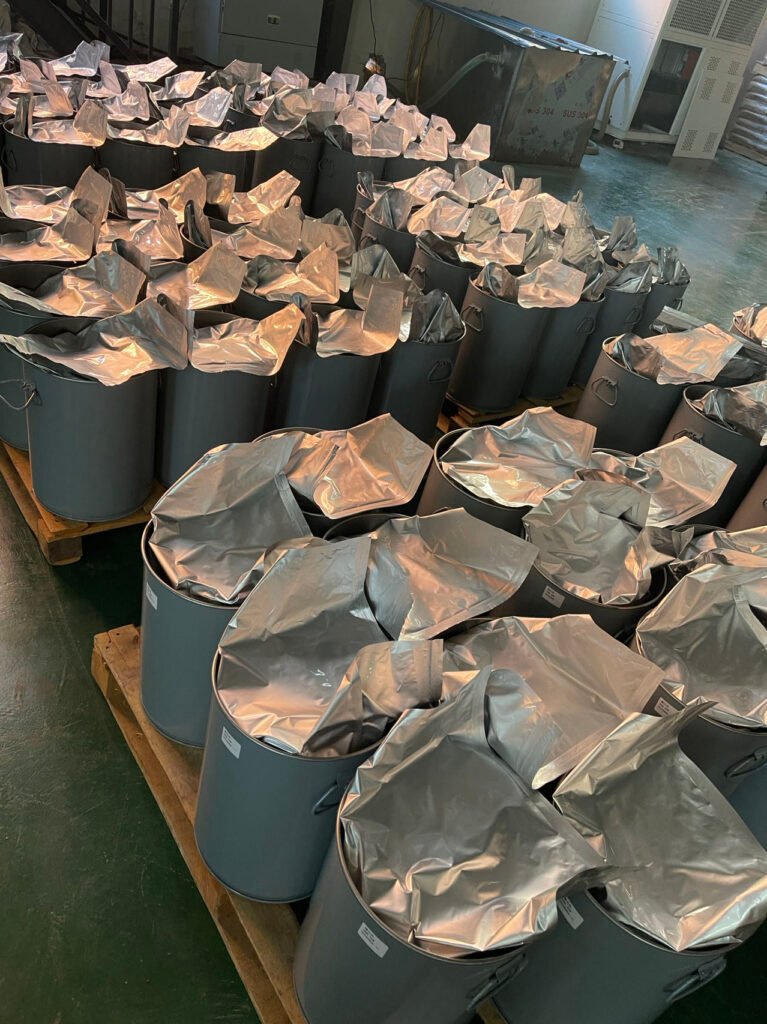
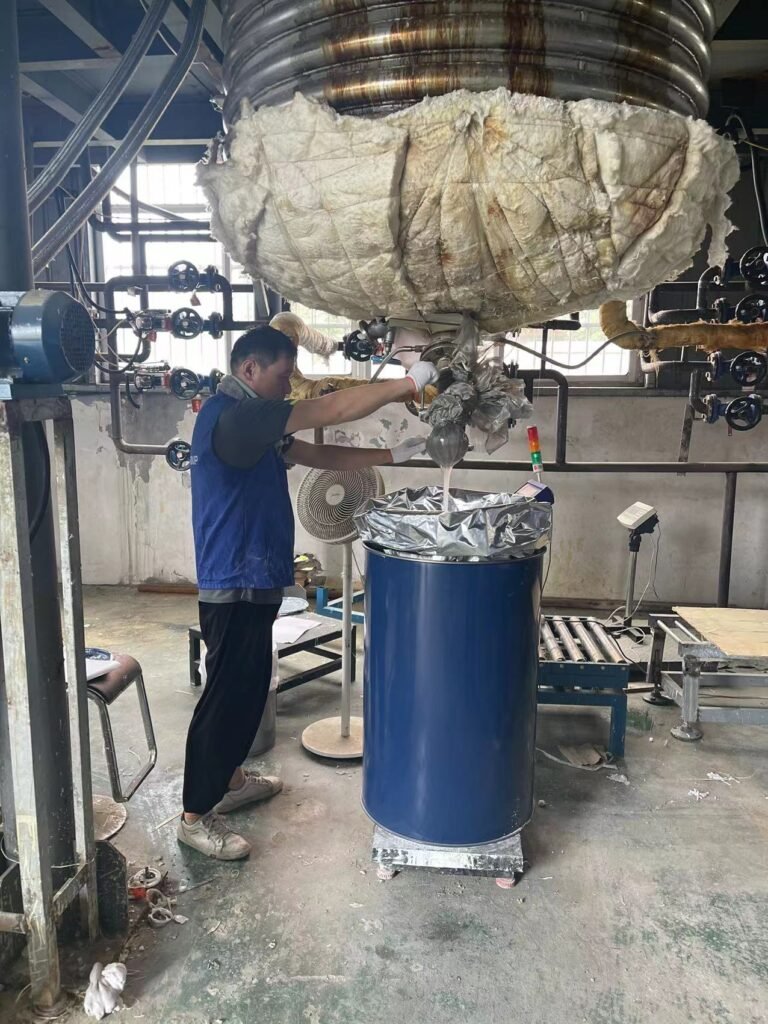
edge banding ub31 is produced through a controlled manufacturing process rather than simply repacking finished material.
The general production workflow includes:
Raw Material Preparation → Color/Material Mixing → Extrusion → Surface Treatment/Printing → Embossing or Finishing → Cutting → Inspection → Rewinding → Packaging
During production, quality control can focus on the areas that directly affect furniture production:
- Thickness consistency
- Width accuracy
- Surface appearance
- Color consistency
- Edge integrity
- Roll winding
- Packaging condition
For custom matching projects, production control is especially important because the approved sample becomes the reference for subsequent batches.
Suitable for Different Furniture Concepts
UB31 is not limited to one furniture category.
Its matching approach can be applied to projects such as:
Residential Furniture
Wardrobes, TV cabinets, bedroom furniture, storage units and shelving.
Kitchen Furniture
Cabinet doors, side panels, drawer components and exposed cabinet edges.
Commercial Furniture
Office desks, reception counters, display furniture and storage systems.
Interior Projects
Built-in furniture, wall-mounted storage and customized architectural furniture.
OEM Furniture Production
Private-label furniture manufacturers requiring coordinated edge materials for their own panel collections.
The key is to select the edge specification according to the actual board and machining requirements.
OEM and Private-Label Supply
For distributors and furniture-component suppliers, the requirement may extend beyond the material itself.
LUYAO can support projects involving:
- Custom colors
- Custom widths
- Custom thicknesses
- Product labeling
- OEM packaging
- Private-label requirements
- Repeat-order specifications
- Sample development
This is useful when a distributor wants to build its own edge banding range around selected decorative board references.
Instead of purchasing a generic edge and adapting the panel around it, the product can be developed around the customer’s target market and panel collection.
Why Work With a Manufacturer?
For matching products such as edge banding ub31, direct communication with the manufacturer can shorten the distance between the buyer’s reference and the final product.
It allows technical requirements to be discussed before production, including:
- Target panel
- Color reference
- Surface appearance
- Required dimensions
- Machine application
- Order quantity
- Packaging requirements
- Delivery destination
This is particularly valuable for distributors managing several panel collections or furniture manufacturers with repeat production programs.
LUYAO operates a manufacturing facility of approximately 100,000 m², supported by 300 production employees, a 3-person QC team and a 30-person sales/export team serving international customers.
Sample Before Bulk Production
For a new edge banding ub31 matching project, ordering a sample first is usually the most efficient approach.
A sample allows the buyer to check:
- Actual color under factory lighting
- Texture relationship
- Gloss difference
- Edge thickness
- Trimming behavior
- Adhesion performance
- Overall furniture appearance
If the first sample needs adjustment, feedback can be incorporated before bulk production.
This reduces the risk of committing to a large quantity before the edge has been evaluated on the actual panel.
MOQ, Production and Export Service
For customized edge banding, MOQ and lead time depend on the material, dimensions, color development and production schedule.
Before confirming an order, buyers can request a quotation based on:
- UB31 reference
- Material
- Width
- Thickness
- Required quantity
- Packaging
- Destination country
LUYAO supports export-oriented B2B orders and can coordinate production, packaging and shipment according to the agreed purchasing schedule.
For distributors, project contractors and furniture manufacturers, the goal is not simply to supply one roll. It is to establish a repeatable specification that can be reordered when the same furniture program continues.
Frequently Asked Questions
What is Cleaf Traccia Edge Banding UB31?
UB31 refers to a matching edge banding solution developed for furniture panels using a Cleaf Traccia-style decorative reference. LUYAO independently manufactures the edge banding and develops the appearance according to the customer’s panel reference.
Is UB31 an original Cleaf edge band?
No. LUYAO’s UB31 is an independently manufactured matching solution. It is developed for customers who need a coordinated edge appearance for their target decorative panel.
Can I request a UB31 sample?
Yes. Customers can provide a panel sample, color reference or other available information for matching evaluation before bulk production.
Can the width and thickness be customized?
Yes. Width and thickness can be selected according to the furniture application, board construction and machine requirements.
Can edge banding ub31 be supplied with OEM packaging?
Yes. OEM and private-label packaging can be discussed for qualifying B2B orders.
Is PVC suitable for cabinet and furniture production?
PVC edge banding is widely used for furniture and cabinet applications because it offers practical flexibility, durability and machinability. The appropriate specification should be selected according to the board and processing conditions.
How should I check the color match?
The most reliable method is to compare the edge directly against the actual panel under several lighting conditions and, where possible, test the material after machining.
Can I order the same UB31 specification again?
Yes. Once the matching specification has been approved, it can be retained as a reference for subsequent orders, helping improve repeat-order consistency.
Request Your UB31 Matching Sample
If you are sourcing an edge for a Cleaf Traccia-inspired panel, edge banding UB31 can be developed around your actual furniture requirements rather than selected from a generic color chart.
Send us your panel reference, sample, color code or project requirements.
Our team can help evaluate the matching direction, recommend a suitable PVC specification and arrange a sample before bulk production.
Need edge banding ub31 for your furniture project?
Send Your Panel Reference → Confirm Specification → Approve Sample → Start Production
Parameter Table
| Attributes | Value |
|---|---|
| Brand | Cleaf |
| product | Pvc edge banding |
| PVC edge banding | |
| Lead Time | 20 days |
| Adhesive Type | EVA hot melt glue, PUR hot melt glue |
| Certifications | MSDS, SGS |
| MOQ | 5000 meter |
| Application Method | automatic edge banding machine |
| Performance | Eco Rating E0, Flexibility, Water Resistance |
| Thickness | 0.4mm, 0.8mm, 1.0mm, 1.5mm, 2.0mm, 3.0mm, Customizable |
| Width | 12mm, 16mm, 18mm, 20mm, 22mm, 30mm, 40mm, 50mm, 60mm, 70mm, 80mm, 90mm, 9mm, Customizable |
Reviews
Review

Small trial orders accepted, convenient for new product testing.